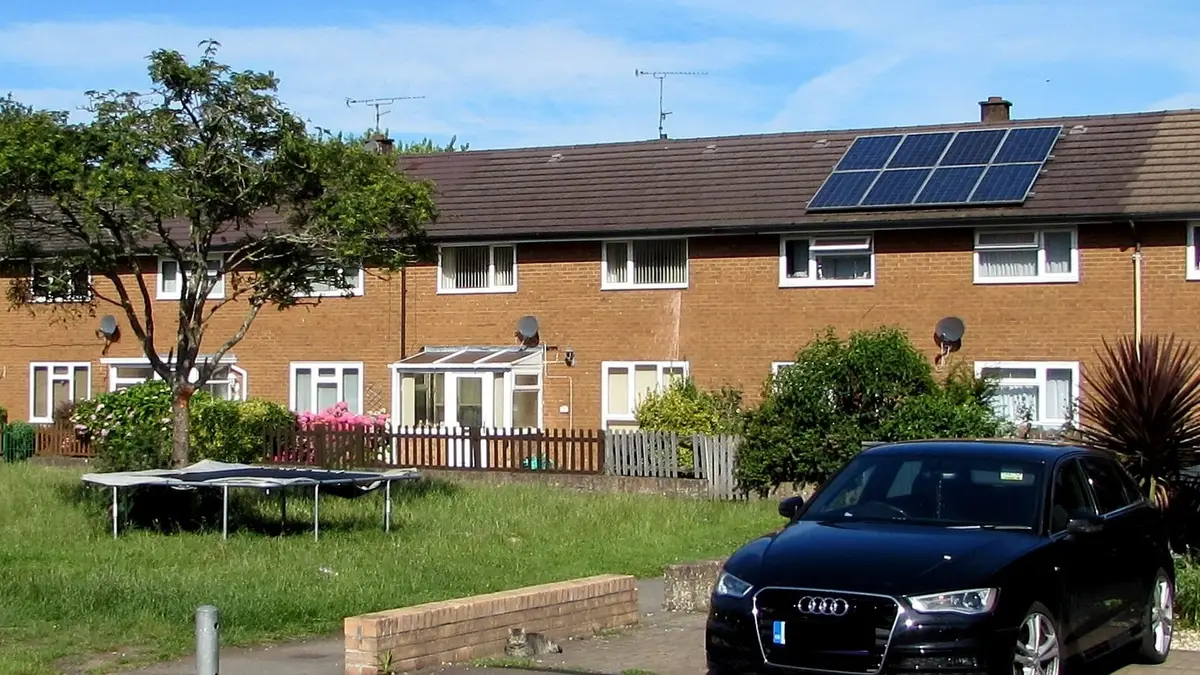
A home solar kit brings together everything you need to generate electricity from the sun in a single purchase: panels, inverter, charge controller, batteries and cables. In Chile, a 3,000 W kit costs between CLP 990,000 and CLP 2,735,000 including VAT, depending on the store and, above all, on the type of battery, according to prices published by specialized retailers in October 2026.
Before buying one, answer three questions: do you want to stay connected to the grid, how much energy do you use, and what do you want to keep running during a power outage? This guide helps you answer them.
What a home solar kit includes
| Component | What it does | Key fact |
|---|---|---|
| Solar panels | Convert sunlight into direct current (DC) electricity | Panels of 430 to 600 W each are common today |
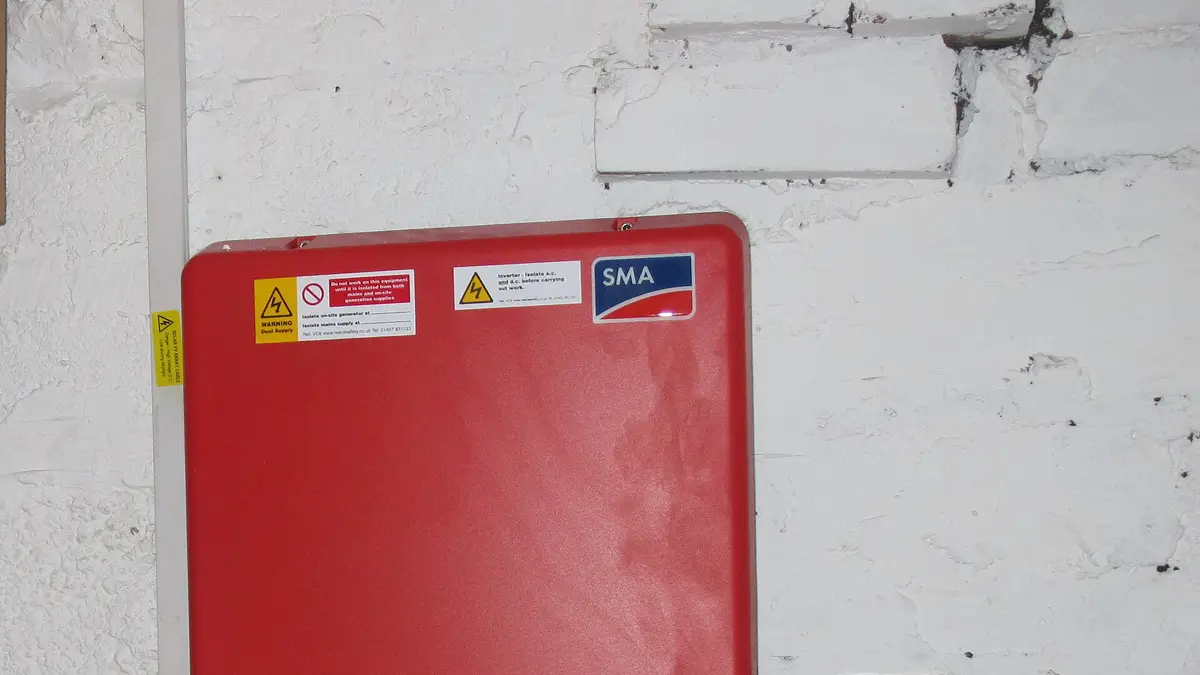
| Inverter | Converts direct current into alternating current (220 V) for your outlets | Its power (W) determines how many appliances can run at once |
| Charge controller (MPPT or PWM) | Regulates battery charging | MPPT harvests more energy than PWM |
| Batteries | Store energy for the night or for outages | Lead-gel (cheaper) or lithium (longer-lasting) |
| Mounting, cables and protection | Hold the panels and protect the installation | Must meet electrical codes |
In many kits, the inverter and the controller come combined in a single unit called a hybrid inverter.
On-grid, off-grid or hybrid: which one you need
| Kit type | How it works | Best for | Does it work during an outage? |
|---|---|---|---|
| On-grid (grid-tied) | Exports surplus to the grid and offsets energy on your bill | City homes that want a lower bill | No, it shuts down for safety |
| Off-grid | Runs only on panels and batteries, without the grid | Rural plots, cabins and places with no connection | Yes, it is always autonomous |
| Hybrid | Grid-tied, but with backup batteries | Homes that want savings and backup | Yes, while it has charge |
An on-grid system in Chile must be declared to the Superintendency of Electricity and Fuels (SEC) and registered under net billing, which lets the distribution company pay you for the energy you export. Off-grid kits are the alternative for places without a grid connection.
How much a solar kit costs in Chile
These are prices published by Chilean retailers for 3,000 W off-grid and hybrid kits, including VAT unless stated otherwise. Installation is not included unless noted:
| Store | Kit | Battery | Price |
|---|---|---|---|
| Solares Center | Entry-level 3,000 W | Lead-gel | CLP 990,000 |
| Solares Center | 3,000 W premium MPPT hybrid | Lithium | CLP 1,370,000 (sale) |
| Solares Center | 3,000 W 48 V full lithium | 100 Ah lithium | CLP 1,950,000 |
| Neosolar | 3,000 W hybrid off-grid PWM | Included | CLP 2,252,092 (store does not say whether VAT is included) |
| Sunenergy | 3,000 W with four 430 Wp panels | 4 × 100 Ah | CLP 2,735,000 (no installation) |
The price difference almost always comes down to the battery. Lithium batteries cost more, but they last many more charge cycles and can be discharged more deeply than lead-gel. A grid-tied system with batteries and certified installation costs more: for a family of four, a complete installation with eight 585 W panels, a 5 kW inverter and a 5.12 kWh battery runs between CLP 4.5 million and CLP 7 million in 2026.
How to size your solar kit
Size is defined by two different numbers:
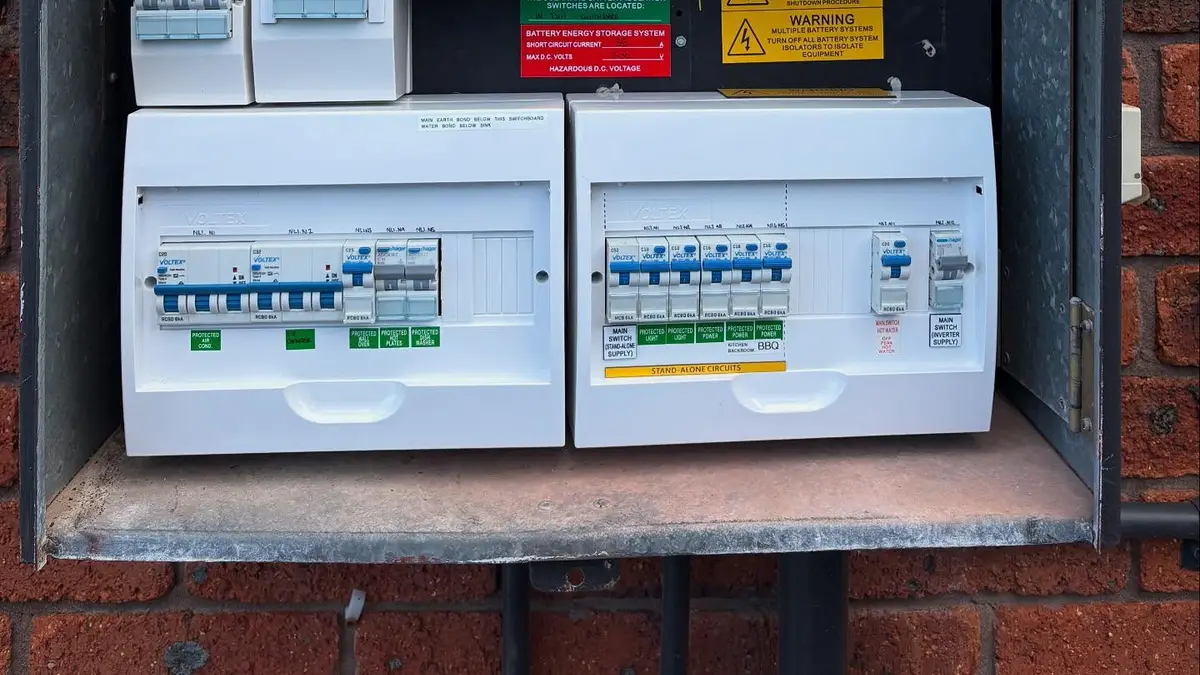
- Inverter power (W): how many appliances can run at the same time. A 3,000 W kit can handle a refrigerator, lighting, TV, router and computer together, but not an electric oven or a powerful heater at the same time.
- Battery energy (Wh or kWh): how many hours you can run without sun. Four 100 Ah batteries at 12 V add up to about 4.8 kWh nominal.
To estimate your consumption, check your electricity bill: if you use 200 kWh a month, you consume about 6.7 kWh a day. A 3,000 W kit with 4.8 kWh of batteries will not cover all of that, but it will cover the essentials. See the price of electricity per kWh in Chile to estimate what you would save.
| Monthly household consumption | Approx. daily consumption | Kit usually recommended |
|---|---|---|
| 100 kWh | 3.3 kWh | 1,000 to 2,000 W kit with batteries for basic loads |
| 200 kWh | 6.7 kWh | 3,000 W kit for essential loads, or a grid-tied hybrid |
| 300 kWh or more | 10 kWh or more | 5,000 W kit or larger, ideally hybrid |
How much a solar kit generates in winter
Output changes a lot with the seasons. In central Chile, winter months generate between 35% and 50% less than summer months. If the kit has to work all year, size it for June and July, not January.
Solar kit or custom installation
| Solar kit | Custom installation | |
|---|---|---|
| Price | Lower | Higher |
| Design | Standard | Calculated for your roof and consumption |
| Installation | DIY or with a separate technician | Included |
| SEC certification | You must handle it if you connect to the grid | Handled by the installer |
| Best for | Rural plots, cabins and backup | Grid-tied homes seeking savings through net billing |
Common mistakes when buying a solar kit
- Buying by watts instead of batteries: power is of little use if the batteries run out in two hours.
- Connecting to the grid without declaring it: an undeclared on-grid system cannot use net billing and may be unsafe.
- Using an on-grid kit as backup: without batteries, it shuts down when the power goes out.
- Ignoring winter: sizing for summer sunlight leaves the house short in the cold months.
- Mixing new and old batteries: it shortens the life of the whole bank.
If you only want backup for outages and do not want to install anything on the roof, a portable power station may be enough, as we explain in the emergency solar kit guide. And for what to do after an outage, see how to file a power outage claim in Chile.
Do you sell or install solar kits in Chile? Reach readers who are about to buy one on Energía Futura.
See advertising optionsLead or lithium batteries: which is better
| Lead-gel | Lithium (LiFePO4) | |
|---|---|---|
| Upfront price | Lower | Higher |
| Typical lifespan | Hundreds of cycles | Thousands of cycles, depending on the manufacturer |
| Recommended depth of discharge | Moderate, to avoid shortening its life | High |
| Weight | Heavier | Lighter |
| Maintenance | Needs more care | Almost none, with a BMS protecting it |
In the long run, lithium usually works out cheaper per kWh stored over its lifetime, even if it costs more to buy. Its battery management system (BMS) is key to operating it safely.
How to maintain a solar kit
- Clean the panels when they gather dust, especially in dry areas: dust reduces output.
- Check the connections once or twice a year for loose or corroded cables.
- Monitor battery health from the inverter or its app.
- Avoid shade: a tree that has grown can sharply reduce a panel's output.
- Respect the warranty: many require certified installation and basic maintenance.
What paperwork a grid-tied kit requires
If the kit connects to the utility grid, the installation must be declared to the SEC as distributed generation, signed by an authorized electrical installer. Only then can the utility connect the system to net billing and pay for the energy you export. An off-grid kit, which does not connect to the grid, does not need that connection process, but it must still meet the home's electrical code.
Frequently asked questions
How much does a home solar kit cost in Chile?
A 3,000 W kit costs between CLP 990,000 and CLP 2,735,000 including VAT, depending on the store and battery type. Installation is usually extra.
What does a solar kit include?
Panels, inverter, charge controller, batteries, mounting and cables. In many kits the inverter and controller are combined.
Does a solar kit work during a power outage?
Only if it has batteries: off-grid and hybrid kits do; on-grid kits without batteries shut down for safety.
What size solar kit does a home need?
It depends on consumption: for 200 kWh a month, a 3,000 W kit covers essential loads; to cover everything, a hybrid or larger system is better.