Household electricity bills in Chile would fall by an average of 4.3% from January 2027, according to the Preliminary Technical Report on the Average Node Price that the National Energy Commission (CNE) published on October 15, 2026. The cut would reach 13 of the country's 16 regions and go as high as 11% in Antofagasta, while bills would rise in Los Ríos, Los Lagos and Magallanes.
Note: these are preliminary figures. The CNE still has to receive comments from companies and publish the final report, which the Ministry of Energy expects in November. Only then is the tariff decree issued that sets the prices charged from January.
How much electricity bills will fall in each region
Energy Minister Ximena Rincón gave the breakdown by region after an economic committee meeting at La Moneda. The figures are the projected change for a residential customer on the BT1 tariff, according to the Ministry of Energy and reporting by The Clinic and TemucoDiario:
| Region | Projected change in the bill (January 2027) |
|---|---|
| Antofagasta | -11% |
| Atacama | -10.2% |
| Arica y Parinacota | -9.9% |
| Valparaíso | -8.5% |
| Coquimbo | -8.4% |
| Tarapacá | -7.4% |
| Ñuble | -4.2% |
| Metropolitan (Santiago) | -4% |
| La Araucanía | -3.9% |
| Biobío | -3.7% |
| Maule | -3.4% |
| O'Higgins | -2.7% |
| Aysén | -2.4% |
| Magallanes | +2.4% |
| Los Lagos | +4.9% |
| Los Ríos | +6.2% |
| National average | -4.3% |
*"These are significant reductions, and that is obviously very good news for the country"*, Rincón said, according to The Clinic. The north concentrates the largest cuts: the five regions with reductions above 8% lie between Arica and Valparaíso.
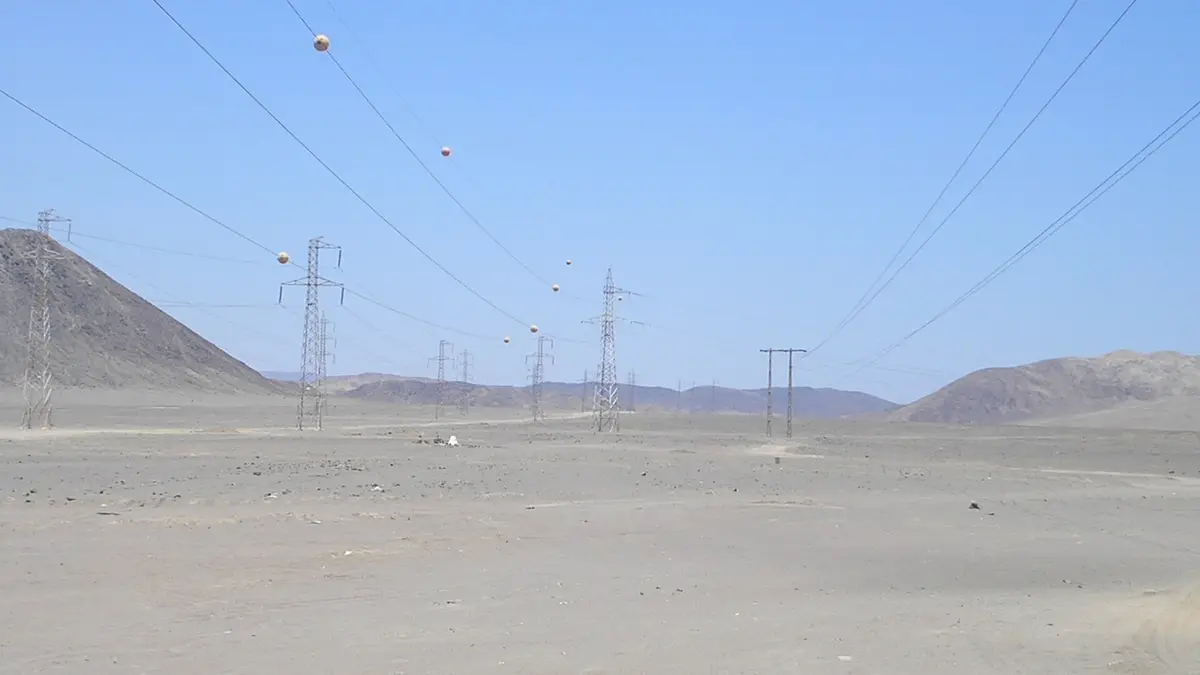
Why electricity bills will fall in 2027
The Ministry of Energy attributes the cut to two factors:
- Expensive contracts from 2008 and 2010 are ending. These supply contracts were signed in old tenders, with energy prices close to US$100 per MWh, according to the Valparaíso regional energy office. They are being replaced by contracts from the 2022, 2023 and 2025 tenders, which the ministry describes as having *"better prices"*.
- A credit from the exchange rate. The exchange rate used to set the previous half-year's tariffs was higher than the actual dollar. That difference becomes a credit for customers and is discounted in the new setting.
The CNE report shows the weight of that variable: to index contracts it uses an average dollar of CLP 916.21 (September 2026, Central Bank), and the system's average energy price stands at US$97.888 per MWh, according to the Preliminary Technical Report. No distribution company can pass on to its customers a price more than 5% above that average, a cap the report sets at US$102.783 per MWh.
The change of contracts is the long-term effect of supply tenders. We explain how they work and what is still to be contracted in the CNE report on regulated supply through 2029.
The regions where electricity bills will rise
Three regions will not see a cut. According to The Clinic, the increase in Los Ríos (6.2%) and Los Lagos (4.9%) is due to delays in the Cautín-Ciruelos transmission line, and because both regions had already benefited in the previous half-year from the *Ordenemos la Cuenta* law. Magallanes (2.4%) is not connected to the National Electric System: it runs on its own medium-sized system, with different tariff dynamics.
| Region with an increase | Change | Reported cause |
|---|---|---|
| Los Ríos | +6.2% | Delay of the Cautín-Ciruelos line and end of a benefit from the previous half-year |
| Los Lagos | +4.9% | Same causes as Los Ríos |
| Magallanes | +2.4% | Isolated electric system (medium-sized system), outside the national grid |
How much electricity bills would fall in Valparaíso, city by city
The Valparaíso regional energy office published the breakdown by municipality for a BT1 residential customer. It shows that within the same region the cut varies by distribution company and area:
| Municipality (Valparaíso Region) | Projected change |
|---|---|
| Viña del Mar | -9.78% |
| Quilpué | -9.78% |
| Valparaíso | -9.70% |
| Concón | -9.45% |
| Quillota | -8.49% |
| Papudo | -7.65% |
| Zapallar | -7.37% |
| Petorca | -7.33% |
| La Ligua | -7.32% |
| Cabildo | -7.27% |
| Casablanca | -4.73% |
| Cartagena | -3.84% |
*"This is very good news for the pockets of families in the Valparaíso Region"*, said regional energy secretary Celso Quezada, who recalled that the report is preliminary.
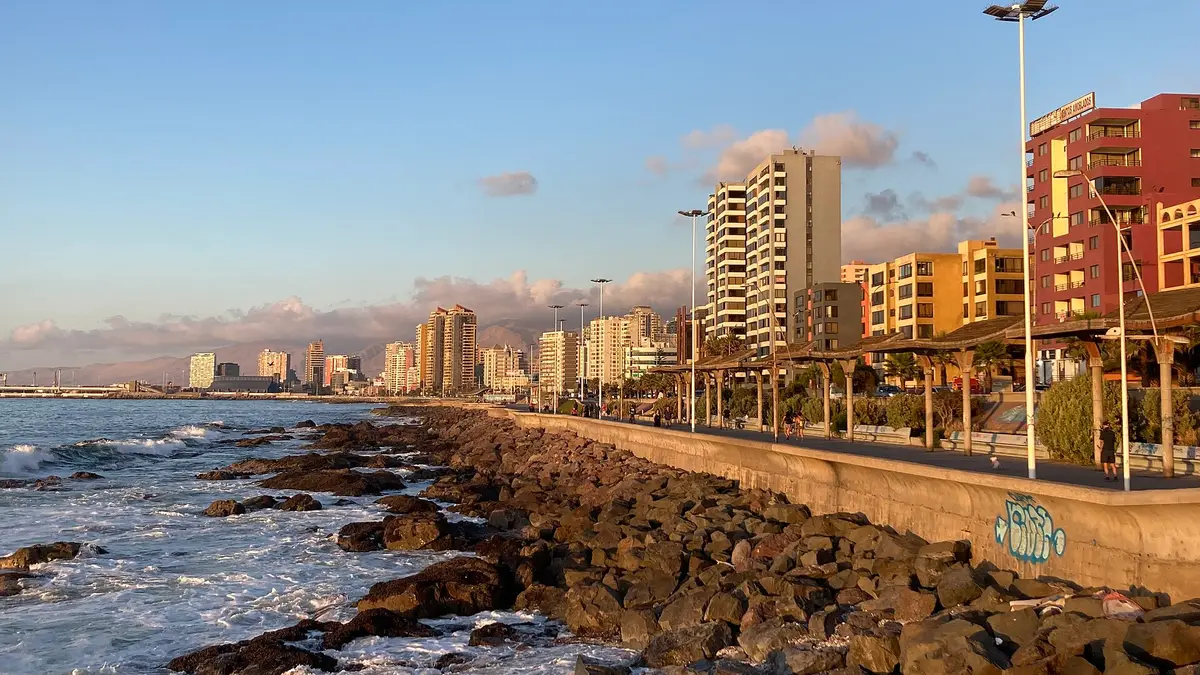
How much the electricity cut would save in pesos
The ministry reported percentages, not peso amounts. As a reference, a household in Rancagua that uses 180 kWh a month pays about CLP 47,020 today, with the CGE kWh price in force since October 1 (CLP 255.27), as we calculated in the price per kWh by city and utility. If the table's percentages were applied to that bill, the effect would be as follows (it is an estimate, not an official figure):
| If the region falls… | Monthly saving on a CLP 47,020 bill | Saving over the half-year |
|---|---|---|
| 11% (Antofagasta) | ~CLP 5,170 | ~CLP 31,000 |
| 8.5% (Valparaíso) | ~CLP 4,000 | ~CLP 24,000 |
| 4.3% (national average) | ~CLP 2,020 | ~CLP 12,100 |
| 4% (Metropolitan Region) | ~CLP 1,880 | ~CLP 11,300 |
| 2.4% (Aysén) | ~CLP 1,130 | ~CLP 6,800 |
The real saving depends on the utility, the municipality and each home's consumption. To see how much a typical home uses, read how much electricity a house uses in Chile per month.
Does your company offer solutions to lower electricity bills? Reach thousands of readers who follow power tariffs at Energía Futura.
See advertising optionsWhat else the CNE's preliminary report includes
The 152-page document also sets the discounts for recognition of local generation, which lower the energy price in municipalities that host power plants. The list is led by Mejillones, with a 60% discount, followed by Alto Biobío, Freirina, Sierra Gorda, Taltal, Diego de Almagro, Antuco and Quilaco, with 35%.
The cut comes after a year of increases. In July 2026, bills rose by an average of 4.9%, according to the CNE. With the January setting, part of that increase would be reversed in most regions.
When the electricity bill cut will be confirmed
- October 15, 2026: the CNE publishes the preliminary technical report.
- October and November: companies and other stakeholders submit comments, according to the process schedule.
- November: the CNE publishes the final technical report, which according to the minister would keep the downward trend.
- Then: the Ministry of Energy issues the tariff decree, which goes through the Comptroller's Office and is published in the Official Gazette.
- January 2027: the new prices are applied to bills.
Frequently asked questions
How much will electricity bills fall in Chile in 2027?
By an average of 4.3% from January 2027, according to the CNE's preliminary report. It is a preliminary figure that may change in the final report in November.
Which region has the largest cut?
Antofagasta, with 11%, followed by Atacama (10.2%) and Arica y Parinacota (9.9%).
How much will bills fall in Santiago?
By 4% for a residential customer in the Metropolitan Region, according to the Ministry of Energy.
In which regions will electricity bills rise?
In Los Ríos (6.2%), Los Lagos (4.9%) and Magallanes (2.4%).
Why are electricity prices falling?
Because expensive generation contracts signed in 2008 and 2010 are ending, and because the actual dollar was lower than the one used in the previous setting, leaving a credit for customers.