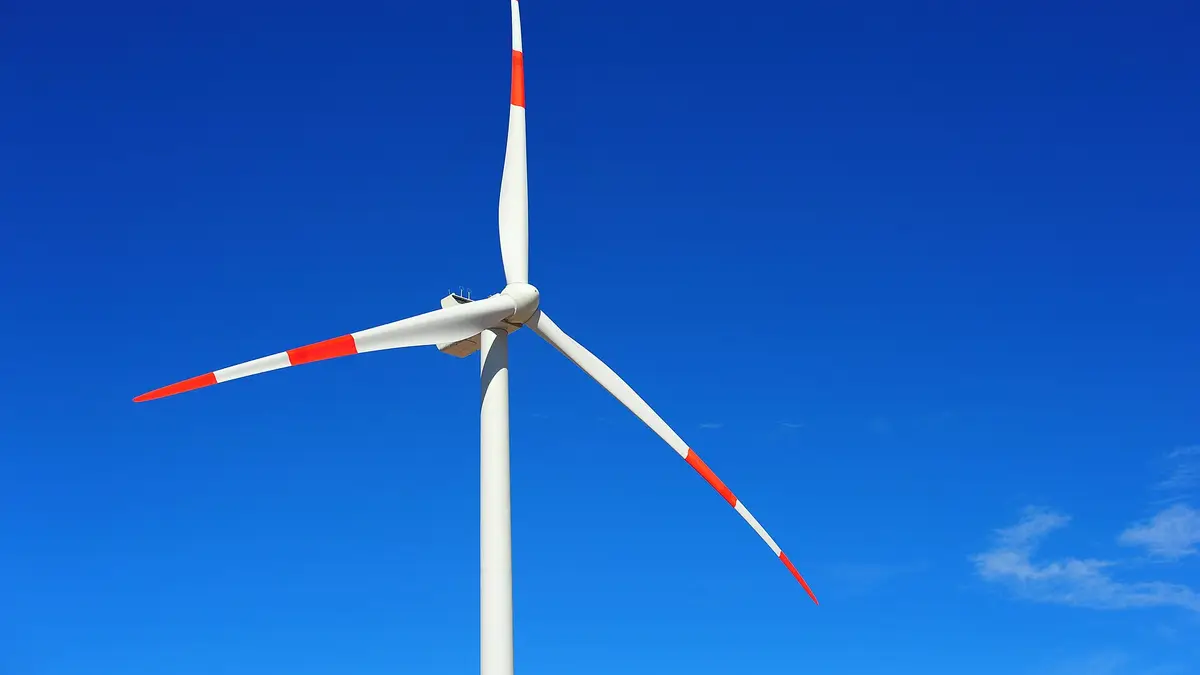
Chile's Ñuble region has close to 1,000 MW of new renewable capacity with environmental approval and more than US$1.6 billion in private investment, the Ministry of Energy reported on 19 October. They are solar projects, wind farms, battery systems and transmission lines approved by the regional Environmental Assessment Commission (Coeva) between March and October 2026.
Building them would create more than 1,280 jobs. The four generation projects named by the ministry are the Las Mellizas (Pemuco) and Monterrico Solar (Chillán and Coihueco) solar plants, and the Las Fresias (Yungay) and Andino Suiza (Ñiquén and San Carlos) wind farms.
The wind and solar farms approved in Ñuble
The official statement did not detail each project's capacity. Using figures from the developers and the environmental review published by the trade press, the portfolio looks like this:
| Project | Technology | District | Capacity | Investment | Developer |
|---|---|---|---|---|---|
| Las Fresias | Wind + batteries | Yungay | Up to 310 MW (43 turbines of 7.2 MW) | US$500 million | RWE Chile |
| Las Mellizas | Solar + batteries (1,200 MWh) | Pemuco | 300 MW | US$400 million | No official figure |
| Monterrico Solar | Solar + batteries (200 MW, 6 hours) | Chillán and Coihueco | 248.7 MWp (200 MW nominal) | US$306 million | Unión Solar SpA |
| Andino Suiza | Wind | Ñiquén and San Carlos | 115.2 MW (16 turbines) | US$172 million | Cóndor Los Lagos SpA |
Project figures come from Reporte Minero (Las Fresias), El Mostrador (Las Mellizas), Redimin (Monterrico) and 24horas (Andino Suiza). Together they add up to about 925 MW nominal and US$1.378 billion; the rest of the announced investment is batteries and lines the ministry did not detail.
Las Fresias, the largest wind farm in the portfolio
German group RWE's Las Fresias wind farm would have 43 turbines of 7.2 MW on Arauco forestry land in Yungay, covering about 189 hectares, connected to the 220 kV Charrúa-Los Notros line. It includes a battery system. Construction is planned from 2027 and would take about 18 months.
Andino Suiza, from Cóndor Los Lagos SpA, has 16 turbines and 115.2 MW, an estimated 35-year life and a 16-month build, according to the project profile. It would connect to the new Buli substation, which is not part of the project.
Why Ñuble attracts renewable energy projects
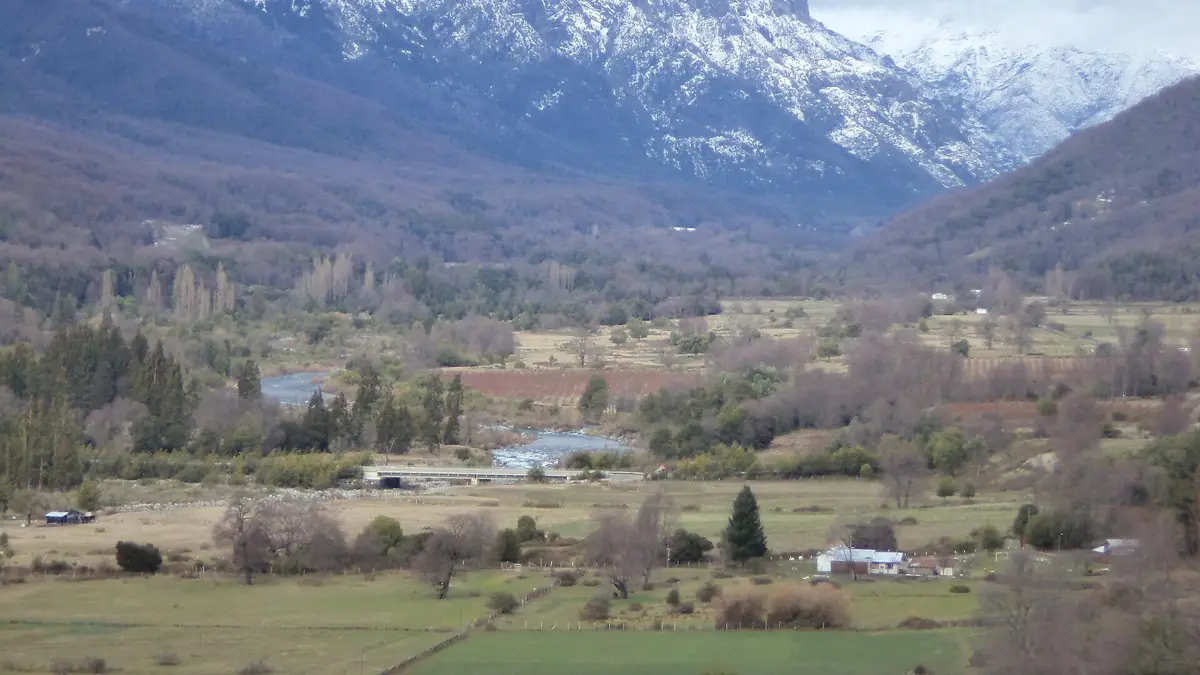
Ñuble offers developers three advantages: wind in the foothills and valleys, enough solar radiation for utility-scale plants, and proximity to the Charrúa node in Biobío, one of the main connection points of central-southern transmission. Producing near southern consumption centres eases pressure on the lines bringing power from the north, which are already saturated, as shown in Deloitte's diagnosis of Chile's transmission grid.
Almost all new solar projects include batteries from the design stage. Las Mellizas adds 1,200 MWh and Monterrico 200 MW with six hours of storage. It is the same trend as in the north: Chile has more than 12,000 MW of projects waiting for connection, mostly batteries, as we reported in projects awaiting grid connection.
“We are looking at a historic portfolio for the Ñuble Region,” said regional energy secretary Cristian Jaque Guzmán. Regional presidential delegate Diego Sepúlveda said the approvals “show that Ñuble has become an attractive region for investment”. Environment secretary Angélica Cuevas said the projects were assessed under current environmental standards.
Ñuble and electricity bills
Ñuble is one of the regions where bills will fall from January 2027: -4.2%, according to the CNE's preliminary report, close to the national average (-4.3%), unlike Los Ríos and Los Lagos further south, where bills would rise because of transmission congestion, as we explain in the Los Ríos tariff rise.
The region's generation mix is already mostly clean. With the approval of Las Mellizas, 89% of the power generated in Ñuble would come from renewable sources, according to El Mostrador. That 300 MW plant with 1,200 MWh of batteries would connect to the grid via a 500 kV line, the voltage of Chile's backbone transmission.
| Ñuble indicator | Figure | Source |
|---|---|---|
| Renewable capacity approved (March to October 2026) | Close to 1,000 MW | Ministry of Energy |
| Private investment approved | More than US$1.6 billion | Ministry of Energy |
| Construction jobs | More than 1,280 | Ministry of Energy |
| Projected change in electricity bills (January 2027) | -4.2% | CNE, preliminary report |
Environmental approval does not guarantee a project gets built. Developers still need to close financing, power purchase agreements and grid connection, and several approved projects in Chile have stalled at those stages.
Wildfire season: a call to check electrical installations
On the same day, Ñuble's energy office called on residents to prepare for the wildfire season and strengthen electrical safety in homes and businesses, according to the Ministry of Energy. Its advice:
- Check panels, sockets, extension leads and high-consumption appliances, preferably with SEC-authorised installers.
- Avoid irregular connections and damaged appliances, which can overheat.
- Keep vegetation clear near lines and poles.
- Report promptly any anomaly in poles, cables or electrical equipment.
“Preparing today is the best way to avoid emergencies tomorrow,” Jaque Guzmán said. Safety strips under power lines are key in a region with large forestry plantations.
Does your company develop wind or solar projects in central-southern Chile? Reach Energía Futura's readers.
See advertising optionsFrequently asked questions
How many MW of renewables were approved in Ñuble?
Close to 1,000 MW, between March and October 2026, according to the Ministry of Energy.
What is the largest wind farm approved in Ñuble?
Las Fresias, by RWE, in Yungay, with up to 310 MW and 43 turbines.
How much investment do the projects add up to?
More than US$1.6 billion of private investment, including batteries and transmission lines.
When will they be built?
It depends on each developer. Las Fresias plans to start works in 2027; the others still need to close financing and connection.