Chile's power system has 320 projects in the connection process totalling more than 12,188 net MW, and BESS batteries are the largest share: 7,561 MW, or 62% of the total. That is what the connection management report of the National Electric Coordinator (CEN), the grid operator, shows with data as of October 15, 2026. The report was sent to the National Energy Commission (CNE) and the Superintendency of Electricity and Fuels (SEC), according to Electrominería.
These are projects declared under construction, which must pass tests and obtain authorizations before entering operation.
Projects waiting to connect: figures by type
| Segment | Projects | Capacity (MW) | Share of MW |
|---|---|---|---|
| Battery systems (BESS) | 52 | 7,560.85 | 62% |
| Generation | 49 | 4,283.86 | 35% |
| PMGD (distributed generation) | 56 | 343.73 | 3% |
| Transmission | 163 | — | — |
| Total | 320 | 12,188.44 | 100% |
Transmission is not measured in generation megawatts, but it is the segment with the most initiatives: 163 works. The CEN said it applied measures to delayed works, without giving progress figures in the report.
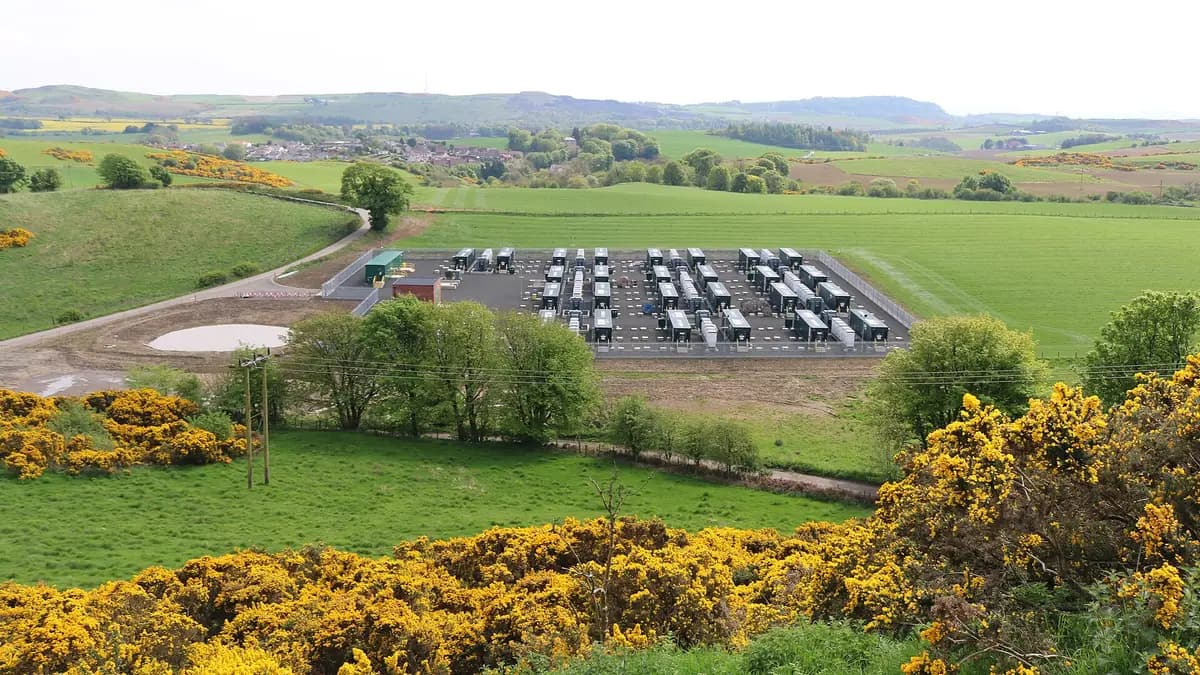
Where the BESS batteries waiting to connect are located
Batteries are concentrated in the north, where most solar generation is. Storing midday energy to deliver it at night is the way to reduce renewable curtailment and cover night-time demand without thermal plants.
| Region | BESS batteries in connection process (MW) | Share |
|---|---|---|
| Antofagasta | 3,502.40 | 46% |
| Atacama | 1,561.75 | 21% |
| Tarapacá | 1,276.00 | 17% |
| Other regions | 1,220.70 | 16% |
With these projects, Chile would keep expanding a storage fleet that has already surpassed 3,000 MW in operation. One recent case is Grenergy, which closed financing for its Algarrobal and Palmas projects, with 1.8 GWh of batteries.
Generation in the queue: solar, hybrid and wind
In generation, solar still leads, alone or combined with batteries. Wind comes third.
| Generation technology | Capacity in connection process (MW) |
|---|---|
| Solar photovoltaic | 1,595.70 |
| Solar with batteries (hybrid) | 1,517.90 |
| Wind | 650.30 |
| Other technologies | 519.96 |
| Total generation | 4,283.86 |
Hybrid projects, which share a connection point between panels and batteries, now add up to almost as much as pure solar projects.
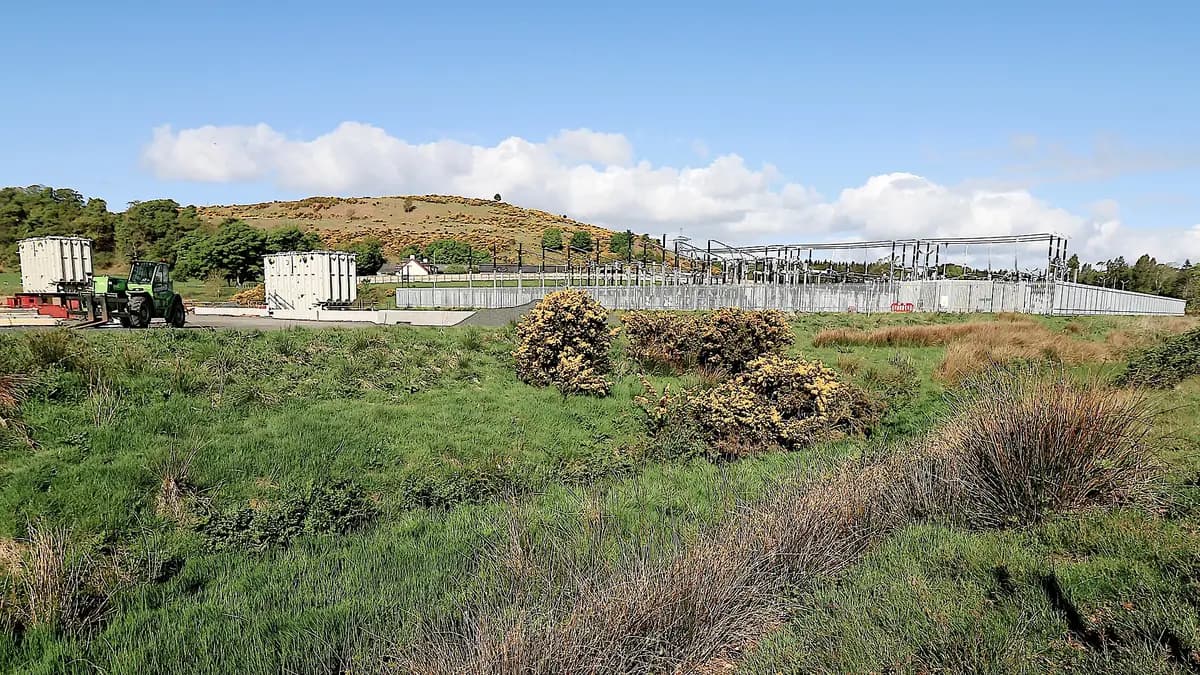
The bottleneck: transmission
The volume of batteries and solar projects in the queue runs into grid capacity. That is why the CNE has included batteries among the urgent transmission works, such as the Tineo storage system, and the CEN is reviewing how to improve competition in expansion-work tenders. On the same day as the report, Electrominería said the CEN had identified 41 expansion works under construction with delays reported by utility CGE; details of those works were not published.
- Batteries: 52 projects and 7,561 MW, almost half in Antofagasta.
- Solar and hybrid solar: 3,114 MW combined.
- Wind: 650 MW.
- PMGD: 56 small distributed generation projects, with 344 MW.
- Transmission: 163 initiatives in the connection process.
Why so many BESS batteries are in the queue
The boom has an economic and a legal explanation. The economic one: in the north, solar energy is abundant at midday and scarce at night, and a battery buys cheap and sells high within a few hours. The legal one: Law 21,505 of 2022 promoted energy storage and allowed battery systems to take part in the power market on their own, without being tied to a power plant.
Using the report's figures, each battery project averages about 145 MW, compared with 87 MW for generation projects and 6 MW for PMGD (our own calculation).
BESS batteries that started operating in 2026
The projects in the queue add to a wave that is already operating. Some examples from this year:
| Project | Company | Capacity | 2026 milestone |
|---|---|---|---|
| Andes Solar III (solar + batteries) | AES Andes | 171 MW / 513 MWh of batteries | Start of operation in April |
| Punta de Talca BESS | EDP | 60 MW / 240 MWh | Start of operation in June, alongside the 83 MW wind farm |
| Bolero BESS | AES Andes | 146 MW / 438 MWh | Commercial operation in August |
| BESS Lile and four other systems | Engie | 803 MW of operating batteries in Chile | Commissioning reported in October |
The figures come from pv magazine Latin America, Electrominería and Energy Storage. As a general rule, the systems being built in Chile today store three to four hours of their power, just enough to shift midday energy to the night.
What happens after the connection process
A project in the connection process will not necessarily operate tomorrow. It must first finish construction, run the tests required by the technical standard and obtain the CEN's authorization to inject energy. Only then does it enter commercial operation. That is why part of these 12,188 MW will be added to the system over 2026 and 2027.
The arrival of so many batteries would also help make better use of solar energy. Today, when the grid cannot carry all renewable output, the CEN orders cuts, known as curtailment. With more storage, that energy can be saved for the night.
- Construction: the project is declared under construction with the CNE.
- Connection process: it works through the steps with the CEN to connect.
- Tests: it verifies compliance with the technical standard.
- Commercial operation: it starts selling energy or services to the grid.
Does your company develop or supply storage systems? Reach the Energía Futura audience.
See advertising optionsFrequently asked questions
How many MW of BESS batteries are waiting to connect in Chile?
7,560.85 MW in 52 projects, according to the National Electric Coordinator's report with data as of October 15, 2026.
What does it mean for a project to be in the connection process?
It has been declared under construction and is working with the grid operator through the steps to connect to and operate in the National Electric System.
Which region has the most batteries?
Antofagasta, with 3,502 MW, followed by Atacama (1,562 MW) and Tarapacá (1,276 MW).