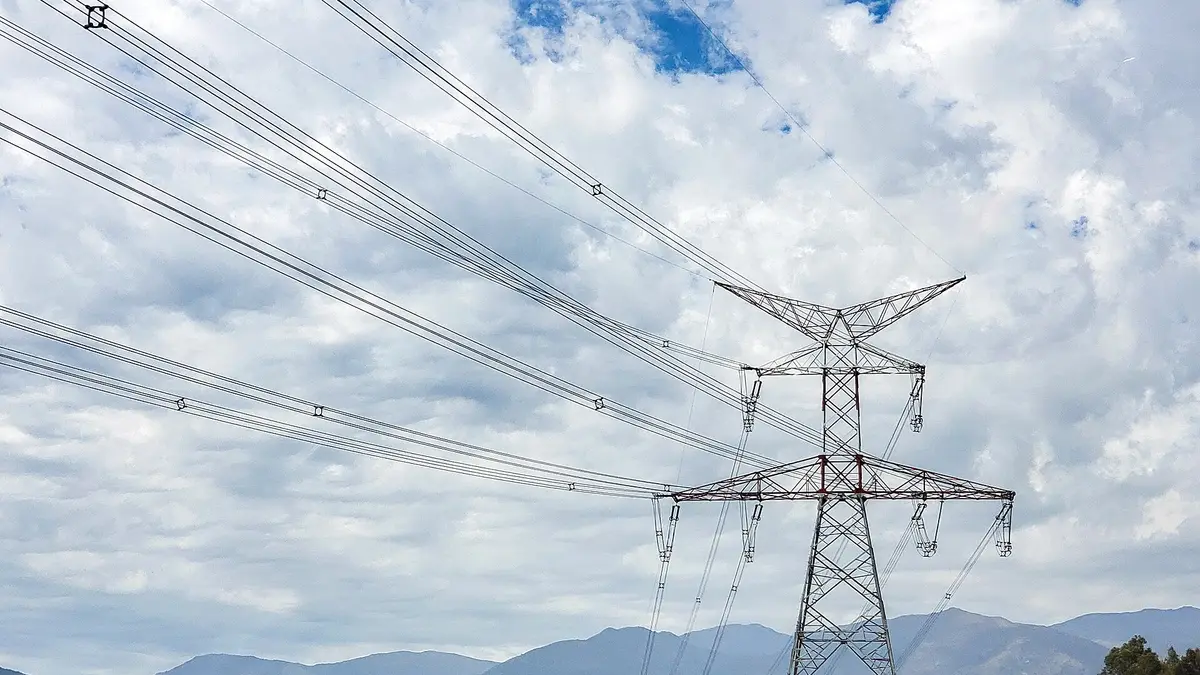
Chile's power transmission grid is not big enough to carry all the renewable energy the country produces. That is the central finding of consultancy Deloitte's October energy report, published on Monday by La Tercera: “transmission infrastructure cannot handle the amount of energy currently available in the system”, the document says.
The figure that sums it up is curtailment: renewable energy that plants could have produced but the system could neither use nor transport. In 2025 it reached 6,205 GWh, of which 71% came from solar plants and 26% from wind farms, according to the report. It is clean, cheap energy that was produced but that nobody could use.
Power transmission in the Deloitte report: the figures
The Deloitte report combines data on curtailment, storage, new projects and financing. These are the main figures:
| Indicator | Figure | Period |
|---|---|---|
| Renewable energy curtailment | 6,205 GWh | 2025 |
| Solar share of curtailment | 71% | 2025 |
| Wind share of curtailment | 26% | 2025 |
| Battery cost | ~US$70/kWh (from ~US$400 in 2016) | 2025 |
| Batteries (BESS) among projects entering operation | 1,697 MW of 3,314 MW | January to July 2026 |
| Projects in testing (PES) | 61 projects, 2,357 MW | July 2026 |
| Projects authorised to operate (EO) | 7 projects, 957 MW | July 2026 |
| Bank financing for the sector | US$16,516 million | 2020 to 2025 |
The 6,205 GWh figure matches the one reported by Broker & Trader Energy Chile for 2025. The Chilean Renewable Energy and Storage Association (Acera) reported a slightly lower figure, 6,084 GWh, because each source uses different criteria to measure wasted energy.
Why power transmission falls short
According to Deloitte, the problem is that lines and, above all, substations lack the capacity to carry the available energy. Generation supply grew faster than demand: in the north, where solar parks are concentrated, spot prices are close to zero during sunlight hours.
That diagnosis matches other signals from the system. Today there are 12,188 MW of projects waiting to connect, most of them batteries, as we explained in the projects awaiting grid connection. The big project meant to relieve congestion between the north and the centre, the Kimal-Lo Aguirre line, is still under construction.
What curtailment is and why it is growing
When the grid cannot take electricity to where it is consumed, Chile's grid operator, the Coordinador Eléctrico Nacional, orders some plants to cut output. That energy is lost. The problem grows with every solar park connected in the north without transmission growing at the same pace.
Batteries as a partial answer
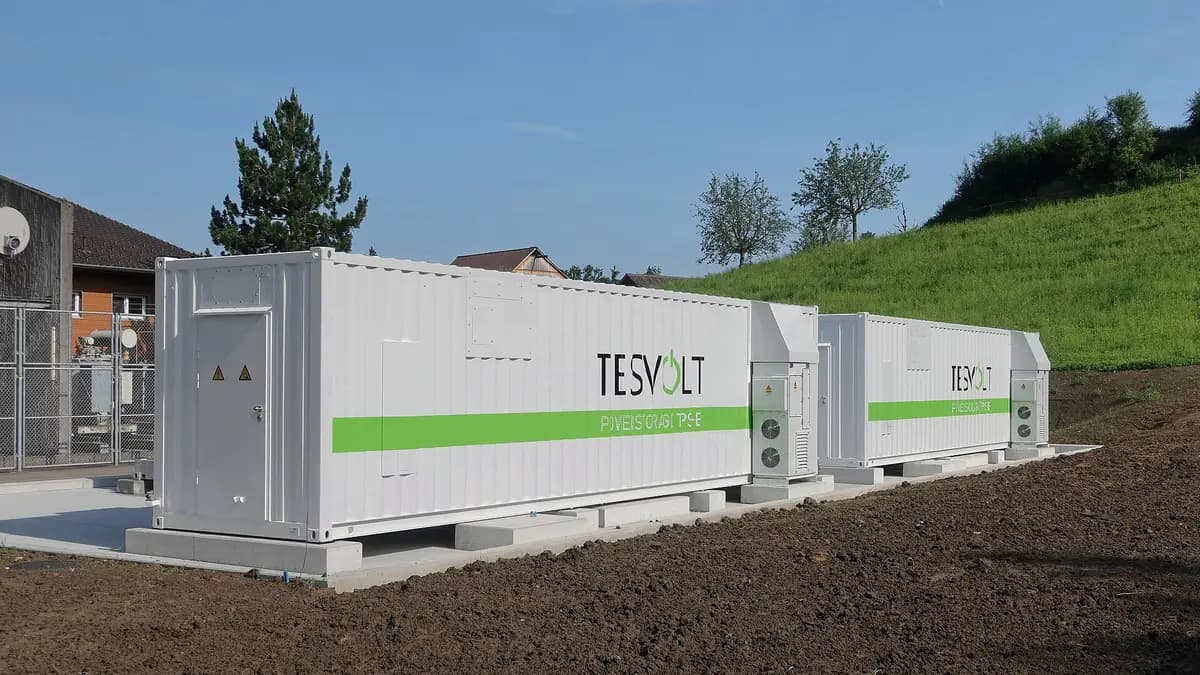
The short-term fix has been batteries (BESS): they charge during the day, when cheap solar power is abundant, and discharge at night, usually between 18:00 and 22:00, when prices rise. According to Deloitte, battery costs fell from about US$400 per kWh in 2016 to about US$70 per kWh in 2025, 45% less than in 2024.
That price drop explains why batteries dominate new projects. Between January and July 2026, BESS accounted for 1,697 MW of the 3,314 MW that started operating, more than half. Among projects in testing or authorised to operate, batteries make up 51% and solar 27%. Chile has already passed 3,000 MW of batteries, as we reported in Chile surpasses 3,000 MW of BESS.
“BESS remain critical to store renewable energy and shift it to peak-demand hours”, said Nicolás Ramos, Deloitte's corporate finance and M&A manager, according to La Tercera. Batteries, however, do not replace lines: they move energy in time, not in space.
Who finances renewables in Chile
The report also looks at who lends the money. Between 2020 and 2025, banks provided US$16,516 million in project finance to the sector. The largest lender was Japan's Sumitomo Mitsui Banking, with US$3,031 million, followed by France's BNP Paribas, with US$2,447 million.
| Bank | Country | Financing 2020-2025 |
|---|---|---|
| Sumitomo Mitsui Banking | Japan | US$3,031 million |
| BNP Paribas | France | US$2,447 million |
| Scotiabank (7th) | Canada | US$1,232 million |
| Itaú Chile (8th) | Chile | US$1,002 million |
Deloitte notes that projects with a long-term power purchase agreement (PPA) face fewer financing constraints, and that adding batteries to a solar project improves access to credit. It also warns that many renewable projects compete for few buyers, which shifts bargaining power to the demand side.
What comes next for power transmission
Deloitte's diagnosis arrives in the middle of the debate on the power grid reform. The Energy Ministry will present a conceptual proposal in December to update the rules for distribution and transmission, which are more than 40 years old, as we reported in Chile's power grid reform. At stake are how new lines are planned, how long they take to build and who pays for them.
Meanwhile, developers are adapting: almost every new solar project entering environmental review includes batteries from the design stage. That is the case of the 250 MW Ceibo solar park in Vallenar, which won environmental approval this week with 42 battery banks.
What it means for consumers
For households, curtailment does not show up directly on the bill, but it matters. The energy lost in the north is cheap energy that does not reach the centre of the country. New lines and batteries should help use it; meanwhile, electricity bills are expected to fall in 13 regions from January 2027 as expensive supply contracts expire, according to the preliminary report of the National Energy Commission (CNE).
Does your company develop transmission, solar or storage projects? Reach Energía Futura's readers.
See advertising optionsFrequently asked questions
What does the Deloitte report say about power transmission in Chile?
That Chile's transmission infrastructure cannot handle the amount of energy available, and that the main bottleneck is at substations.
How much renewable energy was lost in 2025?
6,205 GWh of curtailment, according to Deloitte: 71% solar and 26% wind. Acera reported 6,084 GWh.
How much do batteries cost today?
About US$70 per kWh in 2025, compared with about US$400 in 2016, according to the report.
Which banks finance the most energy projects in Chile?
Sumitomo Mitsui Banking (US$3,031 million) and BNP Paribas (US$2,447 million) led between 2020 and 2025.