Chile's state oil company, Enap, announced that its subsidiary Enap Sipetrol signed a contract to buy 100% of Pluspetrol Ecuador B.V., which holds a stake in Block 10 in the Amazonian province of Pastaza. The base price is US$207 million, subject to adjustments, and the deal still needs regulatory approval, Revista Electricidad reported on 19 October.
Block 10 is already producing. With the purchase, output would rise from 27,000 to 34,000 barrels a day in the short term, a 26% increase, and Enap's proven reserves in Ecuador would grow 34%, from 50 to 67 million barrels. It is the Chilean state company's biggest bet abroad in recent years.
What Enap is buying in Ecuador
Pluspetrol is an Argentine-owned oil company operating in several countries in the region. Its Ecuadorian subsidiary holds a stake in Block 10, an area of 1,985 km² in the Amazon. These are the deal figures reported by Enap:
| Deal detail | Figure |
|---|---|
| Buyer | Enap Sipetrol S.A. |
| Asset | 100% of Pluspetrol Ecuador B.V. (stake in Block 10) |
| Base price | US$207 million, subject to contract adjustments |
| Block 10 area | 1,985 km² (Pastaza province) |
| Current output | 27,000 barrels a day |
| Expected short-term output | 34,000 barrels a day (+26%) |
| Enap's proven reserves in Ecuador | From 50 to 67 million barrels (+34%) |
| Status | Requires regulatory approval |
The price may vary under the adjustment mechanisms of the share purchase agreement. Enap did not say when it expects the deal to close.
How much oil is 7,000 barrels a day
A barrel is 159 litres, so the 7,000 extra barrels a day Enap expects equal about 1.1 million litres of crude a day. At 34,000 barrels a day, the asset would produce some 12.4 million barrels a year (our calculation from the company's figures). Proven reserves of 67 million barrels equal about five years of that output, although in the industry reserves are replenished through new developments.
Why Enap is betting on Ecuadorian oil
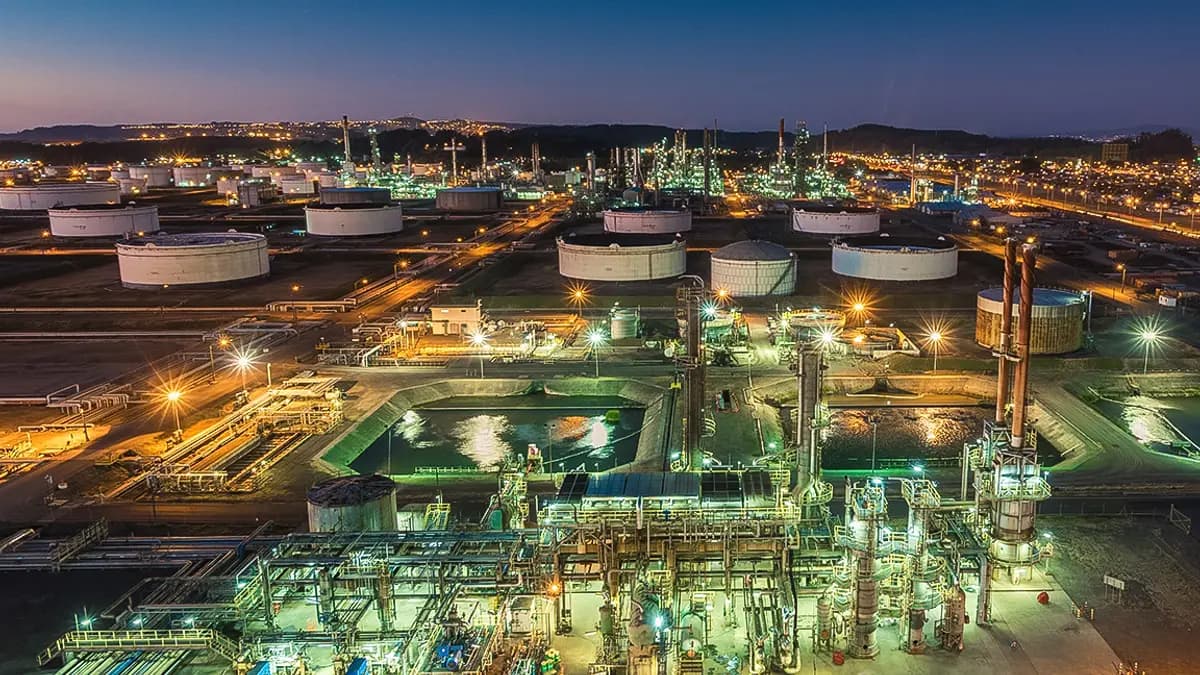
The main reason lies in Chile's refineries. Ecuadorian crudes currently make up more than 20% of the oil basket processed at Enap's Aconcagua (Concón) and Biobío (Hualpén) refineries. Producing that crude directly gives the company access to extraction costs, secures part of its supply and improves the competitiveness of its refining business, the company says.
The purchase is part of a reorganisation of Enap's international exploration and production portfolio, which prioritises investments that can be physically integrated with its refineries. The company also presents the deal as a contribution to the security of supply of fuels in Chile, which imports almost all the oil it uses.
The global backdrop is one of falling demand. The International Energy Agency expects global oil demand to fall in 2026, as detailed in the IEA's oil outlook. For a refiner, however, securing crude at production cost is a way to hedge against international price volatility.
More than two decades of Enap in Ecuador
Enap has operated in Ecuador since 2003 under service contracts. It works Block 46, the Mauro Dávalos Cordero (MDC) field, and Block 47, the Paraíso, Biguno, Huachito and Intracampos (PBH-I) fields. The company says it has produced more than 150 million barrels there in total.
| Enap's operations in Ecuador | Detail |
|---|---|
| Start | 2003, under service contracts |
| Block 46 | Mauro Dávalos Cordero (MDC) field |
| Block 47 | Paraíso, Biguno, Huachito and Intracampos (PBH-I) fields |
| Cumulative output | More than 150 million barrels |
| Net positive cash flow for Enap | More than US$530 million (dividends remitted minus funds sent to Ecuador) |
| With the purchase | Ecuador becomes its main regional platform |
Enap board chairman Cristián Muga said the company has reached a position that allows it to take on an investment of this size “responsibly”. General manager Julio Friedmann said the deal is in line with the company's transformation plan and reflects financial discipline and more than two decades of experience in Ecuador.
What Enap's purchase means for fuel in Chile
The deal alone does not change petrol or diesel prices in Chile. Those follow import parity and Mepco, the mechanism that smooths weekly rises and falls. What may change is Enap's refining margin: if it produces part of its own crude, it depends less on international purchase prices.
Diesel in particular has risen sharply since July, as we reported in the diesel price rise of 22 October. For freight and fleets, the gap between diesel and electricity is one of the strongest arguments for electrification.

Enap's purchase and the energy transition
For a state company in a country with carbon neutrality goals, investing in oil raises questions. Enap also has green hydrogen and renewable energy businesses, mainly in Magallanes. The Ecuador deal targets the current refining business, still the core of its revenue, while fuel consumption in Chile remains high.
Chile's power sector is also moving away from coal; the first coal-to-gas plant conversion was completed this month, as we reported in Engie's Mejillones conversion. Electrifying transport is the factor most likely to cut oil demand in the long run.
Does your company work in fuels, refining or the energy transition? Reach Energía Futura's readers.
See advertising optionsFrequently asked questions
How much is Enap paying for Pluspetrol Ecuador?
A base price of US$207 million, subject to contract adjustments.
How much will Enap's output increase?
The asset's output would rise from 27,000 to 34,000 barrels a day in the short term, 26% more.
Has the deal closed?
No. The contract has been signed, but the deal requires regulatory approval.
Will fuel prices fall in Chile?
Not directly. Chilean prices follow import parity and Mepco; the deal improves the integration of Enap's refining business.