Chile's National Energy Commission (CNE) approved, through Resolution No. 552, the preliminary proposal of necessary and urgent transmission works for 2026. It covers two projects in southern Chile with a reference investment of US$77.2 million, and one of them is a 200 MW / 400 MWh battery energy storage system at the Tineo substation, according to Electrominería and Review Energy.
It shows how grid planning has changed: instead of building only new lines, the system is using batteries to solve capacity problems faster.
The approved urgent transmission works
| Project | Company | Area | Reference investment |
|---|---|---|---|
| Expansion of the Tineo 220 kV substation with storage (200 MW / 400 MWh BESS) | Transelec | South of the Cautín substation, La Araucanía | US$71.1 million |
| Capacity increase of the 2×66 kV Lastarria – Loncoche line | CGE Transmisión and Transelec | La Araucanía | US$6.0 million |
| Total portfolio | US$77.2 million |
What the Tineo battery is for
According to the CNE, the Tineo storage system aims to *"increase the security and reliability of electricity supply south of the Cautín Substation"* and to allow better energy management in the area. The battery can charge when the grid has spare capacity and discharge at times of peak demand, easing transmission constraints.
The big advantage is time: according to Electrominería, this solution would bring forward to 2030 an improvement that, through the traditional route, would enter service around 2032.
The Lastarria – Loncoche line and southern tourism
The second project increases the capacity of the 2×66 kV line between Lastarria and Loncoche, which supplies Loncoche, Villarrica, Pucón, Pullinque and Panguipulli. Electricity demand in this area is growing with tourism and home building, and the peak season puts extra strain on the grid.
What necessary and urgent works are
The necessary and urgent works mechanism is set out in Article 91 bis of Chile's General Electricity Services Law. It allows essential transmission projects to be fast-tracked when the normal planning process, which takes several years, cannot respond in time to a system need.
| 2026 process stage | Date |
|---|---|
| Initial proposal by the grid operator (Coordinador Eléctrico) and the Ministry of Energy | April 2026 |
| Favorable report from the grid operator, with comments | August 2026 |
| Ministry of Energy selects Portfolio No. 1 | Late September 2026 |
| CNE Resolution No. 552 and comment period | Early October 2026 |
People and institutions registered in the CNE's Citizen Participation Registry had five business days to submit comments. The CNE said it will consider them for the final proposal.
Batteries are already part of the grid
The Tineo battery adds to the rapid growth of energy storage in Chile, which already exceeds 3,000 MW of operating capacity, as we report in Chile surpasses 3,000 MW of battery storage. The grid is also preparing for long-term supply needs from 2030, detailed in the CNE's supply report.
Does your company develop or supply storage systems? Reach the energy industry on Energía Futura.
See advertising optionsWhat a BESS is and how it helps the grid
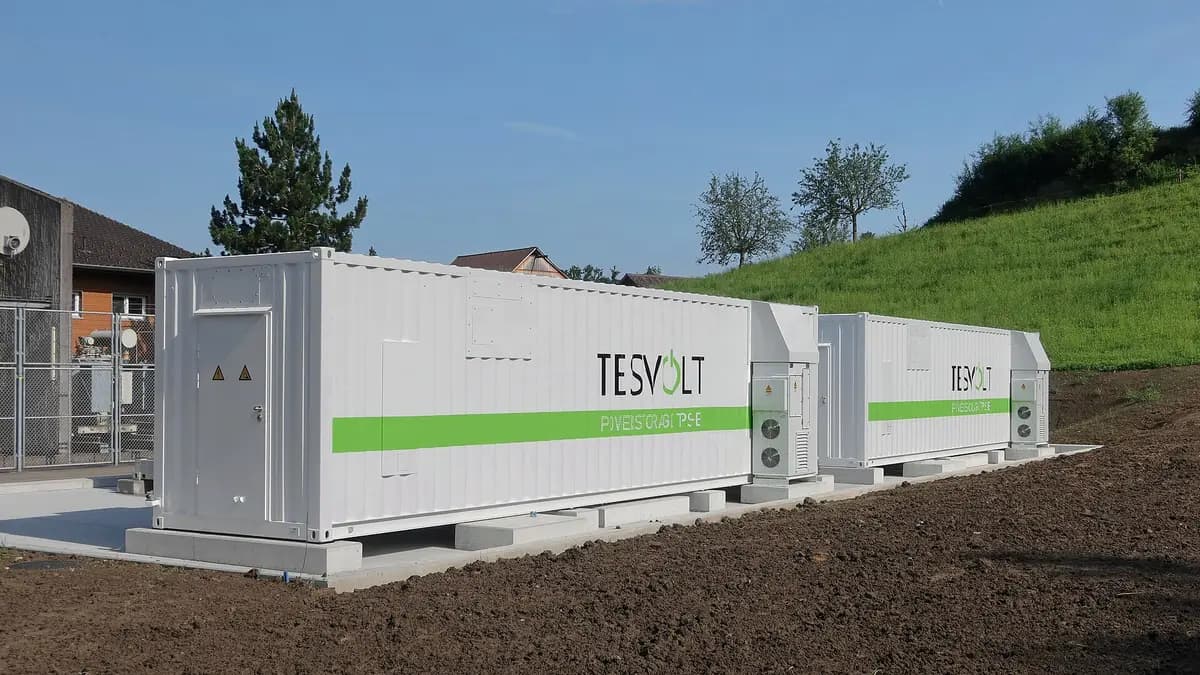
A BESS (battery energy storage system) is a set of large batteries, usually housed in containers, with their inverters and control systems. It connects to a substation and can charge or discharge within seconds, depending on what the grid needs.
The ratio between its two figures shows how long it can deliver energy: the Tineo battery, at 200 MW and 400 MWh, can deliver its maximum power for about 2 hours. That is enough to cover demand peaks or a grid contingency while the system is rebalanced.
| Tineo BESS figure | What it means |
|---|---|
| 200 MW (power) | How much energy it delivers at any moment |
| 400 MWh (energy) | How much energy it can store in total |
| ~2 hours | How long it lasts at maximum power (400 ÷ 200) |
Urgent works vs. the expansion plan
Every year, the CNE prepares a transmission expansion plan that defines the new and expansion works the system needs in the long term. That process takes several years from planning to commissioning. Necessary and urgent works under Article 91 bis are an exceptional route for when a problem cannot wait for that cycle, as in southern Chile, where demand is growing and the grid faces constraints.
| Annual expansion plan | Necessary and urgent works | |
|---|---|---|
| Frequency | Every year | When a need cannot wait |
| Time to operation | Several years | Shorter, depending on the project |
| 2026 example | New lines and substations in the plan | Tineo BESS and the Lastarria – Loncoche line |
Southern Chile is also a growth area for wind power, which needs a robust grid to avoid losing output to congestion.
Frequently asked questions
What did the CNE approve in Resolution No. 552?
The preliminary proposal of necessary and urgent transmission works for 2026: two projects in La Araucanía worth US$77.2 million.
What is the Tineo battery?
A 200 MW / 400 MWh storage system at the Tineo substation to improve supply security south of Cautín.
Who will build the Tineo project?
Transelec, according to the resolution reported by the specialized press.
Which towns benefit from the Lastarria – Loncoche line?
Loncoche, Villarrica, Pucón, Pullinque and Panguipulli.