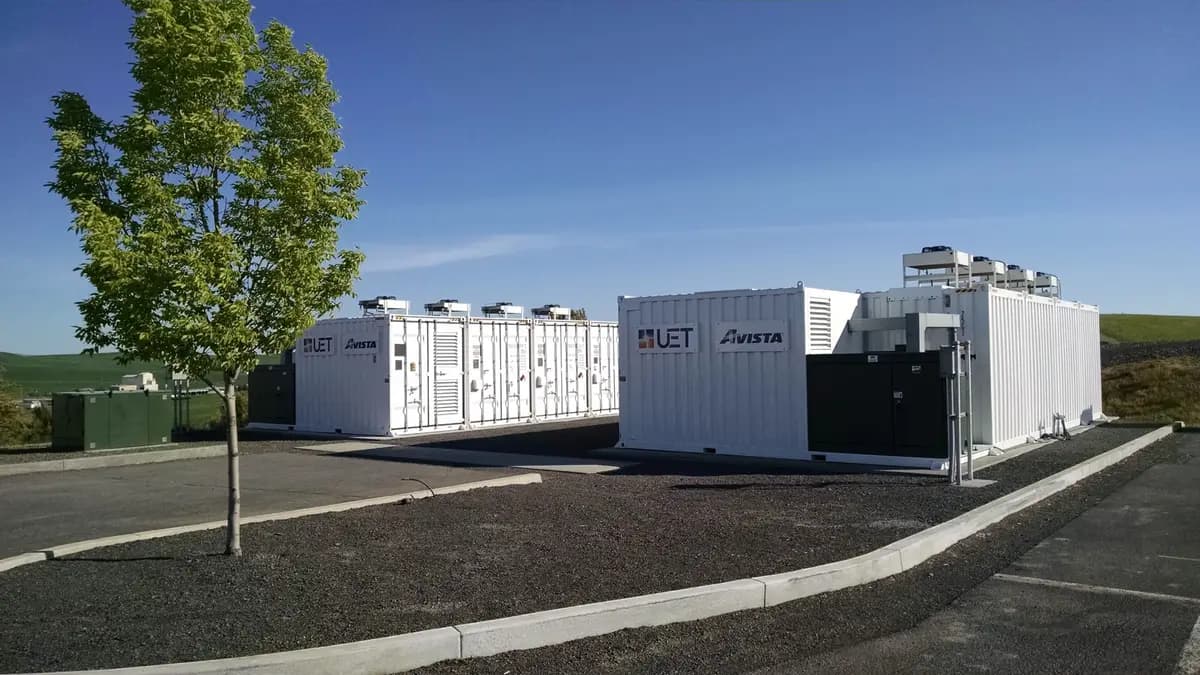
Chile ended August with 3,116 MW and 13,522 MWh of battery energy storage systems (BESS) in operation, according to the statistical bulletin of the Chilean Renewable Energy and Storage Association (ACERA), cited by GAPP. That is 98% more than the 1,575 MW the country had at the end of 2025.
Growth continues: according to a projection by the National Energy Commission (CNE), October is one of the months with the most new capacity in 2026, with about 2,937 MWh.
How much battery capacity Chile has
| Stage (August 2026, ACERA) | Power (MW) |
|---|---|
| In operation | 3,116 |
| In testing | 2,686 |
| Under construction | 5,217 |
| Environmentally approved | 18,371 |
| Under environmental review | 10,349 |
| Total pipeline | 39,739 |
Adding projects in operation, in testing and under construction, the country reaches 11,019 MW and 48,260 MWh. The total pipeline, including projects still under review, is close to 40 GW.
Figures vary by source and cut-off date. The GIE and Systep monthly report, for example, counts 2,929 MW of BESS installed as of August 31 and mentions 28 projects in testing totaling 3,183 MW and 14,860 MWh reported by the Ministry of Energy (see report).
October, a key month for storage
In May, the CNE projected that 12,978 MWh of new storage would connect between May and December 2026, according to Reporte Minero. October is one of the busiest months:
| Month of 2026 | Projected new capacity (MWh) |
|---|---|
| May | 2,584 |
| June | 3,193 |
| July | 488 |
| August | 1,617 |
| September | 1,400 |
| October | 2,937 |
| November | 107 |
| December | 653 |
With those connections, the CNE expected installed storage to exceed 20,000 MWh by the end of 2026 and 25,000 MWh by the end of 2027.
Why Chile is installing so many batteries
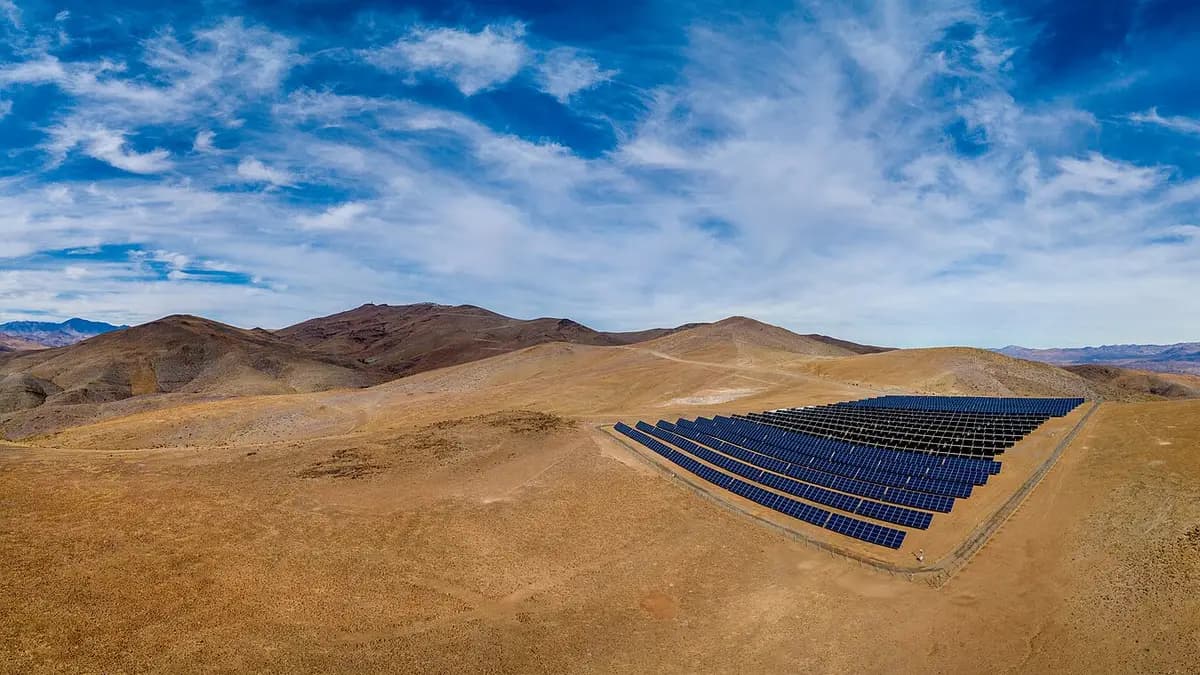
The main reason is the sun. Northern Chile produces very cheap solar power during the day, but that energy disappears at night. Without storage, part of the solar output is lost during hours of oversupply, a phenomenon known as curtailment. Batteries store midday energy and deliver it in the evening and at night, when demand rises.
- Make the most of the sun: store daytime solar energy for use at night.
- Relieve transmission: deliver energy where the grid is congested, like the battery just approved at Tineo (see the 2026 urgent transmission works).
- Provide stability: respond within milliseconds to frequency drops.
- Lower costs: reduce the use of more expensive power plants at peak hours.
What it means for households
More storage helps cheap solar energy reach more hours of the day, which over time can translate into more competitive supply tenders. The CNE is in fact preparing new tenders to cover demand from 2030, as we report in the supply report through 2029.
At home, the same logic applies to residential batteries and portable power stations. See our guide to emergency solar kits.
Does your company develop storage projects or integrate batteries? Advertise on Energía Futura.
See advertising optionsPower and energy: what the figures say
Storage has two key numbers. MW shows how much energy the system can deliver at any moment; MWh, how much energy it can store in total. Dividing one by the other gives the duration: with 3,116 MW and 13,522 MWh, Chile's operating fleet can deliver its maximum power for about 4.3 hours on average. That is exactly the duration needed to shift midday solar energy to the evening and night.
| Indicator (ACERA) | End of 2025 | August 2026 |
|---|---|---|
| In operation (MW) | 1,575 | 3,116 |
| In testing (MW) | 737 | 2,686 |
| Operation + testing (MW) | 2,312 | 5,802 |
In eight months, operating capacity almost doubled and capacity in testing more than tripled, which suggests growth will continue for the rest of 2026.
What kind of projects are being built
- Solar + battery hybrids: most of the growth, according to the CNE projection, is linked to solar plants adding batteries to sell their energy at night.
- Standalone batteries: connect directly to the grid to provide services and take advantage of price differences between hours.
- Transmission batteries: like the one at Tineo, designed to relieve grid constraints, covered in the 2026 urgent works.
The challenges of storage
- Integration into operations: the grid operator must dispatch thousands of MW of batteries alongside the rest of the system.
- Price signals: batteries earn money by buying cheap energy and selling it at higher prices; if that spread narrows, incentives change.
- Recycling: at the end of their life, batteries must be recycled or repurposed.
Frequently asked questions
How much battery storage does Chile have?
3,116 MW and 13,522 MWh in operation as of August 2026, according to ACERA.
How much did storage grow in 2026?
98% in power: from 1,575 MW at the end of 2025 to 3,116 MW in August 2026.
What is a BESS?
A battery energy storage system that stores electricity and delivers it when needed.
Why is Chile installing so many batteries?
To store daytime solar energy for use at night, relieve the transmission grid and stabilize the system.