Chile has the largest lithium reserves in the world: 9.2 million tonnes of lithium content, 25% of the global total, according to the *Mineral Commodity Summaries 2026* report from the US Geological Survey (USGS), published in February 2026. Australia follows with 8.4 million and China with 4.6 million. In total, lithium reserves in the world add up to 37 million tonnes.
In this data piece we rank reserves by country, compare them with production and identified resources, and calculate how many years each country's reserves would last at the current extraction rate.
Ranking of lithium reserves in the world by country
| Rank | Country | Lithium reserves (tonnes of lithium content) | World share |
|---|---|---|---|
| 1 | Chile | 9,200,000 | 24.9% |
| 2 | Australia | 8,400,000 | 22.7% |
| 3 | China | 4,600,000 | 12.4% |
| 4 | Argentina | 4,400,000 | 11.9% |
| 4 | United States | 4,400,000 | 11.9% |
| 6 | Canada | 1,600,000 | 4.3% |
| 7 | Brazil | 540,000 | 1.5% |
| 8 | Zimbabwe | 500,000 | 1.4% |
| 9 | Mali | 370,000 | 1.0% |
| 10 | Portugal | 60,000 | 0.2% |
| — | Other countries | 2,400,000 | 6.5% |
| World total (rounded) | 37,000,000 | 100% |
The figures are tonnes of lithium content, not lithium carbonate. To convert them to lithium carbonate equivalent, the industry multiplies by about 5.3. In this edition the USGS revised reserves for Argentina, Australia, Brazil, Canada, Chile, China, the United States and Zimbabwe based on company and government reports. For Australia, JORC-compliant reserves are 5.1 million tonnes.
Lithium reserves versus production: who extracts the most
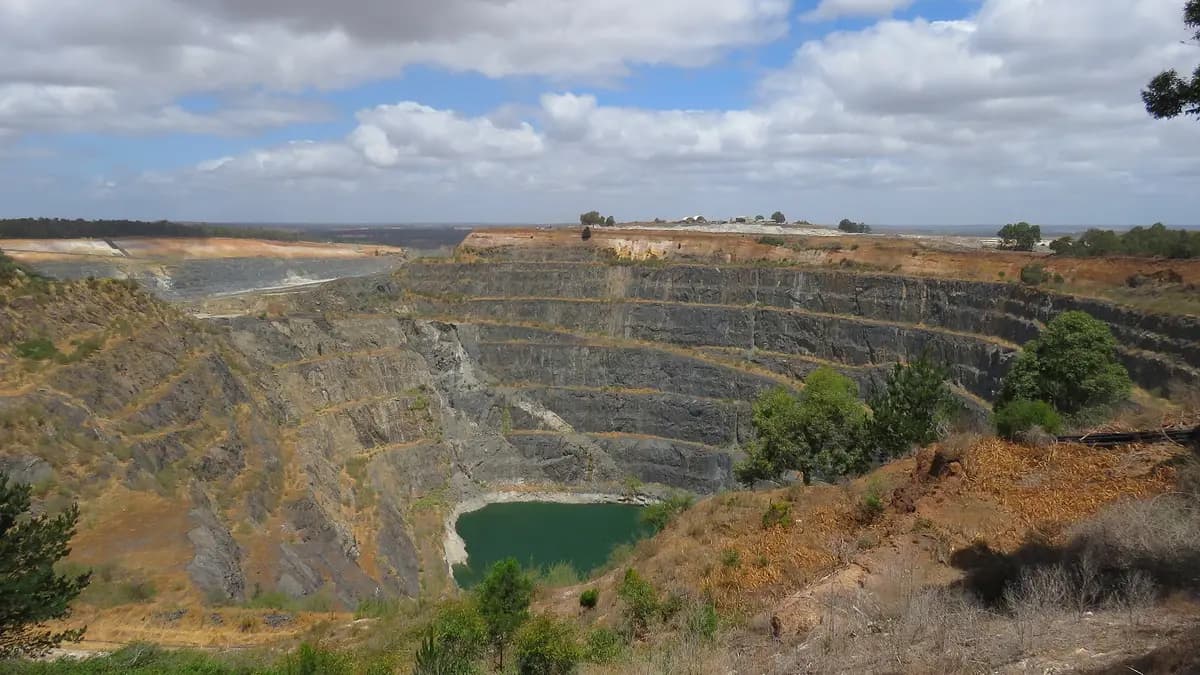
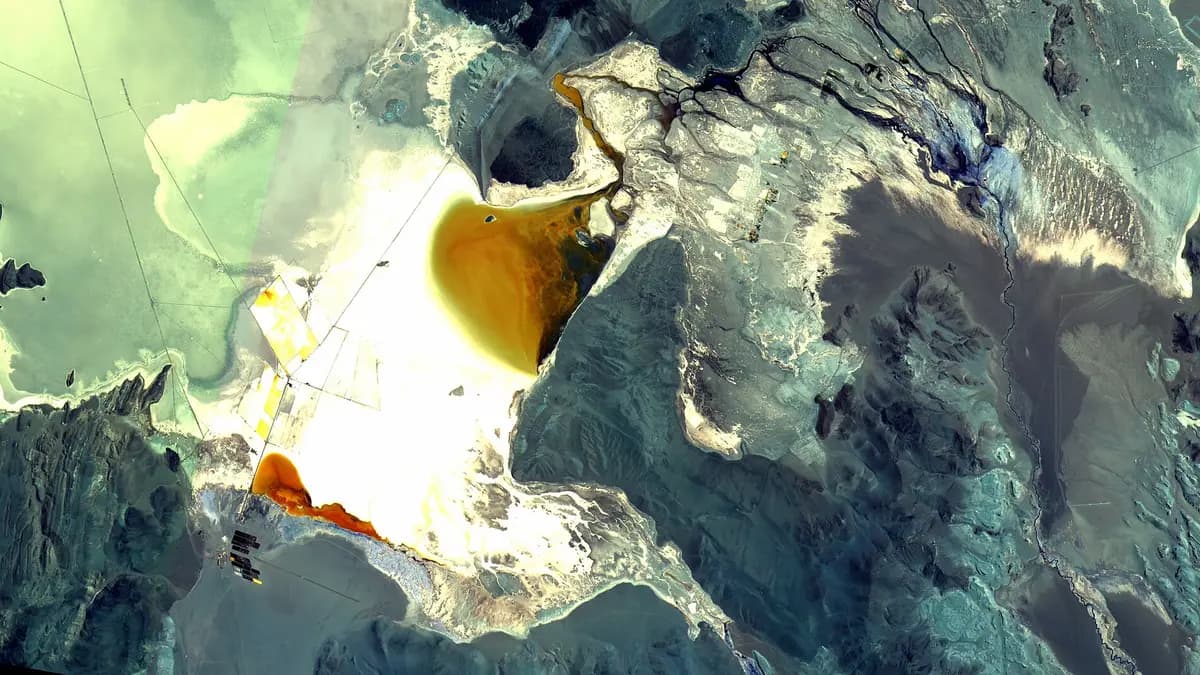
Having the largest reserves does not make a country the largest producer. Australia, which extracts lithium from hard rock (spodumene) in mines such as Greenbushes, leads production. Chile, which obtains it from Salar de Atacama brine, ranks third.
| Country | Production 2024 (t) | Estimated production 2025 (t) | Change |
|---|---|---|---|
| Australia | 82,700 | 92,000 | +11% |
| China | 41,400 | 62,000 | +50% |
| Chile | 48,900 | 56,000 | +15% |
| Zimbabwe | 20,000 | 28,000 | +40% |
| Argentina | 13,800 | 23,000 | +67% |
| Brazil | 10,200 | 12,000 | +18% |
| Mali | 770 | 9,400 | More than 12 times |
| Canada | 4,820 | 5,600 | +16% |
| World (excl. US) | 222,000 | 290,000 | +31% |
World production grew 31% in 2025, driven by battery demand and by capacity built during the years of high prices. World consumption was estimated at 263,000 tonnes, 20% more than in 2024. The United States withholds its production figure to avoid disclosing data from its only commercial operation, in Nevada.
How many years each country's lithium reserves would last
One way to read the ranking is to divide reserves by 2025 production. The result is not a depletion date, because reserves change with prices, technology and exploration, but it shows how much headroom each country has (our calculation with USGS figures):
| Country | Reserves (t) | Production 2025 (t) | Years of reserves at 2025 pace |
|---|---|---|---|
| Argentina | 4,400,000 | 23,000 | 191 years |
| Chile | 9,200,000 | 56,000 | 164 years |
| Australia | 8,400,000 | 92,000 | 91 years |
| China | 4,600,000 | 62,000 | 74 years |
| Zimbabwe | 500,000 | 28,000 | 18 years |
| World | 37,000,000 | 290,000 | 128 years |
Chile and Argentina have the most headroom. For Chile, the limit is not the size of the resource but the pace at which it can be extracted from the salt flats with an acceptable water impact.
Resources versus reserves: not the same thing
The USGS distinguishes two concepts. Reserves are the part of the resource that can be extracted economically with current technology and prices. Resources are all identified lithium, whether or not it can be mined today. World measured and indicated resources total about 150 million tonnes, four times reserves.
| Country | Identified lithium resources (million t) | Reserves (million t) |
|---|---|---|
| United States | 30 | 4.4 |
| Argentina | 28 | 4.4 |
| Bolivia | 23 | No reserves reported |
| Chile | 13 | 9.2 |
| Australia | 10 | 8.4 |
| China | 10 | 4.6 |
| Germany | 8.9 | — |
| Canada | 8.1 | 1.6 |
| Congo (Kinshasa) | 3 | — |
| Mexico | 1.7 | — |
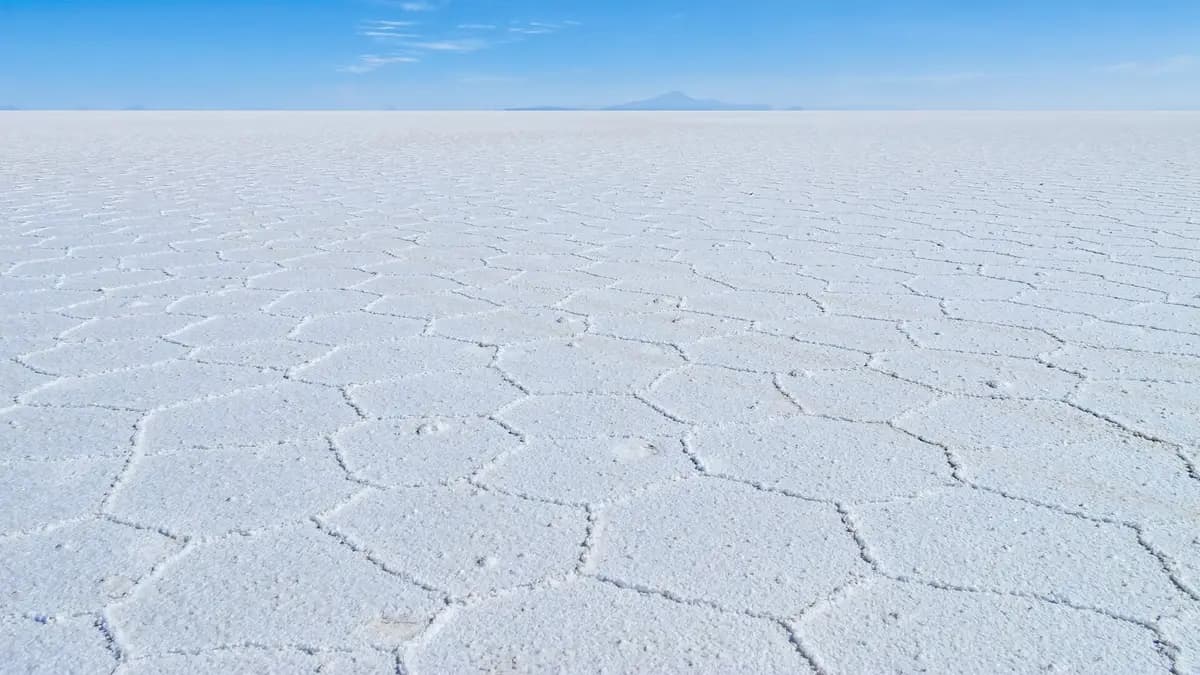
Bolivia is the most striking case: it has 23 million tonnes of resources, mainly in the Salar de Uyuni, but the USGS reports no reserves for the country, which still has small commercial production. Chile, by contrast, turns a high share of its resources (13 million) into reserves (9.2 million).
The lithium triangle and Chile's place in it
Chile, Argentina and Bolivia form the so-called lithium triangle. According to the USGS, the three together hold 13.6 million tonnes of reserves, 37% of the world total, and 64 million tonnes of resources, more than 40% of the total. The difference lies in how each country exploits its salt flats: Chile has operated in the Salar de Atacama for decades, Argentina has added several new brine operations and Bolivia still has no significant commercial production.
For Chile, lithium is already a major export business. Between January and September 2026 the country exported USD 4.745 billion of lithium, almost triple a year earlier, as we reported in Chile's lithium exports nearly triple.
What lithium is used for and what is happening to its price
The USGS estimates that 88% of lithium consumed worldwide goes into batteries. The rest is split between ceramics and glass (4%), lubricating greases (2%) and other minor uses. That is why the lithium market depends on electric cars and grid storage; in Chile alone, battery storage has already passed 3,000 MW in operation.
- US contract price (2025): USD 9,000 per tonne of lithium carbonate, 31% less than in 2024.
- Spot in China: from about USD 9,300 per tonne in January 2025 to about USD 10,300 in November.
- Spot lithium hydroxide in China: from about USD 10,300 to USD 11,200 per tonne over the same period.
- Australian spodumene (6% lithium oxide): from about USD 800 to USD 970 per tonne.
In 2026 the price kept rising: Chile's Central Bank recorded that a tonne went from about USD 9,000 to about USD 19,000 over the period analysed up to June, according to La Tercera. Alternatives such as sodium-ion batteries still hold a small share compared with lithium, and Chile's grid alone has 12,188 MW of projects waiting to connect, most of them lithium batteries.
Where lithium comes from: brine or rock
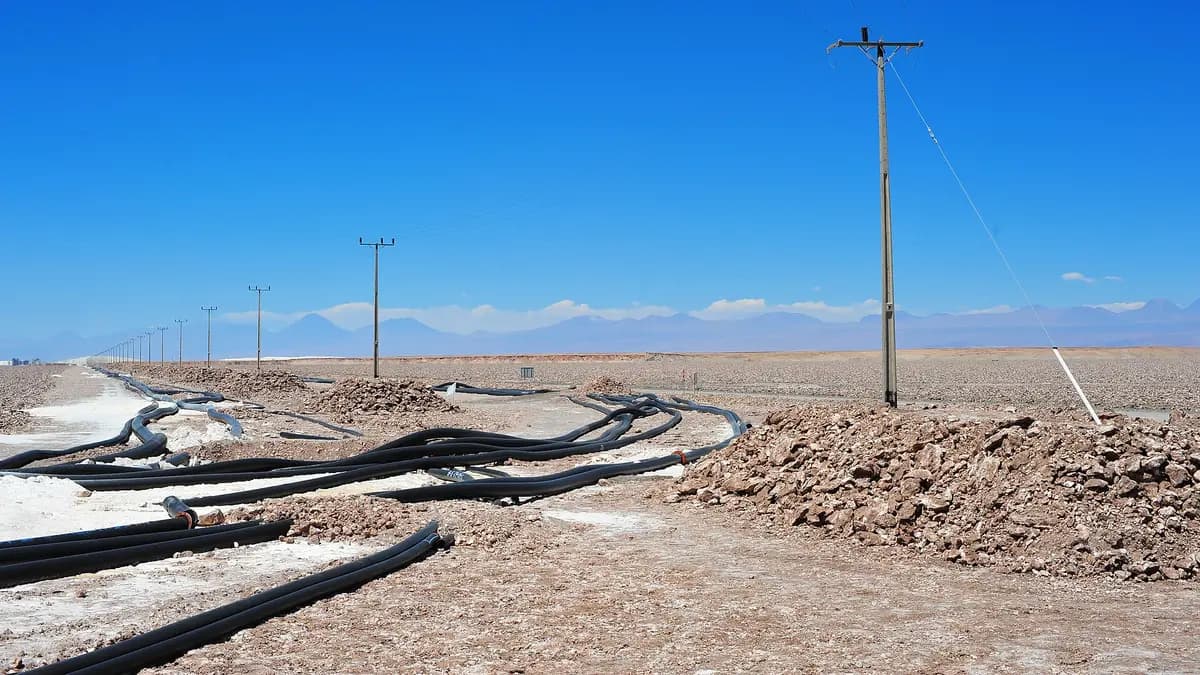
Lithium comes from two sources. In South America's salt flats, lithium-rich brine is pumped and concentrated by solar evaporation over months. In Australia, China and Africa it is mined from hard rock, mostly spodumene, in open-pit mines. The USGS details which operations accounted for most world production in 2025:
- Brine: Argentina (4 operations), Chile (2) and China (6).
- Rock or mineral: Australia (7 operations), China (9), Zimbabwe (5), Canada (2), Mali (2) and Brazil (1).
- Other sources under development: lithium clays in Mexico and the United States, and geothermal and oilfield brines in the United States.
With just two operations, both in the Salar de Atacama, Chile produced 19% of the world's lithium in 2025. It shows how concentrated the salt flat is: few, large-scale operations with low production costs compared with hard-rock mining.
Chile's weight shows in trade. The country produced 56,000 tonnes of lithium content in 2025, and between January and September 2026 its exports of lithium carbonate, sulphate and hydroxide totalled USD 4.745 billion. If Chile kept its 2025 pace, its reserves would last more than a century and a half, twice as long as China's. The challenge is not geological: it is how much lithium can be extracted from the salt flats without harming the water and ecosystems of the high plateau, and how much value is added in the country, whether through refining plants or by making battery components.
The fastest increases came from new or small producers. Mali went from 770 to 9,400 tonnes after opening two operations, and Zimbabwe grew 40%. China is also the world's main refiner: it processes imported spodumene, mostly from Australia.
Does your company work in lithium, mining or batteries? Reach Energía Futura readers.
See advertising optionsFrequently asked questions
Which country has the largest lithium reserves in the world?
Chile, with 9.2 million tonnes of lithium content, 24.9% of the world total, according to USGS 2026.
How much lithium is there in the world?
World reserves total 37 million tonnes and identified resources about 150 million tonnes.
What are Chile's lithium reserves?
9.2 million tonnes of reserves and 13 million of identified resources. In 2025 Chile produced about 56,000 tonnes.
Why is Bolivia not in the reserves ranking?
Because the USGS reports only resources for Bolivia (23 million tonnes), not reserves. Reserves are the part that can be extracted economically today, and Bolivia still has small commercial production.