Power distributors in Chile's Los Ríos Region will spend CLP 651,941,900 on prevention plans for the 2026-2027 spring and summer season, the regional Energy Secretariat and the Superintendency of Electricity and Fuels (SEC) announced, in a story published by Revista Electricidad on 21 October. The SEC said it will check that the measures are carried out on time.
The plans include preventive grid maintenance, vegetation clearing and cleaning of safety strips under the lines, the tasks that do most to reduce power cuts and the risk of fires when temperatures rise and vegetation dries out.
How much each Los Ríos power company will spend on prevention plans
Saesa, the largest distributor in southern Chile, accounts for almost three quarters of the total. Rural electricity cooperatives make up the rest:
| Distributor | Spending on prevention plans | Share |
|---|---|---|
| Saesa | CLP 466,958,700 | 71.6% |
| Cooprel | CLP 134,750,000 | 20.7% |
| Socoepa | CLP 48,564,000 | 7.4% |
| Luz Osorno | CLP 1,669,200 | 0.3% |
| Total | CLP 651,941,900 | 100% |
Source: Los Ríos Energy Secretariat and SEC, via Revista Electricidad (21 October 2026). Shares calculated by Energía Futura.
Socoepa will carry out six interventions on top of its regular maintenance in the municipalities of Los Lagos, Máfil, Paillaco, Panguipulli, La Unión and Futrono. Cooprel, which mainly serves rural areas, warned about the challenge of managing trees in its area, where they grow very close to the lines.
What the Energy Secretariat and the SEC said
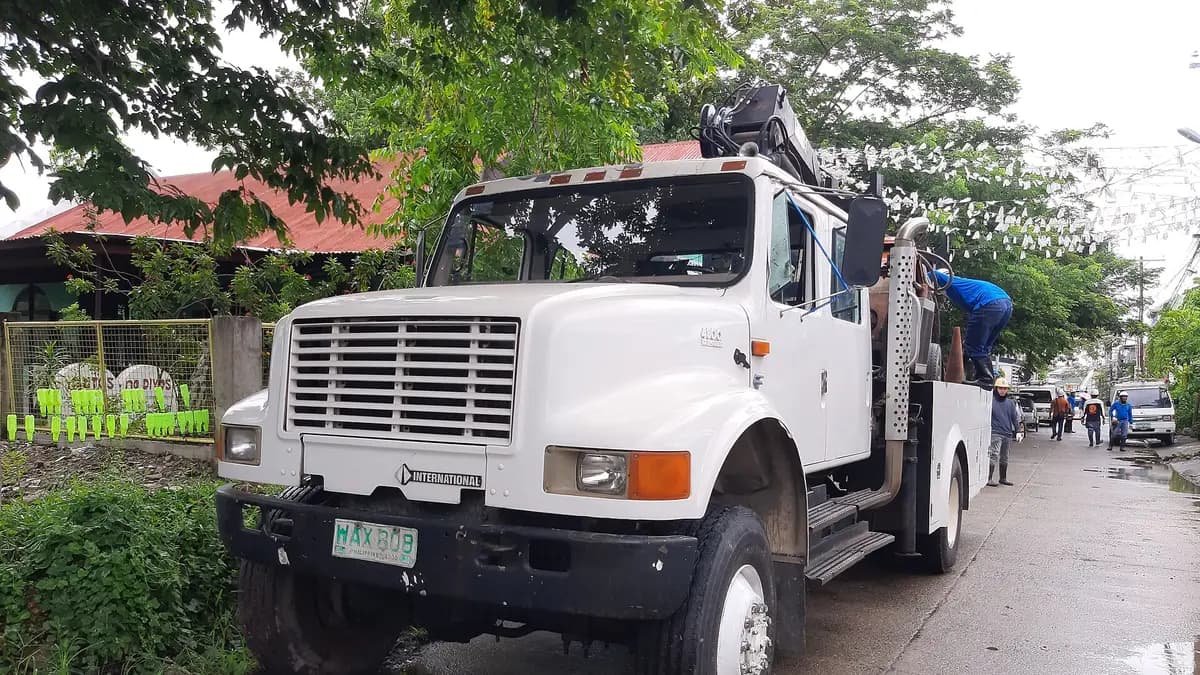
The regional Energy Secretary for Los Ríos, Juan Manuel Taladriz, focused on the countryside: “Our interest is for companies to adopt all the necessary measures in a timely manner, especially in rural areas, where a failure can have a major impact on communities”.
The SEC's regional director, Osman Obreque, recalled that “power companies are responsible for keeping their facilities in proper condition”. Authorities and companies agreed on coordinated monitoring of the plans throughout the season.
Why prevention plans matter in summer
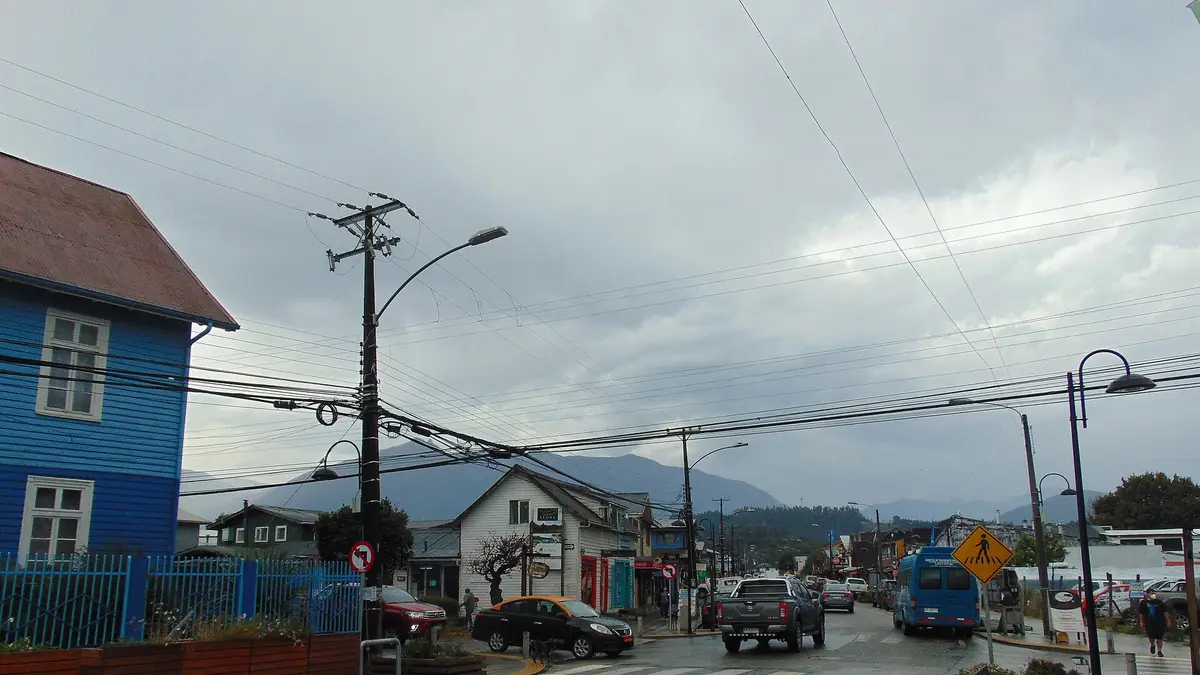
In southern Chile, much of the distribution network is overhead and runs through forest and farmland. In winter the risk is storms: trees and branches falling on cables, as happened with October's cold fronts, which left more than 127,000 customers without power nationwide at their worst hour, according to the SEC records we reviewed in our story on the cold front outages.
In summer the risk changes. With heat, wind and dry vegetation, branches touching the lines can cause faults and sparks, and forest fires can damage poles and lines. That is why trimming and clearing safety strips are done before the hot season, not during it.
| Season | Main risk to the grid | Preventive measure |
|---|---|---|
| Autumn-winter | Storms, wind and falling trees | Trimming, reinforcing poles, emergency crews |
| Spring-summer | Heat, dry vegetation and forest fires | Clearing safety strips, cleaning vegetation, equipment checks |
| All year | Faults from grid wear | Preventive maintenance of lines, transformers and service connections |
Los Ríos, a region with rising electricity bills
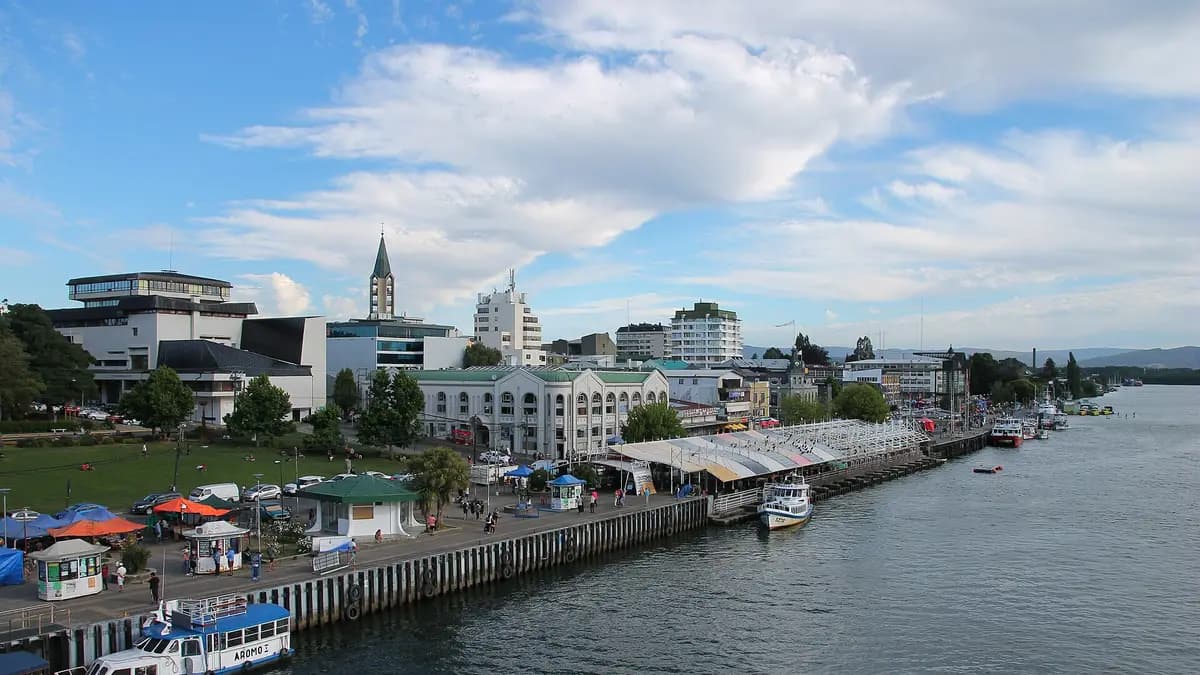
The plans come in a tough year for the region's power bills. According to the preliminary node price figures, Los Ríos would see the highest increase in the country from January 2027, 6.2%, despite a national average cut of 4.3%, as we explained in our story on power bills in Los Ríos.
Service quality is also under review nationwide: in October the National Energy Commission opened a consultation to amend the technical standard on distribution service quality, which sets the continuity standards companies must meet.
What to do if the power goes out in Los Ríos
Customers should report the outage to their distributor (Saesa, Cooprel, Socoepa or Luz Osorno) and keep the complaint number. If the company does not respond, they can complain to the SEC, which publishes online the customers without power by municipality. Long outages entitle customers to compensation; how it is calculated is explained in our guide to outage compensation.
People who depend on electrical medical equipment should be registered with their distributor, which gives them priority when power is restored. In rural areas, having torches, charged power banks and stored water helps get through a long outage.
What Los Ríos residents can do before summer
Prevention plans are the distributors' responsibility, but residents also help prevent outages. If a tree in a garden or on the pavement grows towards the cables, do not trim it yourself: contact with a live line can be fatal. The right thing is to ask the distributor to check it, because clearing the strip under the grid is part of its obligations.
Nor is it a good idea to burn waste or light fires near poles and lines, especially in the hot season. If you see a broken or fallen cable, stay away, notify the distributor and, if there is immediate danger, the fire brigade. In the countryside, a damaged pole or a branch resting on the line are signs worth reporting before they cause a fault.
At home, having the service connection and the electrical panel checked by an SEC-authorised installer reduces the risk of internal faults when fans and air conditioners are used more in summer. And keeping torches and a charged power bank at hand is still the cheapest way to get through an outage.
Does your company offer services for power grids or energy backup? Reach Energía Futura's readers.
See advertising optionsFrequently asked questions
How much will Los Ríos power companies spend on prevention plans?
CLP 651,941,900 for the 2026-2027 season: Saesa CLP 466.9 million, Cooprel CLP 134.7 million, Socoepa CLP 48.5 million and Luz Osorno CLP 1.7 million.
What do the prevention plans include?
Preventive grid maintenance, vegetation clearing and cleaning of the safety strips under the lines.
Who checks that they are carried out?
The SEC, whose regional director, Osman Obreque, said it will verify that the measures are carried out on time.
In which municipalities will Socoepa work?
Los Lagos, Máfil, Paillaco, Panguipulli, La Unión and Futrono, with six interventions on top of its regular maintenance.