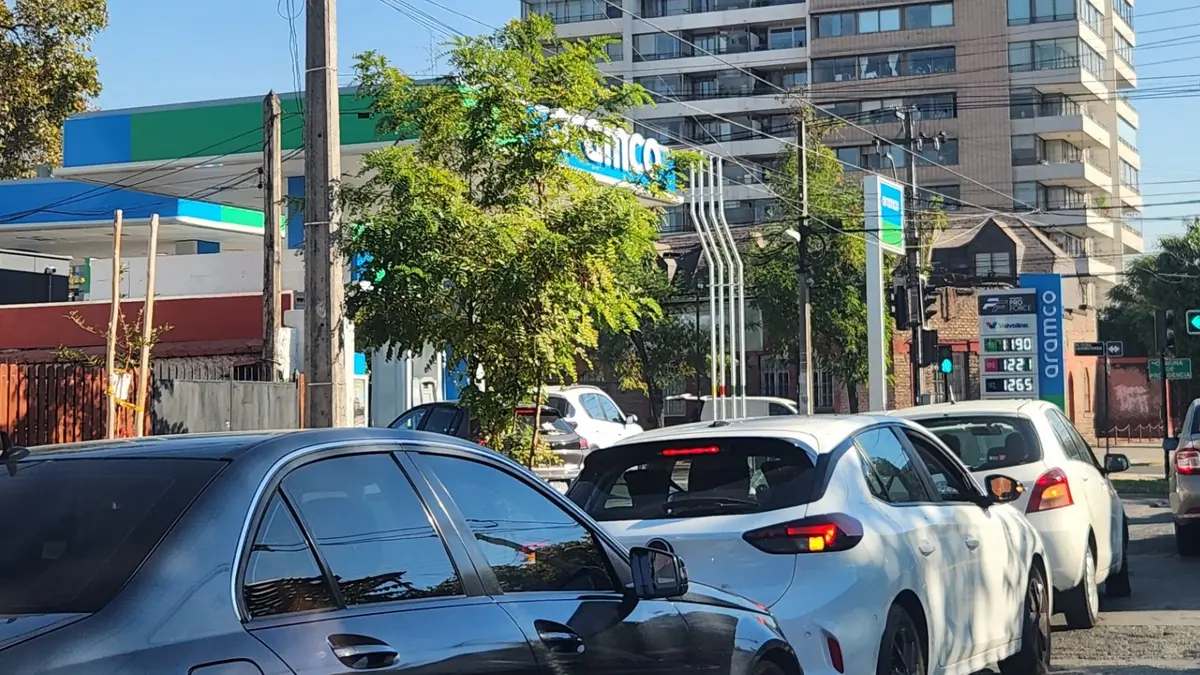
Fuel prices in Chile rise today for the fifth time in a row. The state oil company ENAP reported on Wednesday 21 October, at 17:10, that from Thursday 22 October 93- and 97-octane gasoline rise CLP 41.3 per litre, diesel CLP 91.5, household kerosene CLP 24.8 and vehicle LPG CLP 13.9, as reported by Diario Financiero and BioBioChile.
With this adjustment, diesel is up CLP 401.4 per litre since late July and gasoline CLP 183.4, according to calculations by Pauta. The diesel figure matches the economists' forecast we published on Friday in our story on the expected diesel increase: the final rise was CLP 91.5, slightly above the CLP 90 estimated.
How much fuel prices rise from today, fuel by fuel
Every Wednesday ENAP publishes a report with the estimated change in wholesale prices, which applies from Thursday. Since the 2023 reform of the fuel price stabilisation mechanism (Mepco), gasoline and diesel change every three weeks and kerosene every week. These are Thursday's changes:
| Fuel | Increase from 22 October | Previous increase (1 October) | Cumulative increase since late July |
|---|---|---|---|
| 93-octane gasoline | +CLP 41.3 per litre | +CLP 39.4 | +CLP 183.4 |
| 97-octane gasoline | +CLP 41.3 per litre | +CLP 39.4 | +CLP 183.4 |
| Diesel | +CLP 91.5 per litre | +CLP 95.0 | +CLP 401.4 |
| Household kerosene | +CLP 24.8 per litre | +CLP 281.8 (end of price freeze) | Changes weekly |
| Vehicle LPG | +CLP 13.9 per litre | +CLP 61.4 | — |
Sources: ENAP report of 21 October 2026, as reported by Diario Financiero; cumulative figures from Pauta. In its weekly adjustments, kerosene fell CLP 32.7 on 8 October and rose CLP 5.1 on 15 October.
ENAP points out in every report that it does not set final prices: distributors decide what each pump charges, based on wholesale prices. So the real increase at a given station may be slightly higher or lower than the reference change.
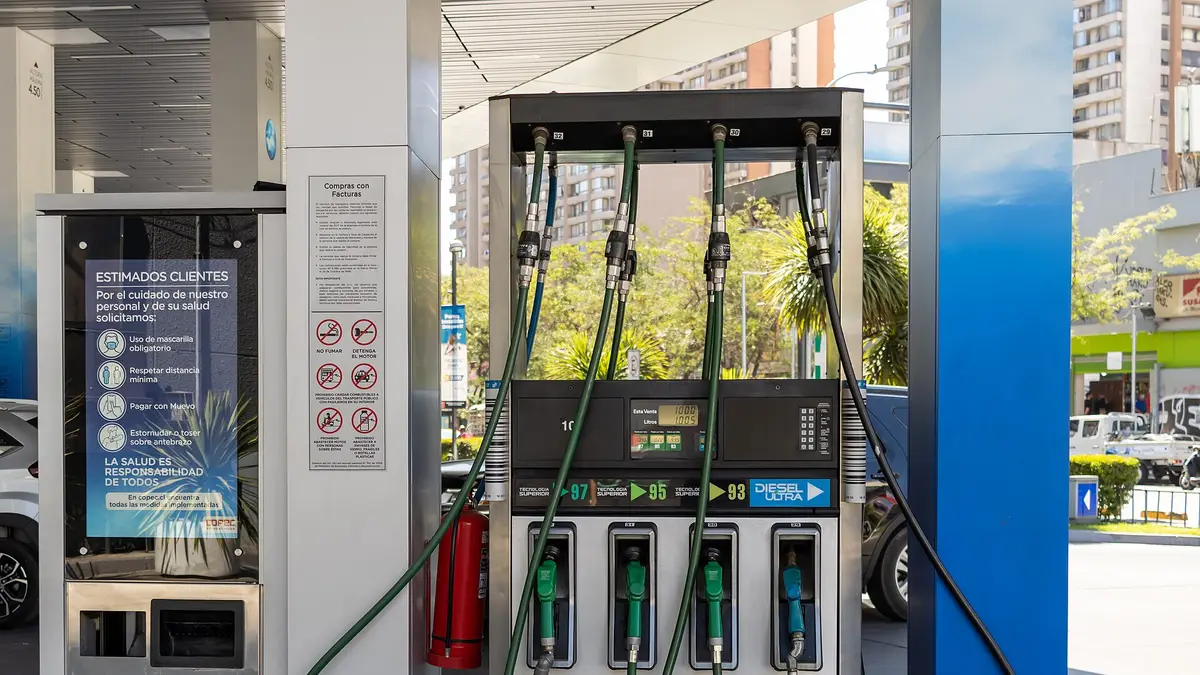
Diesel is now above its price after the March fuel shock
With the new increase, diesel reaches an estimated average of CLP 1,558 per litre in the Santiago Metropolitan Region, above the CLP 1,512 it hit after the sharp adjustment of 26 March, according to Pauta's estimates. On that day, known in Chile as the bencinazo, diesel rose CLP 580.3 per litre in one go, and 93- and 97-octane gasoline CLP 372.2 and CLP 391.5.
| Fuel | Estimated Santiago average after today's increase | Estimated average after the March shock | Difference |
|---|---|---|---|
| 93-octane gasoline | CLP 1,527 per litre | CLP 1,541 | -CLP 14 |
| 95-octane gasoline | CLP 1,554 per litre | — | — |
| 97-octane gasoline | CLP 1,620 per litre | — | — |
| Diesel | CLP 1,558 per litre | CLP 1,512 | +CLP 46 |
Source: estimated averages published by Pauta on 22 October 2026. They are estimates for the Metropolitan Region; each station's price can be checked on Bencina en Línea, the National Energy Commission's (CNE) fuel price portal.
According to El Desconcierto, diesel rose 10.2% between August and September in the consumer price index and is up 36.8% this year, adding pressure on the costs of freight, public transport and farm and mining machinery.
Why fuel prices are rising: oil, the dollar and the Mepco
Finance Minister Jorge Quiroz blamed the increases mainly on external factors: the wars in Russia and the Middle East and the destruction of refineries around the world, which made diesel more expensive than crude. According to Diario Financiero, Quiroz said the government is making “a very big effort” to keep increases gradual and that Thursday's rises are the “legal minimum possible”.
The Mepco lets domestic prices rise less than international ones, but it has a fiscal cost. Quiroz put the cost of containing prices over the past three weeks at close to US$300 million, and said the state maintains direct subsidies of about CLP 200 per litre on diesel. As long as the international price stays above the local one, the mechanism forces gradual increases until the gap closes.
The backdrop is a tight oil market. The International Energy Agency expects world oil demand to fall this year, as we explained in our story on the IEA forecast, but supply cuts and lower refining capacity are keeping distillates such as diesel expensive.
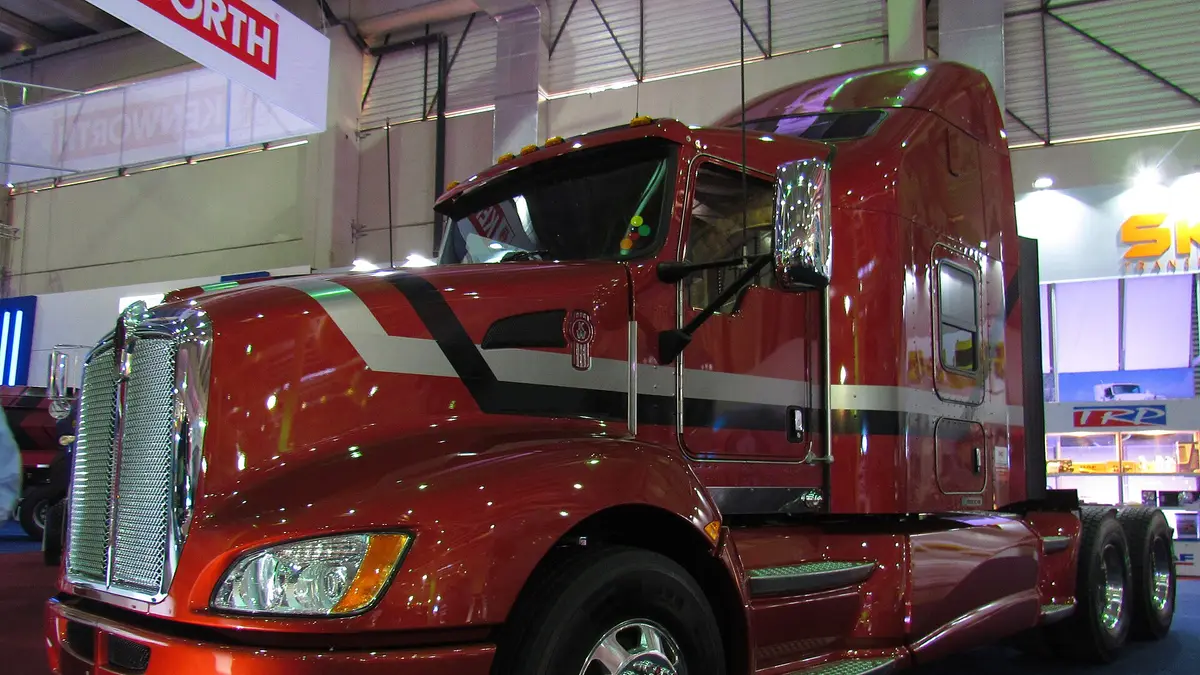
What the fuel price increase means for households, fleets and truckers
For a car that fills up with 40 litres of 93-octane gasoline a week, the CLP 41.3 increase adds about CLP 1,650 per tank, and the cumulative rise since July about CLP 7,340. For a truck that uses 1,000 litres of diesel a month, today's CLP 91.5 means CLP 91,500 more a month, and the rise since July more than CLP 400,000.
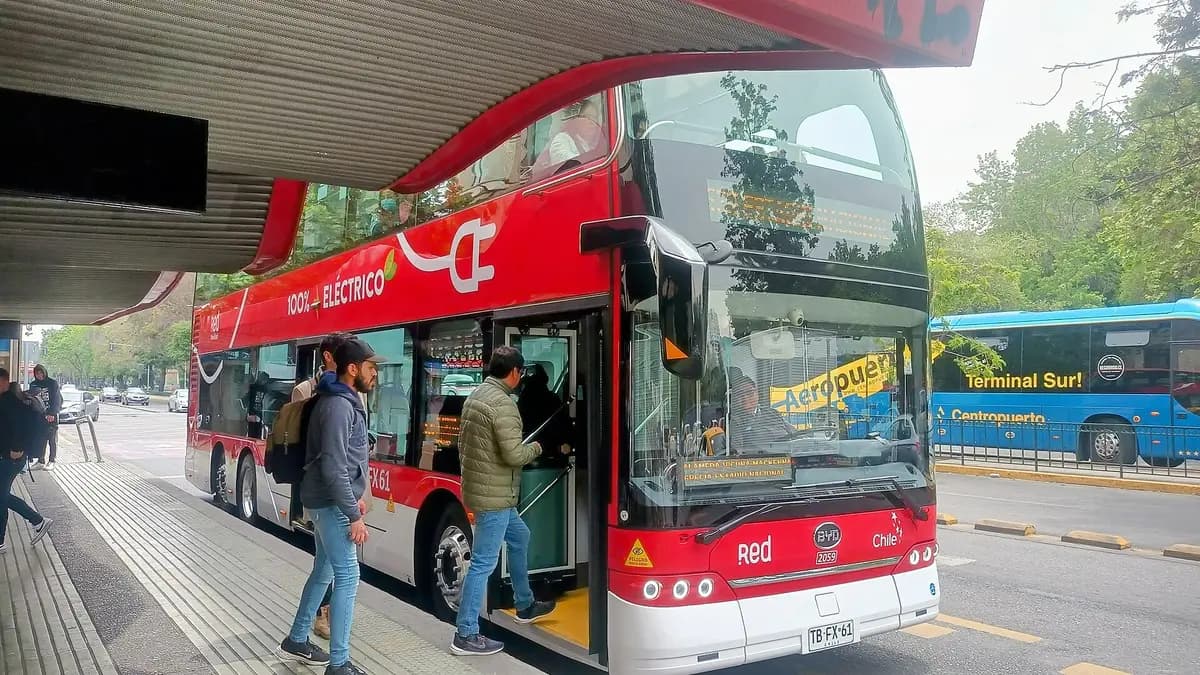
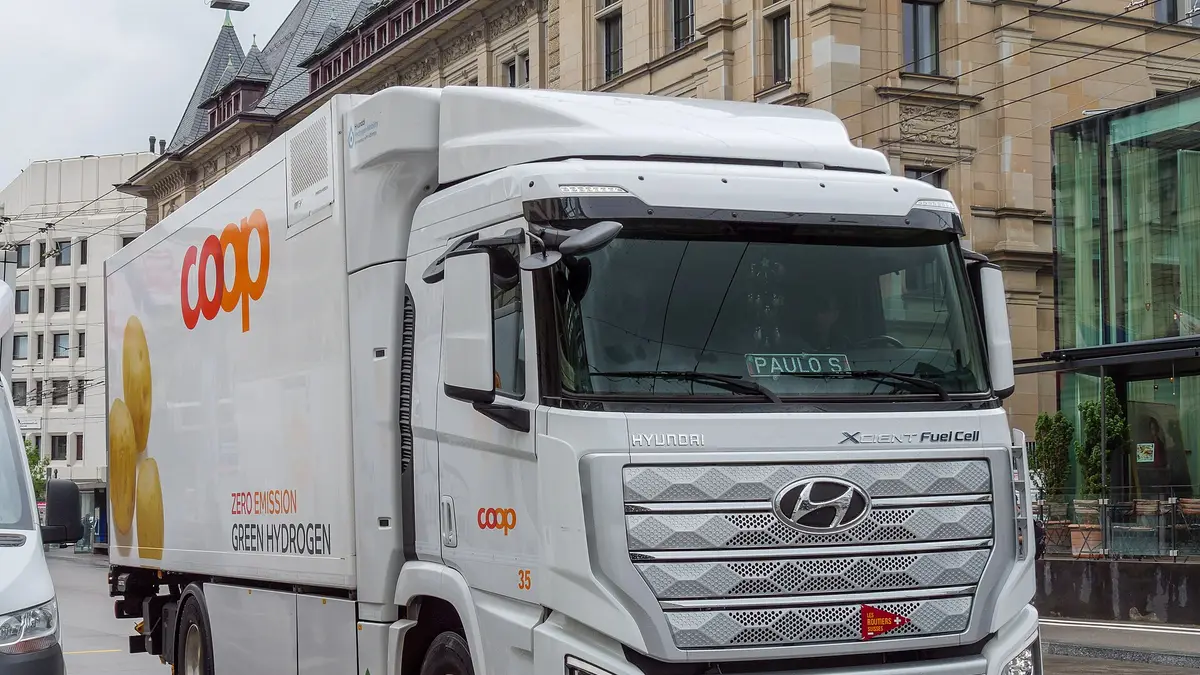
Truckers' associations called the increases “unsustainable”, according to Diario Financiero. For fleets, diesel is usually the largest variable cost, and rises of this size reopen the debate on electrifying buses, delivery trucks and light vehicles, whose cost per kilometre depends on the electricity tariff rather than oil.
For homes heated with kerosene, the CLP 24.8 per litre increase makes a 20-litre drum about CLP 500 more expensive. Consumption drops in spring, but kerosene prices change every week. Hourly costs and the most efficient models are in our guide to kerosene heaters.
| Case | Consumption | Extra cost from today's increase | Extra cost since July |
|---|---|---|---|
| Private car (93-octane gasoline) | 40 litres a week | CLP 1,652 a week | CLP 7,336 a week |
| Delivery van (diesel) | 300 litres a month | CLP 27,450 a month | CLP 120,420 a month |
| Freight truck (diesel) | 1,000 litres a month | CLP 91,500 a month | CLP 401,400 a month |
| Home with a kerosene heater | 20 litres a week | CLP 496 a week | — |
Energía Futura calculations using ENAP's 21 October changes and Pauta's cumulative figures. Consumption levels are examples; each case depends on the vehicle, route and equipment.
When is the next price adjustment
The next gasoline and diesel adjustment is expected on 12 November, according to Pauta, and its size will depend on international prices and the exchange rate. Kerosene changes again on Thursday 29 October, with the report ENAP publishes the day before.
To save in the meantime, it pays to compare prices between stations on Bencina en Línea, keep tyre pressure right and avoid harsh acceleration: in city driving, driving style visibly changes consumption. For fleets, route planning and efficient-driving training are the lowest-cost measures.
Does your company offer electric mobility or fleet efficiency solutions? Reach Energía Futura's readers.
See advertising optionsFrequently asked questions
How much do fuel prices rise from today?
93- and 97-octane gasoline rise CLP 41.3 per litre, diesel CLP 91.5, kerosene CLP 24.8 and vehicle LPG CLP 13.9, according to ENAP's report of 21 October 2026.
How many consecutive increases have there been?
Five. Since late July, diesel is up CLP 401.4 per litre and gasoline CLP 183.4.
How much does diesel cost in Santiago?
An estimated average of CLP 1,558 per litre after today's increase, more than after the March shock (CLP 1,512), according to Pauta.
When is the next price change?
Gasoline and diesel adjust again on 12 November; kerosene changes every week.