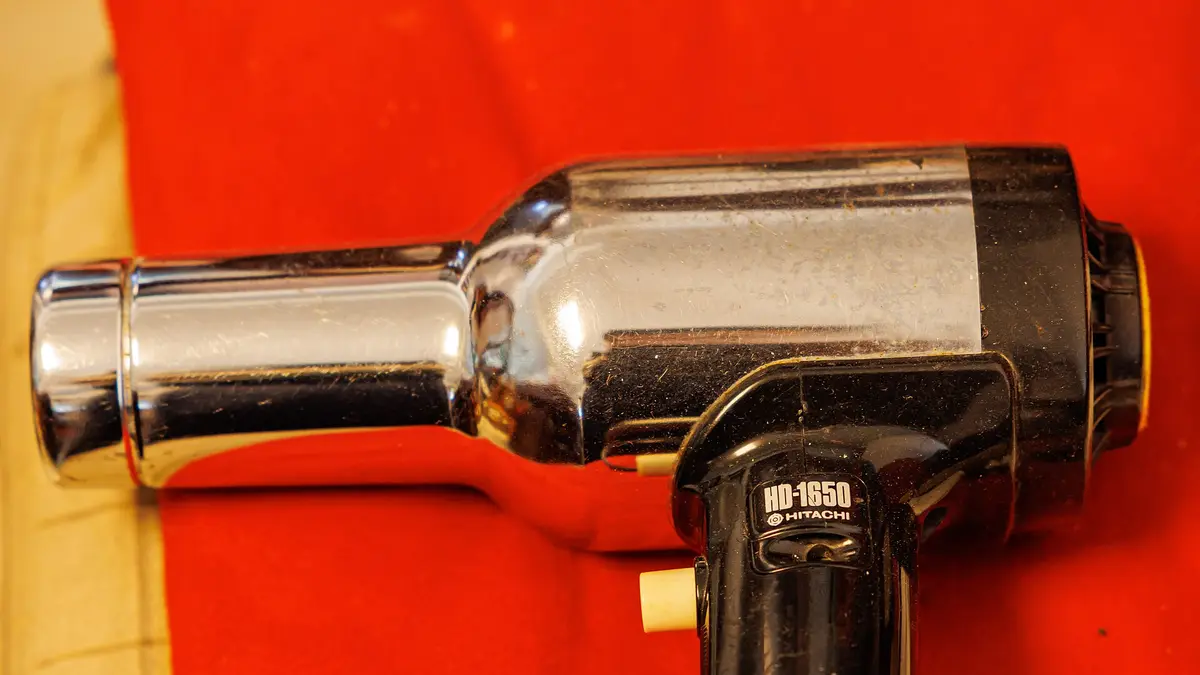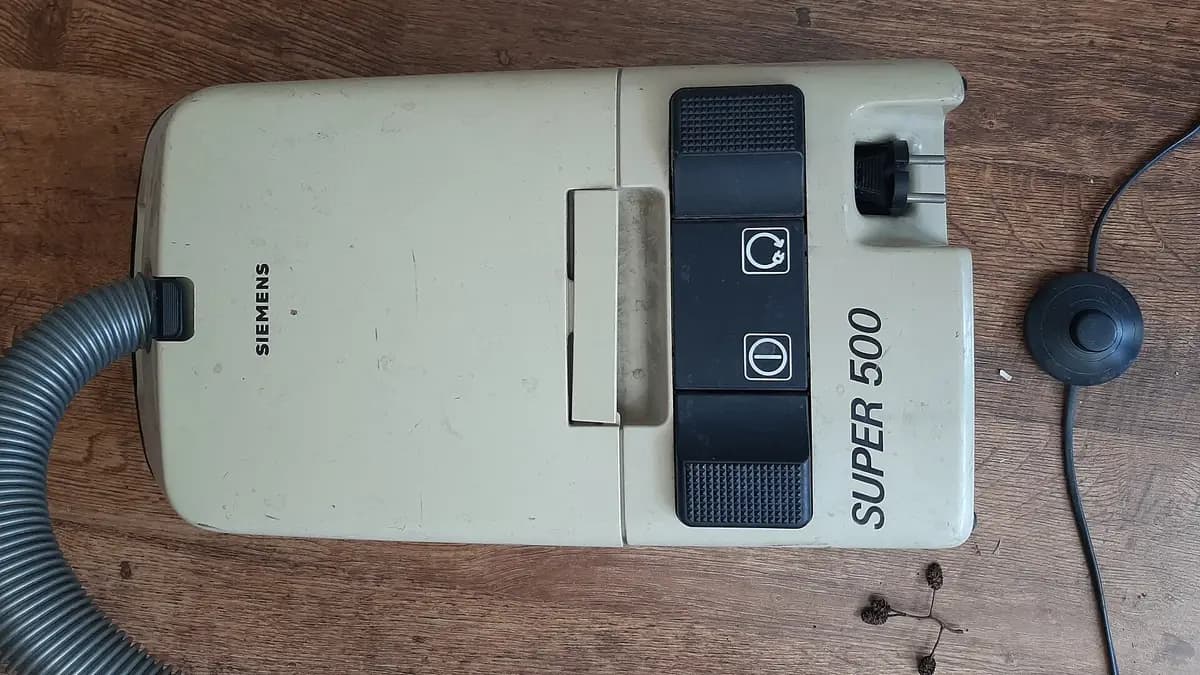
A 900 W cylinder vacuum cleaner uses 0.45 kWh in half an hour: about CLP 115 with electricity at CLP 255.27 per kWh, CGE's BT1 residential rate in Chile since October 2026. An old 2,000 W vacuum uses more than twice as much in the same time. And a robot vacuum uses about 0.1 kWh per full charge, according to Spanish utility Endesa: about CLP 26.
The 900 W is no accident: since September 2017 the European Union has banned the sale of mains vacuum cleaners above 900 W, under ecodesign regulation 666/2013. That rule changed the global market and explains why new models have fewer watts than those of ten years ago without cleaning worse. Below: how much each type uses, its monthly cost and which to choose.
How much electricity a vacuum cleaner uses by type
Consumption depends on motor power and time of use. Corded models (cylinder or upright) use power while cleaning; cordless and robot models use energy to charge their battery. The table summarises typical ranges and costs with electricity at CLP 255.27 per kWh:
| Type | Typical power or consumption | Use | Consumption | Cost per use |
|---|---|---|---|---|
| Old cylinder vacuum | 1,600 to 2,000 W | 30 minutes | 0.8 to 1.0 kWh | CLP 204 to CLP 255 |
| Current cylinder vacuum | 700 to 900 W | 30 minutes | 0.35 to 0.45 kWh | CLP 89 to CLP 115 |
| Wet and dry vacuum | 1,000 to 1,400 W | 30 minutes | 0.5 to 0.7 kWh | CLP 128 to CLP 179 |
| Robot vacuum | About 0.1 kWh per charge | One full clean | 0.1 kWh | About CLP 26 |
| Robot base on standby | 1 to 4 W | Plugged in all month | 0.7 to 2.9 kWh | CLP 184 to CLP 735 a month |
Sources: 900 W limit of EU regulation 666/2013; robot and base consumption according to Endesa, El Grupo Informático and eufy. Costs calculated by Energía Futura. Corded vacuum wattages are typical ranges; each model shows its own on the rating plate.
How much a vacuum cleaner costs per month in pesos
In a typical home, the vacuum is used a few hours a month. These are three usage patterns and their monthly cost with electricity at CLP 255.27 per kWh:
| Use | Old vacuum (2,000 W) | Current vacuum (900 W) | Robot vacuum (0.1 kWh per charge + 2 W base) |
|---|---|---|---|
| Twice a week, 30 minutes | CLP 2,188 (8.6 kWh) | CLP 985 (3.9 kWh) | CLP 586 (2.3 kWh) |
| Every other day, 30 minutes | CLP 3,829 (15 kWh) | CLP 1,723 (6.8 kWh) | CLP 750 (2.9 kWh) |
| Every day, 30 minutes | CLP 7,658 (30 kWh) | CLP 3,446 (13.5 kWh) | CLP 1,133 (4.4 kWh) |
Energía Futura calculations: a 30-day month; the robot does one clean for each use of the corded vacuum and its base draws 2 W all month (1.44 kWh). In practice robots tend to be used more often, because they clean by themselves.
Even in the worst case, the vacuum weighs little on the bill of an average home using 200 kWh a month: between 2% and 15%. The real jump is replacing an old 2,000 W machine with a current one: it uses less than half for the same use. Prices by municipality, which change these results, are in our guide to the price of a kWh in Chile.
The 900 W limit: why new models have fewer watts
For years manufacturers sold vacuum cleaners on their wattage, as if more power meant more suction. It does not: the wattage is what the motor consumes, not what it sucks. A well-designed vacuum, with better sealing, better nozzles and fewer air leaks, cleans as well or better with fewer watts.
EU ecodesign regulation 666/2013 set two stages: from September 2014, a maximum of 1,600 W, and from September 2017, a maximum of 900 W, along with annual consumption limits and cleaning requirements on carpets and hard floors. Since Europe is a large market, many brands adapted their ranges worldwide. Cordless, robot and industrial vacuums were left out of that rule.
| Stage of EU regulation 666/2013 | From | Maximum power |
|---|---|---|
| Stage 1 | 1 September 2014 | 1,600 W |
| Stage 2 | 1 September 2017 | 900 W |
Chile has no similar cap for vacuum cleaners, so models above 1,500 W are still sold. For consumption, check the figure on the rating plate: an 800 to 900 W machine from a well-known brand usually cleans as well as an old 2,000 W one, using less than half the electricity.
How much a cleaning robot really uses
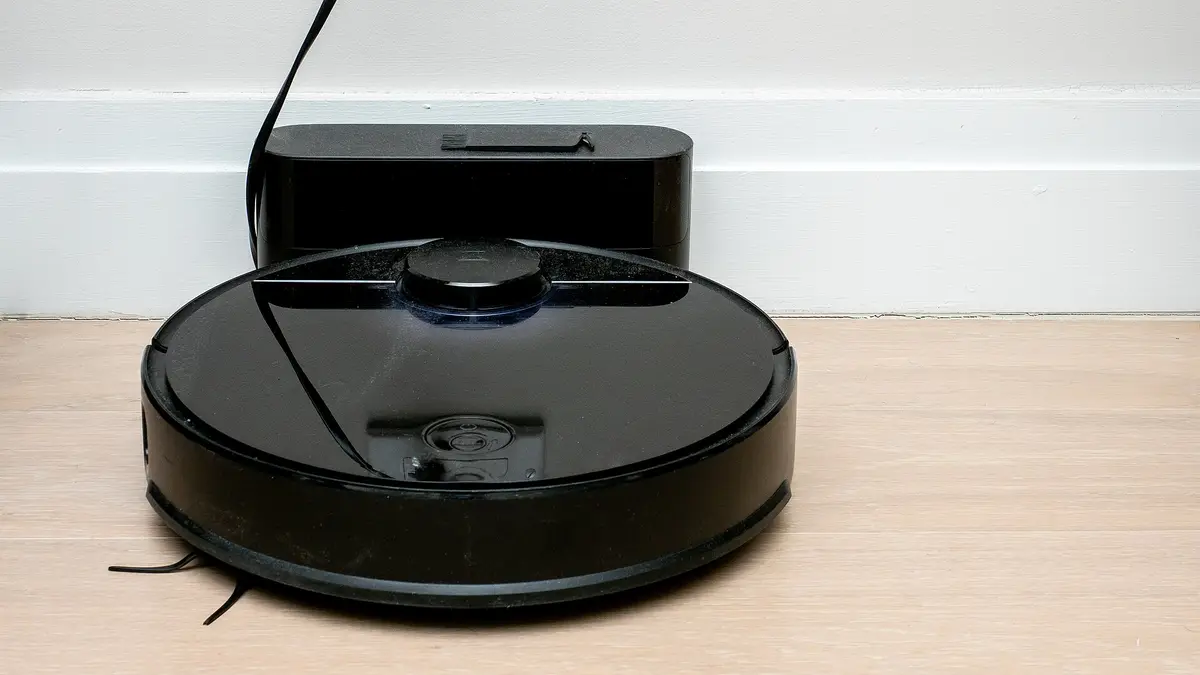
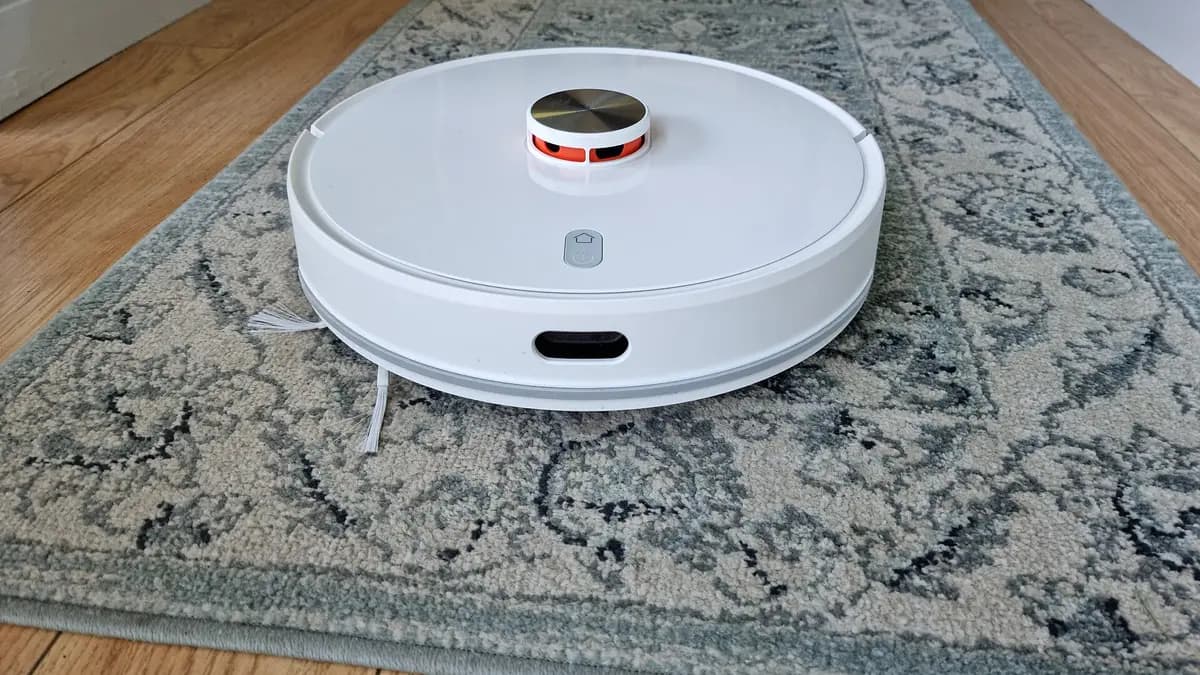
A robot has a small motor, of tens of watts, and a battery that recharges on the base. According to Endesa, a full charge is about 0.1 kWh, and a Xataka writer who measured his robot with a smart plug recorded 0.099 kWh a day with the device plugged in all day and cleaning daily. With electricity at CLP 255.27 per kWh, that is about CLP 25 a day and about CLP 760 a month.
The least visible consumption is the base. According to eufy, efficient models use less than 1 W on standby and others up to 4 W. Self-emptying bases, which suck the robot's bin into a bag, and those that wash and dry mops with hot air use more energy per cycle. If the robot is rarely used, unplugging the base when not in use saves a few hundred pesos a month.
Is a robot vacuum worth it? Pros and limits
On consumption, the robot wins: it cleans every day for less than a corded vacuum uses twice a week. But it does not fully replace a traditional vacuum:
- Pro: keeps floors clean every day without effort, useful with pets or allergies.
- Pro: uses little: about CLP 760 a month with daily cleaning.
- Limit: cannot climb stairs or clean sofas, curtains or the car.
- Limit: on deep-pile rugs and in corners it picks up less than a corded vacuum.
- Limit: costs more than a cylinder vacuum and its battery degrades over the years.
For most homes, the most practical combination is a robot for everyday cleaning and a corded or cordless vacuum for deep cleaning. In consumption terms, both add up to little next to appliances that run all day, such as the fridge, which we detail in our fridge consumption guide.
How to choose a model that uses less
- Read watts as consumption, not strength: 700 to 900 W is enough for a home.
- Prefer good filters (such as HEPA) and sealed bags or bins: fewer air leaks, more suction from the same motor.
- Empty the bin and clean the filters: a clogged filter means more passes.
- Use the right nozzle for each surface: it cleans better and faster.
- For robots, choose a low-consumption base and schedule cleans so zones are not repeated.
To compare the vacuum's cost with that of other household appliances, such as the washing machine, which adds its own cost in pesos per cycle, see our washing machine consumption guide.
And cordless vacuums
Cordless stick vacuums have powerful motors but run on batteries storing tens of Wh, so their consumption from the socket is low. If the battery is about 50 to 100 Wh and is charged every day, the monthly cost is 1.5 to 3 kWh, between CLP 380 and CLP 770, including some charger losses. Their limit is run time: on maximum suction, the battery may last only a few minutes, so for a large home a model with a removable battery or a second battery pack is worth considering.
Do you sell appliances or home cleaning equipment? Reach Energía Futura's readers.
See advertising optionsFrequently asked questions
How much electricity does a vacuum cleaner use?
A 900 W one uses 0.45 kWh in half an hour: about CLP 115 with electricity at CLP 255.27 per kWh. An old 2,000 W one, about CLP 255.
How much does a robot vacuum use?
About 0.1 kWh per full charge, about CLP 26, plus the base's standby consumption of 1 to 4 W.
Why do new vacuum cleaners have fewer watts?
Because since 2017 the European Union has limited mains vacuum cleaners to 900 W, under regulation 666/2013. More watts does not mean more suction.
Is a robot vacuum worth it to save electricity?
It uses less than a corded one, but does not fully replace it: it does not clean stairs or sofas and picks up less on thick rugs.