A 40-centimetre pedestal fan draws about 45 W. With electricity at CLP 255.27 per kWh (CGE's price in cities such as Rancagua and Concepción since October 2026), it costs about CLP 11 an hour and under CLP 2,800 a month running eight hours a day. A 12,000 BTU portable air conditioner draws about 1,350 W: roughly 30 times more.
With spring well under way and summer ahead, the fan is again the best-selling way to beat the heat. Here is how much each type uses, pedestal, tower and ceiling, what it costs in pesos, what changes with a DC motor and when it makes sense compared with air conditioning.
How much power a fan uses by type
Household fans draw about 15 to 75 W, depending on size and motor. These are spec-sheet values and measurements of real models:
| Fan type | Example | Power | Cost per hour (CLP 255.27/kWh) |
|---|---|---|---|
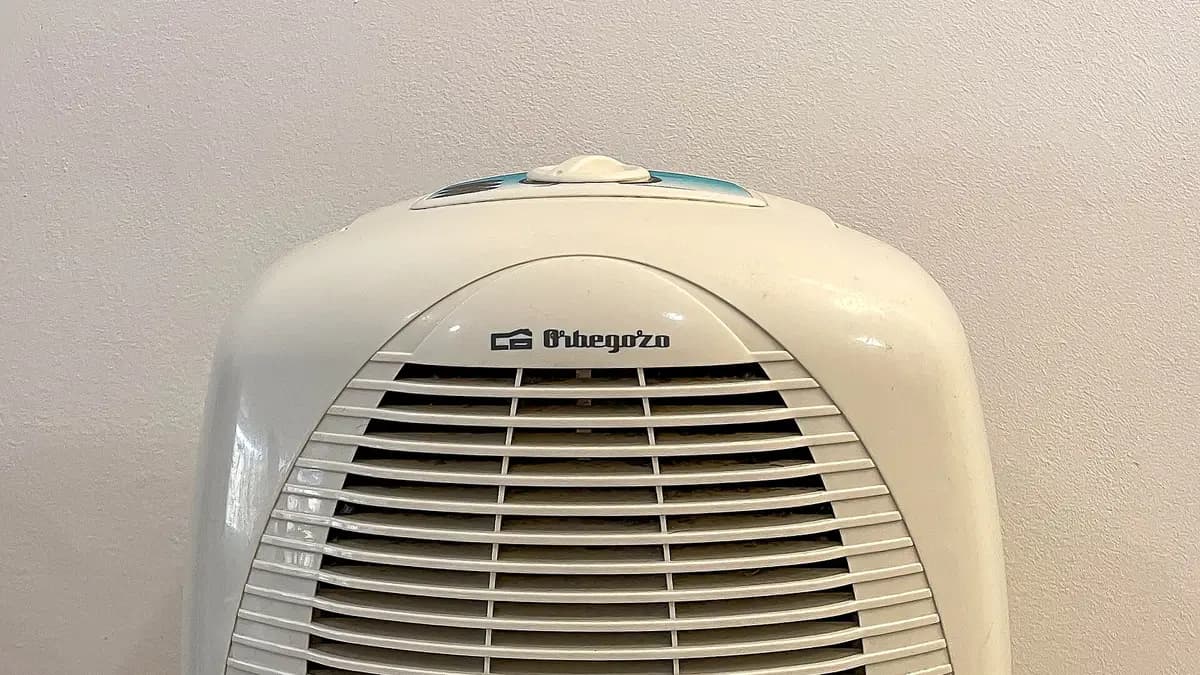
| Pedestal (40 cm, AC motor) | Orbegozo SF1040 | 45 W | CLP 11.5 |
| Tower | Cecotec EnergySilence 6090 Skyline | 45 W | CLP 11.5 |
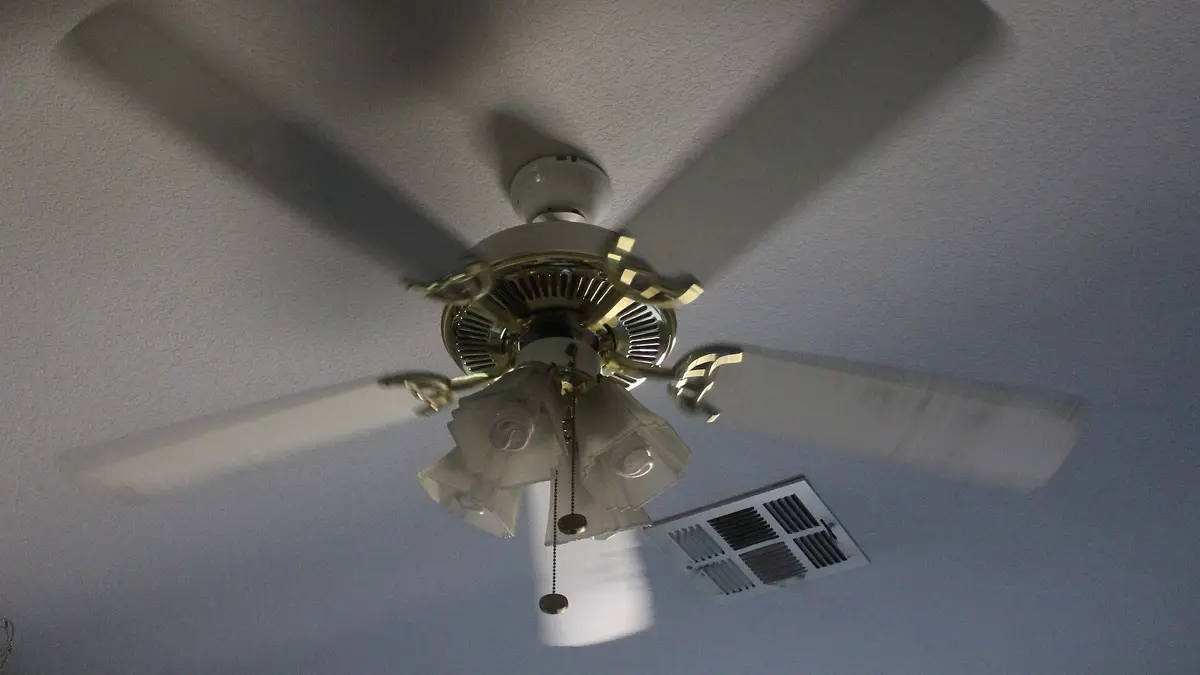
| Ceiling with traditional AC motor | Usual range | 60 to 75 W | CLP 15 to 19 |
| Ceiling with DC motor (top speed) | Cecotec EnergySilence Aero 4600 | 36 W measured | CLP 9.2 |
| Ceiling with DC motor (low speed) | Same model | 12 W measured | CLP 3.1 |
Pedestal and tower ratings come from spec sheets published by Milar and Tien21. The DC ceiling fan figures are plug-meter measurements published by La Casa Sibarita. The 60 to 75 W range for AC ceiling motors is the usual figure cited in the same review.
The spec-sheet wattage is the maximum
Fans have three or more speeds and use far less at the lowest than at the highest. The DC ceiling fan in the table drops from 36 W to 12 W at second speed: one third. If the ceiling fan has a light, its consumption adds up: a model with a 22 W LED light and a 30 W motor reaches 52 W with everything on.
Monthly running cost of a fan in pesos
This is the cost of a 30-day month at top speed. Even in the most expensive case, a fan costs little to run:
| Fan | 4 hours a day | 8 hours a day | 12 hours a day |
|---|---|---|---|
| DC ceiling (36 W) | CLP 1,100 | CLP 2,210 | CLP 3,310 |
| Pedestal or tower (45 W) | CLP 1,380 | CLP 2,760 | CLP 4,140 |
| AC ceiling (70 W) | CLP 2,140 | CLP 4,290 | CLP 6,430 |
| Portable air conditioner (1,350 W), for comparison | CLP 41,350 | CLP 82,700 | CLP 124,050 |
A pedestal fan running eight hours every night for the three summer months (90 days) costs about CLP 8,300 in electricity. A portable air conditioner used the same way exceeds CLP 248,000. The air conditioner calculations are in portable air conditioner vs. evaporative cooler.
Pedestal, tower or ceiling fan: which to choose
All three use little power. The differences are airflow, noise, space and price. At Falabella in October 2026, a 16-inch pedestal fan was listed from CLP 25,990, a tower fan from CLP 119,990 and a ceiling fan from CLP 129,990, plus installation.
| Type | Pros | Cons | Best for |
|---|---|---|---|
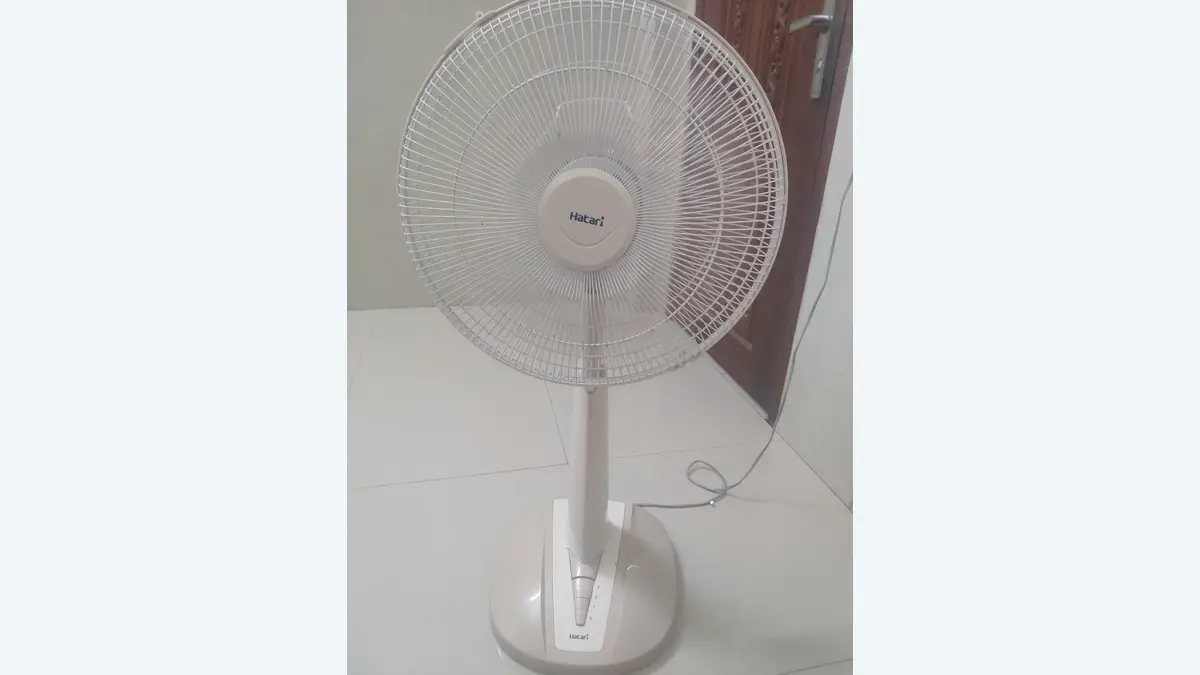
| Pedestal | Cheap, powerful, moves between rooms | Takes floor space; exposed blades | Bedrooms and living rooms on a budget |
| Tower | Slim, quiet, remote control | Less airflow than a pedestal fan of the same power | Small rooms, offices |
| Ceiling | No floor space; moves air in the whole room | Needs installation and minimum height | Living rooms and bedrooms used all summer |
| Ceiling with DC motor | About half the consumption, quieter, more speeds | More expensive | Daily, long use |
For nightly summer use, a DC-motor ceiling fan uses the least and is the most comfortable, but its higher price takes a long time to pay back: the consumption gap with a pedestal fan is only a few pesos an hour. If budget comes first, a pedestal fan does the job.
For a ceiling fan, installation matters as much as the model. The US Department of Energy recommends blades at least 2.1 metres (7 feet) above the floor and about 25 to 30 centimetres from the ceiling, for good airflow and safety. In rooms with low ceilings, a pedestal or tower fan is usually more practical.
What to look for when buying a fan
- Blade diameter: 40 cm (16 inches) is standard for a room; smaller for desks.
- Power in watts: useful to estimate cost, but it does not say how much air the fan moves.
- Airflow (m³/h): if listed, it is the best figure to compare performance.
- Noise (dB): key for bedrooms. Below 45 dB is quiet.
- Oscillation and timer: a timer stops it running all night.
What about air conditioning? When each makes sense
A fan does not cool the air: it moves it. The cooling feeling comes from moving air speeding up the evaporation of sweat from the skin. A fan left on in an empty room only uses electricity, so switch it off when you leave. An air conditioner does lower temperature and humidity, but uses around 30 times more.
The two can work together. The US Department of Energy estimates that a ceiling fan lets you raise the air conditioner thermostat by about 4 °F (around 2 °C) with no loss of comfort, according to its Energy Saver guide. Each degree higher on the thermostat reduces compressor work, which is what uses the most power.
- In moderate heat (below 30 °C) and dry air, as in Santiago, a fan is usually enough.
- In strong heat with rooms that overheat, air conditioning is more effective, and a ceiling fan helps run it less.
- At night, a fan with a timer is the cheapest way to sleep cool.
- In winter, some ceiling fans have a reverse mode that pushes down warm air trapped near the ceiling.
To see how each appliance weighs on the bill, the fan is among the lowest consumers, far below electric heaters or water heaters. Average household use is in how much electricity a house uses in Chile.
How to spend less in summer
- Switch it off when leaving the room: it cools people, not the room.
- Use the lowest comfortable speed: consumption halves or more.
- Use night air: at night, a fan facing an open window pushes hot air out.
- Close curtains during direct sun so the room does not heat up.
- Clean the blades: dust reduces airflow.
How to calculate your fan's cost from your bill
Find the motor's wattage on its label. Multiply it by hours of use per month and divide by 1,000 to get kWh. Then multiply by the kWh price on your bill. A 45 W fan used six hours a day for 30 days uses 8.1 kWh: about CLP 2,070 at CLP 255.27 per kWh. Your district's price may differ: check the price per kWh by city. The figures for a split unit are in how much electricity an air conditioner uses.
What about water fans or evaporative coolers?
So-called “water fans” are evaporative coolers: they pass air through a wet pad to lower its temperature by a few degrees. They draw 50 to 75 W, almost the same as a fan, but only work well in dry climates and raise room humidity. On humid days they do little.
Do you sell fans, air conditioning or efficient appliances? Reach Energía Futura's readers.
See advertising optionsFrequently asked questions
How many watts does a fan use?
Between 15 and 75 W. A typical pedestal or tower fan uses about 45 W; an AC-motor ceiling fan, 60 to 75 W.
How much does it cost to run a fan all night?
About CLP 92 for eight hours with a 45 W fan at CLP 255.27 per kWh: under CLP 2,800 a month.
Which uses less, a fan or an air conditioner?
The fan, by far: a 12,000 BTU portable unit uses about 30 times more.
Which fan uses the least power?
DC-motor fans, especially ceiling ones, which use about half as much as AC-motor fans and even less at low speed.