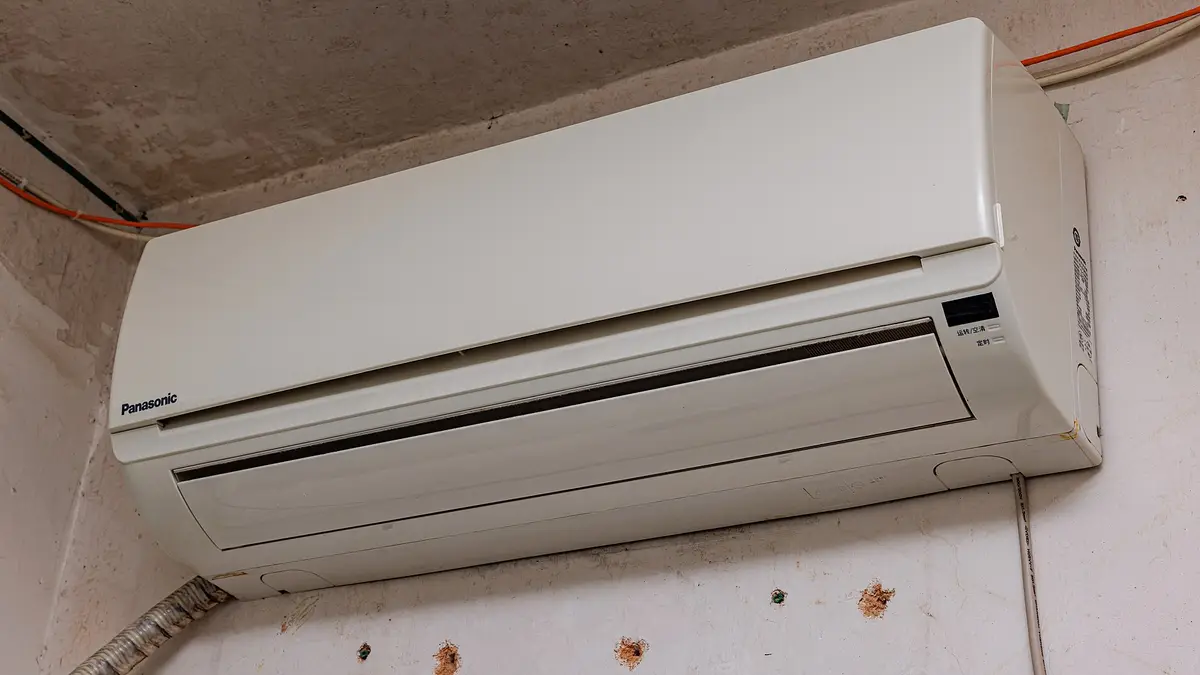
A 12,000 BTU air conditioner draws about 1.1 kW of electricity when running at full power in cooling mode. With residential electricity at around CLP 255 per kWh (the first-tier price in cities such as Rancagua or Concepción, according to CGE's October 2026 tariff sheet), that comes to about CLP 280 per hour. Used eight hours a day for a month, the cost can reach around CLP 67,000.
Actual consumption is usually lower, especially with inverter units. Here is how to calculate it for your unit and your city.
BTU is not consumption: the difference that confuses everyone
BTU measures the unit's cooling capacity, not the electricity it uses. A 12,000 BTU unit delivers about 3.5 kW of cooling but consumes much less electricity to do it. The ratio between the two is called EER (or SEER for the seasonal version): the higher, the more efficient.
An example with real units sold in Chile:
| 12,000 BTU unit | Power draw (cooling) | Power draw (heating) | Efficiency |
|---|---|---|---|
| S&P inverter split (spec sheet) | 1,090 W | 970 W | EER 3.21 W/W, class A |
| Khöne inverter split (spec sheet) | 1.1 kW | 0.97 kW | Class A |
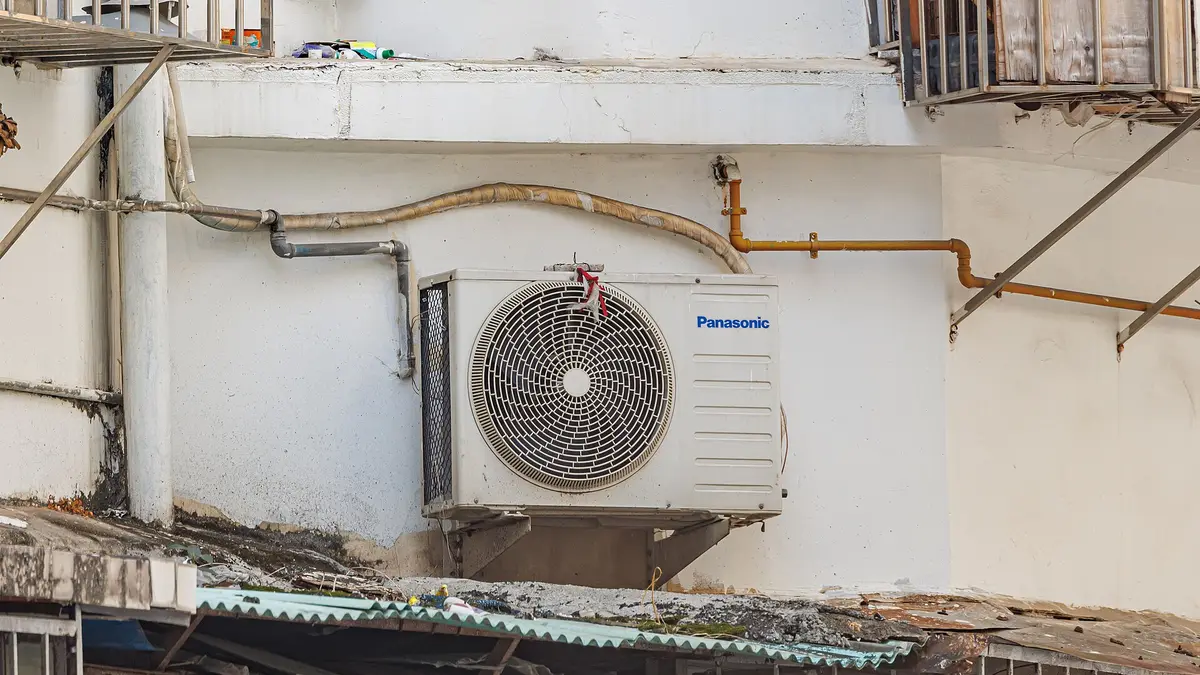
How much an air conditioner uses by size
With efficiency similar to the units above (EER of 3.2), this is the approximate full-power draw and its cost at CLP 255 per kWh. These are estimates: each model has its own spec sheet.
| Capacity | Typical room size | Full-power draw | Cost per hour | Cost per 8 hours |
|---|---|---|---|---|
| 9,000 BTU | Up to ~20 m² | ~0.82 kW | ~CLP 210 | ~CLP 1,680 |
| 12,000 BTU | ~20 to 30 m² | ~1.1 kW | ~CLP 280 | ~CLP 2,240 |
| 18,000 BTU | ~30 to 45 m² | ~1.64 kW | ~CLP 420 | ~CLP 3,350 |
| 24,000 BTU | ~45 to 60 m² | ~2.19 kW | ~CLP 560 | ~CLP 4,470 |
The recommended room size depends on insulation, orientation and ceiling height. A unit that is too small always runs at maximum and uses more; one that is too large cycles on and off constantly.
Monthly cost: how much it adds to your bill
| Daily use of a 12,000 BTU unit | kWh per month (full power) | Cost at CLP 241/kWh | Cost at CLP 286/kWh |
|---|---|---|---|
| 2 hours | ~66 kWh | ~CLP 15,900 | ~CLP 18,900 |
| 4 hours | ~132 kWh | ~CLP 31,800 | ~CLP 37,700 |
| 8 hours | ~263 kWh | ~CLP 63,400 | ~CLP 75,200 |
The price per kWh varies between cities: from CLP 240.83 in Talagante to CLP 285.56 in Los Ángeles in CGE areas, as we show in the price of electricity per kWh by city. And if air conditioning pushes your monthly consumption above 350 kWh, some per-kWh charges go up.
Inverter or conventional: how much you save
A conventional (on/off) unit runs the compressor at full power and switches it off when the room reaches the set temperature. An inverter unit adjusts the compressor speed: after starting up, it lowers its power and keeps it steady. That is why, in daily use, an inverter clearly uses less than its rated power, although how much depends on each home. The tables above, calculated at full power, are the most expensive scenario.
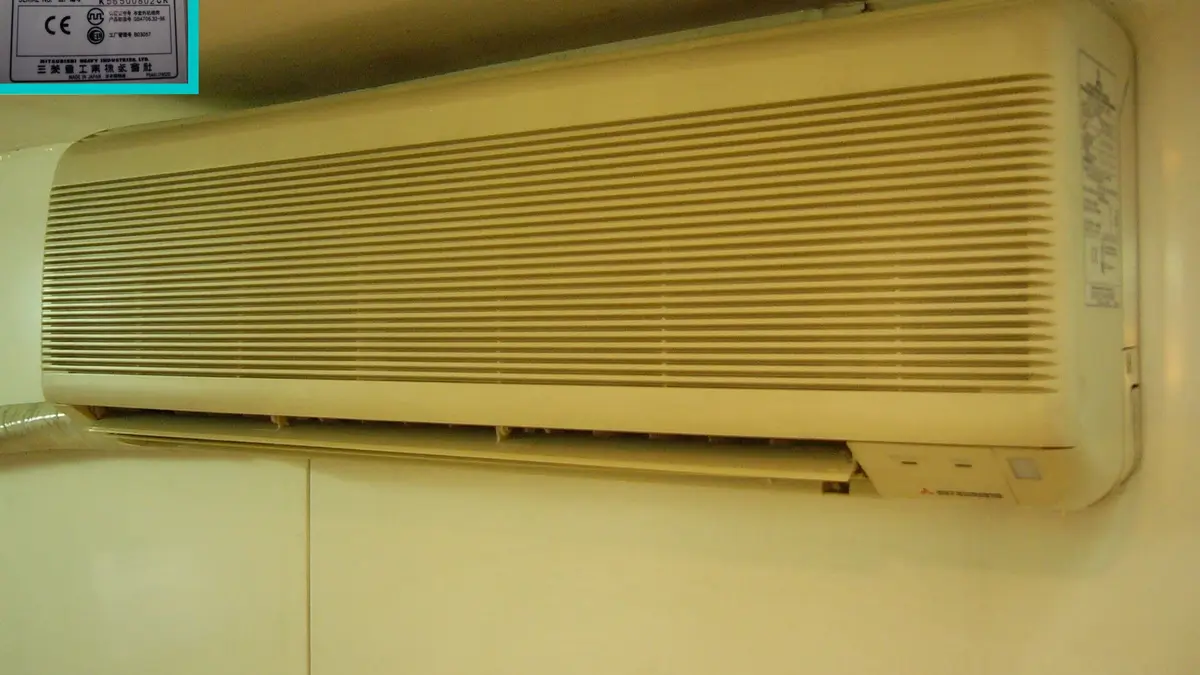
Air conditioning as heating
Many split units also work as a heat pump, and that is one of their best uses. The 12,000 BTU split in the example draws about 970 W in heating mode to deliver roughly 3.5 kW of heat. A traditional 2,000 W electric heater, by contrast, delivers 2 kW of heat by drawing 2 kW of electricity. In other words, for every peso of electricity, the heat pump delivers several times more heat.
| Appliance | Power draw | Heat delivered (approx.) | Cost per hour at CLP 255/kWh |
|---|---|---|---|
| 12,000 BTU split in heating mode | ~0.97 kW | ~3.5 kW | ~CLP 250 |
| 2,000 W electric heater | 2 kW | 2 kW | ~CLP 510 |
10 ways to spend less on air conditioning
- Set 24 °C in summer: every degree lower increases consumption.
- Close doors and windows while it runs.
- Use curtains to block direct sun.
- Clean the filters every month during the season.
- Choose inverter and class A when buying.
- Size the unit correctly for the room.
- Check the energy label to compare consumption.
- Use the timer so it does not run with no one home.
- Combine it with a fan to feel cooler with less power.
- Check the outdoor unit: it needs ventilation and shade.
If you are thinking about generating part of that energy yourself, see what a home solar kit includes.
Do you sell efficient heating and cooling equipment? Reach homes that want to save on Energía Futura.
See advertising optionsHow much a summer season costs
If you run a 12,000 BTU unit four hours a day for the three summer months (about 90 days), full-power consumption would be about 395 kWh. At CLP 255 per kWh, that is about CLP 100,700 for the season. With an inverter that spends much of the time below its maximum power, the figure is lower.
| Scenario (12,000 BTU, 90 days) | kWh for the season | Cost at CLP 255/kWh |
|---|---|---|
| 2 hours a day | ~197 kWh | ~CLP 50,300 |
| 4 hours a day | ~395 kWh | ~CLP 100,700 |
| 8 hours a day | ~789 kWh | ~CLP 201,300 |
Portable or split air conditioner
Portable units (the ones with a hose going out the window) are cheaper to buy and need no installation, but they are usually less efficient than a split unit of the same capacity: some heat returns to the room, and the hot air they expel draws warmer air in from outside. If you will use the unit many hours, an inverter split usually offsets its higher price with lower consumption.
With solar panels, air conditioning costs less
Air conditioning is used most precisely when there is the most sun: on summer afternoons. That makes it one of the loads that best matches solar generation. A home with panels can cover part of the unit's consumption with its own energy instead of buying it from the grid. We explain how in what a home solar kit includes.
Frequently asked questions
How much electricity does a 12,000 BTU air conditioner use?
About 1.1 kW at full power in cooling mode, according to the spec sheets of class A inverter units sold in Chile.
How much does it cost to run an air conditioner per hour?
A 12,000 BTU unit costs about CLP 280 per hour at full power, at CLP 255 per kWh. An inverter in normal use usually costs less.
How many watts does an air conditioner use?
It depends on size: from about 820 W for a 9,000 BTU unit to about 2,190 W for a 24,000 BTU unit, at full power.
Is it cheaper to heat with air conditioning or an electric heater?
With air conditioning in heat pump mode: it delivers several times more heat per kWh than a traditional electric heater.