Certified renewable energy in Chile reached 23,033 GWh in 2025, 5.5% more than the 21,835 GWh of 2024, according to the annual report of Renova, the traceability platform of Chile’s National Electricity Coordinator, reported by Electrominería on 23 October 2026. Mining accounted for 19,214 GWh, or 83.4% of the total.
The number of companies certifying the renewable origin of their electricity grew faster than the energy itself: it rose from 248 to 376, an increase of 51.6%. And 249 of 364 consuming companies have 100% of their supply certified as zero-emission.
What Renova is and how renewable energy is certified
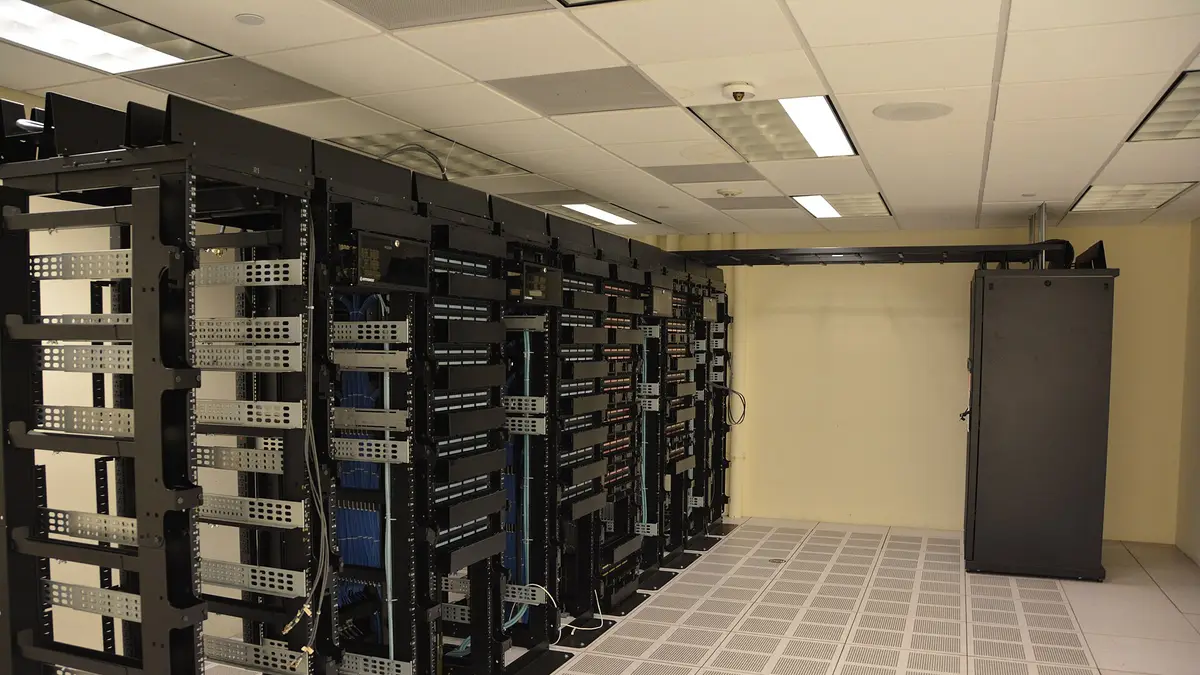
On a power grid, electrons from a solar plant and from a coal plant mix: nobody can tell which plant the energy reaching a socket comes from. That is why, for a company to be able to say it uses renewable energy, the generation of each renewable plant is recorded and assigned to the consumers who bought it under contract. That record is what Renova does: it is the platform of Chile’s National Electricity Coordinator that traces renewable energy using digital registry technology.
Companies use that certification to report their scope 2 emissions (those that come from the electricity they buy), and to meet environmental commitments and customer requirements. In copper and lithium mining, the carbon footprint of the product carries increasing weight in contracts with buyers in Europe and Asia.
To put it in context: in September 2026, non-conventional renewable energy (solar, wind, small hydro, biomass and geothermal) generated 46.2% of the system’s electricity, and 42.9% so far this year, according to ACERA’s September bulletin. Conventional hydroelectric generation comes on top of that. With so much clean energy on the grid, the challenge for companies is no longer finding a renewable supplier, but proving that the energy they buy really is renewable.
Certification also has commercial effects: a contract with traced renewable energy allows a mining company or an exporter to show its buyers the origin of the electricity used at each stage of the process, a requirement that recurs in the supply chains for batteries and electric cars.
Certified renewable energy, year by year
Since 2020, the energy traced in Renova has grown by about 466%, and the number of companies has multiplied by 25:
| Year | Renewable energy traced (GWh) | Participating companies |
|---|---|---|
| 2020 | 4,067 | 15 |
| 2021 | 7,812 | 70 |
| 2022 | 11,874 | 177 |
| 2023 | 19,991 | 203 |
| 2024 | 21,835 | 248 |
| 2025 | 23,033 | 376 |
Source: 2025 annual report of the Renova platform of Chile’s National Electricity Coordinator, as reported by Electrominería (23 October 2026).
The big jump came between 2022 and 2023, when traced energy rose by almost 70%. Since then, growth has slowed (+9.2% in 2024 and +5.5% in 2025), because large consumers have already certified most of their supply. The increase in companies in 2025, on the other hand, indicates that certification is spreading to medium-sized consumers in industry and retail.
Mining, the biggest consumer of certified renewable energy
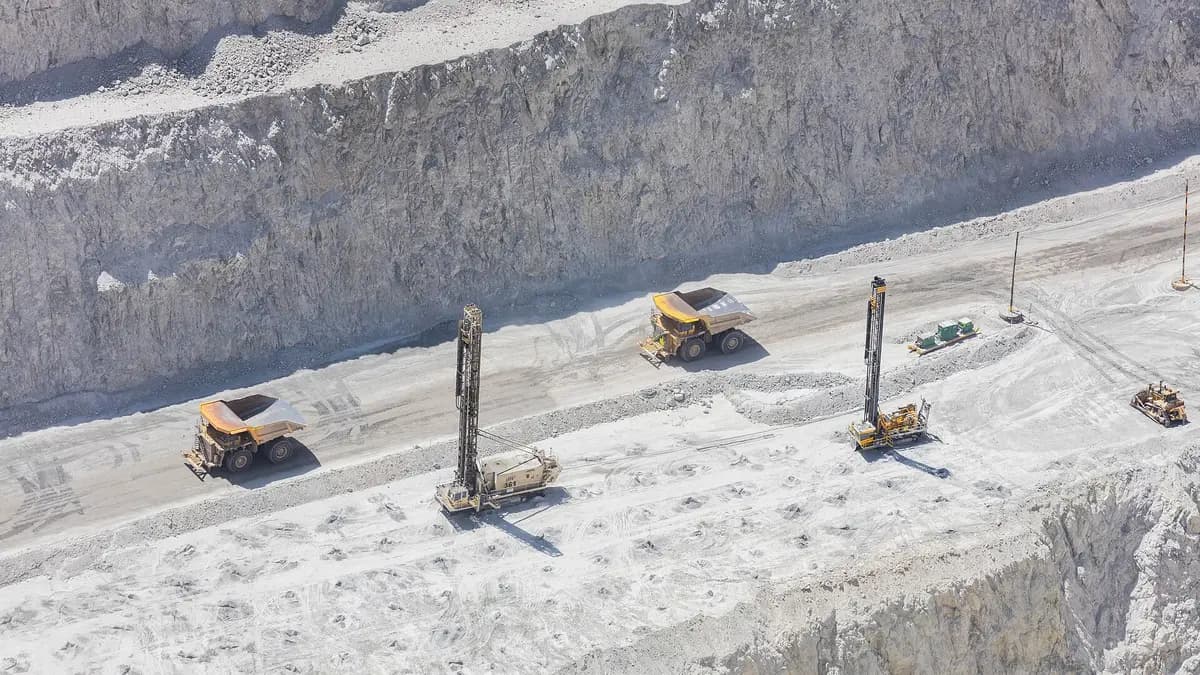
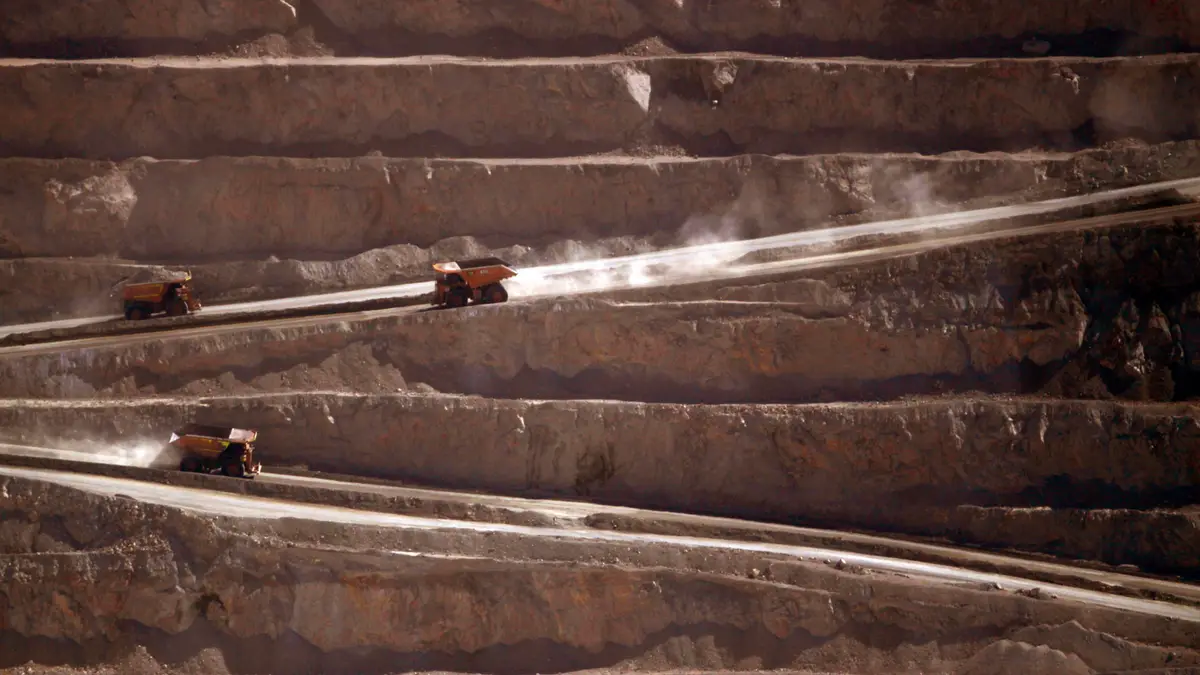
Mining is Chile’s largest electricity consumer and was the first sector to sign large-scale renewable supply contracts. Its weight in Renova is overwhelming:
| Sector | Energy traced in 2025 (GWh) | Share |
|---|---|---|
| Mining | 19,214 | 83.4% |
| Forestry | 1,398 | 6.1% |
| Industry | 1,259 | 5.5% |
| Retail | 750 | 3.3% |
| Other | 412 | 1.8% |
| Total | 23,033 | 100% |
Source: Renova platform, 2025 report, as reported by Electrominería. The “Other” row is the difference calculated by Energía Futura between the total and the four sectors reported.
By region, Antofagasta leads with 10,789 GWh, almost half the total, due to its concentration of mining operations. It is followed by Valparaíso (3,210 GWh), Coquimbo (2,275 GWh), Atacama (2,078 GWh), Tarapacá (1,351 GWh) and the Santiago Metropolitan Region (1,258 GWh).
Renewable energy certification in mining is tied to the weight of copper and lithium in the economy. Chile is the world’s largest copper producer, as we show in our ranking of copper-producing countries, and lithium exports almost tripled this year, according to the lithium export figures to September.
The grid’s emission factor rose in 2025
The report includes a less positive figure: the average emission factor of Chile’s National Electric System rose from 0.2017 to 0.2232 tonnes of CO2 equivalent per MWh, an increase of 10.7%. That factor measures how much CO2 is emitted, on average, for each MWh generated on the grid.
| Indicator | 2024 | 2025 | Change |
|---|---|---|---|
| Average emission factor of the SEN (tCO2e/MWh) | 0.2017 | 0.2232 | +10.7% |
| Residual emission factor (tCO2e/MWh) | 0.2733 | 0.3040 | +11.2% |
| Companies with zero-emission supply | 179 | 260 | +45.3% |
Source: Renova platform, 2025 report, as reported by Electrominería. The residual factor is the one corresponding to the electricity that remains after deducting the renewable attributes already assigned to companies with certified contracts: it is the one a consumer without certified energy should use to calculate its footprint.
The rise in the residual factor follows a logic: the more renewable energy is claimed by companies with certified contracts, the “dirtier” the electricity left for everyone else becomes on paper. For a company without certification, its electricity carbon footprint rises even if it consumes the same amount. The rise in the average factor, by contrast, depends on the year’s generation mix, including the use of thermal plants in dry months. Chile now generates two thirds of its electricity from renewable sources, as shown in our ranking of countries with the most renewable electricity.
The report does not detail the names of the certified companies or the plants supplying the traced energy. Nor does it show what share of the country’s total consumption is certified, because Renova only records those who join voluntarily.
Does your company certify renewable energy or advise on carbon footprints? Reach Energía Futura’s readers.
See advertising optionsFrequently asked questions
How much certified renewable energy was there in Chile in 2025?
23,033 GWh, 5.5% more than in 2024, according to the Renova platform of Chile’s National Electricity Coordinator.
What is Renova?
It is the platform of Chile’s National Electricity Coordinator that records renewable generation and assigns it to the consumers who buy it under contract, in order to certify the origin of their energy.
Which sector uses the most certified renewable energy?
Mining, with 19,214 GWh, 83.4% of the total in 2025. It is followed by forestry and industry.
How many companies certify their renewable energy in Chile?
376 companies took part in Renova in 2025, compared with 248 in 2024. Of these, 249 of 364 consumers have 100% of their supply certified as zero-emission.