Electrification in Chile is moving much more slowly than its clean power. In 2025, 65.6% of the country's electricity came from renewable sources, almost double the world average. But electricity accounts for only 22.3% of final energy consumption, and the rest is still oil, gas, coal and firewood. The result: only 15.5% of all the energy used in Chile is renewable electricity, according to the report Estado de la electrificación en Chile 2026 (State of Electrification in Chile 2026) by the NGO Uno Punto Cinco.
The study was presented on 14 October at a webinar organised with the energy think tank Ember, and its figures were reported this week by specialist media. Its central conclusion is that Chile is moving about nine times slower than needed for electricity to reach 35% of its energy consumption by 2035, the global benchmark used in the report.
The paradox of electrification in Chile
The report describes a paradox: the country leads in generating clean electricity but fails to carry that advantage over to consumption. "Chile does not have a clean energy supply problem. It has a problem of demand to use it," summarised Benjamín Carvajal, executive director of Uno Punto Cinco, as reported by G5 Noticias. These are the main figures:
| Indicator | Value | Year |
|---|---|---|
| Electricity generated from renewable sources | 65.6% | 2025 |
| Share of electricity in final energy consumption | 22.3% | 2024 |
| Total energy that is renewable electricity | 15.5% | 2025 |
| Share of electricity in final consumption in 2010 | 20.4% | 2010 |
| Global electrification benchmark | 35% | 2035 |
Source: Uno Punto Cinco, Estado de la electrificación en Chile 2026, with data from the CNE, the National Energy Balance, OLACDE and the International Energy Agency (IEA). Figures released on 14 October 2026.
In fourteen years, electricity gained less than two percentage points in final consumption: from 20.4% in 2010 to 22.3% in 2024. According to the report, over that period, for every unit of electricity added to national consumption, 2.6 units of fuels were added. In other words, electricity did not replace fossil fuels: it grew alongside them.
The study warns that not even the most favourable scenario in the Ministry of Energy's Long-Term Energy Planning exceeds 26% electrification by 2035, far from the 35% benchmark.
Which sectors are electrifying and which are not
Progress is very uneven across sectors. Mining leads, transport is the biggest gap and households have an obstacle of their own: firewood.
| Sector | Share of final consumption | Electricity in its consumption | Report's comment |
|---|---|---|---|
| Transport | 33.9% | 1.1% | 98.9% depends on fuels |
| Mining | — | 46.3% (2024) | Up from 40% in 2010 |
| Households | — | 23.2% | Firewood is used in about half of homes |
| Industry | — | Little progress | Much of its energy is process heat |
Source: Uno Punto Cinco, Estado de la electrificación en Chile 2026, as reported by G5 Noticias (17 October) and Portal Innova (22 October). Dashes mark figures that were not reported.
Mining: the sector moving fastest
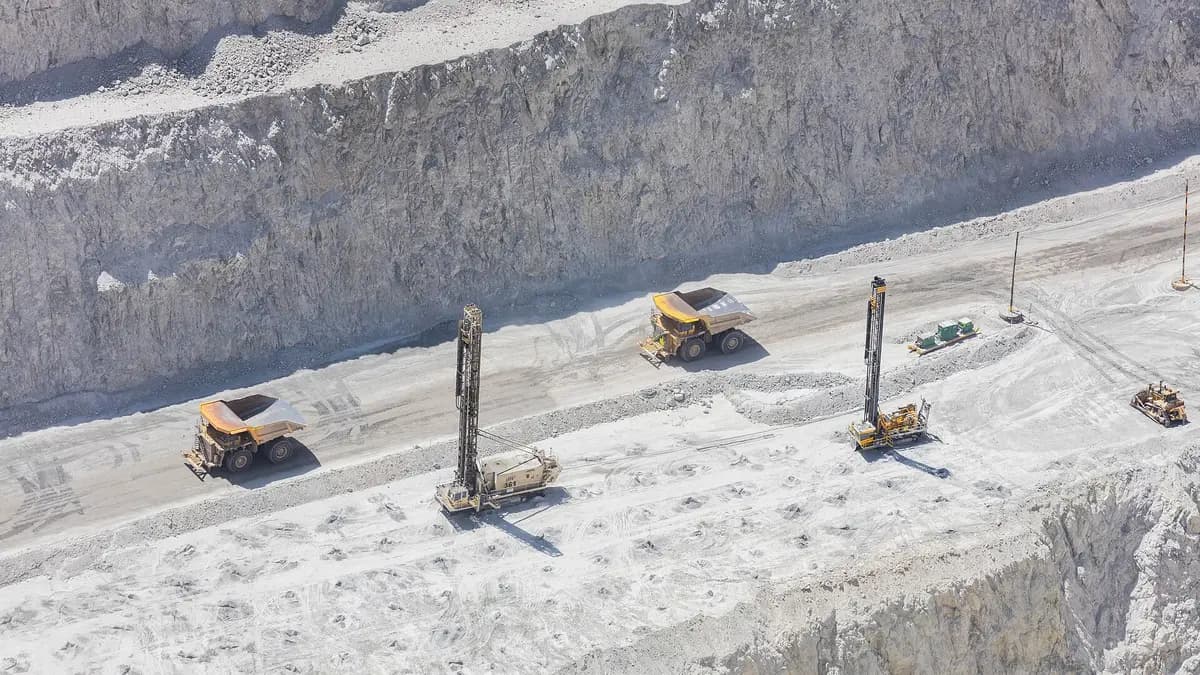
Mining raised its electrification from 40% to 46.3% between 2010 and 2024, progress about four times that of industry and eight times that of buildings. The report attributes this to economic factors: competitive power contracts and an increasingly renewable grid. Even so, about half of mining's energy still depends on diesel, mainly in haul trucks.

Transport: buses yes, cars no
Transport accounts for a third of the energy the country uses and runs on electricity for only 1.1% of it. The exception is buses: Santiago's RED system has more than 4,000 electric buses, one of the largest electric public transport fleets outside China. On the webinar panel, Ignacio Rivas of the Centro de Movilidad Sostenible mentioned about 4,500 units, more than 70% of the fleet.
That progress had a clear public target and tenders that drove it. The flip side is that new bus sales fell 68% in 2026 once the renewal was completed, as we showed in our article on bus sales. In cars, by contrast, fewer than 8,000 electric vehicles are on the road nationwide, according to the report, although sales of electric and plug-in hybrid cars exceed 7% of the market this year.
Rivas added a figure that changes how progress is measured: a combustion vehicle loses about 65% of the energy it consumes, and an electric one about 10%. So each car that is electrified reduces total energy use much more than it adds in electricity. The models that sell best in the country are in our ranking of the best-selling electric cars in Chile.
Households: firewood as the main barrier
In households, electricity covers 23.2% of consumption. Firewood is used in about half of homes, and in more than 75% in the south-central zone. Besides holding back electrification, air pollution, largely linked to firewood and urban transport, is associated with some 4,800 premature deaths a year, according to the report.

The study argues that, given the weight of residential consumption, electrifying homes could have an impact comparable to electrifying all of industry. A heat pump delivers three to four times more useful heat than a gas boiler for the same energy. For those considering replacing their heater, we compared costs in our guide to low-consumption electric heaters.
Barriers to electrification in Chile: prices, outages and no target
Besides the gaps by sector, the report identifies conditions in the power system that hold back the shift:
- Different prices: large companies negotiate direct contracts at competitive prices, while households pay regulated tariffs that reflect contracts signed years ago and can be more expensive.
- Reliability: in 2025, each customer had on average about 21 hours without power. If heating, cooking and the car depend on the grid, outages matter more.
- No national target: of 19 public policy instruments reviewed, none sets what share of energy consumption should be covered by electricity, either nationally or by sector.
- Dry years: in 2025, drought cut hydropower output and the system used more coal and gas again; thermal generation rose for the first time since 2019.
On the lack of a target, the study explains that Chile's climate policy focuses on cutting emissions, and electrification appears there as a possible route, not as a goal in itself. "Electrification now has to stop happening by inertia and start happening by decision," Carvajal said at the close of the presentation, according to G5 Noticias.
The cost of importing fuels
Dependence also has an economic cost. Chile imports about 98% of the oil, 80% of the gas and all of the coal it consumes. A previous report by the same NGO estimated that bill at US$12.295 billion for 2025. With diesel prices rising repeatedly since July, every point of electrification reduces the country's exposure to the international oil price.
| Fuel | Share imported |
|---|---|
| Oil | about 98% |
| Natural gas | about 80% |
| Coal | 100% |
| Estimated fuel import bill (2025) | US$12.295 billion |
Source: Uno Punto Cinco, as reported by G5 Noticias and Portal Innova, October 2026.
Does your company work in e-mobility, efficient heating and cooling or renewable energy? Reach Energía Futura's readers.
See advertising optionsFrequently asked questions
What share of Chile's energy is renewable?
65.6% of electricity was renewable in 2025, but since electricity is only 22.3% of final consumption, just 15.5% of all the energy the country uses is renewable electricity, according to Uno Punto Cinco.
What is electrification of energy use?
It is the replacement of fuels by electricity in transport, heating, cooking and industrial processes. It is measured as the share of electricity in final energy consumption.
Which is Chile's most electrified sector?
Mining, with 46.3% of its energy consumption from electricity in 2024. The least electrified is transport, at 1.1%.
Does Chile have an electrification target?
No. The report reviewed 19 public policy instruments and none sets a target for the electrification of energy consumption.