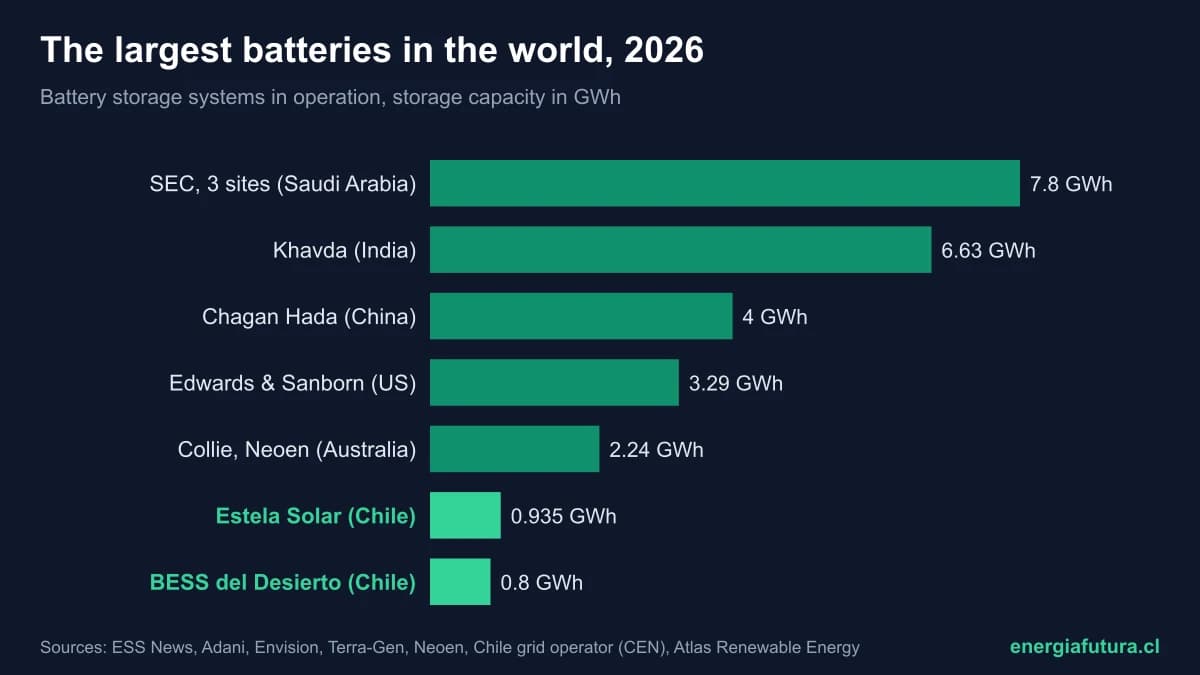
The Estela Solar plant, formerly called Aurora, in Pozo Almonte (Tarapacá, northern Chile), reached a maximum net output of 201.08 MW in technical tests, and its 187 MW, 935 MWh battery system delivered 919.04 MWh in a five-hour discharge, according to reports published by the National Electricity Coordinator (CEN), Chile's grid operator, and reviewed by pv magazine on 19 October.
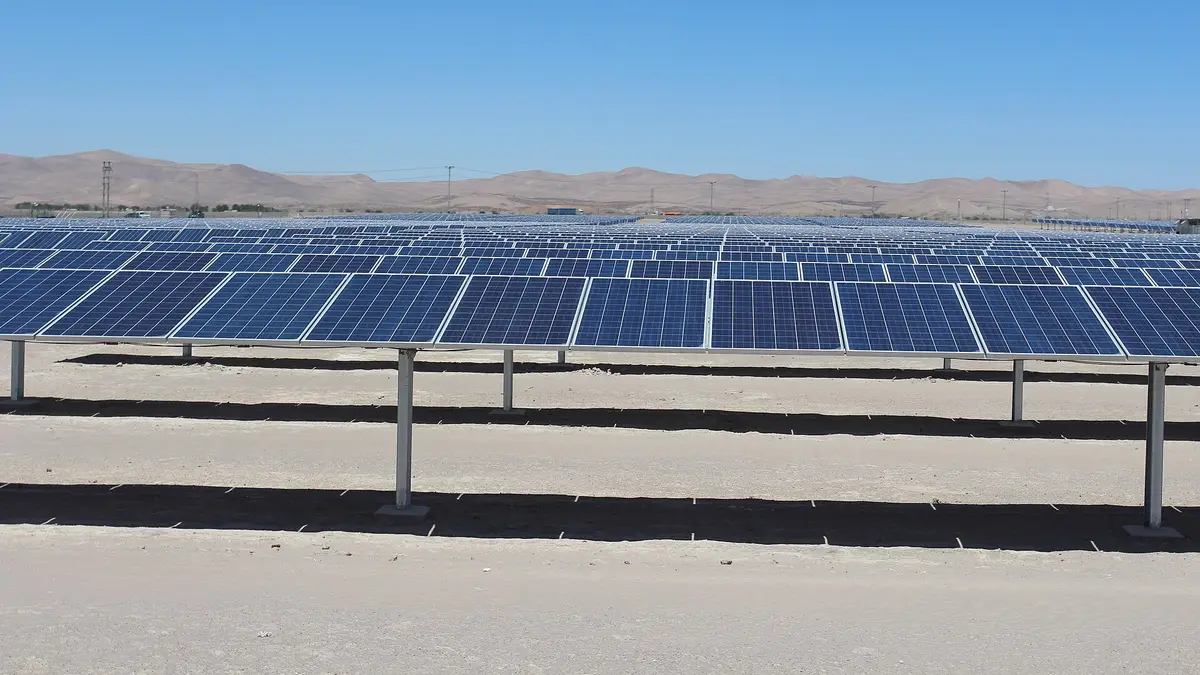
The complex combines 220 MWdc of solar panels with one of the largest batteries in operation in Chile. It was developed by Spain's Zelestra, whose Latin American platform was bought by Colombia's Promigas in May 2026. Its night-time power is already sold under a long-term contract with Abastible, part of the Copec group.
Estela Solar's test results
The tests were carried out by consultancy Estudios Eléctricos for Zelestra between 4 June and 4 July 2026, and the Coordinator published the reports on 14 October. The battery discharge test of 7 June stands out:
| Technical test | Result |
|---|---|
| Energy delivered by the battery in the discharge | 919.04 MWh over five hours |
| Gross discharge power | 189.20 MW |
| Net discharge power | 183.81 MW |
| Maximum net output of the solar plant | 201.08 MW |
| Test period | 4 June to 4 July 2026 |
| Reports published | 14 October 2026 |
Delivering 919 MWh out of a rated 935 MWh is about 98% of declared energy, consistent with a new battery. The figure that matters for the system is how much energy it can inject in the hours without sun, when electricity prices rise.
The Coordinator's authorisation
In letter DE 06592-26, dated 6 October, the Coordinator completed verification of primary frequency control: from 00:00 on 8 October, the plant is authorised to provide that service with its solar output and with battery charging and discharging. Primary frequency control is the automatic response, within seconds, a plant gives when grid frequency drifts from 50 Hz, for example when another plant trips. Batteries are especially good at it because they switch from charging to discharging almost instantly. The owner has 30 days to install equipment measuring power and frequency second by second. Comment periods on the reports close on 28 October and 4 November. The documents do not yet confirm full commercial operation.
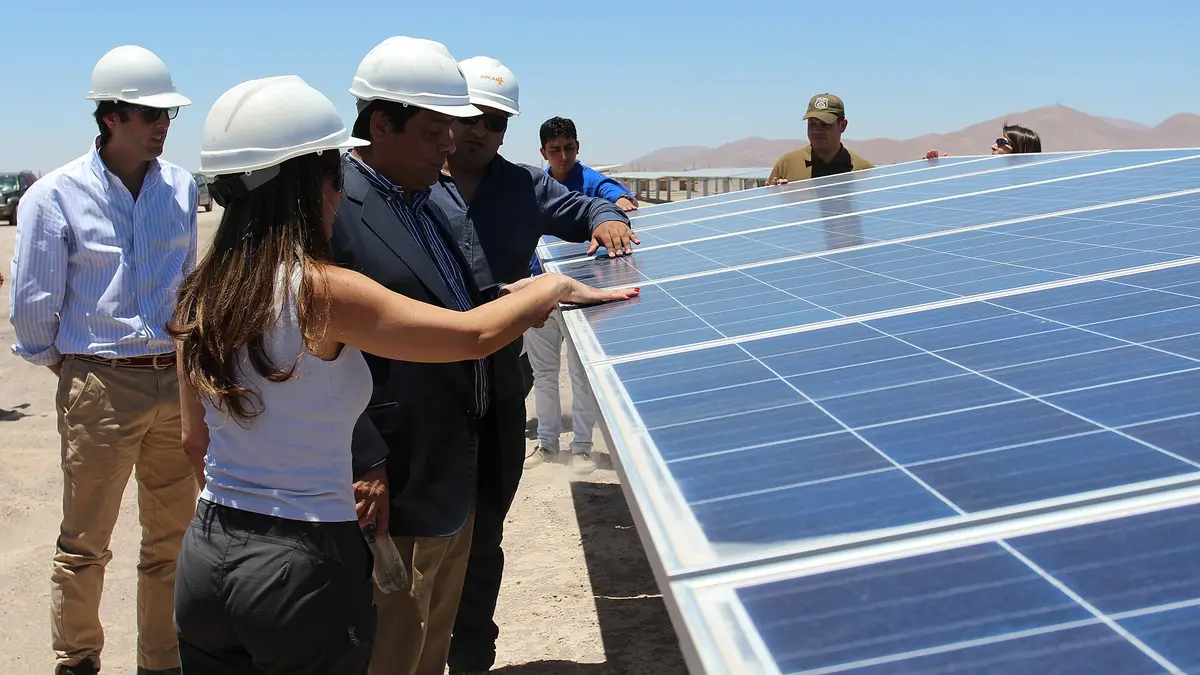
Estela Solar's battery compared with Chile's largest
At 935 MWh, Estela Solar's storage system is larger than Atlas Renewable Energy's BESS del Desierto in María Elena, presented in 2025 as Latin America's largest standalone system at 200 MW and 800 MWh, and Engie's BESS Tocopilla (116 MW and 660 MWh). For context on the wider pipeline, see Grenergy's US$457 million financing for solar and batteries.
| Battery system | Company | Region | Power | Energy |
|---|---|---|---|---|
| Estela Solar (formerly Aurora) | Promigas (formerly Zelestra) | Tarapacá | 187 MW | 935 MWh |
| BESS del Desierto | Atlas Renewable Energy | Antofagasta | 200 MW | 800 MWh |
| BESS Tocopilla | Engie | Antofagasta | 116 MW | 660 MWh |
| Desierto de Atacama (hybrid) | Pacific Hydro | Atacama | 110 MW | 220 MWh |
The comparison changes fast: Chile has already passed 3,000 MW of batteries with dozens of projects under construction, as we reported in Chile surpasses 3,000 MW of battery storage. Some Grenergy complexes in Antofagasta, for example, add up more energy spread over several phases.
How Estela Solar works
The complex is registered as a Renewable Plant with Storage Capacity (CRCA): the solar plant and the battery share a single grid connection with 187 MW of declared injection capacity. By day the panels generate and charge the battery; at night the battery releases the stored energy.
- Panels: 220 MWdc of solar capacity.
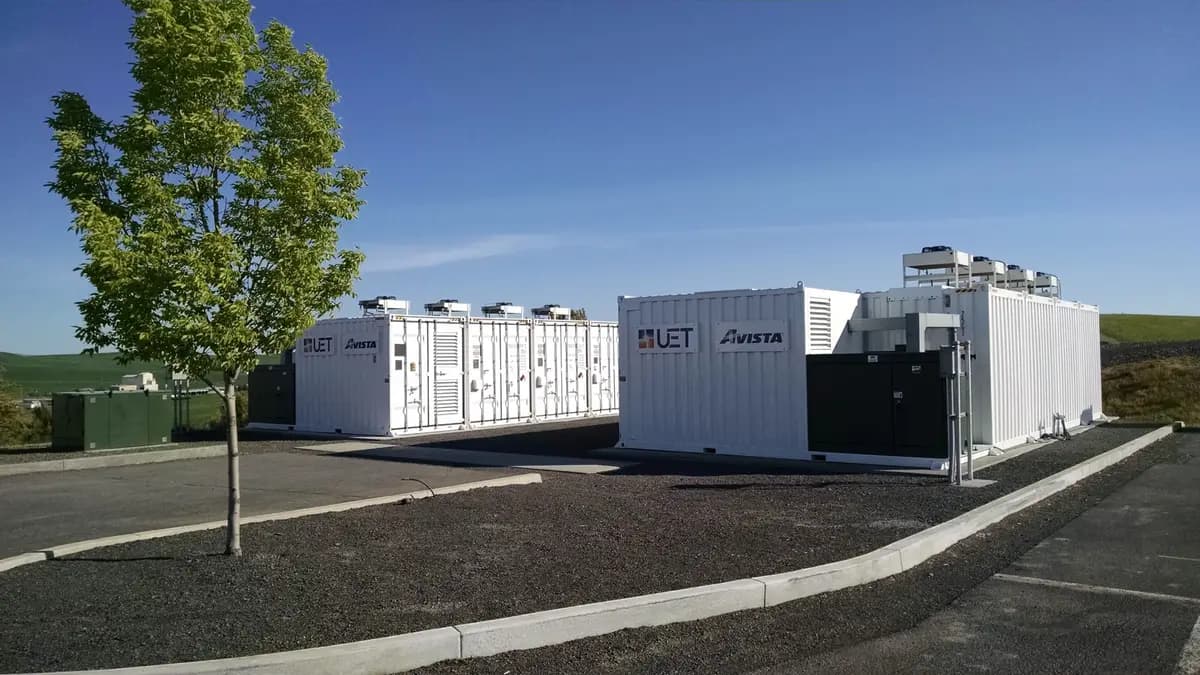
- Batteries: 204 liquid-cooled Sungrow PowerTitan 2.0 units, installed by March 2026.
- Conversion: 24 transformer stations for the solar plant and 51 for storage, all from Sungrow.
- Connection: 160/200 MVA transformer (33/33/220 kV) at the Granja Solar substation.
- Expected output: about 600 GWh a year, equal to the consumption of some 200,000 Chilean homes, according to Zelestra.
Who is behind Estela Solar
The project was developed by Zelestra through the owner company Tamarugal Solar SpA. In March 2025 it signed a long-term power purchase agreement with Abastible to supply solar electricity at night, and in June 2025 it secured US$282 million in green financing from Natixis CIB and BNP Paribas, plus a VAT credit line from Banco de Crédito e Inversiones.
In May 2026, Colombia's Promigas completed the purchase of Zelestra's Latin American platform for about US$1.1 billion, including debt, with some 3,500 MW of projects in Chile, Peru and Colombia. Estela Solar is one of its most advanced assets in Chile.
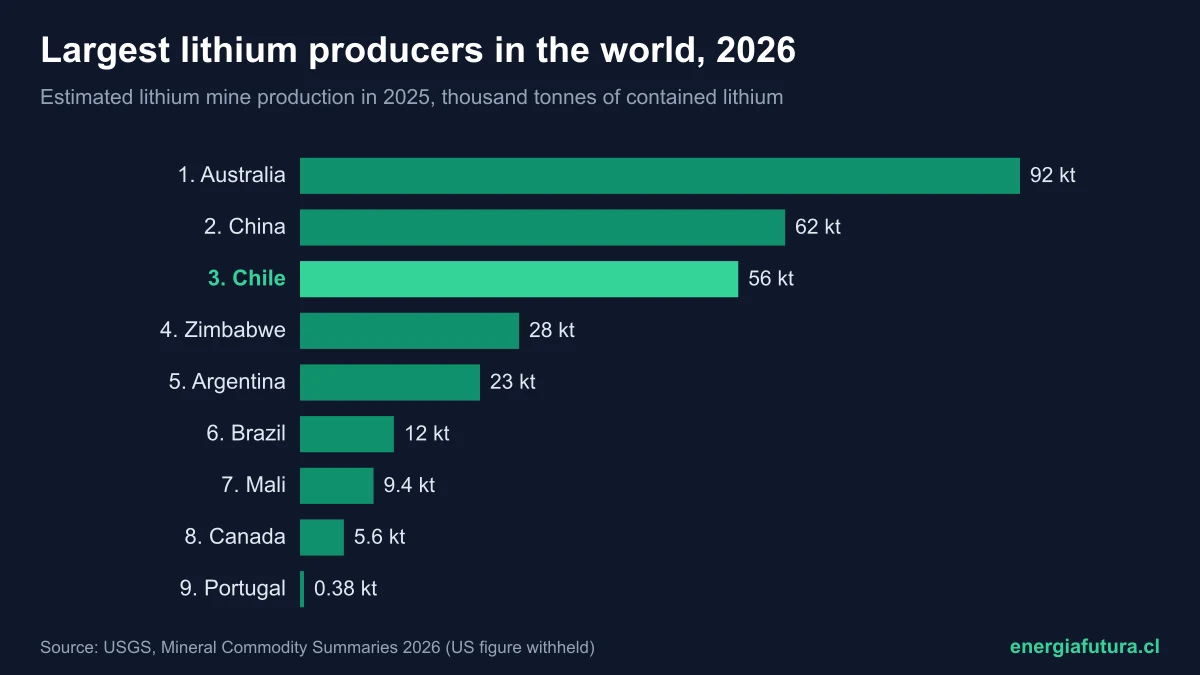
Solar plants with batteries have become the norm in northern Chile, where midday solar power is curtailed for lack of demand and transmission. Storing it for the night is the way to sell it at a better price. The sector's figures are in solar energy in Chile in numbers.
Does your company work in energy storage or solar projects? Reach Energía Futura's readers.
See advertising optionsFrequently asked questions
Where is the Estela Solar plant?
In Pozo Almonte, Tamarugal province, Tarapacá region, northern Chile.
How much energy does its battery store?
935 MWh with 187 MW of power. In the 7 June test it delivered 919.04 MWh over five hours.
Is it in commercial operation?
It has been authorised to provide primary frequency control since 8 October, but the Coordinator's documents do not yet confirm full commercial operation.
Who buys its power?
Abastible, part of the Copec group, under a long-term contract signed in March 2025 for night-time energy.