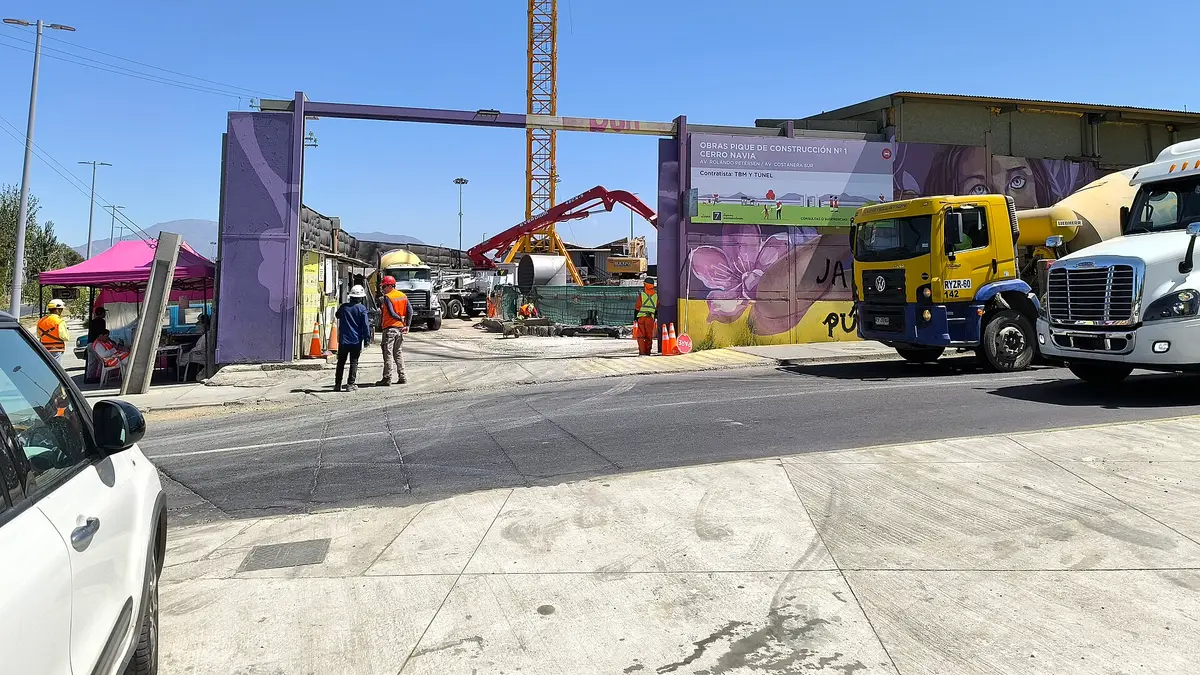
Transelec's Cerro Navia substation will be the entry point for the power that runs Santiago Metro's future Line 7 and, later, Lines 9 and A. Officials and executives from both companies toured the site on Tuesday 17 November 2026, with the works at the equipment integration and testing stage, according to Revista Electricidad.
The high-voltage yard is adding new 220 kilovolt (kV) bays, 80 MVA power transformers, safety systems, noise mitigation and a 58-metre interconnection line on monopoles. Next to it, Metro is building the medium-voltage site where the power will be transformed to move the trains.
View the data as a table
| Voltage of the new bays | 220 kV |
| Power transformers | 80 MVA |
| Length of Line 7 | 26 km |
| Line 7 progress | 40% |
How power will reach Santiago Metro's Line 7
The setup has two parts. Transelec receives power from the transmission system at 220 kV and delivers it in the substation's high-voltage yard. Metro, through its contractor Alstom, has installed circuit breakers, disconnectors and metering equipment at its own site, where the power is stepped down to medium voltage to run the trains.
| Component | Responsible | What it does |
|---|---|---|
| 220 kV bays | Transelec | Connect the substation to the transmission grid |
| 80 MVA transformers | Transelec | Step down the voltage for Metro |
| 58 m interconnection line | Transelec | Links the high-voltage yard with Metro's site |
| Medium-voltage site | Metro (with Alstom) | Distributes power to run the trains |
| Tunnel Liner | Metro | Underground link from the site to the Line 7 tunnel |
Source: Revista Electricidad, 18 November 2026.
The next stage will be Metro's: building the underground connection between its site and the Line 7 tunnel, using the so-called Tunnel Liner, in step with the progress of the new line. Once testing is complete, the facility will receive and distribute power first for Line 7 and then for Lines 9 and A.
- Jan 2026Line 7 at 40%16 of 26 km of tunnel built.
- 17 Nov 2026Visit to the Cerro Navia substationMetro and Transelec are integrating and testing equipment.
- Next stageTunnel connectionMetro will build the Tunnel Liner linking the site to the Line 7 tunnel.
- Late 2028Estimated opening of Line 7Renca-Vitacura in about 37 minutes.
- 2030-2033Line 9 in sectionsFirst Santiago-La Pintana; then Puente Cal y Canto and Puente Alto.
Santiago Metro's Line 7 and the lines to come
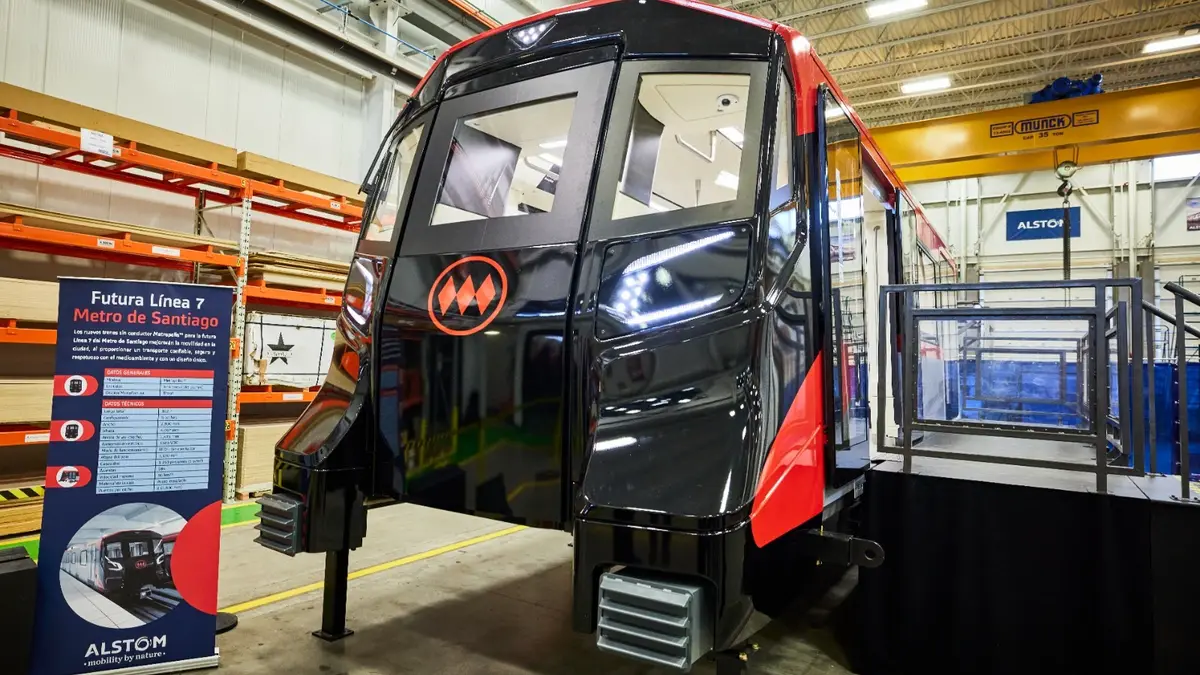
Line 7 will have 26 kilometres and 19 stations across eight districts: Renca, Cerro Navia, Quinta Normal, Santiago, Recoleta, Providencia, Las Condes and Vitacura. At the end of January 2026 it was 40% complete, with 16 of its 26 kilometres of tunnel built, and Metro expects to open it in late 2028, according to CNN Chile. The trip from Renca to Vitacura would take about 37 minutes.
Line 9 will have 27 kilometres and will open in sections: first between Santiago and La Pintana in 2030 (14.3 km), then to Puente Cal y Canto in 2032 (4.1 km) and finally to Puente Alto in 2033 (9 km), according to El Mostrador. It will be the first time La Pintana has a Metro line. Officials gave no further details on Line A during the visit.
| Section | Route | Length | Stations | Estimated opening |
|---|---|---|---|---|
| Line 7 | Renca - Vitacura | 26 km | 19 | Late 2028 |
| Line 9, section 1 | Santiago - La Pintana | 14.3 km | 10 | 2030 |
| Line 9, section 2 | To Puente Cal y Canto | 4.1 km | 4 | 2032 |
| Line 9, section 3 | La Pintana - Puente Alto | 9 km | 5 | 2033 |
Sources: CNN Chile (3 February 2026) and El Mostrador (12 January 2026), with Metro data.
| Length | 26 km | 27 km |
| Stations | 19 | 19 (current route) |
| Districts | 8 | 8 |
| Route | Renca - Vitacura | Puente Cal y Canto - La Pintana - Puente Alto |
| Estimated opening | Late 2028 | 2030 (section 1) to 2033 |
| Power supply | Cerro Navia substation (220 kV) | Cerro Navia substation, after L7 |
Does your company work in transmission, electric transport or urban infrastructure? Reach Energía Futura's readers.
See advertising optionsWhy the transmission grid is key to Metro's expansion
A Metro train uses electricity all day and cannot depend on a grid running at its limit. That is why every new line needs its own substation and redundant connections. In Santiago, the high-voltage network around the city is under growing pressure from rising consumption, data centres and the electrification of transport.
New substations also spark local disputes. In neighbouring Renca, the National Electricity Coordinator offered residents a working group over the Lo Campino substation, as we reported in the article on the US$52 million Lo Campino substation. The Cerro Navia substation, by contrast, already existed: the works expand a facility that is in operation.
*“The mobility of the future is electric and needs a transmission grid that is ready. With these works, Transelec is preparing the energy that hundreds of thousands of people will need to move around Santiago”*, said Transelec's chief executive, Arturo Le Blanc. Metro's chairman, Patricio Rey, said the company is living *“the greatest expansion in its history”* and that Line 7 will add three new stations in Cerro Navia.
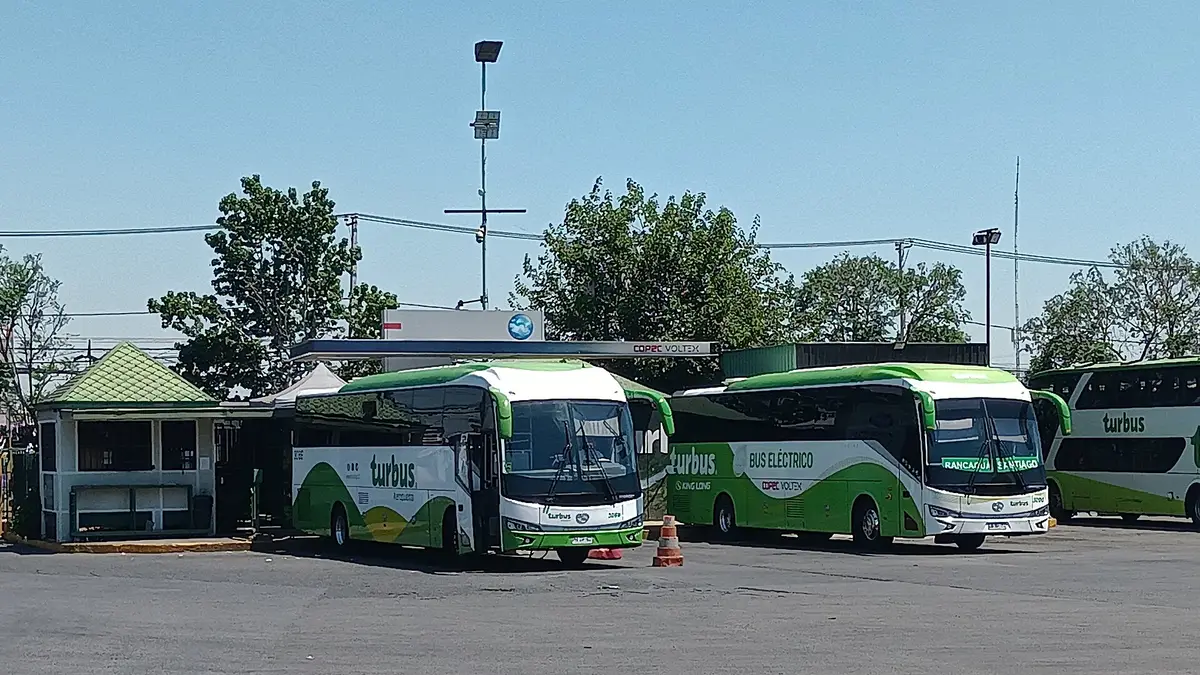
Energy Minister Ximena Rincón praised the progress of infrastructure that, she said, will keep adding clean energy to public transport in the Santiago region. The Metro thus joins the electric buses of the RED network, which already make up most of Santiago's fleet, as we explained in the article on RED's record number of electric buses.
Santiago is the region's showcase for e-mobility: Chile leads Latin America in electric buses, with 5,059 units as of June 2026, according to the Olacde monitor we reviewed in the article on Latin America's million electric cars. With Lines 7 and 9, the Metro will add 53 kilometres of electric track to that network.
The visit was also attended by the presidential delegate for the Metropolitan Region, Germán Codina, and the mayor of Cerro Navia, Mauro Tamayo. *“The new Lines 7, 9 and A and Transelec's projects clearly show the importance of making e-mobility people's main means of transport”*, Codina said. Tamayo said he hoped that *“very soon the new Line 7 can become a reality”* in his district.
Frequently asked questions
When does Santiago Metro's Line 7 open?
Metro expects to open it in late 2028. At the end of January 2026 it was 40% complete.
Which districts does Line 7 run through?
Eight districts: Renca, Cerro Navia, Quinta Normal, Santiago, Recoleta, Providencia, Las Condes and Vitacura, with 19 stations over 26 kilometres.
What does the Cerro Navia substation do?
It receives power from the transmission grid at 220 kV and delivers it to Metro, which steps it down to medium voltage to run the trains of the future Lines 7, 9 and A.
When will Line 9 reach La Pintana?
The first section, between Santiago and La Pintana, is scheduled for 2030, with 10 stations and 14.3 kilometres.