Latin America and the Caribbean now has more than one million electric cars on the road. The fleet of battery electric (BEV) and plug-in hybrid (PHEV) light vehicles reached 1,016,034 units in June 2026, after adding 285,785 in the first half of the year, according to Olacde's Electric Mobility Monitor for Latin America and the Caribbean, whose figures were reported by Revista Electricidad on 3 November.
Brazil accounts for more than half of the fleet, with over 580,000 units. Chile is not among the largest car markets, but it leads two indicators: it has the most electric buses in the region, with 5,059, and the most public charging stations per 100 electrified vehicles, with 12.78.
1,016,034
Electric and plug-in hybrid cars
Light vehicle fleet in use
10,685
Electric buses in the region
5,059 of them in Chile
US$1,519 M
Annual energy savings
About US$4 million a day
Source: Olacde, Electric Mobility Monitor 2026
View the data as a table
| Electric and plug-in hybrid cars | 1,016,034 · Light vehicle fleet in use |
| Electric buses in the region | 10,685 · 5,059 of them in Chile |
| Annual energy savings | US$1,519 M · About US$4 million a day |
One million electric cars in Latin America, country by country
The monitor by Olacde, the Latin American and Caribbean Energy Organisation, is built from official data supplied by member countries and from the Latin American Association of Automotive Distributors (ALADDA). The edition with data to June 2026 was published in September; the organisation's executive secretary is former Chilean energy minister Andrés Rebolledo.
In cars, Brazil leads comfortably and is widening the gap. Measured against population, the order changes: Uruguay and Costa Rica come first, followed by Brazil, Chile, Colombia and Mexico. According to ALADDA, quoted in the report, hybrids and electric vehicles of all kinds already make up around 18% of car sales in the region, with 38% in Uruguay, 12.5% in Mexico and just 1% in the Dominican Republic.
| Indicator (June 2026) | Brazil | Mexico | Chile | Source |
|---|---|---|---|---|
| Electrified light vehicle fleet | over 580,000 | n/a | n/a | Olacde |
| Public charging stations | 25,429 | 4,802 | 4,288 | Olacde |
| Stations per 100 electrified vehicles | 4.37 | 3.01 | 12.78 | Olacde |
| Electric buses | n/a | n/a | 5,059 | Olacde |
| Growth in EV sales, first half | +193% | n/a | +96% | Olacde with ALADDA data |
Source: Olacde, Electric Mobility Monitor 2026. "n/a": the report does not give the figure in its text (it appears only in charts). Using the station count and the ratio per 100 vehicles, Chile's fleet would be around 33,500 electrified cars, an Energía Futura estimate not published by Olacde.
Chile leads in electric buses
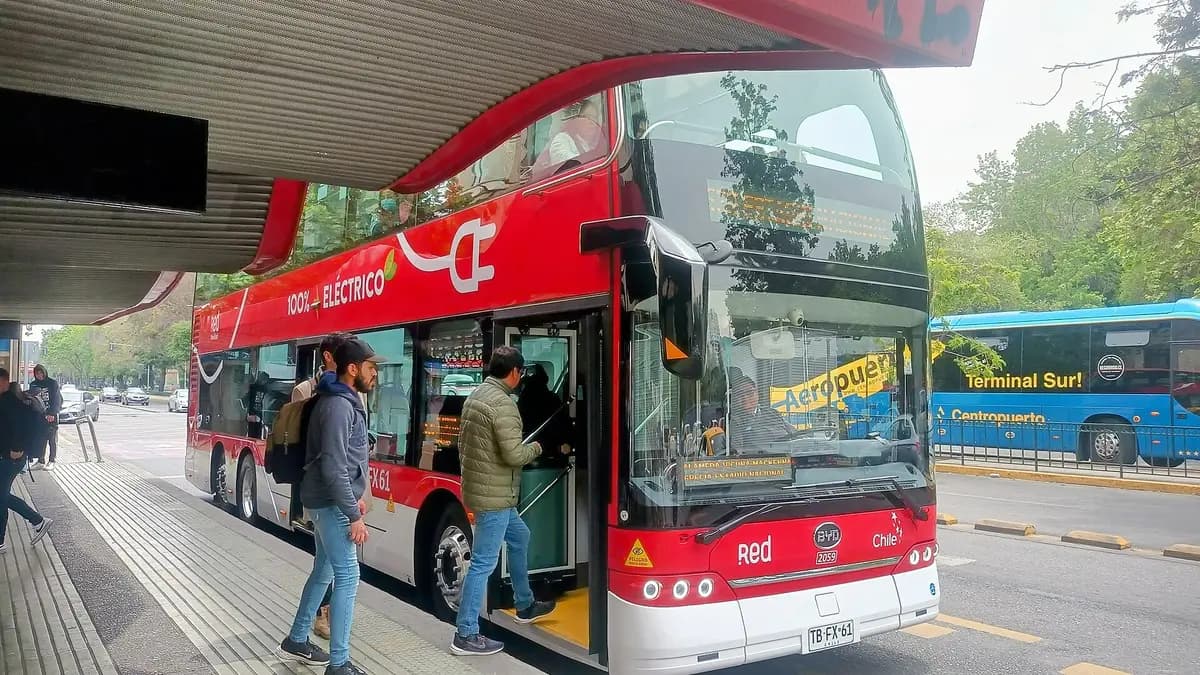
The regional electric bus fleet reached 10,685 units in June 2026, 967 more than in March, an increase of about 10%. Chile has 5,059, almost half of the total, and is ahead of countries with larger electric car fleets such as Brazil, Colombia and Mexico. Most of them run in Santiago's Red public transport system, and the replacement programme is reaching the regions, as we reported in the electric buses on route 114 in Antofagasta.
Olacde estimates that, with diesel at US$1.31 per litre, each electric bus saves about US$26,210 a year in energy compared with a combustion bus. If fuel rose 50%, the saving would reach US$49,065 per bus.
Chargers: Chile has the densest network
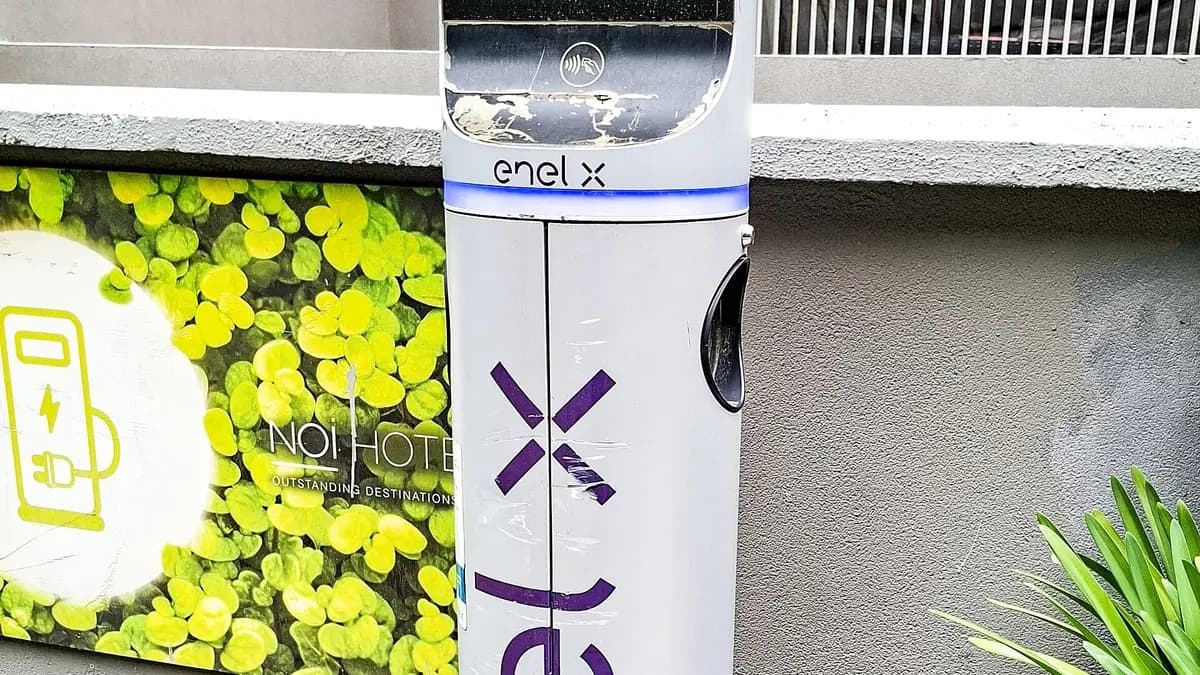
In absolute numbers of public stations, Brazil dominates with 25,429 (up from 21,061 in March). Mexico more than doubled its network in one quarter, from 2,046 to 4,802, and overtook Chile, which reached 4,288. But divided by the size of the fleet, Chile ranks first with 12.78 stations per 100 vehicles, almost three times Brazil (4.37) and more than four times Mexico (3.01). Colombia, Uruguay and Costa Rica have fewer than two per 100.
Consultant María José Ventura, quoted in the monitor, summed up the challenge: "now the challenge is to make sure infrastructure can evolve and advance at the same pace as electric mobility".
Do you sell electric cars, chargers or fleet services? Show your brand to Energía Futura's readers.
See advertising optionsFirst-half sales
Between January and June 2026, Brazil sold 91,483 battery electric and plug-in hybrid cars, followed by Colombia and Mexico. The fastest growth compared with the first half of 2025 came in Argentina (+873%), Ecuador (+261%), Colombia (+236%) and Brazil (+193%). Uruguay grew 151% and Chile 96%. Costa Rica was the only country to fall, by 7%. Across the region, one in ten light cars sold in 2026 is electric or a plug-in hybrid.
| Country | Growth in BEV + PHEV sales, H1 2026 vs. 2025 |
|---|---|
| Argentina | +873% |
| Ecuador | +261% |
| Colombia | +236% |
| Brazil | +193% |
| Uruguay | +151% |
| Chile | +96% |
| Costa Rica | -7% |
Source: Olacde with ALADDA data. To see where Chile stands globally, check our world ranking of electric car sales by country.
What one million electric cars says about Chile
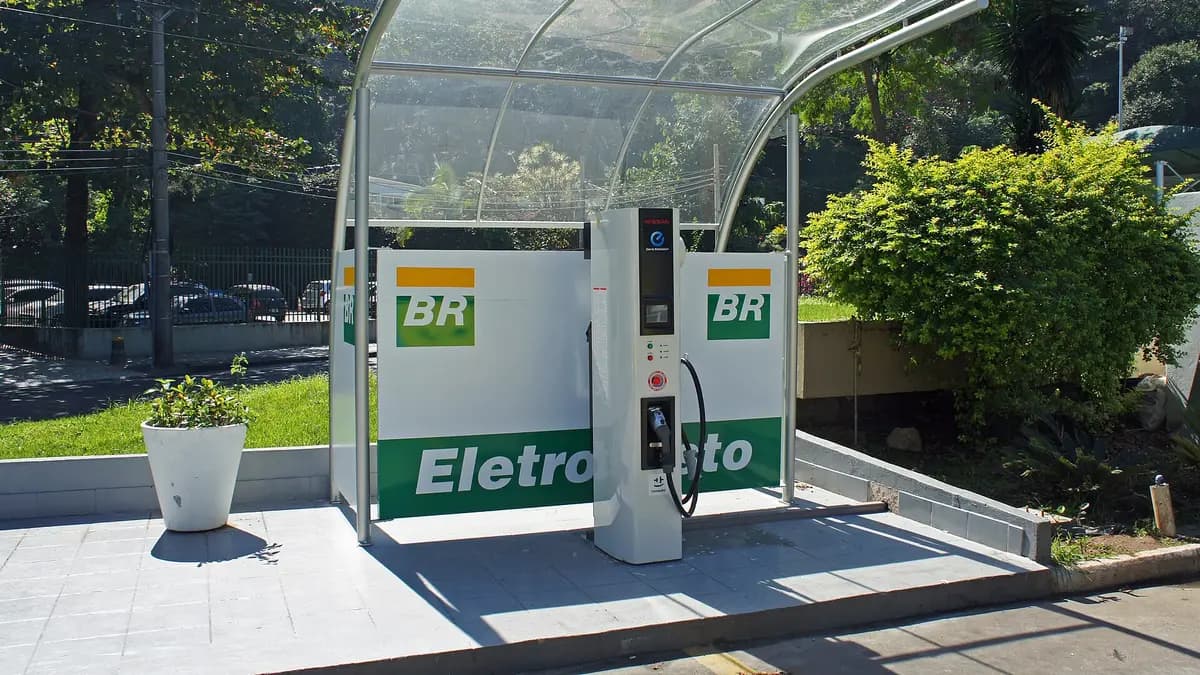
For Chile, the report offers a mixed reading. On one hand, the country remains a benchmark in electric public transport and in charging infrastructure per vehicle, thanks to the bus replacement in Santiago and the roll-out of chargers by utilities and fuel companies. On the other, its electric car fleet is much smaller than Brazil's or Mexico's, and its sales grew less than Colombia's or Argentina's in the half-year.
Figures from Chile's car industry association ANAC point the same way: electric and plug-in hybrid cars gain share month after month, driven by the arrival of Chinese brands and falling prices. The models leading that growth are in our ranking of the best-selling electric cars in Chile.
How much each electric car saves
With gasoline at US$1.40 per litre, Olacde estimates that a fully electric car saves about US$2,240 a year in energy; with fuel 50% more expensive, the saving rises to US$3,641. Adding up the battery electric cars and buses on the road in the region, total savings reach US$1.519 billion a year, around US$4 million a day. The organisation recommends coordinating transport planning with grid planning and treating electric mobility as part of energy security. Olacde will hold its first Sustainable Mobility Summit on 26 November 2026.
Frequently asked questions
How many electric cars are there in Latin America?
1,016,034 battery electric and plug-in hybrid light vehicles in June 2026, according to Olacde.
Which country has the most electric cars in the region?
Brazil, with more than 580,000 units. Per inhabitant, Uruguay and Costa Rica lead.
How many electric buses does Chile have?
5,059 in June 2026, almost half of the region's 10,685.
How many public chargers are there in Chile?
4,288 public stations, equal to 12.78 per 100 electrified vehicles, the highest density in the region.