Chile has 839 registered tailings deposits, and 348 of them are abandoned. That is what the 2026 Tailings Deposit Register of Chile's National Geology and Mining Service (Sernageomin) shows. Since Wednesday 18 November 2026 it can be consulted on an open-access digital platform built with support from Esri Chile.
The tool brings together the georeferenced register, geochemical samples and downloadable records. Using satellite images, the agency reclassified 146 facilities and changed the status of 120 deposits previously listed as abandoned to inactive, Minería Chilena reported. Energía Futura reviewed the 839 records in the public layer of the Sernageomin register to build the maps and tables in this article.
View the data as a table
| Registered deposits | 839 |
| Abandoned | 348 |
| Active | 130 |
| Authorised tonnage | 30,693 million t |
How many tailings deposits Chile has and what state they are in
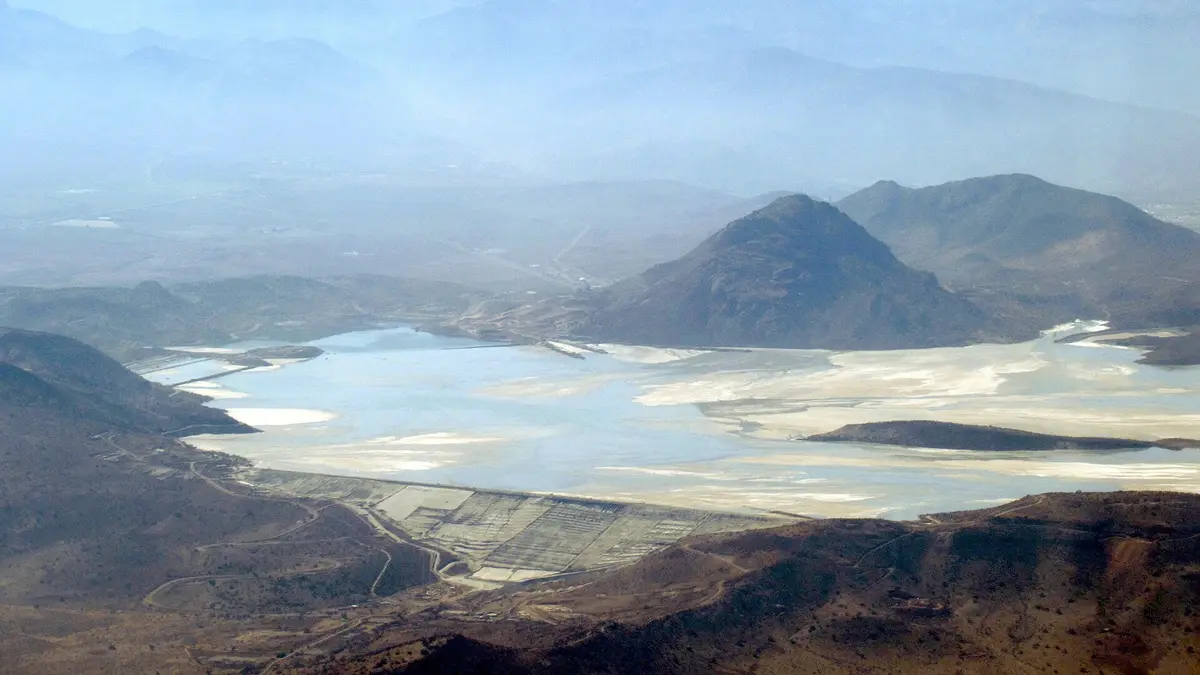
Tailings are the mix of ground rock, water and chemicals left after the ore is processed in concentrator plants. They are stored permanently in tailings dams, impoundments or piles. The register classifies each deposit by its 2026 status: active if it still receives tailings, inactive if it stopped operating but has a responsible owner, and abandoned if no one answers for it.
| Status | Deposits | Authorised tonnage (million t) |
|---|---|---|
| Abandoned | 348 | 168 |
| Inactive | 331 | 1,853 |
| Active | 130 | 27,830 |
| Under construction | 17 | 841 |
| Removed | 11 | 1 |
| Under review | 2 | 0 |
| Total | 839 | 30,693 |
Source: Sernageomin, 2026 Tailings Deposit Register, accessed 18 November 2026. Tonnage is the amount authorised in each deposit's permit; 54 records report no tonnage.
The most striking figure is the number of abandoned deposits: they are 41% of the total, yet they add up to just 168 million tonnes, less than 1% of the authorised tonnage. Most are small dams from small-scale gold and copper mining, built decades ago with no identifiable owner. By contrast, the 130 active deposits hold 27,830 million tonnes, 91% of the total: this is where the large dams of Codelco, Escondida, Collahuasi and Los Pelambres sit.
View the data as a table
| Active | Inactive | Abandoned | Under construction | Other | |
|---|---|---|---|---|---|
| Coquimbo | 44 | 170 | 195 | 9 | 5 |
| Atacama | 38 | 67 | 89 | 6 | 3 |
| Valparaíso | 15 | 32 | 34 | 0 | 2 |
| Antofagasta | 15 | 31 | 9 | 2 | 0 |
| Metropolitana | 7 | 11 | 9 | 0 | 0 |
| O'Higgins | 3 | 12 | 4 | 0 | 1 |
| Aysén | 2 | 5 | 5 | 0 | 0 |
| Tarapacá | 2 | 1 | 3 | 0 | 2 |
| Maule | 4 | 2 | 0 | 0 | 0 |
Where Chile's tailings are: Coquimbo and Atacama account for 75%
Tailings are concentrated in the Norte Chico. Coquimbo has 423 deposits, half of the national total, and Atacama has 203. Together they account for 75%. They are followed by Valparaíso (83), Antofagasta (57) and the Santiago Metropolitan Region (27). Only nine regions have deposits in the register.
View the data as a table
| Coquimbo | 423 |
| Atacama | 203 |
| Valparaíso | 83 |
| Antofagasta | 57 |
| Metropolitana | 27 |
| O'Higgins | 20 |
| Aysén | 12 |
| Tarapacá | 8 |
| Maule | 6 |
The map changes when size is considered. Antofagasta has only 57 deposits, but they add up to 12,779 million tonnes of authorised tailings, 42% of the country's total, because the large copper mines' dams are there. The Metropolitan Region, with 27 deposits, holds 6,432 million tonnes, more than double Coquimbo.
| Region | Deposits | Abandoned | Active | Authorised tonnage (million t) |
|---|---|---|---|---|
| Coquimbo | 423 | 195 | 44 | 2,828 |
| Atacama | 203 | 89 | 38 | 3,763 |
| Valparaíso | 83 | 34 | 15 | 646 |
| Antofagasta | 57 | 9 | 15 | 12,779 |
| Metropolitana | 27 | 9 | 7 | 6,432 |
| O'Higgins | 20 | 4 | 3 | 655 |
| Aysén | 12 | 5 | 2 | 19 |
| Tarapacá | 8 | 3 | 2 | 3,569 |
| Maule | 6 | 0 | 4 | 2 |
Source: Sernageomin, 2026 Tailings Deposit Register. Compiled by Energía Futura from the 839 records.
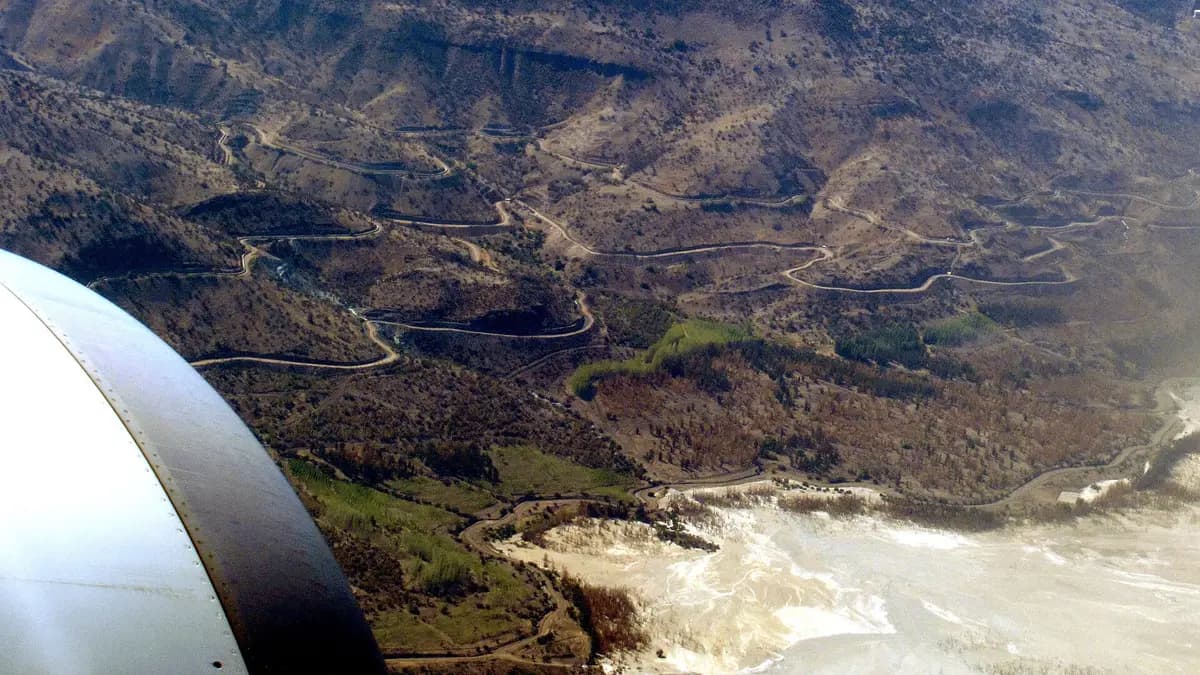
By district, Andacollo tops the list with 129 deposits, followed by Copiapó (102) and Illapel (73). These are areas with a long history of small and medium-scale mining, where old tailings sit next to homes, ravines and watercourses.
Does your company work on tailings, reprocessing or sustainable mining? Reach Energía Futura's readers.
See advertising optionsChile's largest tailings deposits
The deposit with the largest authorised tonnage is Laguna Seca, owned by Minera Escondida in Antofagasta, with 4,500 million tonnes. It is followed by Talabre, of Codelco Chuquicamata (4,358 million), and Carén, of Codelco El Teniente in Alhué (3,288 million). The ten largest account for 73% of the tonnage in the whole register.
View the data as a table
| Laguna Seca | 4,500 |
| Talabre | 4,358 |
| Carén | 3,288 |
| Pampa Pabellón | 2,329 |
| Ovejería | 1,930 |
| El Mauro | 1,700 |
| Sierra Gorda | 1,350 |
| QB2 | 1,240 |
| Las Tórtolas | 1,000 |
| Esperanza | 750 |
| Spence | 681 |
| Los Diques | 600 |
| Laguna Seca | Minera Escondida | Antofagasta | 4,500 |
| Talabre | Codelco | Antofagasta | 4,358 |
| Carén | Codelco | Metropolitana | 3,288 |
| Pampa Pabellón | Collahuasi | Tarapacá | 2,329 |
| Ovejería | Codelco | Metropolitana | 1,930 |
| El Mauro | Minera Los Pelambres | Coquimbo | 1,700 |
| Sierra Gorda | Sierra Gorda SCM | Antofagasta | 1,350 |
| QB2 | Teck Quebrada Blanca | Tarapacá | 1,240 |
| Las Tórtolas | Anglo American Sur | Metropolitana | 1,000 |
| Esperanza | Minera Centinela | Antofagasta | 750 |
| Spence | Minera Spence | Antofagasta | 681 |
| Los Diques | Minera Candelaria | Atacama | 600 |
| Arenas El Tambo | Lumina Copper (Caserones) | Atacama | 570 |
| Candelaria | Minera Candelaria | Atacama | 564 |
| Hamburgo | Minera Escondida | Antofagasta | 480 |
| Lamas La Brea | Lumina Copper (Caserones) | Atacama | 478 |
| Hipógeno | Teck Carmen de Andacollo | Coquimbo | 416 |
| Los Quillayes | Minera Los Pelambres | Coquimbo | 396 |
| Cauquenes | Minera Valle Central | O'Higgins | 364 |
| Pampa Austral | Codelco | Atacama | 354 |
| Rajo Tesoro Central | Minera Centinela | Antofagasta | 331 |
| Santo Domingo | Minera Santo Domingo | Atacama | 314 |
| Torito | Anglo American Sur | Valparaíso | 235 |
| Mantoverde | Capstone Copper | Atacama | 230 |
| Coligue | Minera Valle Central | O'Higgins | 213 |
The register also records how each dam wall was built. 232 deposits use the upstream method, in which the wall is raised on top of the deposited tailings. It is the same method used at the Brumadinho dam in Brazil, whose collapse in 2019 killed 270 people, and the one most sensitive to earthquakes. Another 97 use the centreline method and 69 the downstream method.
Why tailings matter for sustainable mining
Abandoned tailings are an environmental liability: they can release metal-laden dust, pollute groundwater or collapse during heavy rain and earthquakes. In July 2026, after a frontal system, Sernageomin inspected 14 deposits and kept three on operational alert in Coquimbo and O'Higgins, according to Reporte Minero. A well-known case is the bay of Chañaral, where decades of discharges created an artificial beach; there are now plans to reprocess those tailings, as we reported in the article on the permit to dredge Chañaral's tailings and recover copper.
Tailings are also an opportunity. Many old dams still contain copper, gold or cobalt that new technologies can recover, and the register includes geochemical samples to identify them. That is the circular economy angle Sernageomin mentions: reprocess the tailings, extract the metal and leave a more stable deposit. Something similar is being discussed for smelter slag, as we explained in the article on Chile's more than 70 million tonnes of copper slag.
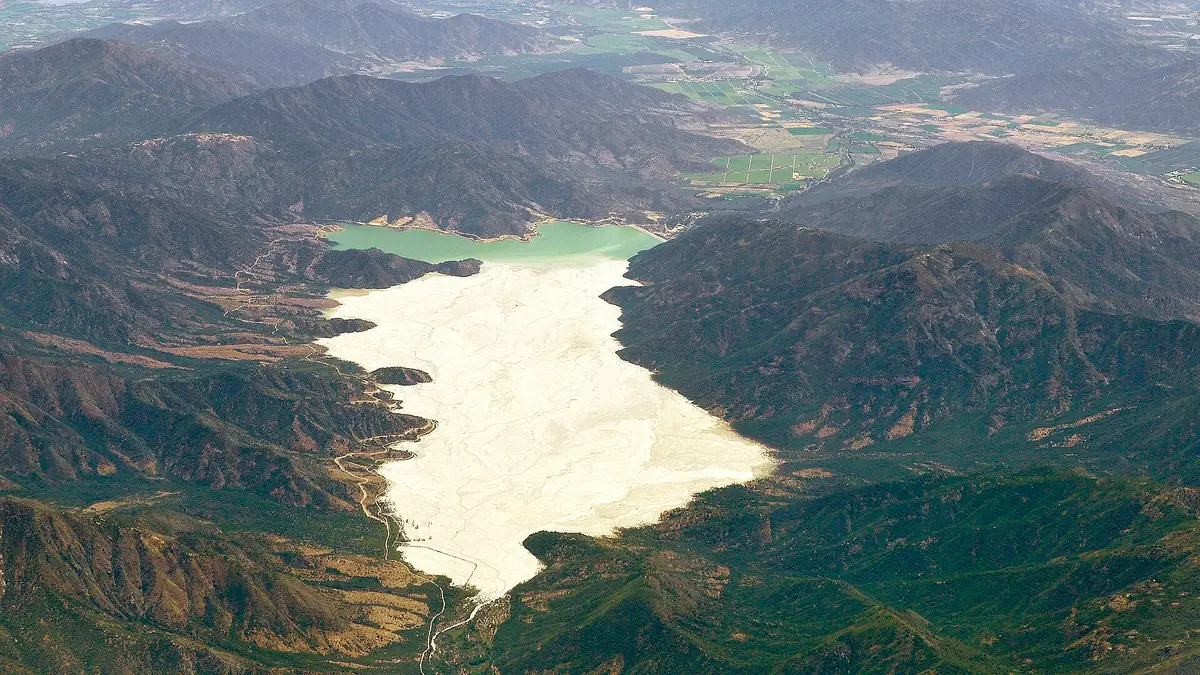
*“This platform strengthens transparency and provides concrete tools to make better decisions, anticipate risks and move towards more sustainable mining”*, said Sernageomin's national director, Mauricio Lorca. Andrés Gómez, from the agency's Territorial Analytics unit, added that the tool brings together information that previously had to be consulted separately.
The platform is aimed at public agencies, municipalities, universities, companies and citizens. For districts with many tailings deposits, such as Andacollo or Copiapó, it means being able to see on a map where each deposit is, who owns it and what state it is in. Recent spills, such as Codelco Andina's spill into the Blanco river, show why that information matters.
Frequently asked questions
How many tailings deposits are there in Chile?
Sernageomin's 2026 Tailings Deposit Register lists 839 deposits: 348 abandoned, 331 inactive, 130 active, 17 under construction, 11 removed and 2 under review.
Which region has the most tailings?
Coquimbo, with 423 deposits, half of the national total. The district with the most is Andacollo, with 129. By tonnage, however, Antofagasta leads with 12,779 million authorised tonnes.
What is Chile's largest tailings dam?
Laguna Seca, owned by Minera Escondida, with 4,500 million tonnes authorised. It is followed by Talabre (Codelco Chuquicamata) and Carén (Codelco El Teniente).
Where can the tailings register be consulted?
On Sernageomin's free public tailings platform, which lets users filter by region, status and company, view geochemical samples and download the records.