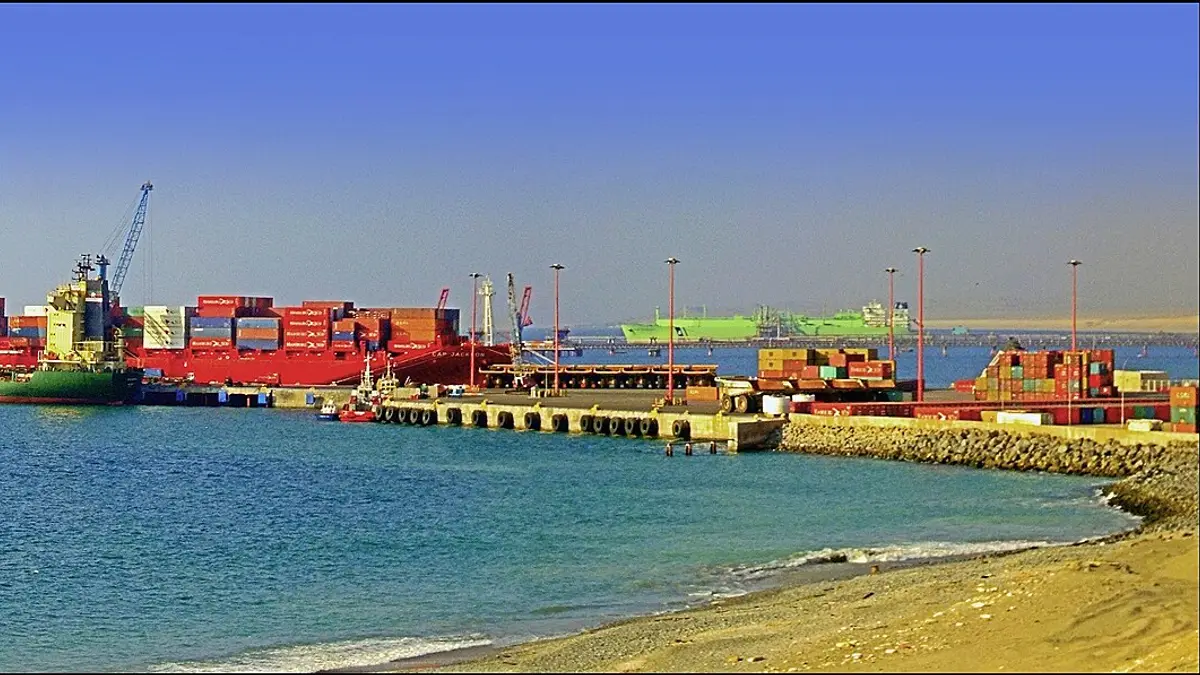
The coal-fired Angamos power plant, owned by AES Andes in Mejillones, northern Chile, has been placed under daily monitoring. On Tuesday 20 October, the Coordinador Eléctrico Nacional, Chile's grid operator, issued a requirement obliging Empresa Eléctrica Angamos to report its coal inventory and supply projections every day, because of restrictions at the Terminal Graneles del Norte (TGN), the wharf through which the fuel arrives, as reported by REDIMIN on Thursday 22.
It is a preventive measure. The plant has not run out of fuel and there have been no power supply interruptions. “The existence of a contingency in fuel supply does not automatically amount to an electricity emergency,” the report states. The daily reports began on Thursday 22 October and will continue for as long as the port contingency lasts.
What the grid operator asked of the Angamos power plant
The requirement set Wednesday 21 October as the deadline for updated information and asks for data in three areas:
| Area | What the Angamos power plant must report |
|---|---|
| Coal inventory | Projections of available coal, dates of possible stock shortfalls, their duration and the planned coal blends, with their generation autonomy |
| Port recovery | Technical inspections of the Terminal Graneles del Norte, risks of the repairs, pending permits and an updated schedule to restore the cranes |
| Supply alternatives | Use of other ports, purchase of coal stored by third parties and possible transfer of coal between Angamos and Cochrane, with volumes and dates |
| Shipments | Pending discharges, upcoming vessel arrivals and changes to the Annual Delivery Programme |
Source: requirement issued by the Coordinador Eléctrico Nacional on 20 October 2026, according to REDIMIN. The operator asked for a clear separation between measures already implemented and those still under evaluation.
The underlying concern is whether the port restrictions could reduce Angamos's generation autonomy before coal discharges return to normal. If the usable stock fell, the operator might have to change the units' schedule. The report does not specify how much coal is currently in the stockyard or how many days of operation it covers.
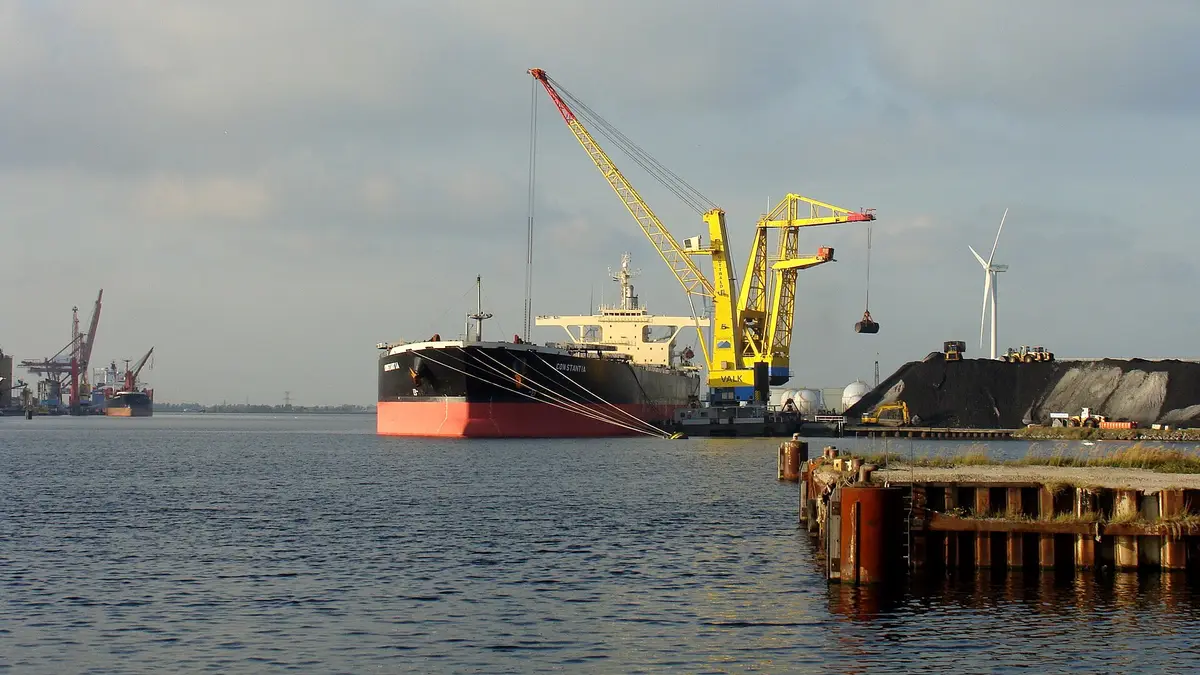
The wharf failure that supplies the Angamos power plant
The problem dates back to February 2026, when Empresa Eléctrica Angamos informed the grid operator that it had suspended the unloading of a vessel after detecting a crack in the wharf slab, next to the base of a crane. Operating the terminal at reduced capacity was considered at the time. Eight months later, the recovery of the cranes is still pending, and the operator asked whether work can be carried out on both cranes at once.
The requirement also opens a review of Cochrane, AES Andes' other coal plant in Mejillones, because one of the alternatives is to reallocate coal between the two. Together they total about 1,108 MW of installed capacity.
| Plant | Location | Units | Operating since | Installed capacity |
|---|---|---|---|---|
| Angamos | Mejillones, Antofagasta | 2 coal units | 2011 | About 558 MW |
| Cochrane | Mejillones, Antofagasta | 2 coal units | 2016 | 550 MW |
| Total | 4 units | About 1,108 MW |
Source: REDIMIN. Installed capacity is not the same as the energy the plants deliver to the grid at any given time, which depends on the dispatch ordered by the grid operator.
The Angamos power plant and the coal phase-out
Angamos is part of Chile's decarbonisation plan. AES Andes committed to making its units available for early retirement from 2025, subject to system security and adequacy conditions. The CNE's December 2025 planning studies use October 2030 as a reference date for its retirement, a technical assumption that may change, not a firm closure date.
Coal is still relevant in the north. Between January and September 2026 it generated 14.9% of the system's energy, according to the bulletin of the Chilean Renewable Energy and Storage Association (ACERA). And Mejillones has already seen change: Engie stopped using coal at its IEM plant, which now runs on natural gas, as we reported in our story on the country's first conversion.
AES Andes is also going through a change of ownership. Chile's antitrust regulator, the FNE, approved the purchase of its parent company, AES Corporation, by BlackRock-GIP and EQT funds, as we detailed in our story on the FNE approval. AES Andes has more than 4,000 MW in Chile, including battery systems.
Is there a risk of power cuts?
Based on the information available, no. The grid operator acted preventively, and the northern power system has more alternatives today than a few years ago: large solar capacity, gas plants and more than 3,000 MW of batteries that deliver energy at night, as we detailed in our story on the growth of batteries. If Angamos had to generate less, the operator would dispatch other plants, with a possible effect on marginal costs, but not necessarily on supply.
What remains open, according to REDIMIN, is the date when unloading will return to normal, the current coal stock and whether any supply alternative is already under way. Angamos's daily reports to the grid operator will make it possible to follow the situation while the contingency lasts.
How a northern power plant is supplied with coal
Chile imports all the coal used in its power plants. It arrives on bulk carriers and is unloaded at specialised terminals next to the plants, such as the one in Mejillones. From the wharf, the coal travels on conveyor belts to a stockyard, which feeds the boilers. A plant of this size consumes thousands of tonnes of coal a day when running at full load, so it depends on a regular schedule of ships.
That is why the grid operator is asking for the Annual Delivery Programme and upcoming arrivals: if a ship cannot unload, the stockyard inventory falls day by day. The alternatives, such as unloading at another port and trucking the coal or buying coal stockpiled by third parties, are possible but slower and more expensive. The Angamos contingency shows a risk that planners are watching closely as coal is phased out: plants running fewer hours and more fragile logistics.
Does your company work in generation, transmission or energy logistics? Reach Energía Futura's readers.
See advertising optionsFrequently asked questions
Why is the grid operator monitoring the Angamos power plant?
Because failures at the Terminal Graneles del Norte in Mejillones limit the unloading of the coal the plant uses. The operator requested daily stock reports as a preventive measure.
Has the Angamos power plant run out of coal?
No. According to the report, the plant has not run out of fuel and there have been no supply interruptions.
Who owns the Angamos power plant?
AES Andes. It has two coal units, of about 558 MW in total, operating in Mejillones since 2011.
When will the Angamos power plant close?
There is no firm date. The CNE uses October 2030 as a reference in its studies, and AES Andes offered early retirement subject to system security.