Chile's electricity demand could grow by between 63.9% and 98.8% by 2046, according to the *Long-Term Demand Projection for the National Electricity System 2026-2046* by the Coordinador Eléctrico Nacional, the country's grid operator, whose results were published on Thursday 22 October by REDIMIN. In the highest-growth scenario, the country would almost double its electricity consumption in twenty years.
In the medium scenario, which serves as the reference case, consumption rises from 82.6 TWh a year in 2026 to 147.3 TWh in 2046, a cumulative increase of 78.3% and average growth of about 2.9% a year. Peak system demand would reach between 20.2 and 26.4 GW, depending on the scenario.
Electricity demand to 2046 in three scenarios
The grid operator projects three scenarios depending on economic growth and the arrival of new industrial projects:
| Scenario | Demand in 2046 | Growth to 2046 |
|---|---|---|
| Conservative | 134.2 TWh a year | 63.9% |
| Medium (reference) | 147.3 TWh a year | 78.3% |
| High | 165.8 TWh a year | 98.8% |
| Starting point (2026) | 82.6 TWh a year | — |
Source: Coordinador Eléctrico Nacional, Long-Term Demand Projection 2026-2046, according to REDIMIN. The percentages for the conservative and high scenarios are those given in the report; the exact calculation depends on the base year used by the operator.
These projections are not a forecast of scarcity. According to the report itself, “projected consumption figures do not, by themselves, represent a confirmed supply deficit”. They serve as input for the generation works plan and the transmission expansion proposal, and are updated every year.
Mining, the largest electricity consumer
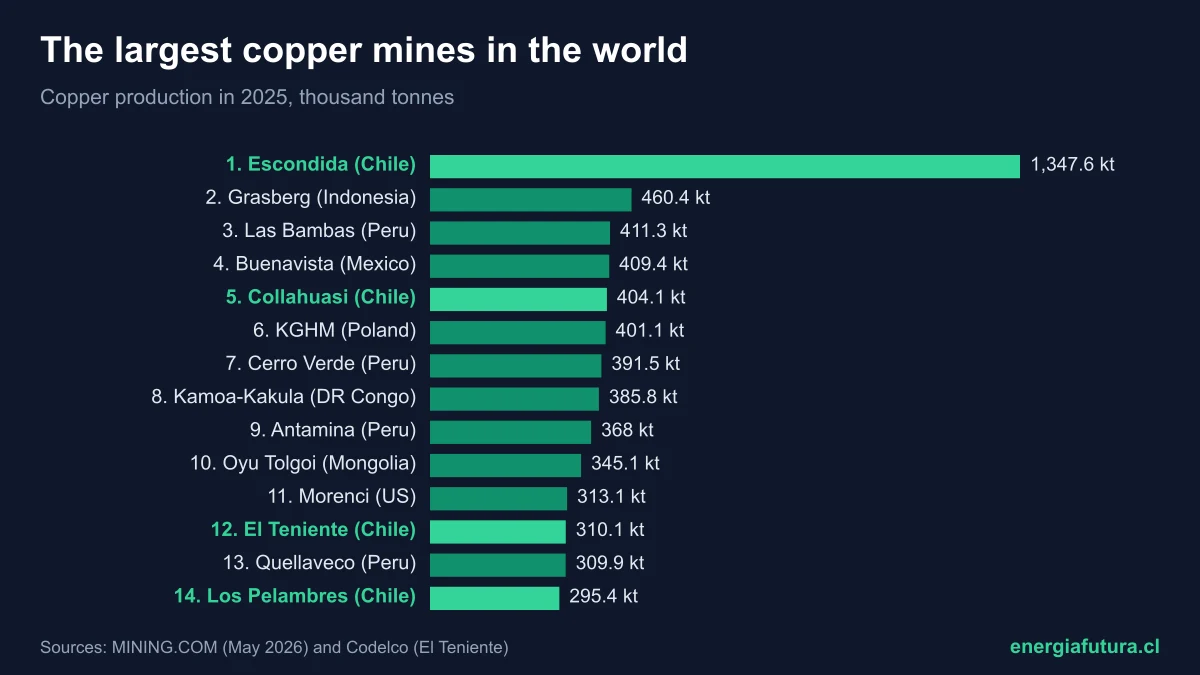
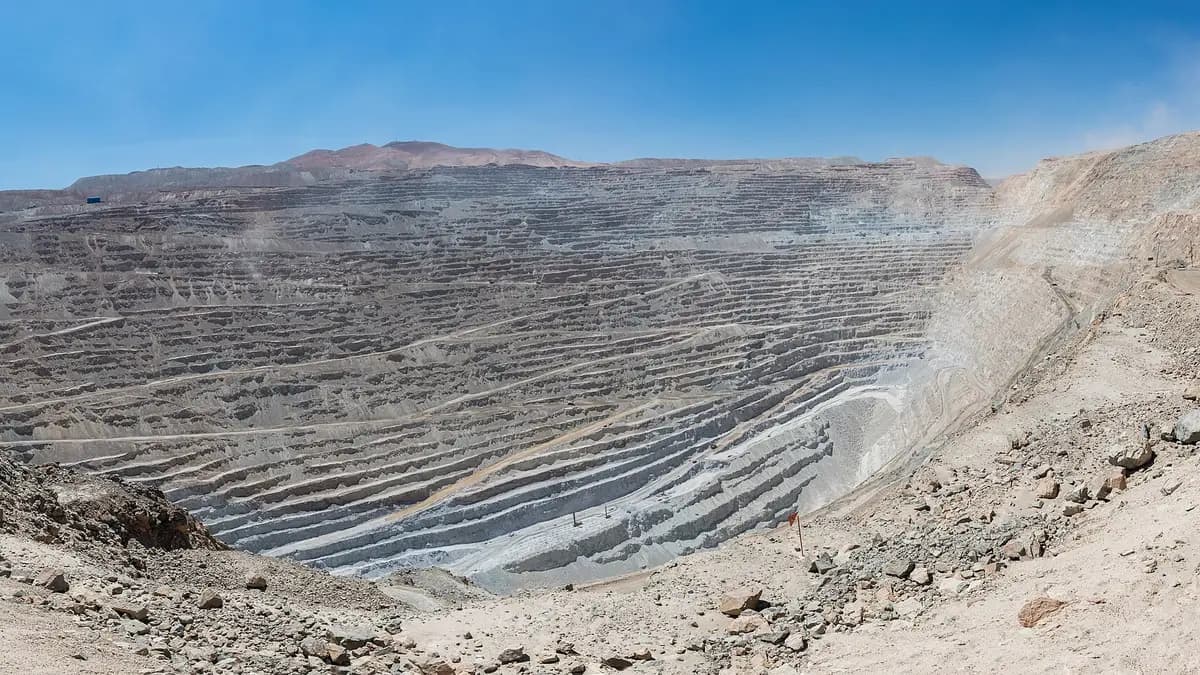
Large-scale copper mining will remain among the largest consumers, but its relative weight falls: from 35% to 36% of national demand in 2026 to 24% to 26% in 2046. “A smaller relative share does not necessarily mean a decrease in mining electricity consumption,” the report clarifies: mining keeps growing, but other activities grow faster.
The projection includes existing operations, expansion projects and desalination plants of companies such as Codelco, Antofagasta Minerals, Anglo American and El Abra. That is why the Antofagasta region would go from 18.7 TWh in 2026 to 33.1 TWh in 2046 in the medium scenario. We detailed copper output, which this year is falling to its lowest level in 23 years, in our story on the copper decline.
The new sources of electricity demand
The biggest change comes from uses that are small today. Electric mobility, electric heating and green hydrogen would account for between 16% and 22% of national demand by 2046:
| Source of demand | Projected consumption in 2046 | Comment |
|---|---|---|
| Green hydrogen and derivatives | 10.7 to 17.7 TWh a year | Supplied from the national grid |
| Electric mobility | 6.54 to 12.70 TWh a year | Cars, buses and freight vehicles |
| Electric heating | 4.09 to 6.81 TWh a year | Replacing firewood, kerosene and gas |
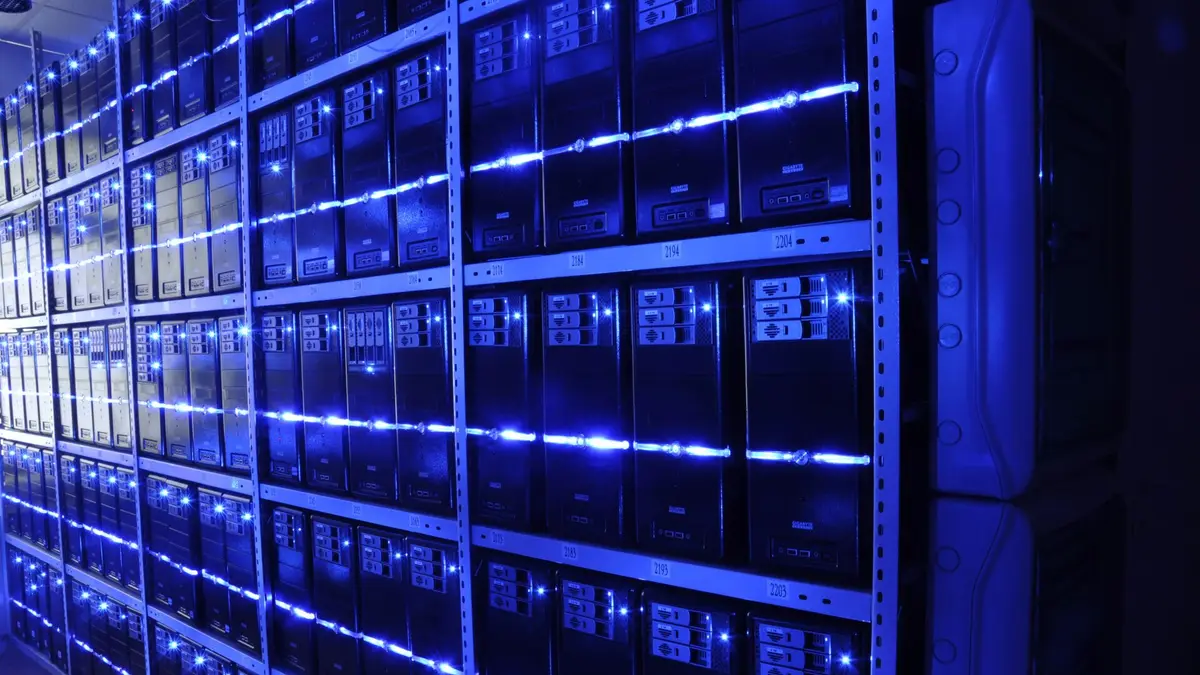
| Data centres | 3.66 to 4.13 TWh a year | From about 0.9 TWh in 2025, concentrated in the Santiago Metropolitan Region |
Source: Coordinador Eléctrico Nacional, according to REDIMIN. The ranges correspond to the different scenarios.
Data centres would quadruple their consumption, driven by the cloud and artificial intelligence. The Ministry of Energy included them for the first time as a demand factor in the preliminary report of the Long-Term Energy Planning 2028-2032, published in July.
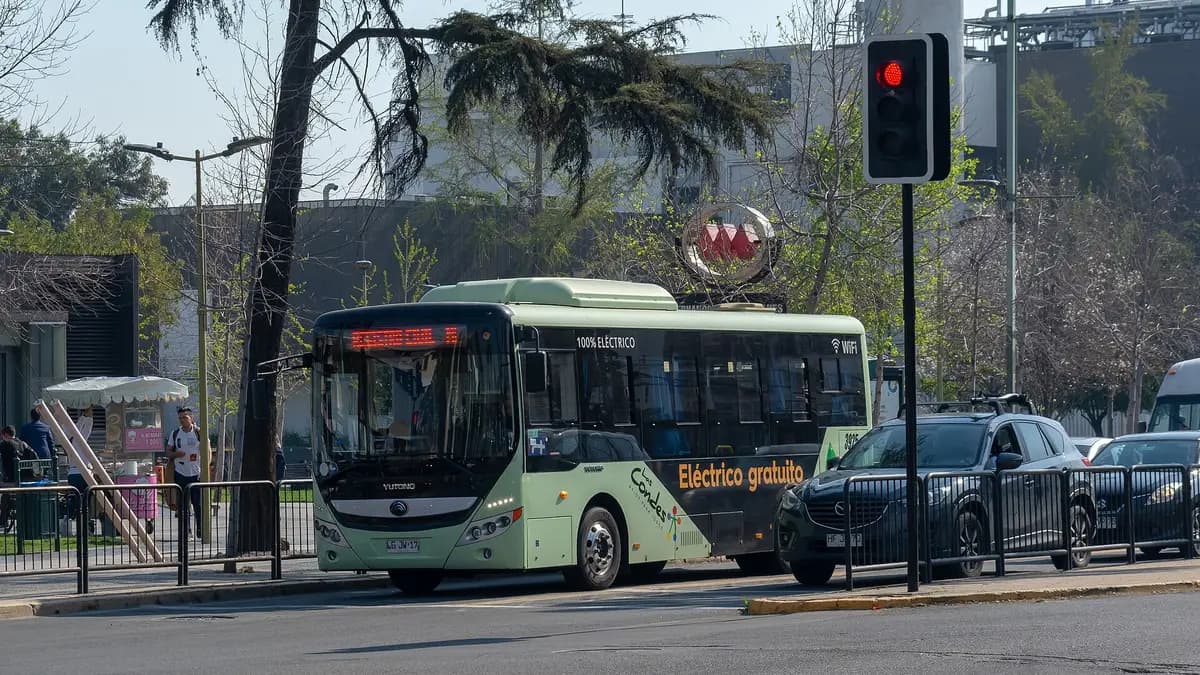
Electric mobility could consume up to 12.7 TWh, about 15% of what the whole country consumes today. An electric car that travels 15,000 km a year uses about 2,250 to 3,000 kWh, depending on its efficiency. Electric car sales in Chile, still few compared with combustion cars, are in our ranking of the best-selling electric cars.
What it means for the grid and for bills
Supplying an additional 65 TWh a year in the medium scenario requires building generation, storage and, above all, transmission. Today more than 12,000 MW of projects are waiting to connect, according to our story on the connection queue, and the system is already losing solar energy for lack of lines, so the challenge is not only to generate more but to carry that energy to where it is consumed.
For households, a system with more demand does not necessarily mean more expensive bills: if consumption grows with low-cost solar, wind and batteries, the average price may even fall, as the CNE projects for 2027 in 13 of Chile's 16 regions. But that depends on transmission arriving on time and on how the costs of expansion are shared.
Electrification also affects the trade balance: Chile imports about 98% of its oil, 80% of its gas and all the coal it consumes, according to a report by the NGO Uno Punto Cinco published this month. Every TWh of electricity demand that replaces imported fuels with local energy reduces that dependence.
How it compares with a household's consumption
To put the figures in perspective: a typical Chilean household uses about 180 kWh a month, about 2,160 kWh a year. On that basis, the additional 65 TWh in the medium scenario equals the annual consumption of about 30 million households, several times the total number of households in the country. The data centres projected for 2046 alone, with up to 4.13 TWh, would consume as much as about 1.9 million households.
The comparison shows that demand growth will not come from homes but from industry, transport and new activities such as green hydrogen. For households, the most visible change will be the electrification of heating and of the family car, which can raise a home's consumption from 180 kWh to more than 400 kWh a month, while reducing spending on firewood, kerosene or gasoline.
Does your company build generation, transmission or data centres? Reach Energía Futura's readers.
See advertising optionsFrequently asked questions
How much will Chile's electricity demand grow?
By between 63.9% and 98.8% by 2046, according to the grid operator. In the medium scenario it rises from 82.6 to 147.3 TWh a year.
Which sectors will drive electricity demand growth?
Copper mining, green hydrogen, electric mobility, electric heating and data centres.
How much electricity does mining use in Chile?
Between 35% and 36% of national demand in 2026. By 2046 it would fall to 24% to 26%, although its consumption would keep growing.
Will Chile run short of electricity?
The projection does not indicate that. The grid operator clarifies that the figures do not represent a confirmed deficit; they are used to plan generation and transmission.