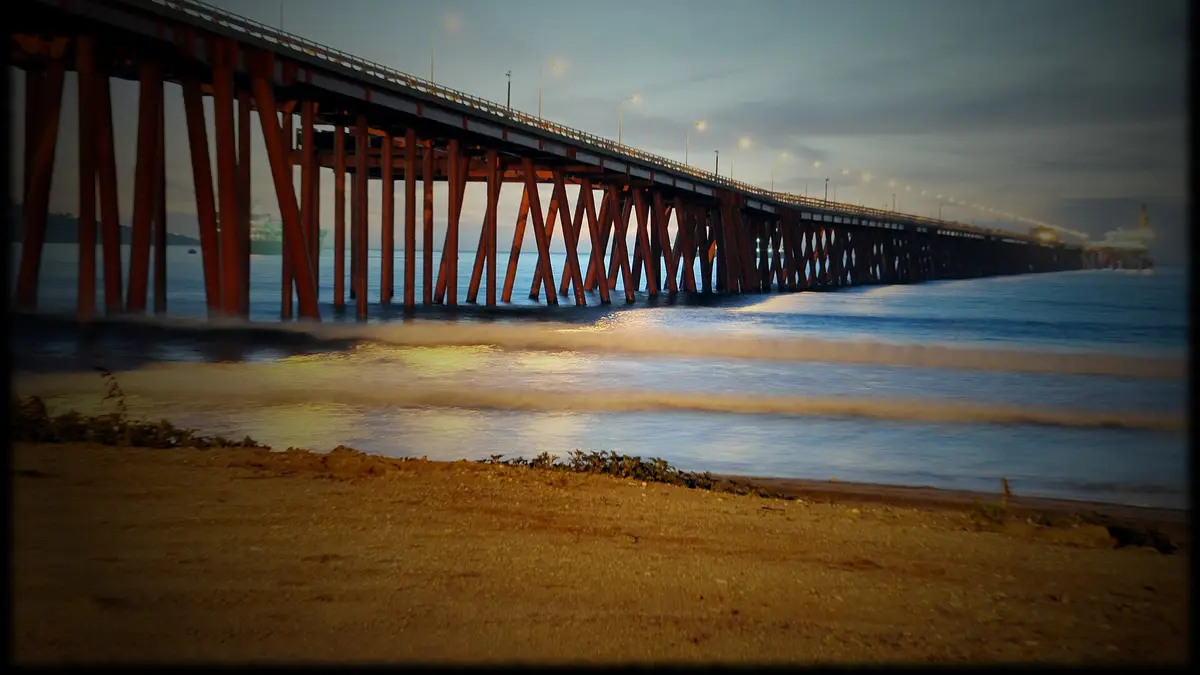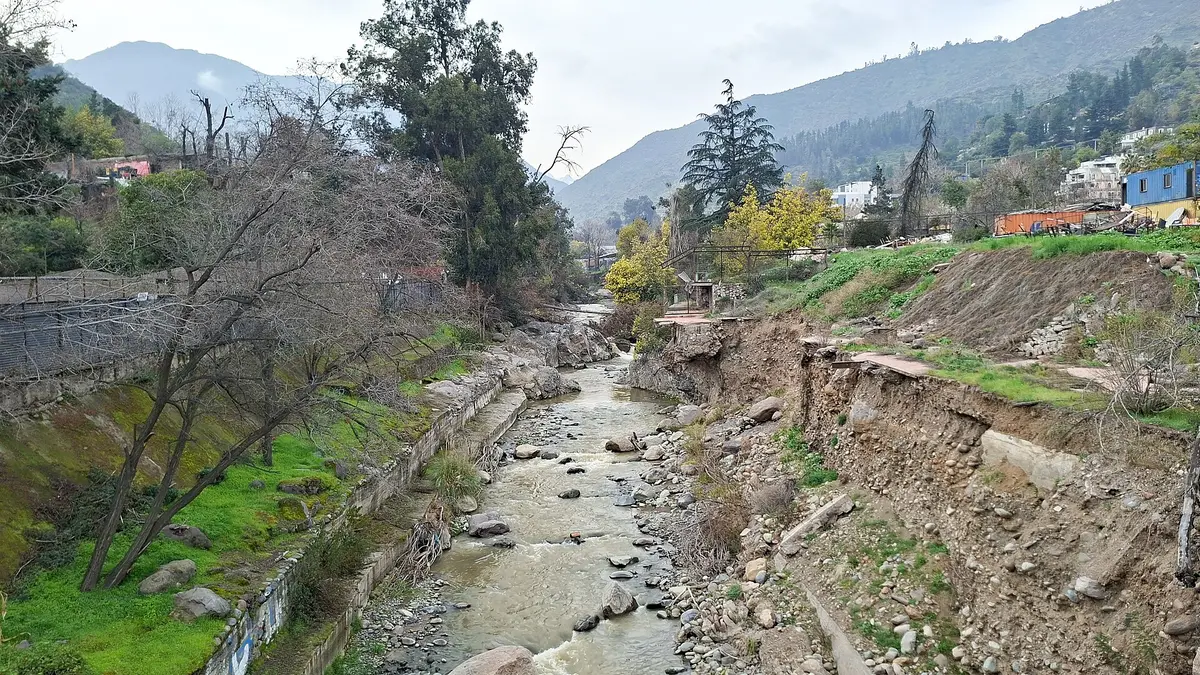
A power failure at Anglo American's Los Bronces copper mine ended with a discharge of process solution into the San Francisco stream in Lo Barnechea, on the eastern edge of Santiago. The failure hit the raffinate pumps of the Cathode Plant in the early hours of Wednesday 25 November and compromised the capacity of the containment ponds, the company said in a public statement reported by Reporte Minero.
Chile's Superintendency of the Environment (SMA) said on Thursday 26 that the overflow reached the stream for about two hours, as quoted by Chile País Minero. Downstream, water utility Aguas Andinas stopped three drinking-water plants that supply Vitacura, Lo Barnechea and Las Condes as a precaution, and restarted them at 12:30 on Thursday, according to T13. The utility ruled out any effect on the quality of the water it delivers.
View the data as a table
| Time the overflow reached the stream | ~2 hours |
| Snow piled up in some areas | 12 m |
| Drinking-water plants stopped | 3 |
What happened at Los Bronces
The Los Bronces Cathode Plant produces copper hydrometallurgically: ore is leached with an acid solution, and the dissolved copper is recovered by solvent extraction and electrowinning. The solution left after the copper is extracted, the raffinate, is pumped back to the leach pads. When those pumps stopped because of the power failure, the solution built up in the containment ponds until it exceeded their capacity.
Anglo American described the liquid as water with a high mineral content used to produce copper cathodes, and said it was contained within the mine's industrial areas. The company activated its Emergency Plan, normalised the process, stepped up water monitoring and said the incident is under control. It did not disclose the volume released or the solution's chemical composition.
| Item | What is known as of 27 November |
|---|---|
| Date and time of the failure | Early hours of Wednesday 25 November |
| Equipment that failed | Raffinate pumps at the Cathode Plant |
| Where the discharge went | San Francisco stream, next to the industrial areas |
| How long the overflow reached the stream | About two hours, according to the SMA |
| Volume released | Not disclosed |
| Composition of the solution | Not disclosed; the company calls it water with a high mineral content |
| Drinking-water plants stopped | 3 (Vitacura, Lo Barnechea and Las Condes) |
| Plants back online | 12:30 on Thursday 26 |
Source: statements by Anglo American, the SMA and Aguas Andinas, reported by Reporte Minero, Chile País Minero and T13 on 26 November 2026.
- Wednesday 25, early hoursPower failure in the cathode plant's raffinate pumpsContainment pond capacity is compromised.
- Wednesday 25Overflow reaches the San Francisco stream for about two hours
- Wednesday 25, after 18:00Report logged in the SMA's monitoring system
- Thursday 26, morningOn-site inspection; Aguas Andinas halts three plants
- Thursday 26, 12:30Drinking-water plants restart
- Thursday 26Anglo American says the incident is under control
The snowmelt that put Los Bronces under strain
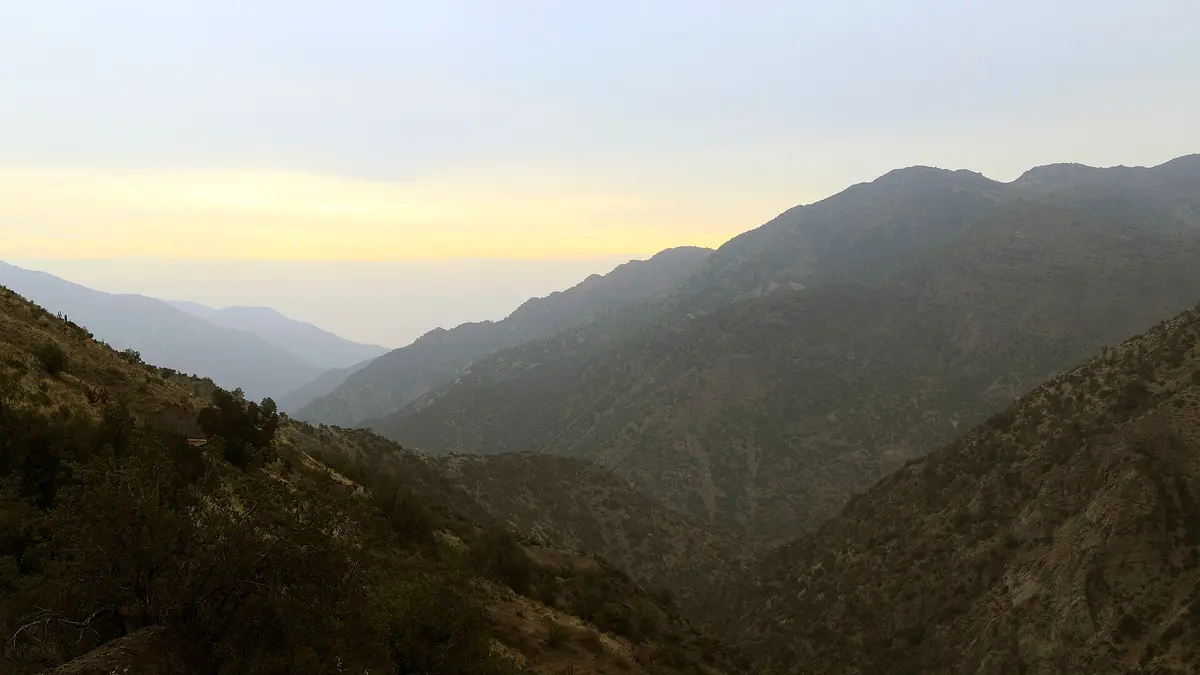
The company framed the failure within an intense snowmelt. According to its statement, snow in some areas of the mine piled up to 12 metres, twice the 6-metre average of a normal season, because of weather events linked to El Niño. The sharp rise in temperatures over recent days increased the flow in the channels and, the company said, had a direct impact on operations.
The case exposes a weak point shared by many mines: water management depends on electric pumps that have to run without interruption. A power or equipment failure in the middle of the melt season leaves less headroom in ponds and channels that are already taking more water than usual.
The SMA inspects the Los Bronces discharge
Inspectors from the SMA's Santiago regional office went to the mine together with other agencies. Their work includes on-site inspections, gathering background information and information requests to the company. The regulator is checking the scale of the event, water quality and compliance with the contingency plans in the mine's environmental permit.
The SMA said the incident report was logged in its Environmental Monitoring System after 18:00 on Wednesday 25, although the failure occurred in the early hours of that day. Anglo American says it gave immediate notice to the authorities. The time the report was logged does not, on its own, show whether there were earlier warnings through other channels. By the time this story was published, the SMA had not released results from its measurements.
| Agency or company | What it did |
|---|---|
| Anglo American | Activated its Emergency Plan, normalised the process and stepped up water monitoring |
| SMA | On-site inspection, information requests and water-quality checks |
| Aguas Andinas | Stopped 3 drinking-water plants and restarted them at 12:30 on Thursday 26 |
| Other sector agencies | Took part in the on-site inspection, according to the SMA |
Source: SMA, Anglo American and Aguas Andinas, 26 November 2026.
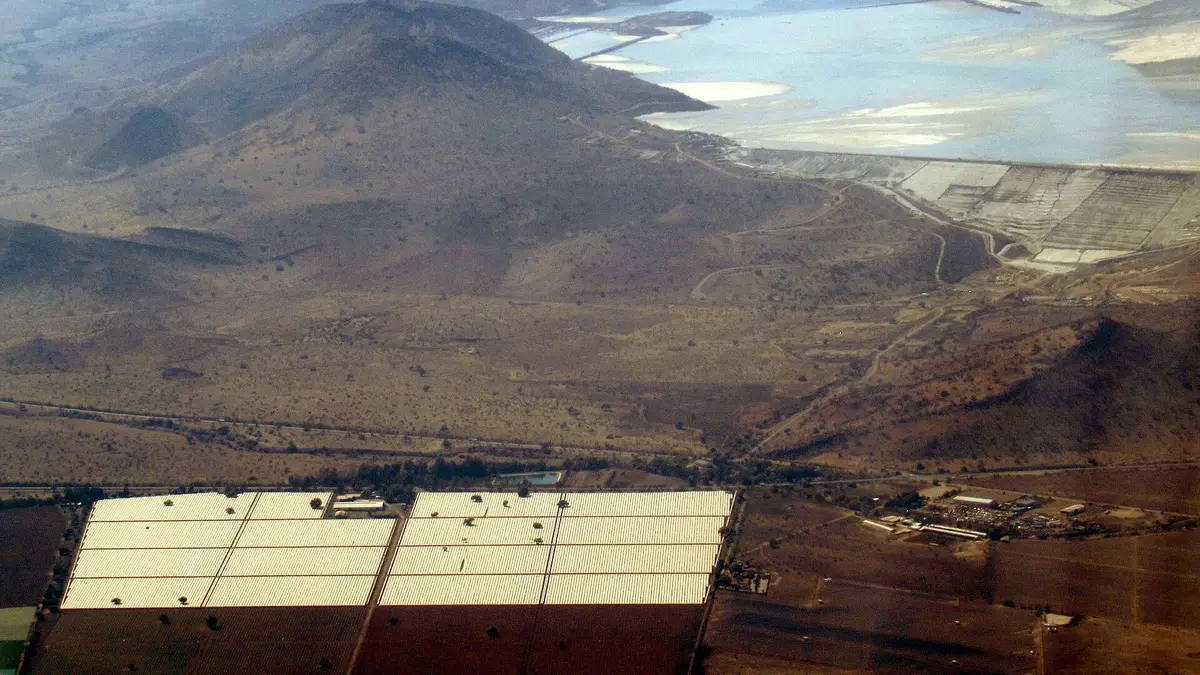
Santiago's water and mining in the Andes
Los Bronces sits more than 3,000 metres above sea level, at the head of basins that feed the Mapocho River, where Aguas Andinas draws water for eastern Santiago. That is why any anomaly in those streams triggers the utility's protocols. This time, it activated operational measures to shore up production and keep supply running while its plants were offline.
The mine has had a week of water news. On 20 November, Chile's environmental assessment service approved Anglo American's US$90 million project to control acid drainage from the Donoso Norte waste-rock dump, as we reported in our story on the Donoso Norte approval. And since September the operation has been receiving desalinated water from the Valparaíso coast through a pipeline from the plant Aguas Pacífico opened on Thursday, covered in our story on the Aurora desalination plant.
It is not the first episode of its kind in the central Andes. At Codelco's neighbouring Andina division, a tailings spill into the Blanco River also forced checks on downstream water quality, as we reported in our story on the Andina spill. In both cases, the regulator inspects and the companies must show they complied with their contingency plans.
What we still don't know
- The volume of solution that reached the San Francisco stream.
- The solution's chemical composition and the results of the company's and the SMA's water monitoring.
- Whether the SMA will open sanction proceedings over possible breaches of the contingency plan.
- What changes Anglo American will make to the pumps' backup power and pond capacity before the rest of the melt season.
Does your company provide backup power, water monitoring or water treatment for mining? Reach Energía Futura's readers.
See advertising optionsFrequently asked questions
What happened at Los Bronces on 25 November?
A power failure in the Cathode Plant's raffinate pumps caused the containment ponds to overflow, releasing process solution into the San Francisco stream for about two hours.
Was Santiago's drinking water affected?
Aguas Andinas stopped three plants supplying Vitacura, Lo Barnechea and Las Condes as a precaution and restarted them at 12:30 on Thursday 26. The company ruled out any impact on the quality of the water it distributes.
What is process solution?
It is the liquid that circulates in the production of copper cathodes by leaching. Anglo American described it as water with a high mineral content.
Will there be penalties?
The SMA is inspecting and checking compliance with the contingency plans. As of 27 November it had not announced sanction proceedings.