Between 1 and 5 cubic meters of tailings reached the Blanco River, high in the Andes of central Chile, after a blockage in the tailings transport system of Codelco's Andina Division. The state-owned copper miner said it stopped its concentrator plant, suspended tailings transport and asked an Environmental Technical Inspection Entity (ETFA) to monitor the Blanco and Aconcagua rivers, whose results, it says, show no significant variations in water quality, according to Electrominería on November 5.
The blockage was detected at kilometer 4 of the tailings flume, 24 kilometers in from the international highway (Route 60 CH), in the mountain canyon of the Blanco River. According to Codelco, it was caused by an object falling into the system, dislodged by sliding snow amid thaw conditions.
View the data as a table
| Tailings that reached the Blanco River | 1 to 5 m³ |
| Point of the blockage on the flume | km 4 |
| Distance from Route 60 CH | 24 km |
| Parameters measured by the ETFA | 3 |
What happened to Codelco Andina's tailings
Tailings are the ground material left after copper is extracted from ore at the concentrator: a mix of fine rock and water that is carried, by gravity, to the dams where it is deposited. At Andina, that transport runs along a flume that descends from the mountains in the Valparaíso Region to the Ovejería tailings dam, in Chacabuco province, in the Santiago Metropolitan Region. According to a 2010 Codelco statement, the flume is 87 km long.
When an object blocks the channel, tailings build up and can overflow. That is what happened this time at km 4, on the highest stretch of the system. Codelco says it immediately activated its emergency protocols: it stopped the concentrator, so no more tailings were produced, suspended transport and stepped up monitoring and sampling of the watercourses.
The ETFA analysis covered pH, conductivity and temperature of the water. According to the company, there were no significant variations in those parameters and no changes in the water's quality or appearance. The results were reported to the Aconcagua River Oversight Board, first section, which groups the valley's irrigators, and to Esval, the water utility that draws from the Aconcagua, so that water intake can continue normally.
| Rivers monitored | Blanco and Aconcagua |
| Who measured | An Environmental Technical Inspection Entity (ETFA), at Codelco's request |
| Parameters | pH, conductivity and water temperature |
| Result | No significant variations or changes in quality or appearance |
| Who was informed | Aconcagua River Oversight Board (1st section) and Esval |
| Measures | Concentrator plant and tailings transport stopped |
| Measure reported by Codelco | Detail |
|---|---|
| Concentrator plant | Stopped |
| Tailings transport | Suspended |
| River monitoring | Stepped up, with sampling in the Blanco and Aconcagua rivers |
| External analysis | ETFA: pH, conductivity and temperature |
| Result | No significant variations, according to the company |
| Water users notified | Aconcagua Oversight Board, 1st section, and Esval |
One caveat: pH, conductivity and temperature are basic field parameters that detect gross changes. Copper tailings can contain metals such as copper, molybdenum or arsenic, which require laboratory analysis. Codelco's public information does not mention those tests, although the company says it continues environmental follow-up with the relevant authorities.
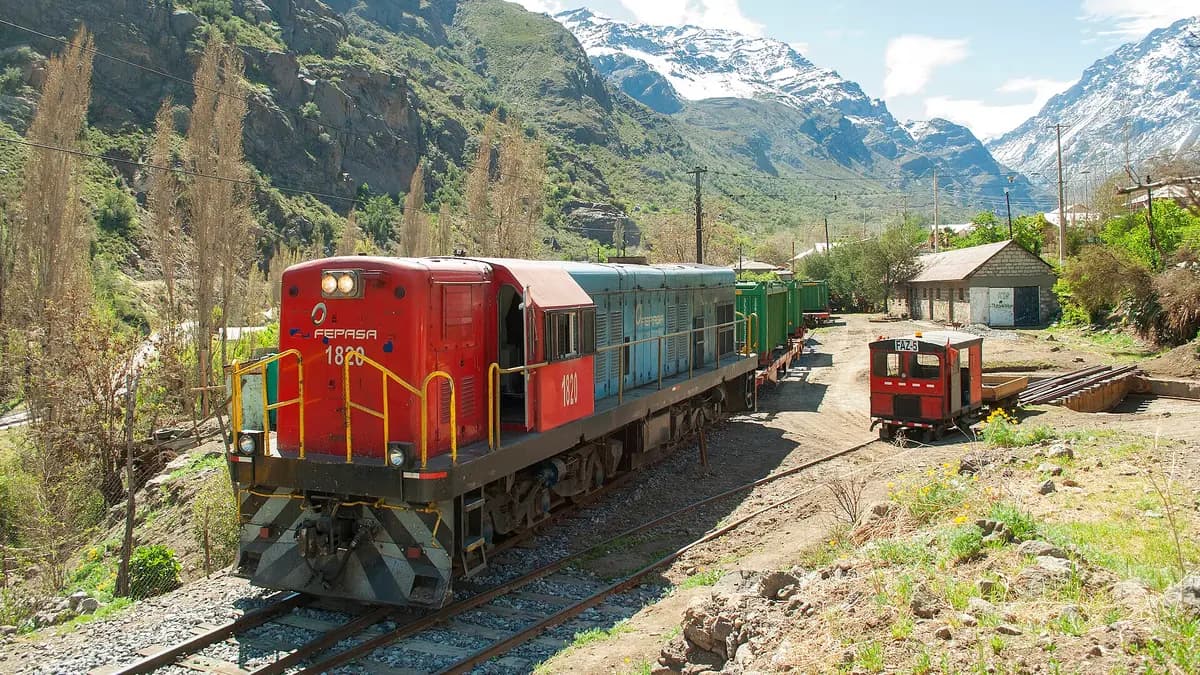
Andina's tailings incidents, a recurring story
This is not the first time Andina's tailings system has had problems. In July 2005, an operating failure caused overflows at 14 points of the flume, with 30 m³ of tailings spilled into ravines in the Chacabuco area, according to Codelco. On February 27, 2010, the earthquake dislodged a rock weighing over 5 tonnes that broke the flume in the El Toro sector, in Calle Larga.
In April 2016, a storm damaged the flume on the way to Ovejería and tailings were sent without inspecting it after a power outage; Codelco called it serious, as the second incident with environmental consequences in a short time, and suspended the division's general manager. In January 2019, a pipe rupture near km 15 sent tailings into the Blanco River. In June 2020, the Environment Superintendency (SMA) brought 11 charges against Andina, 4 of them serious, mostly over a deficient spill-control system along the pipeline, according to Reporte Minero.
- July 22, 2005Overflows at 14 points of the flume: 30 m³
- February 27, 2010The earthquake drops a 5+ t rock on the flume
- April 2016Storm breaks the flume to Ovejería
- January 2019Pipe rupture affects the Blanco River
- June 2020SMA files 11 charges, 4 serious
- November 2026Blockage at km 4: 1 to 5 m³ into the Blanco River
| Date | Incident | Reported volume or effect |
|---|---|---|
| July 2005 | Operating failure, overflows at 14 points of the flume | 30 m³ in Chacabuco ravines |
| February 2010 | Rock over 5 t breaks the flume after the earthquake | Tailings into the El Toro creek |
| April 2016 | Storm damages the flume; tailings sent without inspection | Tailings down a ravine; executives suspended |
| January 2019 | Pipe rupture near km 15 | Tailings into the Blanco River, contained before the Aconcagua |
| June 2020 | SMA brings charges | 11 charges, 4 serious |
| November 2026 | Blockage at km 4 from an object carried by snow | 1 to 5 m³ into the Blanco River |
Sources: Codelco statements (2005, 2010 and 2016), Reporte Minero (2019 and 2020) and Electrominería (2026).
Compared with those episodes, the volume reported now is smaller. But recurrence is what weighs in assessing an operation: the system crosses the Andes, exposed to snow, avalanches, earthquakes and storms, and every spill affects a basin on which irrigation and drinking water in the Aconcagua valley depend.
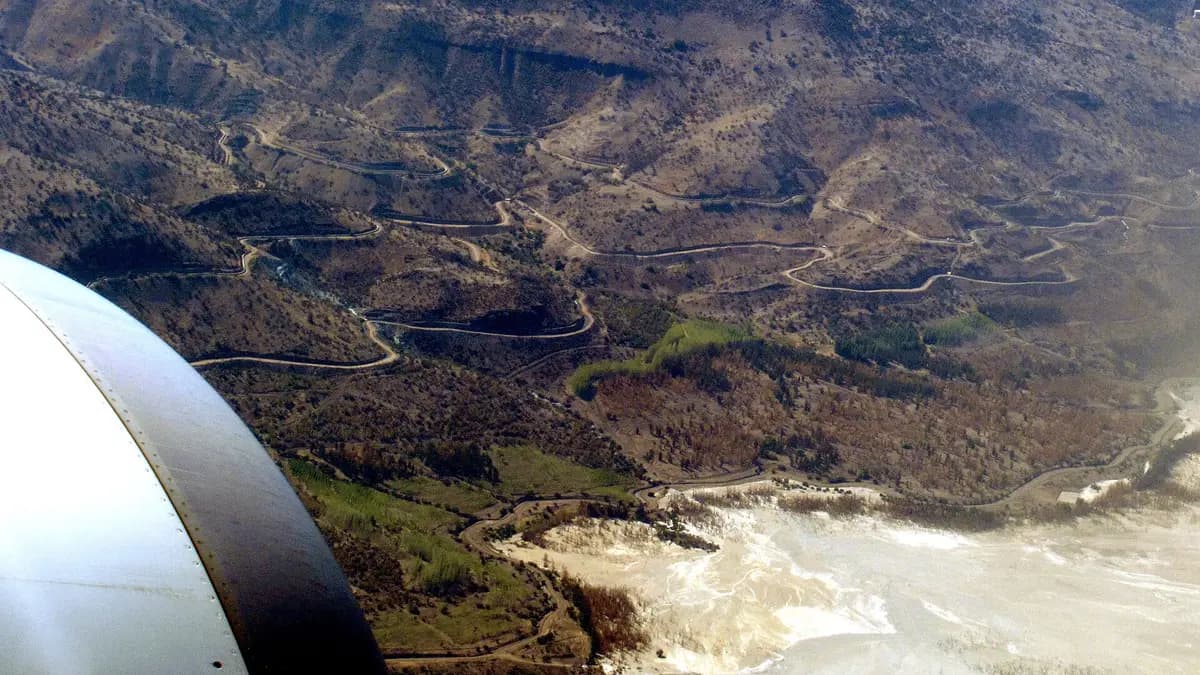
Tailings, water and sustainable mining
Tailings are the main environmental liability of copper mining. Chile has hundreds of tailings deposits, active and abandoned, and the debate on how to reduce their risk, reuse them or recover metals from them has intensified. In Chañaral, for example, Playa Verde won a permit to dredge tailings and recover copper from a bay polluted for decades.
The incident also touches on water, the other big challenge of sustainable mining. The Aconcagua basin is suffering a prolonged drought, and a recent study estimated that droughts could affect up to 10.7% of Chile's copper output by 2030. Every liter lost or polluted in the mountains is one less for irrigators, cities and the mines themselves.
Codelco did not say when the concentrator will restart or how the incident will affect output, in a year when Chile's copper production would close at its lowest level in 23 years. No action by the SMA or by mining regulator Sernageomin has been reported so far over this episode.
Does your company offer water, tailings or monitoring solutions for mining? Reach Energía Futura's readers.
See advertising optionsFrequently asked questions
How much tailings reached the Blanco River?
Between 1 and 5 cubic meters, according to Codelco.
What caused the incident at Codelco Andina?
An object falling into the tailings flume at km 4, due to a snow slide during thaw conditions.
Is the Aconcagua's water contaminated?
According to ETFA monitoring requested by Codelco, there were no significant variations in pH, conductivity or temperature, and no change in the water's appearance. Esval and irrigators were informed.
Has it happened before?
Yes. Andina had incidents in its tailings transport in 2005, 2010, 2016 and 2019, and in 2020 the SMA brought 11 charges against it, 4 of them serious.