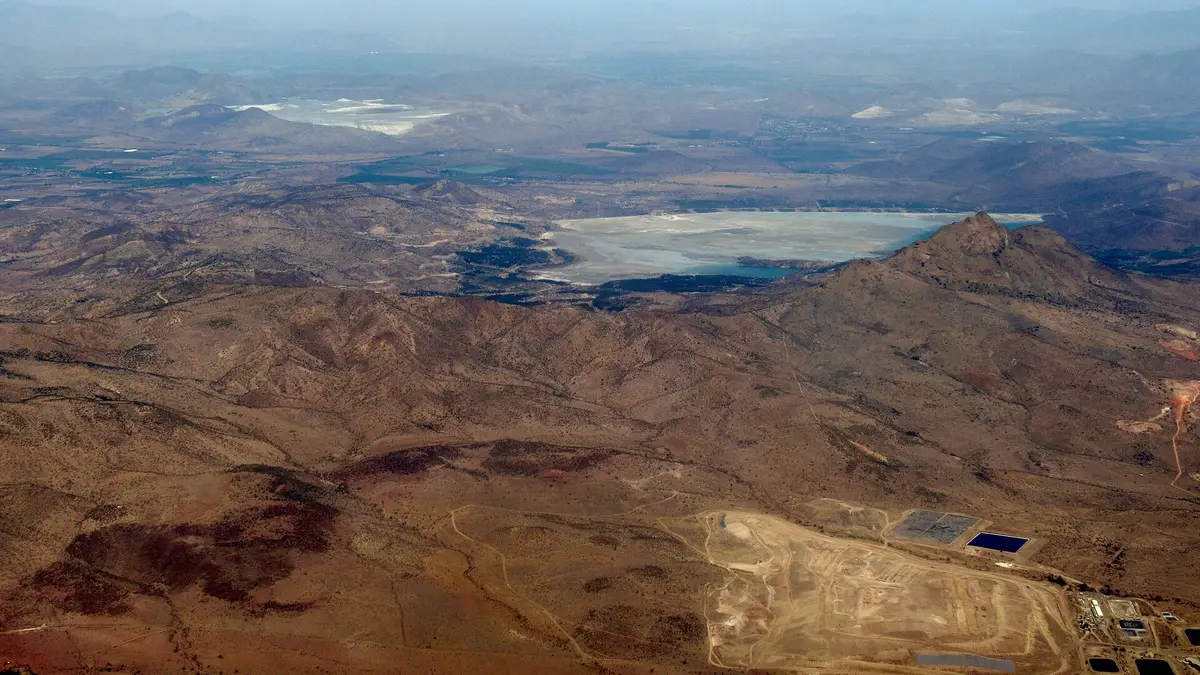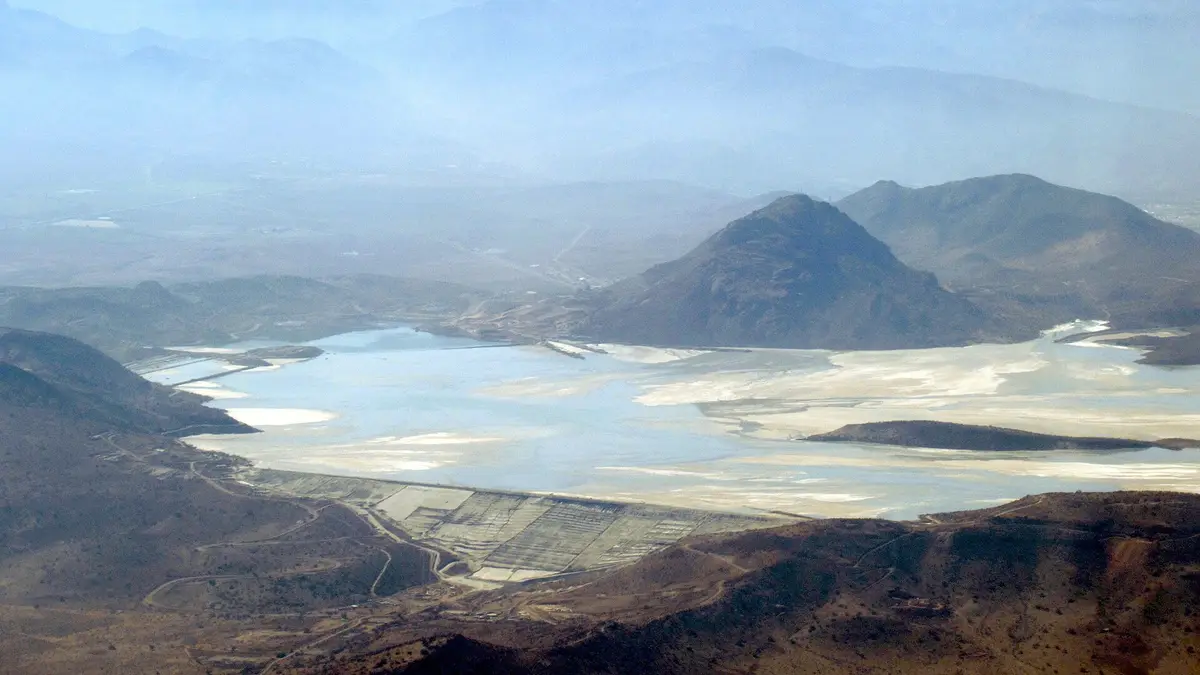
Chile's Environmental Assessment Service (SEA) approved on 20 November 2026 the project by Anglo American Sur to permanently control water from the Donoso Norte waste-rock dump at the Los Bronces mine. The project, with a stated investment of US$90 million, aims to stop water contaminated as it passes through the dump from flowing down the El Choclo micro-basin, at the head of the Aconcagua river.
The approval closes an issue more than two decades old. Environmental approval (RCA) No. 29 of 2004 already required a permanent solution if acidic water appeared at the toe of the dump, and since 2015 only a temporary system has been in place. The new RCA, issued by the SEA's Executive Directorate, appears in the project file in the SEIA and was reported by Reporte Minero.
View the data as a table
| Stated investment | US$90 million |
| Pumping of contact water | 186 l/s |
| Fresh water returned to the wetland | 8 l/s |
| Years on a temporary fix | 11 |
What the acid drainage at Donoso Norte is
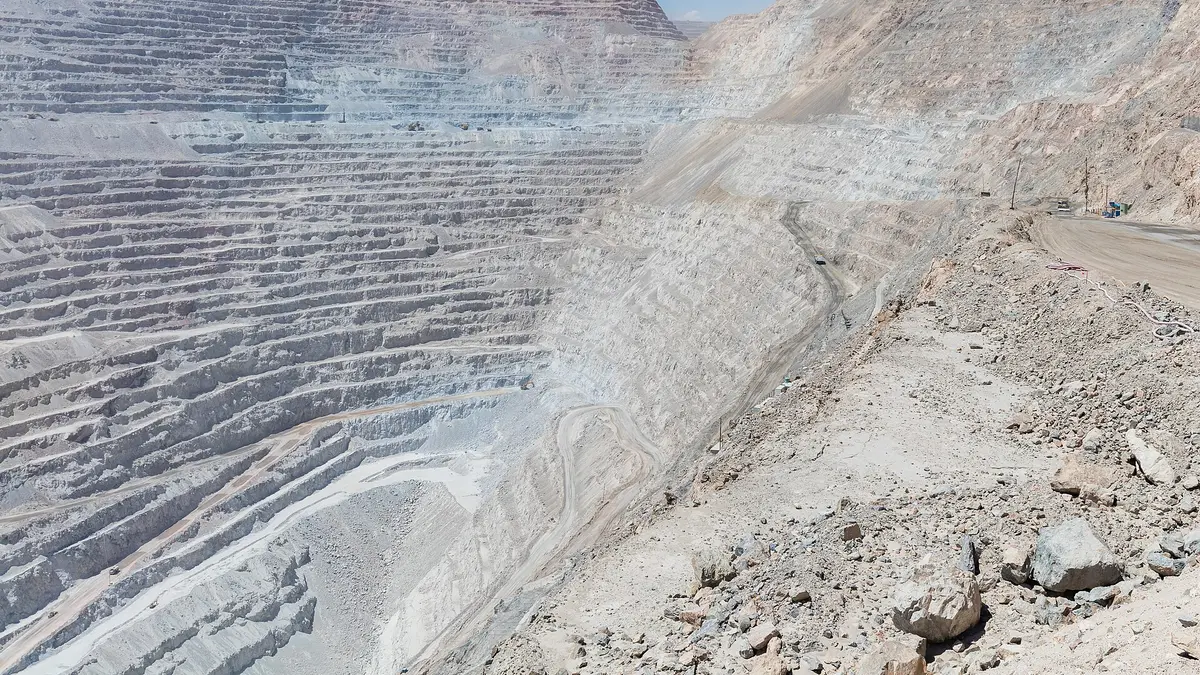
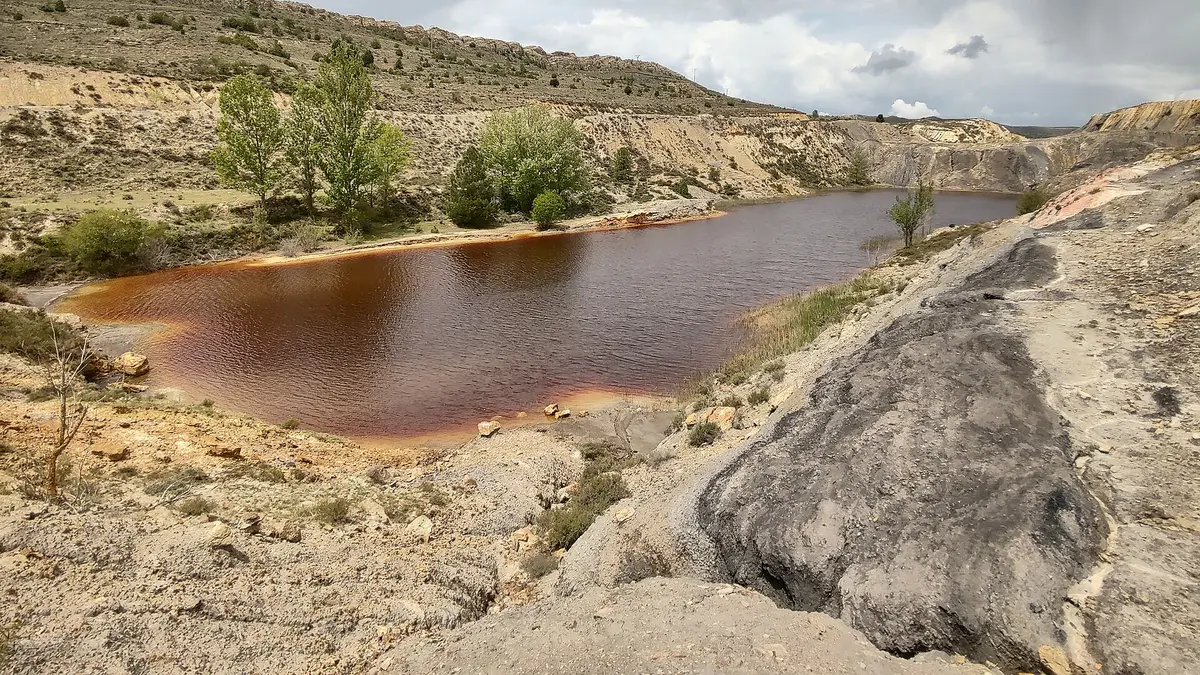
A waste-rock dump is a mountain of rock without enough grade that is removed to reach the ore. When those rocks contain sulphides and are exposed to air, water and snow, they oxidise and release acid and dissolved metals. The water that runs through them, known as acid mine drainage, can damage rivers and wetlands downstream. Water that touches the dump is called contact water; snowmelt that does not, non-contact water.
At Donoso Norte, the problem appeared after the 2004 approval. The dump has not operated since 2009, but it still generates contact water. Below it lies the Laguna Donoso south wetland, a high-mountain wetland at about 3,900 metres, in the Valparaíso Region, which has been recovering passively since the temporary system started. The project's goal is to keep that recovery going.
The works to manage water at Los Bronces
The project has three parts. The first, for contact water, adds a cut-off wall downstream of the dump to intercept underground flows, a 1,000 m³ pond and a 186 litres-per-second pumping station. From there, the water will be piped to a reservoir at the Los Bronces operation, where it is used in processing.
The second part, for non-contact water, extends and diverts the dump's South Contour Canal, with open and piped sections, to carry clean snowmelt from the southern slope of El Choclo to the south wetland. The third is a restitution system that will pipe up to 8 litres per second of fresh water from the Confluencia area, in the Santiago Metropolitan Region, to the lagoon between October and March. In winter the water freezes and there is no flow to restore.
| Contact water | Cut-off wall, 1,000 m³ pond and 186 l/s pumping | Keep it out of the El Choclo micro-basin |
| Non-contact water | Extension and diversion of the South Contour Canal | Send clean snowmelt to the Laguna Donoso south wetland |
| Restitution | Fresh-water pipe from Confluencia, up to 8 l/s | Keep the wetland's passive recovery going |
According to the SEIA file, the fresh water replaces the contact water captured in the Donoso area, to keep the water balance of the Aconcagua basin. All the works are inside the mine site, in the Donoso, Los Bronces and Confluencia areas. The project includes seven sectoral environmental permits, among them the mine closure plan and watercourse modification permits.
| Indicator | Figure |
|---|---|
| Stated investment | US$90 million |
| Filed with the SEIA | 15 October 2024 (Environmental Impact Study) |
| Approval (RCA) | 20 November 2026 |
| Contact-water pumping | 186 l/s |
| Storage pond | 1,000 m³ |
| Fresh-water restitution | Up to 8 l/s, October to March |
| Altitude of Laguna Donoso | ~3,900 m |
| Sectoral permits | 7 |
Source: SEA, project file in the SEIA, accessed on 23 November 2026.
- 2004Approval No. 29/2004If contact water appears at the toe of the dump, requires a temporary system and then a permanent one.
- 2009The dump stops operating
- 2014First SMA penaltyIncludes failing to deliver the permanent solution.
- 2015Temporary system starts
- 15 Oct 2024EIA filed with the SEIA
- Dec 2024Four SMA chargesThree serious; one for the lack of a permanent fix to acid drainage.
- 20 Nov 2026Approval grantedBy the SEA Executive Directorate.
The SMA charges that pushed the solution at Los Bronces
The lack of a permanent solution had already cost Anglo American a penalty from the Superintendency of the Environment (SMA) in 2014. In December 2024, two months after the company filed the study, the SMA brought four charges over Los Bronces, CNN Chile reported. Three were classed as serious, with fines of up to 21,000 UTA.
Two of those charges concern Donoso Norte: failing to define a permanent solution to acid drainage and failing to apply the restitution system for the captured water. Another relates to infiltration control at the Las Tórtolas tailings dam in Colina, where the company said it was optimising its hydraulic barrier. At the time, Anglo American replied that the Donoso Norte charges were being addressed in this very study.
Water in copper mining
The case adds to others in the central Andes. At Codelco's neighbouring Andina Division, a tailings spill into the Blanco river, which the company said did not alter water quality, put the issue on the agenda, as we reported in our story on the Andina spill. In the north, miners are moving away from continental water: Codelco obtained approval for Gabriela Mistral until 2055 with a commitment to stop using it in 2035.
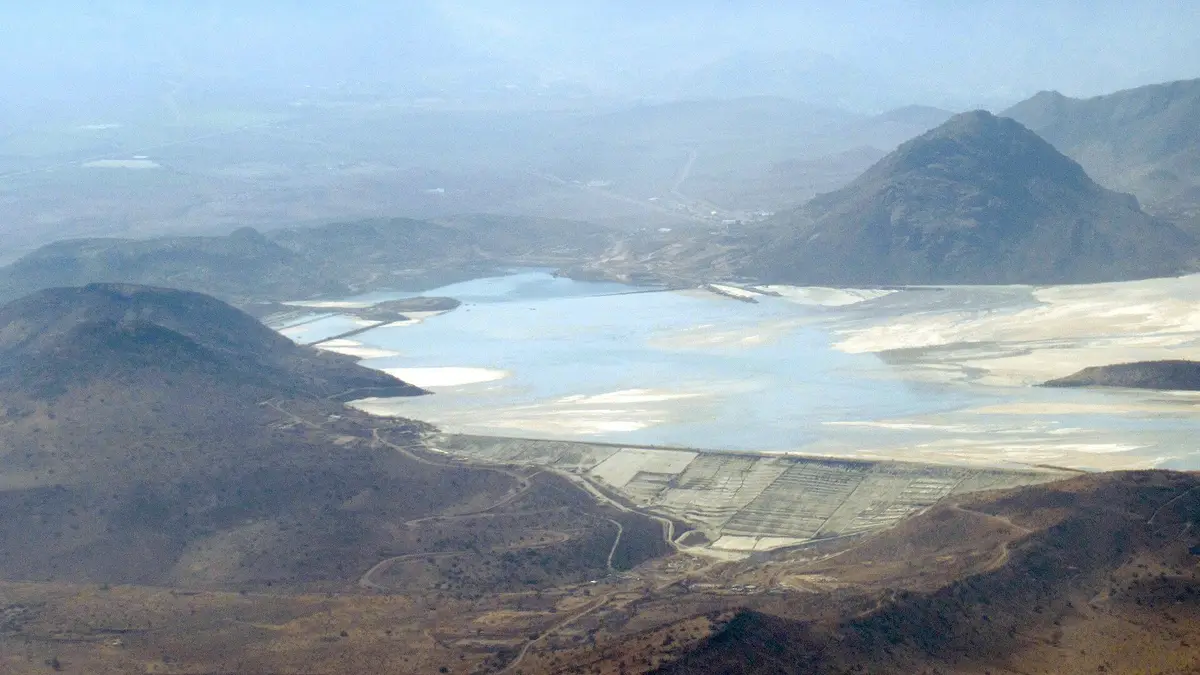
Los Bronces, by contrast, sits above 3,000 metres at the head of two basins that supply Santiago and Valparaíso, far from the sea. There the challenge is not only how much water is used, but keeping the water that flows on uncontaminated. The mining sector's balance on seawater and desalination is in our data sheet on seawater in Chilean mining.
The RCA can still be challenged: Law 19,300 allows 30 days from notification to file a claim. The approval does not by itself authorise the start of works, which require the corresponding sectoral permits.
Does your company offer water treatment, environmental monitoring or mine closure services? Reach Energía Futura's readers.
See advertising formatsFrequently asked questions
What did the SEA approve at Los Bronces?
The permanent solution to manage contact and non-contact water at the Donoso Norte waste-rock dump, with an investment of US$90 million.
Where is Laguna Donoso?
In the mountains of the Valparaíso Region, at about 3,900 metres, downstream of the Donoso Norte dump at the Los Bronces mine.
What is acid mine drainage?
Water that turns acidic as it passes through sulphide-bearing rock exposed to air and carries dissolved metals. It can affect rivers and wetlands downstream.
Can the approval be challenged?
Yes. Law 19,300 allows a claim to be filed within 30 days of notification of the RCA.