A sandwich maker such as the Oster CKSTSM400, one of the best-selling compact deep-plate models in Chile, is rated at 750 W. With five minutes of preheating and four of cooking, it uses at most 0.11 kWh, or about CLP 29 per use, with power at CLP 255.27 per kWh (CGE's BT1 residential rate in Chile since October 1, 2026). Used every day, it adds up to under CLP 900 a month. A 1,400 W panini press costs almost twice as much, and heating an electric oven for the same job costs about six times more.
This guide calculates how much electricity a sandwich maker uses, what it costs per use and per month, how it compares with a toaster, an air fryer and an oven, and what to check before buying one.
How much electricity a sandwich maker uses
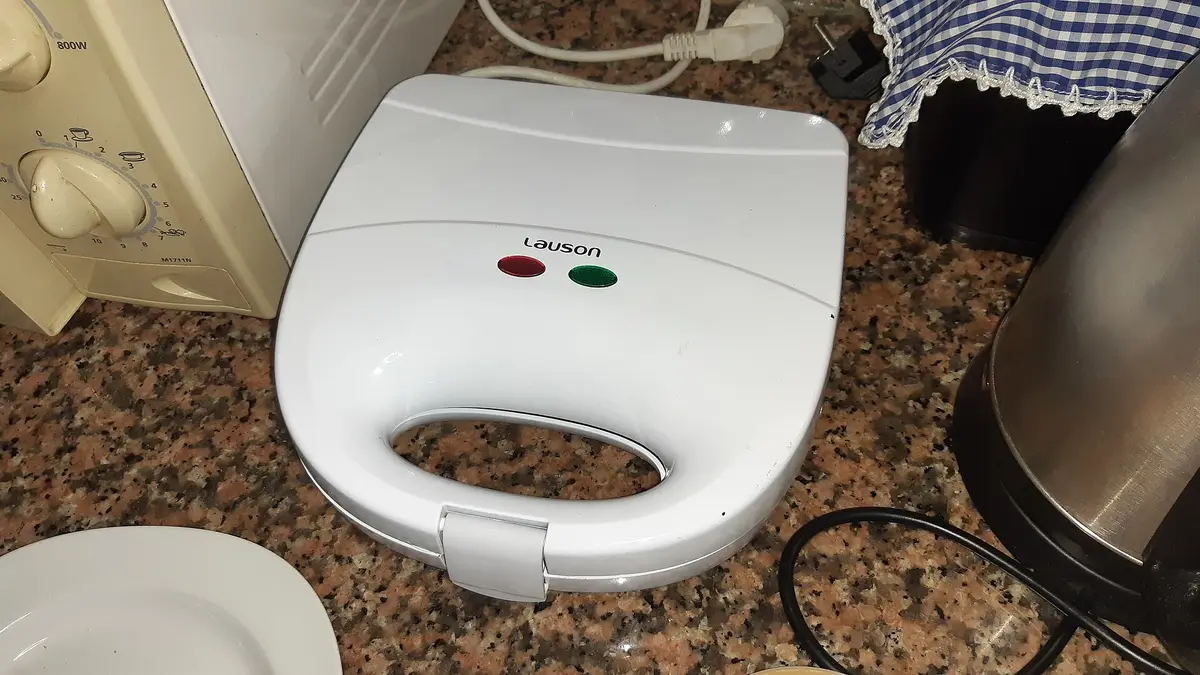
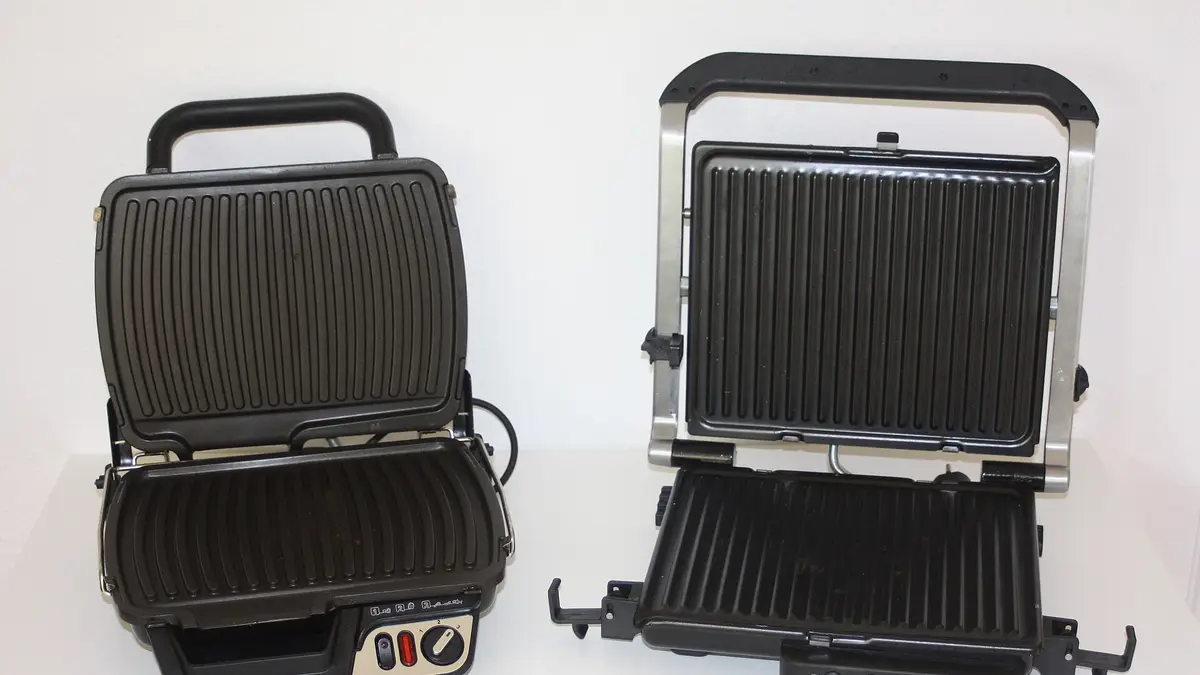
A sandwich maker is an electric heating element inside two non-stick plates, with a thermostat that switches it off and on to hold the temperature. The power rating is on the unit's label and on the retailer's spec sheet. The Oster CKSTSM400 is rated at 750 W, makes two sandwiches at a time and cost CLP 12,990 at Lider and Hites on November 1, 2026, according to the Solotodo price comparison site.
Panini presses or contact grills, with flat or ridged plates, are more powerful. The Oster 2880 compact panini press sold by Paris is rated at 1,400 W. In general, two-slice sandwich makers range from 700 to 900 W, and grills from 1,000 to 2,000 W.
| Appliance | Power | Capacity | Source |
|---|---|---|---|
| Oster CKSTSM400 sandwich maker | 750 W | 2 sandwiches | Solotodo, November 2026 |
| Oster 2880 panini press | 1,400 W | 2 sandwiches | Paris, November 2026 |
| Toaster | 700 to 1,600 W | 2 to 4 slices | Energía Futura toaster guide |
| 4-litre air fryer | About 1,300 W | — | Energía Futura air fryer guide |
| 48-litre electric oven | About 2,000 W | Several portions | Energía Futura oven guide |
Sources: Chilean retailer spec sheets checked on November 1, 2026, and earlier Energía Futura guides. The exact power of each model is on its label, under the unit.
What a sandwich maker costs in Chilean pesos
For the calculation we assume five minutes of preheating, until the ready light comes on, and four minutes of cooking: nine minutes in total. We take full power for the whole time, even though the thermostat cuts the element at times. That is why the result is a ceiling: the real cost is usually somewhat lower.
| Use of the 750 W sandwich maker | Energy | Cost |
|---|---|---|
| One use (two sandwiches, 9 minutes) | 0.11 kWh | CLP 29 |
| A second batch right after (4 more minutes) | 0.05 kWh | CLP 13 |
| Three times a week (13 uses a month) | 1.46 kWh | CLP 373 a month |
| Every day (30 uses a month) | 3.38 kWh | CLP 862 a month |
Energía Futura calculations with power at CLP 255.27 per kWh, rounded. The second batch costs less because the sandwich maker is already hot: it pays to make all the sandwiches at once.
To put it in perspective: the 3.38 kWh of a month of daily use are less than 2% of the 180 kWh that Chile's National Energy Commission uses as a household's reference monthly consumption. The guide to how much electricity a house in Chile uses per month helps show which appliances really move the bill.
Compared with a toaster, an air fryer and an oven: which uses least
A hot sandwich can be made in several ways. The table compares the cost of a batch of two sandwiches in each appliance, with typical times and the power ratings from the previous table.
| Appliance | Time for two sandwiches | Energy | Cost |
|---|---|---|---|
| Toaster (bread only) | 2 to 3 minutes | 0.04 to 0.08 kWh | CLP 9 to 20 |
| 750 W sandwich maker | 9 minutes | 0.11 kWh | CLP 29 |
| 1,300 W air fryer | 8 minutes | 0.17 kWh | CLP 44 |
| 1,400 W panini press | 9 minutes | 0.21 kWh | CLP 54 |
| 2,000 W electric oven | 20 minutes including preheating | 0.67 kWh | CLP 170 |
Energía Futura calculations with power at CLP 255.27 per kWh. The toaster range comes from the guide to how much electricity a toaster uses and which to choose, which only toasts the bread and does not melt the cheese. The air fryer and oven times are typical-use assumptions.
The conclusion: for one or two sandwiches, the sandwich maker is the most efficient electric option after the toaster, because it heats the bread on both sides at once and does not have to heat the air in a cavity. The oven only makes sense when many portions are cooked together; the guide to how much electricity an electric oven uses shows when it is justified.
What it costs per year and how quickly it pays for itself
In a household that makes hot sandwiches every day, the difference between appliances shows up over a year. The table compares the annual electricity cost of a daily use of two sandwiches, always with power at CLP 255.27 per kWh.
| Appliance (one daily use) | Energy per year | Cost per year | Difference from the sandwich maker |
|---|---|---|---|
| 750 W sandwich maker | 41 kWh | CLP 10,482 | — |
| 1,300 W air fryer | 63 kWh | CLP 16,150 | +CLP 5,668 |
| 1,400 W panini press | 77 kWh | CLP 19,566 | +CLP 9,084 |
| 2,000 W electric oven | 243 kWh | CLP 62,115 | +CLP 51,633 |
Energía Futura calculations with 365 uses a year and the times in the previous table. If the price per kWh rises, the differences grow in the same proportion.
With those figures, a CLP 12,990 compact sandwich maker pays for itself against the electric oven in about 92 uses, or three months of daily use: each time it is used instead of the oven it saves about CLP 141. Compared with an air fryer, which is already in many kitchens, the sandwich maker saves about CLP 15 per use, so it is not worth buying for savings alone if the air fryer already does the job.
There is a cost that does not show up on the electricity bill: lifespan. Non-stick plates wear with use and metal utensils, and a cheap sandwich maker that lasts two years can end up costing more than a better one that lasts five. That is why it is worth checking the warranty, which at Chilean retailers is usually one year, on top of the six-month legal warranty set by consumer protection law.
Does your company sell efficient appliances or small kitchen appliances? Reach Energía Futura's readers.
See advertising formatsWhich model to buy
- Compact deep-plate sandwich maker (700 to 900 W): the cheapest to run and to buy; it seals the edges of the bread and works with sliced bread.
- Panini press or grill (1,000 to 2,000 W): it uses more, but takes rustic breads and rolls, and also meat or vegetables; it is worth it if it will double as a kitchen grill.
- Removable plates: easier to wash, although fixed-plate models are usually cheaper.
- Ready light: it shows when preheating is done and avoids leaving it on for too long.
- Size for the household: a two-sandwich model is enough for one or two people; for a family, a four-sandwich model avoids several batches.
- Check the power on the label: between two similar models, the one with fewer watts uses less per minute, although it may take a little longer.
How to spend less when making hot sandwiches
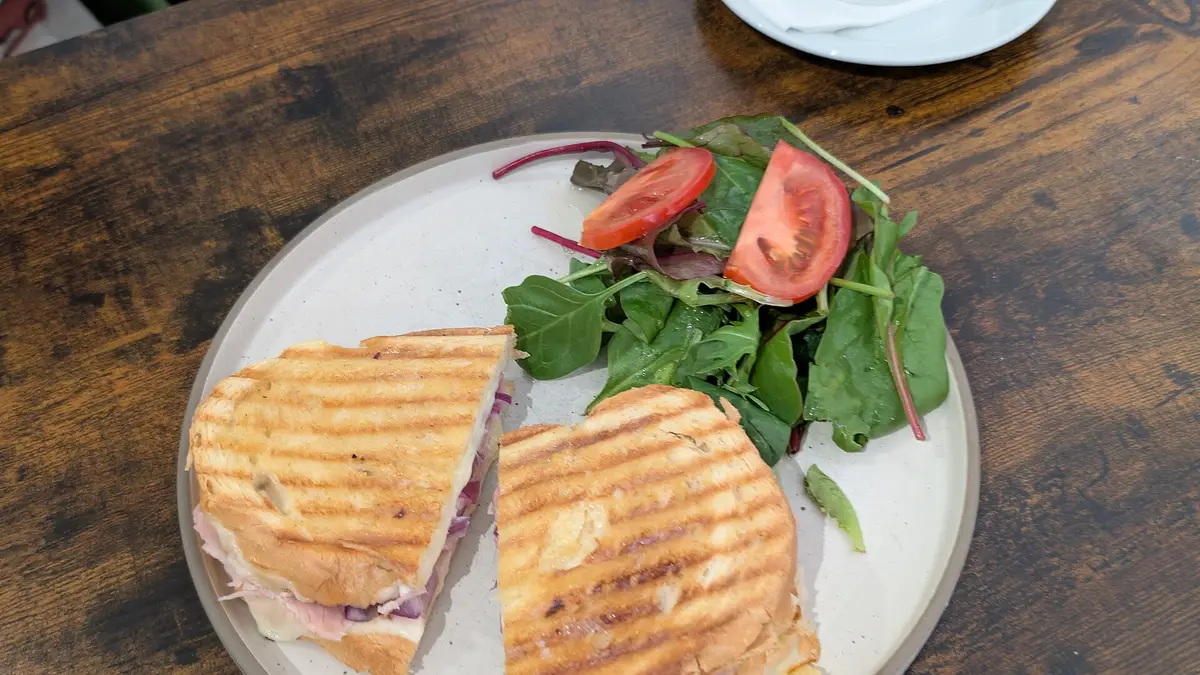
- Make all the sandwiches at once: the second batch costs about CLP 13, less than half the first.
- Do not preheat for too long: when the ready light comes on, the sandwich maker is already up to temperature.
- Unplug it when you finish: many sandwich makers have no switch and the element keeps working while they are plugged in.
- Keep the plates clean: burnt residue reduces contact with the bread and lengthens cooking.
- Use the toaster if you only want toast: it costs between CLP 9 and 20 per batch.
Frequently asked questions
How much electricity does a sandwich maker use?
A 750 W sandwich maker uses at most 0.11 kWh in a nine-minute use, about CLP 29 with power at CLP 255.27 per kWh.
How many watts does an Oster sandwich maker have?
The Oster CKSTSM400 compact sandwich maker is rated at 750 W, according to its Chilean retail spec sheet. The Oster 2880 compact panini press is rated at 1,400 W.
How much does a sandwich maker cost per month?
Used every day, about CLP 862 a month; three times a week, about CLP 373. These are maximum values, because the thermostat cuts the element at times.
Which uses more, a sandwich maker or an electric oven?
The oven. Heating a 2,000 W electric oven for two sandwiches costs about CLP 170; the sandwich maker, about CLP 29.
How quickly does a sandwich maker pay for itself compared with the oven?
A CLP 12,990 sandwich maker saves about CLP 141 each time it replaces the electric oven for two sandwiches. It pays for itself in about 92 uses, around three months of daily use.
Is it dangerous to leave the sandwich maker plugged in?
Many sandwich makers have no off switch and keep heating while plugged in. It is best to unplug them when you finish, to avoid unnecessary consumption and the risk of overheating.