The Antofagasta Environmental Assessment Commission (Coeva) on Friday, October 30, 2026, unanimously approved two solar parks with batteries in the municipality of María Elena, with a combined investment of US$688 million. One is Elena 2, by Spain's Grenergy, worth US$577 million; the other is a US$111 million plant by SQM that will supply solar power to its Coya Sur nitrate operation, according to La Tercera and CNN Chile.
The SQM project is the one that matters for sustainable mining: a 76.5 MWp plant with a 320 MWh battery system able to deliver 20 MW for 16 continuous hours, designed mainly for the operation's self-consumption. In other words, a mining site that will be able to run on solar power at night as well.
Both projects were processed as Environmental Impact Statements (DIA) and had a favorable recommendation from the Environmental Assessment Service (SEA) in its Consolidated Evaluation Report. The next step is the formal issuance of the Environmental Qualification Resolutions (RCA). Approval does not mean the US$688 million has already been invested.
SQM's solar power for Coya Sur, in detail
The project's formal name is Photovoltaic Park and Transmission Line to Supply SQM Facilities. According to REDIMIN, it includes 121,498 panels, a substation stepping voltage up from 33 to 66 kV and a line of about 7 kilometers to the company's existing electrical infrastructure.
| SQM project | Figure |
|---|---|
| Investment | US$111 million |
| Installed solar capacity | 76.5 MWp |
| Panels | 121,498 |
| Batteries | 320 MWh / 20 MW |
| Battery duration | Up to 16 hours continuous |
| Transmission line | About 7 km, 66 kV |
| Construction | 24 months, up to 300 workers |
| Useful life | 30 years |
| Main use | Self-consumption at Coya Sur; can inject into the grid |
Source: REDIMIN and La Tercera, October 30, 2026, based on the DIA and the SEA's Consolidated Evaluation Report.
The ratio between panels and batteries is unusual. With 320 MWh for only 20 MW of discharge, the system favors duration over power: it is designed to sustain a steady industrial load through the night, not to sell energy into the evening peak. It is a typical setup for operations that run around the clock.
SQM filed the project in December 2025 and the review took 304 days, 24% faster than the 2025 average for DIAs, according to the SEA as quoted by La Tercera. Coya Sur, near María Elena, is the complex where the company produces nitrates, such as potassium nitrate, from caliche ore.
Elena 2: 566 MWp and seven hours of batteries
The largest project of the session was Elena 2, by GR Cabo de Hornos SpA, a Grenergy company. It includes 906,528 modules, 566.58 MWp of installed capacity, 467.5 MW nominal and a 430 MW / 3,010 MWh BESS with about seven hours of continuous discharge. Unlike the SQM project, all its energy will go to the National Electric System (SEN).
| Indicator | Elena 2 (Grenergy) | SQM plant (Coya Sur) | Total |
|---|---|---|---|
| Investment | US$577 million | US$111 million | US$688 million |
| Solar capacity | 566.58 MWp | 76.5 MWp | 643 MWp |
| Battery energy | 3,010 MWh | 320 MWh | 3,330 MWh |
| Battery power | 430 MW | 20 MW | 450 MW |
| Battery duration | About 7 hours | Up to 16 hours | — |
| Land area | About 895 hectares | Not reported | — |
| Peak construction workforce | About 400 | Up to 300 | — |
| Energy destination | SEN | SQM self-consumption | — |
Source: REDIMIN and La Tercera, October 30, 2026. Totals calculated by Energía Futura.
Under the developer's schedule, Elena 2 works would start in July 2027 and operations in April 2029, with about 20 months of construction. The project will feed into the Kimal substation, the same one targeted by Pampa del Desierto, the new Grenergy project filed for environmental review on October 29 with another 3,010 MWh of batteries.
Why miners want their own solar power
The SQM plant is part of a trend: more and more miners are building or contracting renewable energy next to their operations, instead of buying it only from the grid. Last week, for example, Sungrow filed a 75 MW solar plant with batteries inside Escondida, the world's largest copper mine.
There are three reasons: cost (solar is the cheapest energy in northern Chile), traceability (buyers of copper, lithium and fertilizers want products with a lower carbon footprint) and security of supply (an on-site plant with batteries reduces exposure to grid failures). To see how far each major company has come, read how much renewable energy each major miner uses in Chile.
María Elena, Chile's capital of solar power with batteries
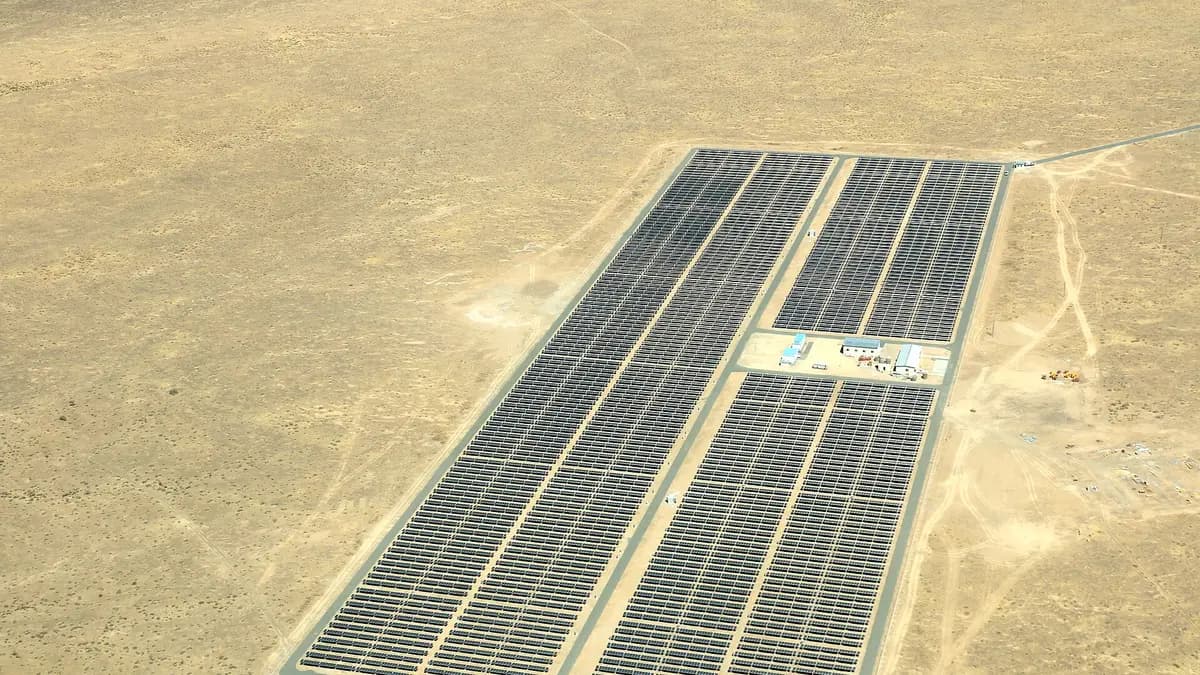
The municipality of María Elena, in Tocopilla province, has become one of the country's main hubs for solar power with storage. Besides Elena 2 and the SQM plant, it is home to Grenergy's Oasis de Atacama platform, which opened a new phase in June 2026, according to REDIMIN, and the Cerro Dominador concentrated solar power plant.
With the two projects approved on October 30 and Pampa del Desierto under review, that municipality alone has more than 6,300 MWh of new batteries in the pipeline between approved and pending projects, according to Energía Futura's sum of the developers' figures.
Does your company work in energy for mining, storage or solar projects? Reach Energía Futura's readers.
See advertising optionsFrequently asked questions about the solar power approved in Antofagasta
Which projects did the Antofagasta commission approve on October 30?
Two solar parks with batteries in María Elena: Grenergy's Elena 2 (US$577 million) and SQM's plant for Coya Sur (US$111 million). Both were approved unanimously.
What will SQM use the energy for?
Mainly for self-consumption at its Coya Sur nitrate operation. It can inject into the National Electric System if operating conditions require.
How many hours do SQM's batteries last?
Up to 16 continuous hours at 20 MW, with a capacity of 320 MWh.
When will they be built?
Elena 2 plans to start works in July 2027 and operate in April 2029. The SQM project envisages 24 months of construction; no start date was reported.
Does approval mean the investment has been made?
No. It is a favorable environmental rating. The investment depends on each company deciding to build.