Chile's electricity bills will fall by an average of 4.4% from January 2027, a tenth of a point more than projected in October. That is the figure in the Final Technical Report on the Average Node Price (Precio de Nudo Promedio) from the National Energy Commission (CNE), which Energy Minister Ximena Rincón presented on Tuesday 17 November 2026. The cut will reach 13 of the country's 16 regions; in Los Ríos, Los Lagos and Magallanes, bills will go up.
The largest cuts are in the north: Antofagasta, 11%, Atacama, 10.2%, and Arica y Parinacota, 9.9%. In the Santiago Metropolitan Region the bill will fall 4%, according to the Ministry of Energy.
View the data as a table
| National average change | -4.4% |
| Largest cut: Antofagasta | -11% |
| Largest rise: Los Ríos | +6% |
| Average price of the new contracts | US$67/MWh |
How much electricity bills fall in each region
The final report keeps the ranking of the preliminary one but moves some figures. Ñuble goes from a 4.2% cut to 4.6%; La Araucanía, from 3.9% to 4.4%; Biobío, from 3.7% to 4%, and Aysén, from 2.4% to 3.1%. In the other direction, Tarapacá falls a tenth less (7.3% instead of 7.4%). The figures are the average for a residential customer; each household's final bill depends on its distribution company and its consumption.
| Region | Change in the bill from January 2027 |
|---|---|
| Antofagasta | -11% |
| Atacama | -10.2% |
| Arica y Parinacota | -9.9% |
| Valparaíso | -8.5% |
| Coquimbo | -8.4% |
| Tarapacá | -7.3% |
| Ñuble | -4.6% |
| La Araucanía | -4.4% |
| Metropolitana (Santiago) | -4% |
| Biobío | -4% |
| Maule | -3.5% |
| Aysén | -3.1% |
| O'Higgins | -2.7% |
| Magallanes | +2.4% |
| Los Lagos | +4.7% |
| Los Ríos | +6% |
| National average | -4.4% |
Source: Ministry of Energy, based on the CNE's Final Technical Report on the Average Node Price for the first half of 2027, 17 November 2026.
View the data as a table
| Antofagasta | 11.0% |
| Atacama | 10.2% |
| Arica y Parinacota | 9.9% |
| Valparaíso | 8.5% |
| Coquimbo | 8.4% |
| Tarapacá | 7.3% |
| Ñuble | 4.6% |
| La Araucanía | 4.4% |
| Metropolitana | 4.0% |
| Biobío | 4.0% |
| Maule | 3.5% |
| Aysén | 3.1% |
| O'Higgins | 2.7% |
To turn the percentage into pesos you need the price per kilowatt-hour in each municipality. A 4% cut on a 40,000-peso bill is about 1,600 pesos less a month. Current prices by distribution company are in our guide to the price of a kWh in Chile by municipality.
Why electricity bills fall in 2027
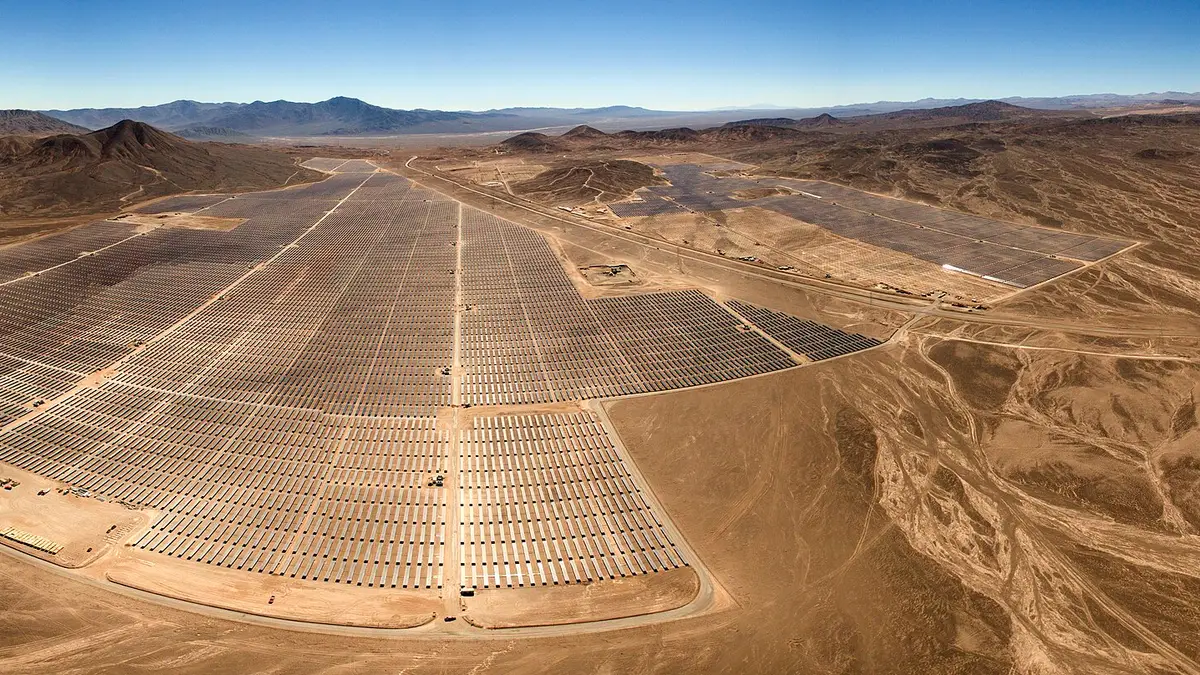
The main reason is the end of the supply contracts signed in 2008 and 2010, priced at close to US$100 per megawatt-hour (MWh). They are being replaced by contracts awarded in the 2022, 2023 and 2025 tenders, with an average price of about US$67 per MWh, the minister explained. Because energy under those old contracts made up about 90% of supply in the north, the drop is sharper there.
*«In the northern regions, the cut is larger because of their renewable mix»*, Rincón said. The new contracts were won with bids from solar, wind and battery projects, which now set the prices in tenders. The second factor is the exchange rate: the National Electric System uses the dollar's average over the past six months, which this time worked in consumers' favour.
| Factor | What happens | Effect on the bill |
|---|---|---|
| 2008 and 2010 contracts | Expire; they cost about US$100/MWh | Down |
| 2022, 2023 and 2025 contracts | Take effect at about US$67/MWh | Down |
| Exchange rate | Favourable six-month average | Down |
| Congestion on Cautín-Ciruelos (220 kV) | Delayed upgrade | Up in Los Ríos and Los Lagos |
| Magallanes formula | Fuels, August dollar and US inflation | Up in Magallanes |
Source: Ministry of Energy, 17 November 2026.
The minister linked the cut to the «Ordenemos la Cuenta» law, which created a voluntary, one-off mechanism to review old contracts with generators and lower their prices.
Does your company sell energy, efficiency or home solar solutions? Reach Energía Futura's readers.
See advertising optionsWhere electricity bills rise: Los Ríos, Los Lagos and Magallanes
In Los Ríos the bill will rise by an average of 6%, and in Los Lagos by 4.7%. Both increases are slightly smaller than in the preliminary report (6.2% and 4.9%). The ministry blames transmission congestion caused by delayed works, especially the upgrade of the 220 kV Cautín-Ciruelos line, which limits how much cheap power can arrive from the north and centre.
*«The Cautín-Ciruelo line is not yet able to receive all the energy it should from the national system, and as we solve that, we will see better price conditions»*, the minister said. The weakness of the southern zonal grid also appears in the grid operator's diagnosis of 60 sections that could be overloaded by 2034, which lists several 66 kV lines in La Araucanía and Los Ríos.
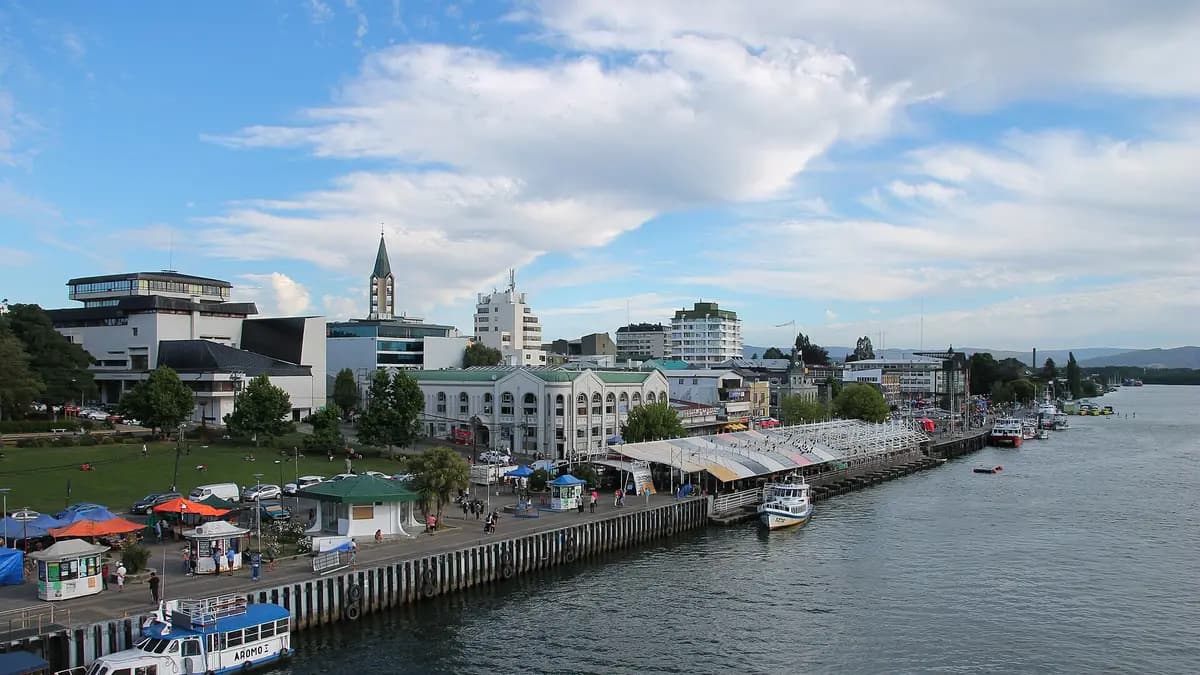
Magallanes is a special case: it will rise 2.4%, the same as in the preliminary report. The region is not connected to the National Electric System and is supplied by medium-sized systems operated by Edelmag, whose price follows a formula based on the August exchange rate, international fuel prices and US inflation.
| Antofagasta | -11.0% | -11.0% | 0.0 |
| Atacama | -10.2% | -10.2% | 0.0 |
| Arica y Parinacota | -9.9% | -9.9% | 0.0 |
| Valparaíso | -8.5% | -8.5% | 0.0 |
| Coquimbo | -8.4% | -8.4% | 0.0 |
| Tarapacá | -7.4% | -7.3% | 0.1 |
| Ñuble | -4.2% | -4.6% | -0.4 |
| La Araucanía | -3.9% | -4.4% | -0.5 |
| Metropolitana | -4.0% | -4.0% | 0.0 |
| Biobío | -3.7% | -4.0% | -0.3 |
| Maule | -3.4% | -3.5% | -0.1 |
| Aysén | -2.4% | -3.1% | -0.7 |
| O'Higgins | -2.7% | -2.7% | 0.0 |
| Magallanes | 2.4% | 2.4% | 0.0 |
| Los Lagos | 4.9% | 4.7% | -0.2 |
| Los Ríos | 6.2% | 6.0% | -0.2 |
What changed between the preliminary and the final report
In October, when the preliminary 4.3% cut was announced, the CNE opened a comment period for companies and stakeholders. The final report reflects that process and settles the average cut at 4.4%. The five regions with the largest cuts (Antofagasta, Atacama, Arica y Parinacota, Valparaíso and Coquimbo) do not change; the adjustments are concentrated between Maule and Aysén.
- 15 Oct 2026Preliminary reportThe CNE projects an average 4.3% cut.
- Oct-Nov 2026CommentsCompanies and stakeholders comment on the report.
- 17 Nov 2026Final reportThe cut settles at 4.4%; 13 regions fall and 3 rise.
- Jan 2027New prices take effectAfter the Ministry of Energy's tariff decree.
The next step is the Ministry of Energy's tariff decree, which sets the prices distribution companies can pass on to customers from January. Households will see the difference in bills arriving from the first quarter of 2027.
Frequently asked questions
How much will electricity bills fall in Chile in 2027?
By an average of 4.4% nationwide from January 2027, according to the CNE's final report. Cuts range from 11% in Antofagasta to 2.7% in O'Higgins.
How much will bills fall in Santiago?
In the Santiago Metropolitan Region, the average cut is 4%.
In which regions do bills rise?
In Los Ríos (+6%), Los Lagos (+4.7%) and Magallanes (+2.4%). In the first two, because of congestion on the Cautín-Ciruelos line; in Magallanes, because of its own price formula.
When does the cut take effect?
From January 2027, once the tariff decree setting the new average node prices is published.