Chile's energy minister, Ximena Rincón, announced that a roundtable with power generators will begin on November 9 to identify their main difficulties and define measures, and that on November 11 she will travel to Bolivia with representatives of the industry and public services to advance energy integration between the two countries.
She made the announcement at a session of the Infrastructure Policy Council (CPI), chaired by former president Eduardo Frei, at Inacap's campus in Vitacura, as reported on October 29 by Revista Electricidad and BNamericas. In the same speech she set a service-quality goal: reducing supply interruptions from about 15.2 hours a year to 4 hours by 2035.
What the roundtable with generators is and when it starts
The roundtable with generators will begin on November 9 and follow a participatory methodology similar to the one the ministry is using for the reform of transmission and distribution grids, with support from the CPI. “We must have a common diagnosis, just as we do in the area of grids,” Rincón said, according to Revista Electricidad.
The minister stressed two points. First, generation is the largest component of the electricity bill, ahead of transmission and distribution. Second, this roundtable is separate from the renegotiation of supply contracts included in the legislation approved in July. The participants, number of sessions and deadline for conclusions have not yet been announced.
| Date | Milestone | What is known |
|---|---|---|
| November 9, 2026 | Roundtable with generators begins | Common diagnosis and measures; participatory methodology supported by the CPI |
| November 11, 2026 | Minister travels to Bolivia | With industry and public-service representatives; follows October's presidential declaration |
| December 2026 | Grid talks conclude | Ministry's conceptual proposal for transmission and distribution |
| March 2027 | Grid bill | Timeline proposed by CPI executive director Carlos Cruz |
Source: Revista Electricidad and BNamericas, October 29, 2026.
The Infrastructure Policy Council is an organization that brings together companies, trade groups and specialists to propose long-term public policies on infrastructure. In the power sector it has backed the participatory grid reform process led by the minister and undersecretary Hugo Briones, which also has technical assistance from the World Bank. That is why the minister's choice of this forum to announce the new roundtable is no accident: the model to be used with generators is the same one applied with distribution and transmission companies.
The roundtable adds to the power grid reform process, whose conceptual proposal will be presented in December. At the CPI session, its executive director, Carlos Cruz, said those talks should conclude in December so that a bill can be ready in March.
The trip to Bolivia and the power interconnection
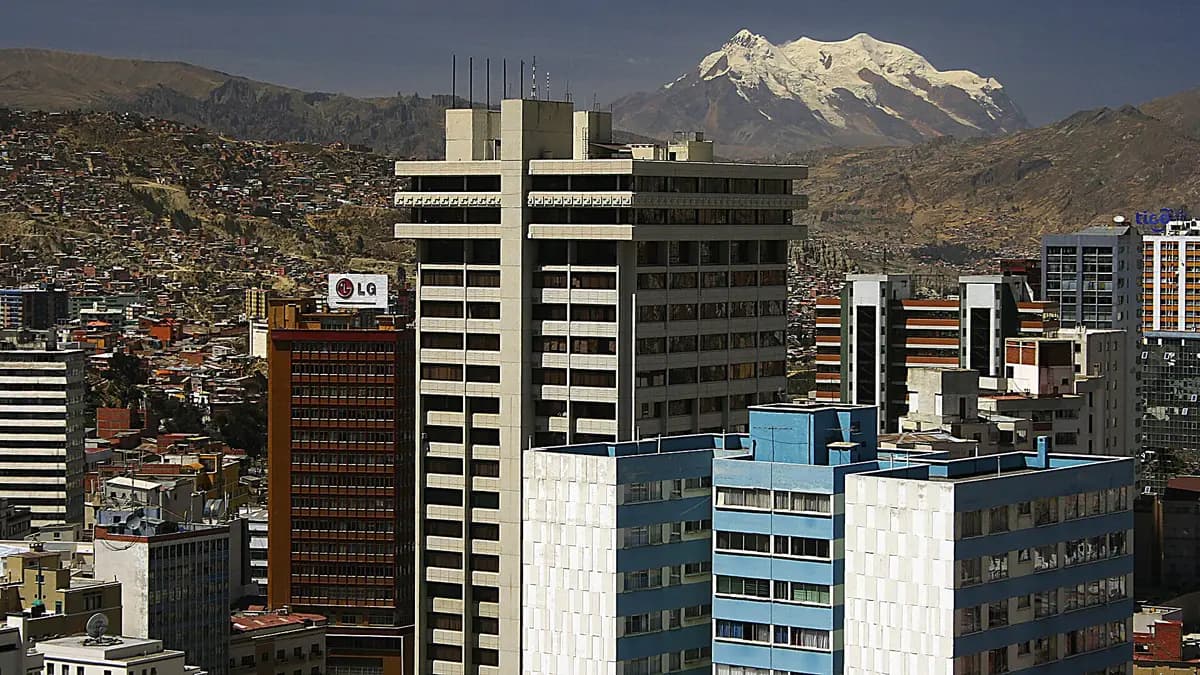
Rincón noted that the power interconnection was the only agreement reached with Bolivia during the recent presidential visit. On October 16, in La Paz, presidents José Antonio Kast and Rodrigo Paz signed an energy integration declaration that creates a technical committee and opens the study of an interconnection. The November 11 trip seeks to build on that consensus.
The minister added that Chile is also working with Peru and Argentina, and suggested using the mining integration treaty in force with Argentina as a reference for designing long-term energy agreements. For now, the declaration with Bolivia sets no capacities, amounts or deadlines: those details will be left to the binational technical committee.
The outage goal: from 15.2 to 4 hours a year
On service quality, Rincón proposed cutting supply interruptions from about 15.2 hours a year per customer to 4 hours by 2035, a 74% reduction in nine years. The goal follows a winter of storms and widespread outages in central and southern Chile.
| Indicator | Figure | Context |
|---|---|---|
| Current interruptions | 15.2 hours a year | Average per customer cited by the minister |
| Interruption goal | 4 hours a year by 2035 | 74% reduction (Energía Futura calculation) |
| Fossil fuel purchases | US$12.5 billion in 2025 | Imported oil, gas and coal |
| Electricity's share of the energy mix | 23% | Figure cited by Carlos Cruz (CPI) |
Source: Revista Electricidad, October 29, 2026.
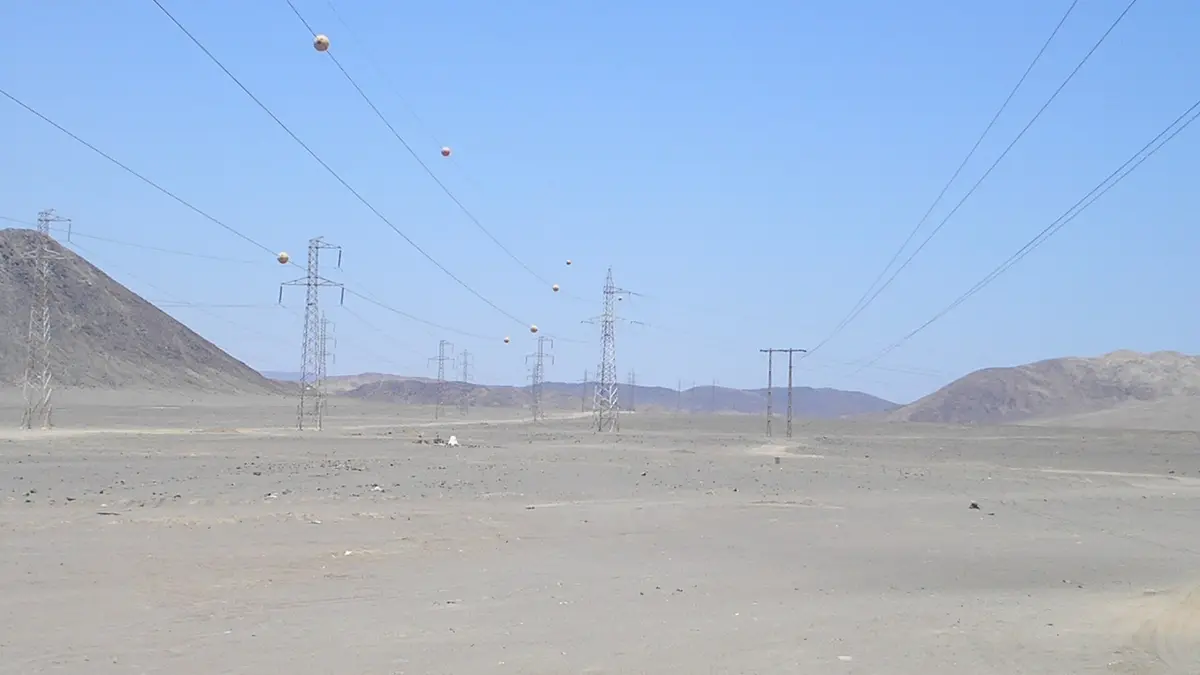
For transmission, the minister proposed an approach similar to public works concessions, with a more active state role in preparing projects. Today, she explained, companies awarded a project must secure land, rights of way and environmental assessments before building, which lengthens timelines. As an example she cited the Chacao bridge, which did not include electricity or digital connections to Chiloé and will require an additional project.
Rincón also warned that transmission constraints weigh on tariffs: she said electricity bills in Los Ríos and Los Lagos would not fall from January 2027.
Does your company work in generation, transmission or energy policy? Reach Energía Futura's readers.
See advertising optionsImported fuels, data centers and the roundtable with generators
The minister noted that in 2025 Chile spent US$12.5 billion importing oil, gas and coal, and presented electrification as a way to reduce that dependence. Carlos Cruz of the CPI added that electricity accounts for only 23% of the energy mix, and that natural gas, including Argentine gas, and green hydrogen will complement electrification. Cruz also pointed to a tariff paradox: unregulated customers pay less for energy than regulated ones.
On the demand side, Rincón named data centers as an opportunity and said the working group with the ministries of Science and National Assets will be accelerated. The National Electric Coordinator projects that Chile's electricity demand could almost double by 2046, with mining, green hydrogen and data centers among the drivers.
The roundtable with generators will therefore be one more piece of a busy calendar: the grid proposal in December, the bill in 2027 and the relationship with Bolivia, Peru and Argentina in parallel. Energía Futura will report the participants and first agreements when the ministry publishes them.
Frequently asked questions
When does the roundtable with generators start?
On November 9, 2026, as announced by energy minister Ximena Rincón at the Infrastructure Policy Council.
Is it the same as renegotiating electricity contracts?
No. The minister clarified that the roundtable is separate from the contract renegotiation included in the legislation approved in July. Its goal is a common diagnosis of the problems facing generation.
Why is the minister traveling to Bolivia?
To advance energy integration and the possible power interconnection agreed in the declaration signed by the presidents of Chile and Bolivia on October 16. The trip is on November 11.
How many hours without power does a customer in Chile have per year?
About 15.2 hours a year on average, according to the minister. The government's goal is to reach 4 hours by 2035.