Chile's power grid reform is entering its final stretch before becoming a bill. The Energy Ministry will present a conceptual proposal in December to update the regulation of distribution and transmission, a legal framework that is more than 40 years old, according to Portal Minero, reporting on the participatory process led by Minister Ximena Rincón and Undersecretary Hugo Briones.
While the government prepares that document, utilities are setting out their conditions. Víctor Balbontín, director of operations at CGE, which operates in 169 municipalities, told Revista Electricidad that “the key is to modernise the regulation of the distribution sector” and criticised the “model company” method used to set tariffs today.
The power grid reform: timeline and content
The process was launched with technical working groups, meetings with mayors and regional tables in the north, centre and south. It has technical assistance from the World Bank and support from academic Rodrigo Moreno, and is backed by the Infrastructure Policy Council (CPI). One of the regional tables was held in Temuco in early October, according to BioBioChile.
| Power grid reform | Detail |
|---|---|
| What is being reformed | Regulation of distribution and transmission |
| Age of current framework | More than 40 years |
| Next milestone | Conceptual proposal in December 2026 |
| After that | A bill, with debate expected in 2027 |
| Technical support | World Bank and academic Rodrigo Moreno |
| Backing | Infrastructure Policy Council (CPI) |
| Participation | Technical tables, mayors and regional tables |
According to Undersecretary Briones, the goals are quality service, better use of resources, security, competition, investment guarantees and incentives for users to take part in the grid. “Nobody should be left out of this discussion,” he said. Minister Rincón added that “this will not be an Energy Ministry project” but the country's, and that the long-term view includes progress on interconnections with Argentina, Peru and Bolivia.
What utilities want: the case of CGE
CGE operates in 169 municipalities across 12 regions and serves more than 3.4 million customers. In the interview, Balbontín argued that distribution regulation, more than four decades old, was designed for one-way power flows and predictable demand. Today there are customers who feed in energy with solar panels, electric cars and flows in both directions.
His main criticism targets the model company, the theoretical efficient firm the regulator uses to calculate what a distributor can charge. According to CGE, that model does not reflect real costs or account for earthquakes, fires, storms, cable theft, traffic accidents or electricity theft.
| Figure cited by CGE | Value |
|---|---|
| Customers | More than 3.4 million |
| Municipalities and regions | 169 municipalities in 12 regions |
| Investment in 2025 | More than CLP 212 billion |
| Copper cable replaced after theft in 2025 | More than 420 km |
| Customers left without power by traffic accidents (last year) | 2.8 million |
| Municipalities exceeding quality limits | 55 (2021) → 0 (2025) |
The company proposes regulation that considers geography, consumption patterns, regional needs, land-use planning and a development plan for resilience. The biggest gap, according to Balbontín, is a framework that allows investment in redundancy and in the ability to isolate and re-route the grid when a section fails.
Why the power grid reform matters to households
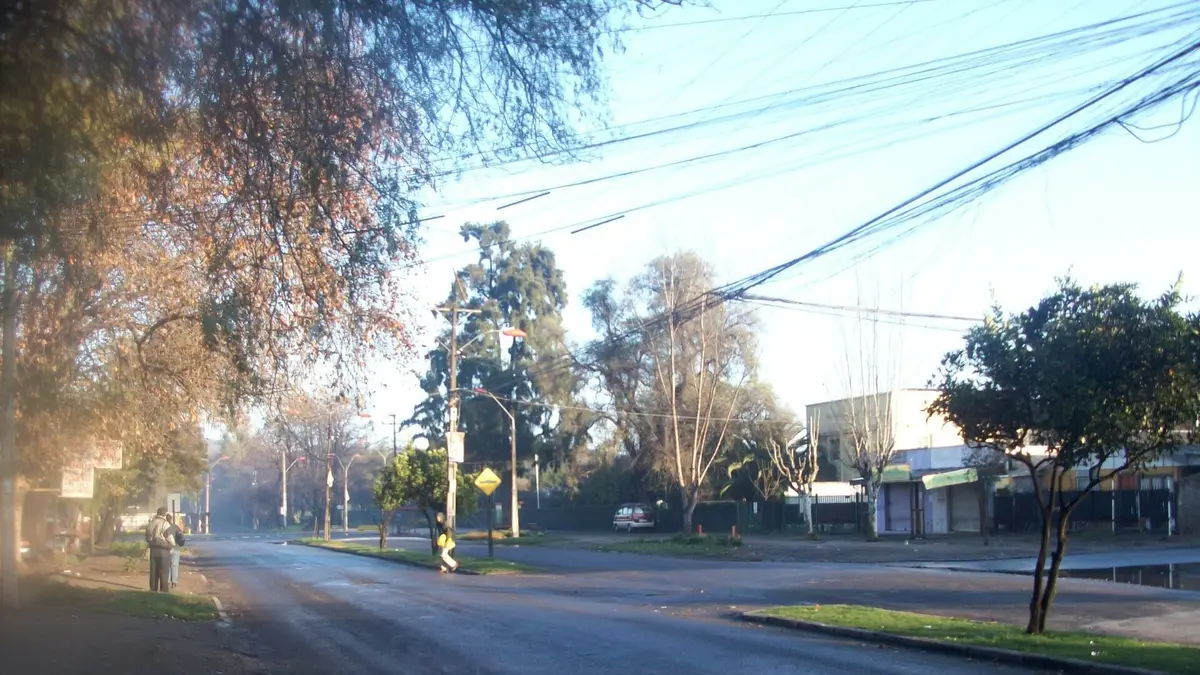
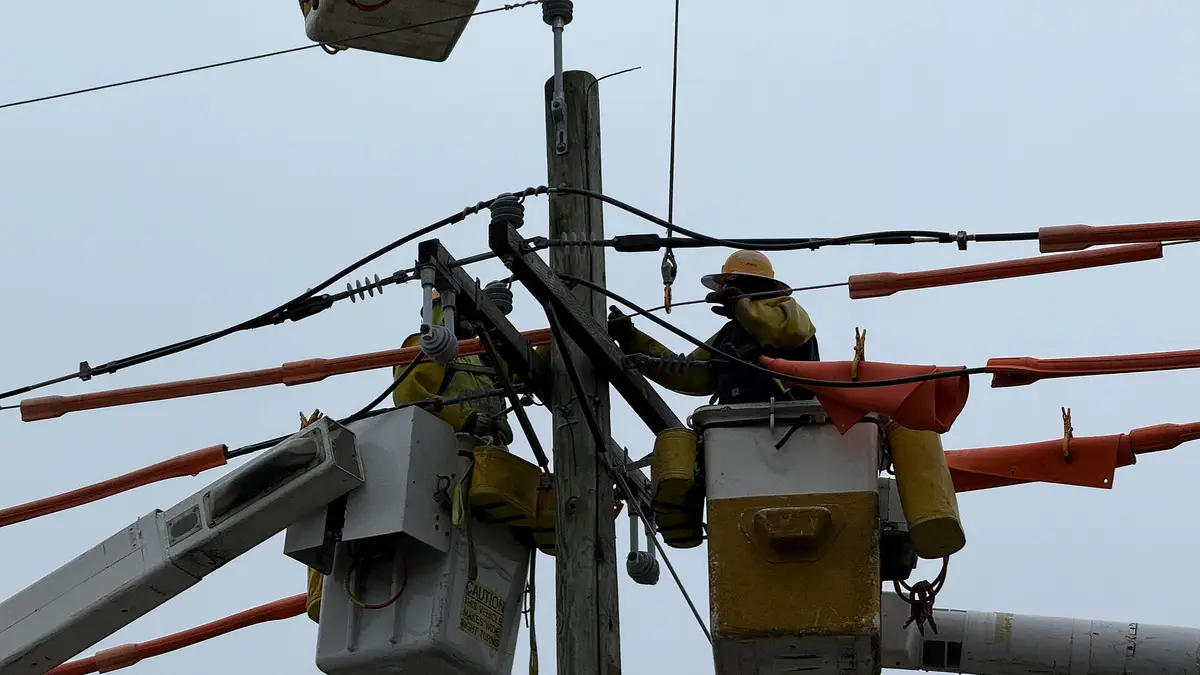
For residential customers, distribution is the most visible part of the system: the poles and cables on their street, restoration after a storm and the distribution charge on the bill. The cold fronts of 2026 left tens of thousands of customers without power in each event, and after the July storm the SEC brought charges against several utilities for exceeding restoration times.
The reform also decides who pays. More investment in resilience, such as burying cables or automating the grid, can improve service but is passed on to tariffs. That balance between quality and price will be at the heart of the debate in Congress. Meanwhile, bills are expected to fall from January 2027, as we reported in electricity bills to fall 4.3%.
In parallel, transmission faces its own problem: a Deloitte report published on Monday concludes that lines and substations cannot handle the available energy, with 6,205 GWh of renewables lost in 2025. The reform aims to address both segments. The National Economic Prosecutor's Office (FNE) has also asked for changes to how projects connect, as we reported in competition in Chile's power sector.
The technology utilities already use
CGE says it operates with smart metering at transformers, remotely controlled medium-voltage equipment, inspection drones and artificial intelligence pilots. According to Balbontín, the biggest efficiency gain is detecting faults faster to cut restoration times. The current regulation, the company argues, does not recognise all of those investments.
Interconnections in the power grid reform
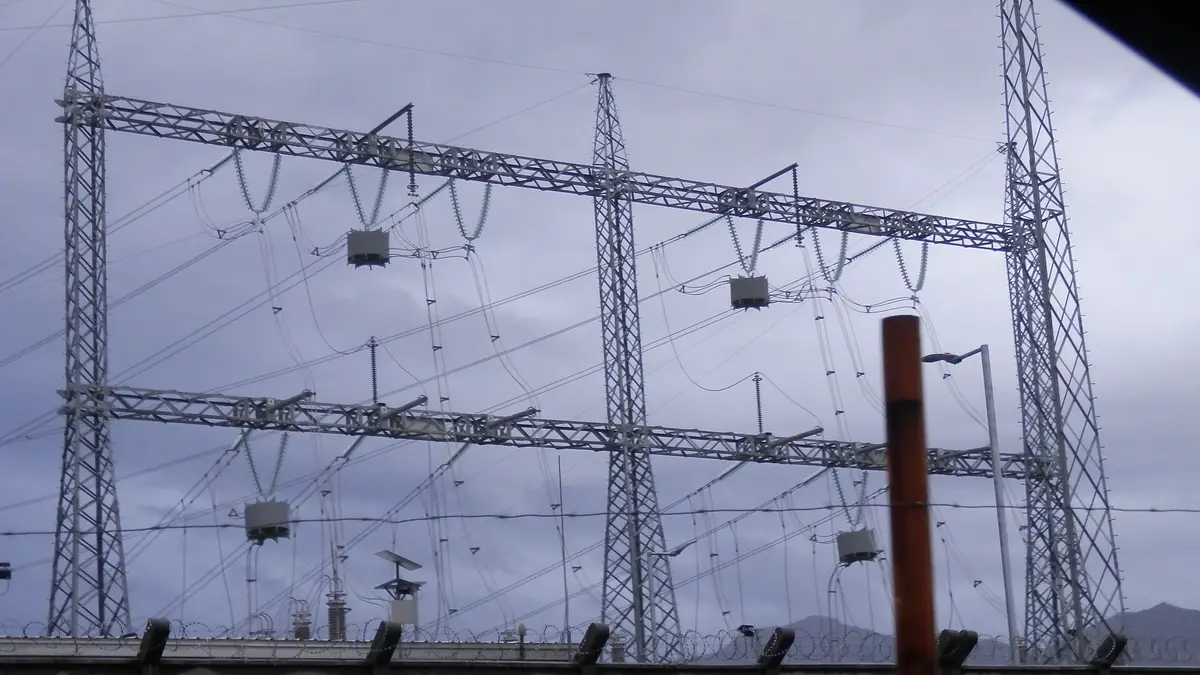
The reform's long-term view includes connecting Chile's grid with its neighbours. On 16 October, the presidents of Chile and Bolivia signed a declaration to study a future power interconnection, as we reported in Chile and Bolivia's energy integration. With Peru, the company EnorChile filed for environmental review a line of about US$30 million through Arica.
Interconnections could help use the solar energy that is lost in the north today, selling it to neighbouring countries during sunlight hours and importing energy at other times. But they require regulatory agreements between countries, something the reform should also address.
Does your company work in grids, metering or power automation? Reach Energía Futura's readers.
See advertising optionsFrequently asked questions
What is Chile's power grid reform?
It is the Energy Ministry's process to update the regulation of electricity distribution and transmission, in force for more than 40 years.
When will the bill be presented?
A conceptual proposal will be presented in December 2026 as the basis for the bill, whose debate is expected in 2027.
What is the model company?
It is the theoretical efficient firm the regulator uses to calculate distribution tariffs. CGE argues it does not reflect real costs such as storms, fires or cable theft.
Will electricity bills fall with the reform?
The proposal's content is not yet known. Separately, the CNE's preliminary report projects an average 4.3% drop from January 2027 as expensive supply contracts expire.