The company EnAccess SpA has submitted to Chile's Environmental Impact Assessment System (SEIA) the “Lo Aguirre–Peralillo Transmission System and Energy Storage System (BESS)” project, which combines a 100 MW / 400 MWh lithium battery, a new substation and an 11.36 km, 220 kV line in the municipalities of Pudahuel and Lampa, in the Santiago Metropolitan Region. Estimated investment is US$190 million, according to Revista Electricidad on October 28, 2026.
The project was filed with an Environmental Impact Study (EIA), the most demanding route in the system, rather than a declaration. Construction would take about 14 months and, according to the description submitted, its useful life is indefinite, so it does not include a closure phase. Electrominería also reported the filing on October 29.
The developer's stated objective is to diversify the energy mix and preserve the timeliness, quality, security and reliability of electricity supply in the Metropolitan Region, the country's largest consumption area.
What the Lo Aguirre-Peralillo project includes
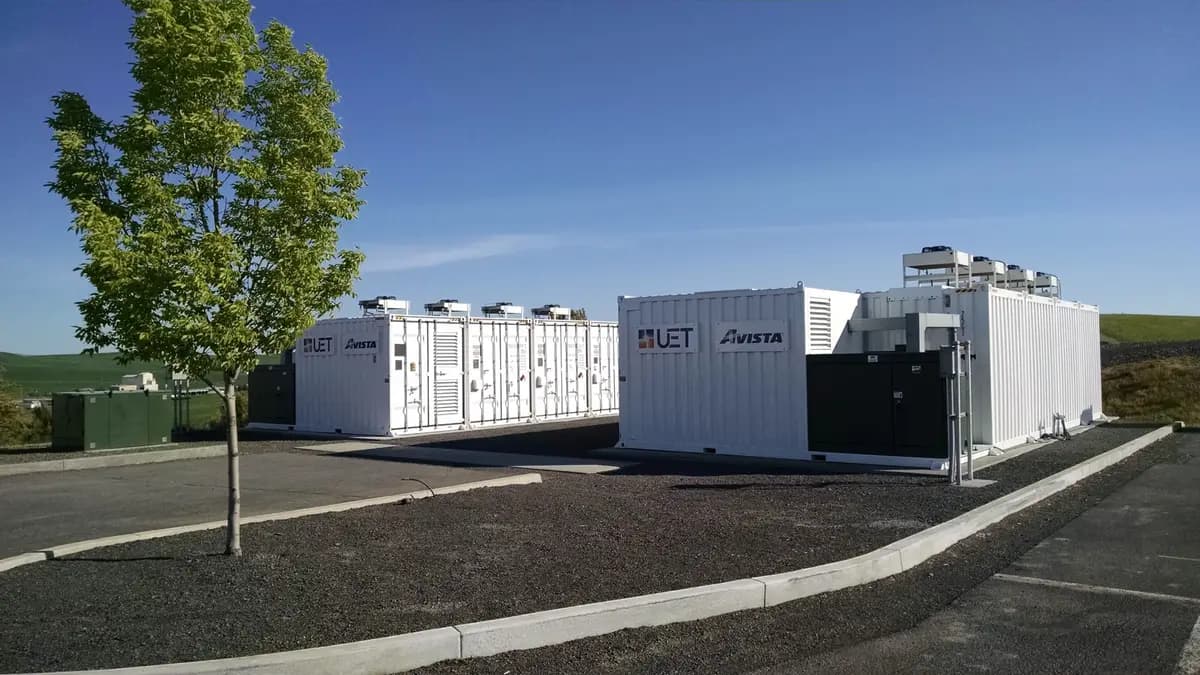
The Lo Aguirre-Peralillo project has three parts. The first is a 220 kV, double-circuit, 11.36 km transmission line linking the existing Lo Aguirre switching substation with the future Peralillo substation. Part of the route will be underground and part overhead, which is why a cable-joint yard will be built to connect both sections.
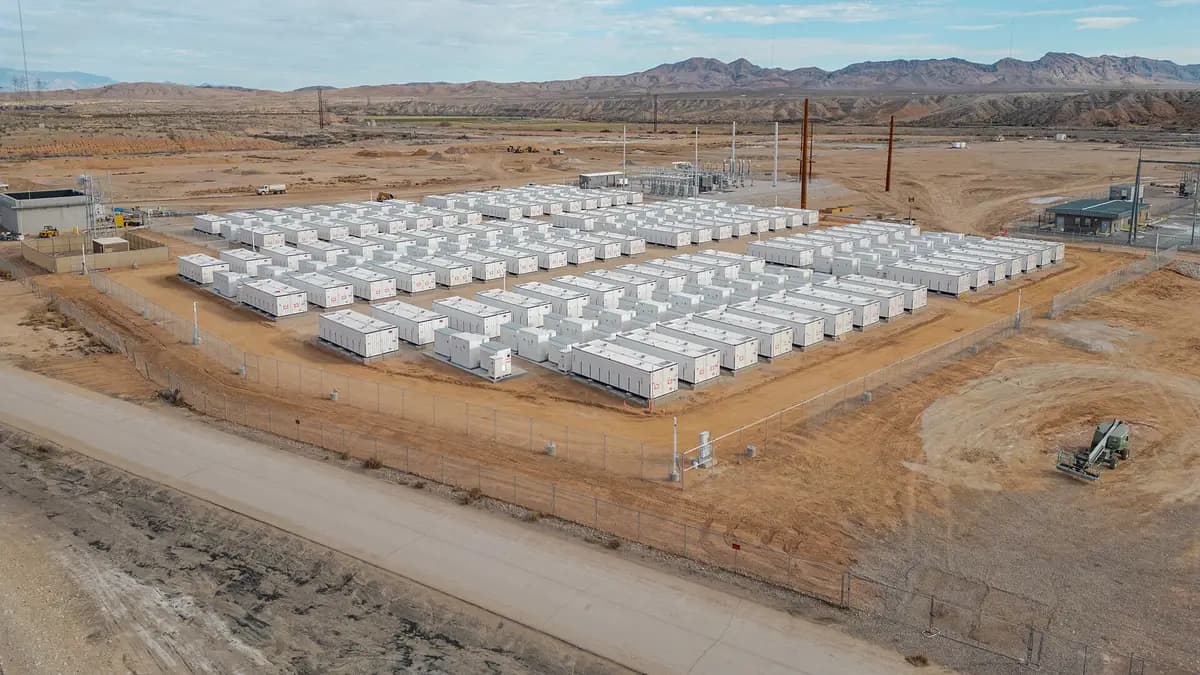
The second is the Peralillo substation, at 220/23 kV, with yards at both voltage levels, seven 80 MVA transformers (one as a spare) and two 50 MVA transformers. The third is the storage system: lithium-ion batteries with 100 MW of power and a maximum capacity of 400 MWh, equivalent to about four hours of output at full power. At the Lo Aguirre substation, there will be connection works, equipment and protection adjustments, and control and communications systems.
| Component | Data |
|---|---|
| Developer | EnAccess SpA |
| Estimated investment | US$190 million |
| Municipalities | Pudahuel (Santiago province) and Lampa (Chacabuco province) |
| Transmission line | 11.36 km, 220 kV, double circuit, overhead and underground sections |
| Peralillo substation | 220/23 kV, 7 transformers of 80 MVA (1 spare) and 2 of 50 MVA |
| Batteries (BESS) | Lithium-ion, 100 MW and 400 MWh (about 4 hours) |
| Construction | About 14 months |
| Assessment route | Environmental Impact Study |
Source: Revista Electricidad, October 28, 2026, with data from the project filed with the SEIA.
A substation with more capacity than the battery
One detail of the design stands out. With six 80 MVA transformers in operation and two of 50 MVA, the Peralillo substation would have up to about 580 MVA of transformation capacity at 23 kV, well above the battery's 100 MW (Energía Futura calculation based on the published data). That gap suggests the new substation could also be used to connect other loads or medium-voltage projects, although the published information does not say who they would be or whether there are contracts.
The area is no ordinary one. Lo Aguirre, in Pudahuel, is the arrival point of the Kimal–Lo Aguirre HVDC line, the largest transmission project under construction in Chile, which will bring up to 3,000 MW of power from the Antofagasta Region. According to Reporte Minero, in September 2026 the line was 20% complete, with US$422 million spent out of a total investment of US$1.5 billion, and is due to start operating in 2029.
| Project in the Lo Aguirre area | Developer | Key figure | Status |
|---|---|---|---|
| Kimal–Lo Aguirre HVDC line | Awarded consortium | 3,000 MW, 1,346 km, US$1.5 billion | Under construction, 20% complete (Sep. 2026) |
| Lo Aguirre–Peralillo + BESS | EnAccess SpA | 100 MW / 400 MWh, 11.36 km line | Filed with the SEIA (Oct. 2026) |
| Lo Aguirre data center | Lader Energy | Up to 100 MW IT in the first phase | Relevance consultation; operation planned for 2028 |
| Lo Prado BESS | Lader Energy | 500 MW, five hours | Under development |
Sources: Reporte Minero (September 2026), La Tercera (September 28, 2026) and Revista Electricidad (October 28, 2026). There is no public information linking the EnAccess project with Lader Energy's.
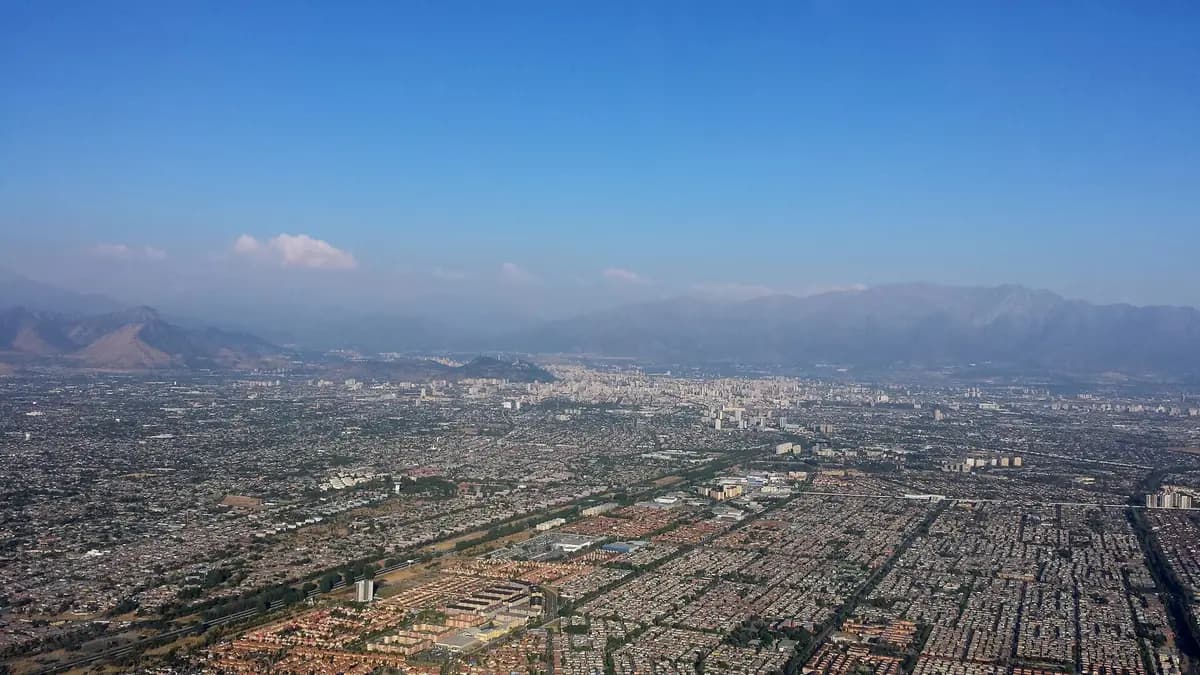
In the same area, the Chilean company Lader Energy presented in September a data center campus on a 28-hectare site next to the Kimal–Lo Aguirre line, with up to 100 MW of IT capacity in its first phase and a grid access request for up to 500 MW of demand, according to La Tercera. The same company is developing a 500 MW BESS in the area. They are separate projects with a different developer, but they show that western Santiago is becoming a hub of demand and storage.
Why batteries are being installed near Santiago
Most of the batteries in Chile's power system are in the north, next to solar parks, to store daytime energy and deliver it at night. Chile ended August 2026 with 3,116 MW and 13,522 MWh of BESS batteries in operation, according to the Chilean Renewable Energy and Storage Association (ACERA), almost double the figure at the end of 2025.
A battery close to consumption centers plays a different role: it can relieve grid congestion at peak hours, provide backup during failures and support system stability at the point where power from the north arrives. Chile's National Energy Commission has already included batteries in the transmission plan, as with the 2026 urgent works, which added a battery at Tineo.
| Indicator | Figure | Source and date |
|---|---|---|
| BESS batteries in operation in Chile | 3,116 MW / 13,522 MWh | ACERA, August 2026 |
| EnAccess battery | 100 MW / 400 MWh | SEIA, October 2026 |
| Share of the current fleet | 3.2% of power and 3.0% of energy | Energía Futura calculation |
| Battery duration | 4 hours at full power | Calculated from 400 MWh / 100 MW |
At 100 MW, the EnAccess battery would equal about 3% of all battery capacity operating in Chile in August, a mid-sized project within the current pipeline. Its value lies more in its location than in its size.
Does your company develop storage, transmission or data centers? Reach Energía Futura's readers.
See advertising optionsWhat comes next for the Lo Aguirre-Peralillo project
Because it was filed as an EIA, the project will have to go through review by the public agencies with environmental responsibilities, a public participation process if requested and possible rounds of observations (Icsara) before the Metropolitan Region's assessment commission rules on it. Legal deadlines for an EIA are longer than for a declaration, so the 14-month construction would begin, at best, after a favorable resolution.
Connecting large loads in the capital has already sparked regulatory debate. In October, Chile's Panel of Experts backed the Coordinator and ruled that a data center in Huechuraba will connect with a single authorization, a case that shows how new demand is forcing adjustments to grid access rules.
The published information does not detail the number of construction workers, the project's area or the owners of EnAccess SpA. Energía Futura will review the SEIA file as the assessment progresses.
Frequently asked questions
What is the Lo Aguirre-Peralillo project?
It is a project by EnAccess SpA that includes an 11.36 km, 220 kV line, a new 220/23 kV Peralillo substation and a 100 MW / 400 MWh lithium-ion battery in Pudahuel and Lampa, for US$190 million.
How long does the battery last?
With 400 MWh of capacity and 100 MW of power, it can deliver energy at full power for about four hours.
When would it be built?
Construction would take about 14 months, once the Environmental Impact Study is approved. No start date has been announced.
Is it related to the Kimal-Lo Aguirre line?
It will connect to the Lo Aguirre substation, which is the arrival point of the Kimal–Lo Aguirre HVDC line, but they are projects with different developers. The direct-current line is under construction and is due to start operating in 2029.