Global oil demand will fall by 2.6 million barrels per day (mb/d) in 2026, to 102.4 mb/d, according to the International Energy Agency (IEA) monthly oil market report published on October 14. It would be one of the largest annual drops in decades and, according to the agency, it stems from the war with Iran and the disruption of traffic through the Strait of Hormuz, which restrict supply, push up fuel prices and weaken the economy.
Two days later, on Thursday, October 15, the IEA board agreed to speed up the release of more than 20 million barrels of diesel from its members' strategic reserves, Reporte Minero reported. For Chile, which imports almost all the oil and diesel it uses, the report helps explain why fuel prices keep rising.
Oil demand in figures: what the IEA says
The IEA's October report projects a 2.5 mb/d year-on-year decline in the fourth quarter and 2.6 mb/d for the 2026 average. Diesel accounts for 25% of the drop. For 2027, the agency expects a partial recovery of 2 mb/d, which would still leave demand 620,000 barrels per day (0.6%) below 2025 levels.
| Indicator | IEA figure (October 14, 2026 report) |
|---|---|
| World demand 2026 | 102.4 mb/d (-2.6 mb/d) |
| Demand in 4Q 2026 | -2.5 mb/d year on year |
| Diesel share of the decline | 25% |
| Expected recovery in 2027 | +2 mb/d |
| 2027 demand vs. 2025 | -620,000 b/d (-0.6%) |
| World supply in September | 102.3 mb/d (+2.5 mb/d month on month) |
| Average world supply 2026 | 100.7 mb/d (-5.8 mb/d) |
Supply also collapsed. World supply would average 100.7 mb/d in 2026, 5.8 mb/d less than the previous year. September saw a recovery of 2.5 mb/d from August, to 102.3 mb/d, led by Persian Gulf producers, whose crude exports rose to 13.9 mb/d, more than 75% of pre-war levels. The IEA calls that recovery “fragile” because of renewed attacks in the region.
Record diesel and crude prices
The drop in demand is not the result of a smooth transition but of very high prices. According to the IEA, Brent futures were around US$107 per barrel, 13% higher than at the start of September. North Sea Dated averaged US$116.89 in September, US$26.17 more than in August, and was close to US$134 when the report was written.
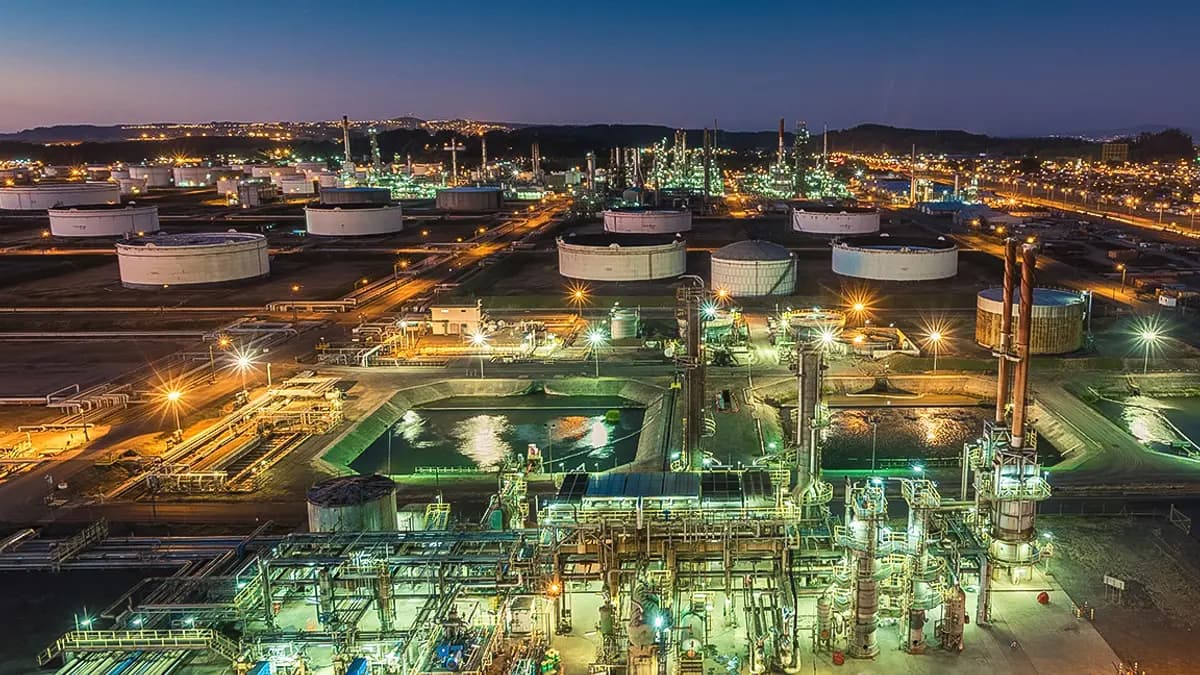
Diesel is under even more pressure. Benchmark prices topped US$200 per barrel in Singapore in mid-September and hover around US$220 in Europe and the United States. World gasoil output fell 1.7 mb/d year on year in the third quarter, and net exports from the Middle East and Russia dropped 1.3 mb/d to 820,000 barrels per day.
| Price benchmark | Value according to the IEA |
|---|---|
| Brent (futures) | ~US$107/barrel (+13% since early September) |
| North Sea Dated, September average | US$116.89/barrel (+US$26.17) |
| North Sea Dated, at time of writing | ~US$134/barrel |
| Diesel in Singapore (mid-September) | Above US$200/barrel |
| Diesel in Europe and the US | ~US$220/barrel |
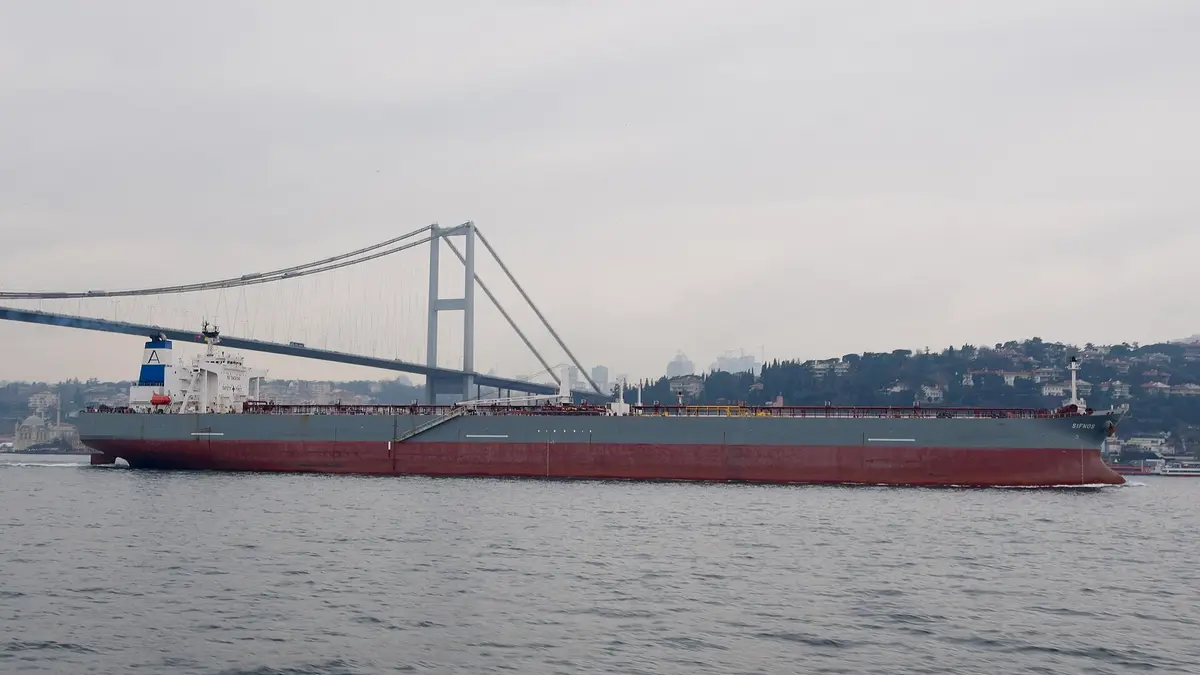
Among the causes, the IEA lists the war with Iran and the Hormuz disruption, the September 11 bombing of Saudi Arabia's East-West pipeline, Houthi attacks in October and damage to Russian refineries from Ukrainian drones. Observed global inventories fell by 10 million barrels in September and are now 509 million barrels below end-February levels.
The IEA speeds up the release of diesel reserves
The coordinated response of consuming countries dates back to March. That month, the IEA's 32 members committed to a collective action of more than 400 million barrels of crude and products, of which about 330 million have been delivered. On October 15, the board decided to bring forward delivery of more than 20 million barrels of diesel and the remaining volumes.
Not everyone sees the announcement as a fix. Abhishek Kumar of Sparta Commodities told Reuters it was “an acceleration of existing commitments” rather than new volumes, according to the same report. Spain, for example, will release 4.4 million barrels in October and has delivered 3.7 of the 11.5 million it committed in March.

What falling oil demand means for Chile
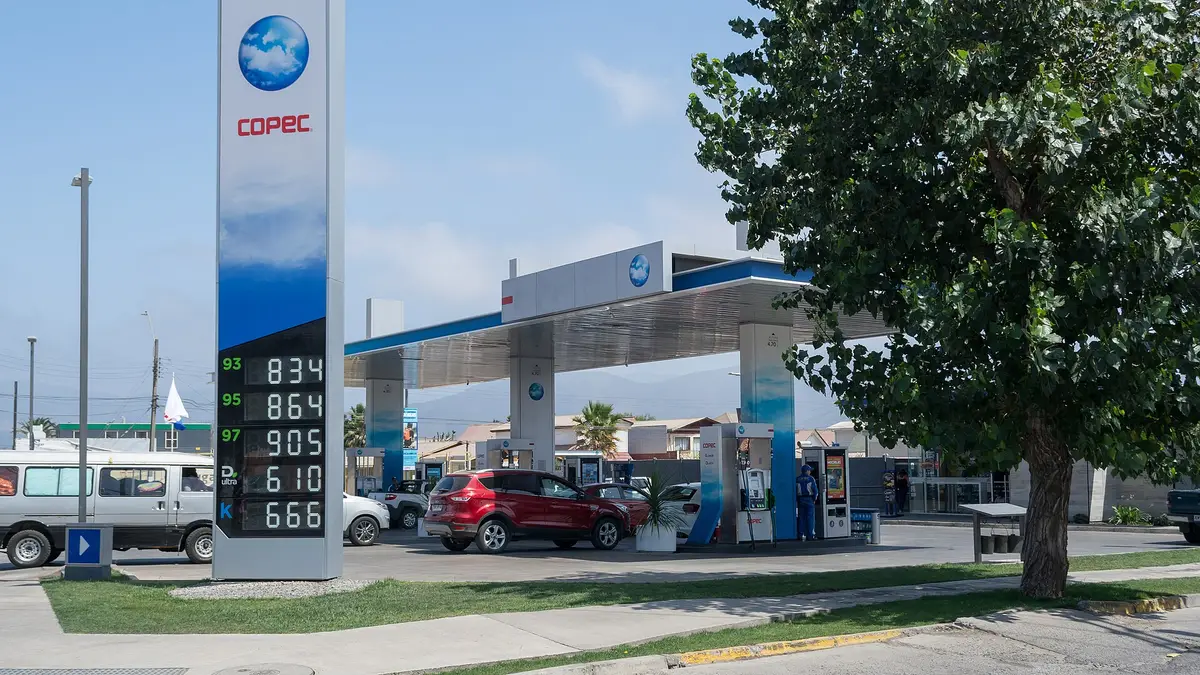
Chile imports most of the crude and diesel it consumes, so international prices reach the pump through the stabilization mechanism (Mepco), with weekly adjustments announced by state oil company ENAP. Economists expect another increase of about 90 pesos per litre in diesel on Thursday, October 22, as we explained in the projected diesel price hike.
The impact is felt most in freight transport, mining and fleets, which run on diesel. Also in power generation: plants that burn diesel or imported gas become more expensive, which reinforces the value of renewable generation and storage. One example is Engie's coal-to-gas conversion in Mejillones, which we covered in the first coal plant conversion in Chile.
For households, higher fuel prices have boosted interest in electric mobility: Chile's national automotive association (ANAC) reported that plug-in vehicle sales grew 143.4% between January and August. We review the models and their prices in the cheapest electric cars in Chile.
- Freight transport: diesel is a truck's main variable cost; every increase feeds into freight rates and prices.
- Mining: haul trucks and plants use large volumes of diesel, and the IEA expects a tight market until 2027.
- Power generation: diesel plants act as backup at peak hours and in emergencies, and their cost rises with crude.
- Households: kerosene and LPG, used for heating, also follow international benchmarks.
Does your company offer efficiency, electric mobility or renewable energy solutions for fleets? Reach Energía Futura readers.
See advertising optionsFrequently asked questions
How much will oil demand fall in 2026?
The IEA projects a drop of 2.6 million barrels per day in the 2026 average, to 102.4 mb/d. It expects a 2 mb/d recovery in 2027.
Why is diesel so expensive?
Because diesel output and exports fell due to the war in the Persian Gulf, attacks on Saudi infrastructure and damage to Russian refineries. OECD gasoil stocks fell to 565 million barrels in July, their lowest since November 2023.
What did the IEA decide on October 15?
To speed up delivery of more than 20 million barrels of diesel and the outstanding volumes of the March collective action, which totals more than 400 million barrels.
When will Chile's new fuel prices be known?
ENAP announces price changes on Wednesdays; those for Thursday, October 22, will be published on Wednesday, October 21.