Chile's National Electricity Coordinator has ordered a group of small distributed generation plants (PMGD) to limit their output to a maximum of 15% of installed capacity. The restriction has applied since November 10, 2026 and was sent to the plant owners and to the distribution companies, Electrominería reported on November 12. It is temporary and will remain in force until the grid operator changes or lifts it.
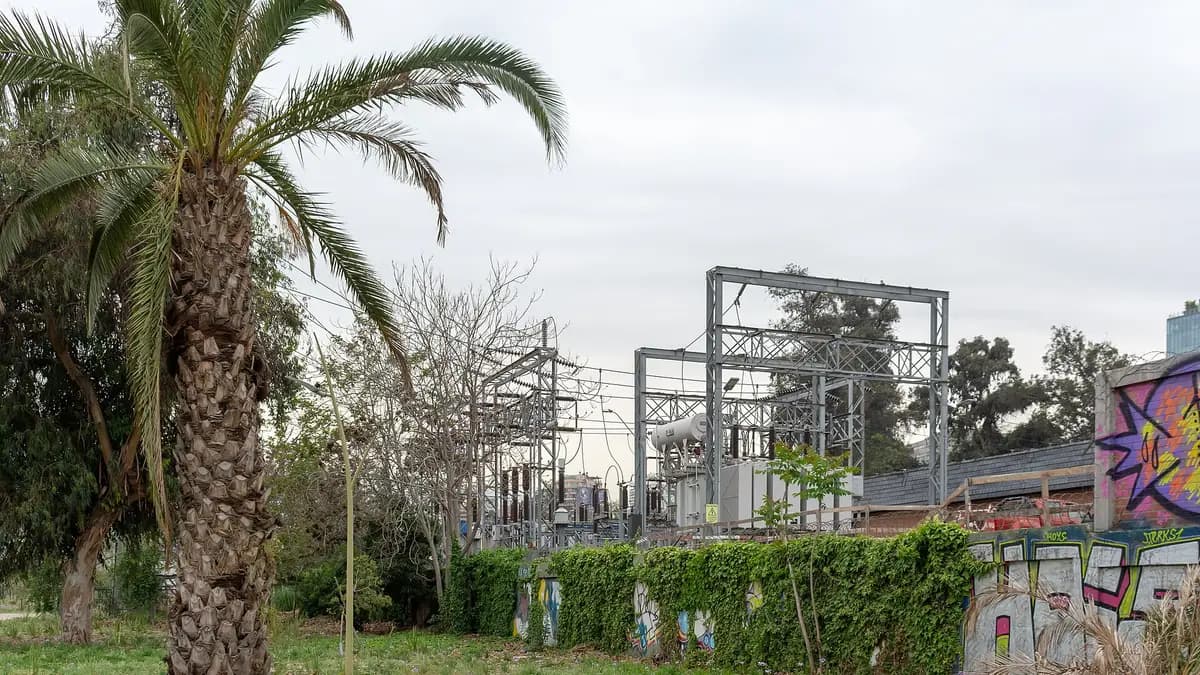
The order responds to what happened on Sunday, November 8, at 14:54. A fault on 220 kV facilities between the Chena and Cerro Navia substations in Santiago was cleared in about 75 milliseconds, but in that instant a significant number of PMGD plants in the Santiago Metropolitan, Valparaíso and O'Higgins regions disconnected. The Coordinator's daily report logged a loss of 520 MW and a frequency drop to 48.93 Hz, according to Electrominería.
View the data as a table
| PMGD generation lost | 520 MW |
| Minimum frequency | 48.93 Hz |
| Injection cap | 15% |
| Fault duration | 75 ms |
What the Coordinator ordered PMGD plants to do
The instruction relies on article 102 of Supreme Decree No. 88 of 2019 from the Ministry of Energy, the regulation for small generators. PMGD plants listed in the document's annexes must cut their injection to no more than 15% of their installed capacity. The Coordinator did not publish how many plants or megawatts are on the list.
It also asked owners to send, by November 13 at the latest, the identification of each plant, its connection point, the power it was producing just before and just after the event, and the make and model of its protection and control systems. It requested event and oscillography records, protection settings and timings, and technical reports explaining why the plants disconnected.
| Milestone | Date | Detail |
|---|---|---|
| 220 kV fault | November 8, 14:54 | Between the Chena and Cerro Navia substations; cleared in ~75 ms |
| Generation lost | November 8 | 520 MW of PMGD in the Metropolitan, Valparaíso and O'Higgins regions |
| Minimum frequency | November 8 | 48.93 Hz (nominal is 50 Hz) |
| Cap takes effect | November 10 | Maximum injection of 15% of installed capacity |
| Deadline to send data | November 13 | Output before and after, protections, oscillography and reports |
| End | No date | Until the Coordinator changes or lifts it |
Source: National Electricity Coordinator, instruction to PMGD plants and daily report of November 8, via Electrominería (November 12 and 11, 2026).
- 8 Nov, 14:54220 kV fault between Chena and Cerro NaviaCleared in about 75 ms, but 520 MW of PMGD trip and frequency drops to 48.93 Hz.
- 10 Nov15% cap takes effectListed PMGD may inject at most 15% of capacity (art. 102, DS 88).
- 13 NovDeadline to send dataOutput before and after, protection settings, oscillography and technical reports.
- No dateLifting of the measureDepends on the Coordinator's technical analysis.
Why losing 520 MW of PMGD is a concern
A transmission fault that is cleared in milliseconds should not knock out hundreds of megawatts. Plants connected through power electronics, such as solar inverters, must ride through brief voltage dips without tripping; the grid code calls this fault ride-through capability. When many plants drop at once, the system suddenly loses generation that must be replaced within seconds.
Héctor Chávez, an electrical engineering professor at the University of Santiago, told Electrominería that the primary frequency control ancillary service is sized to withstand a drop of around 400 MW. On November 8 the loss was 520 MW, 30% more, which in his view calls for reviewing whether that reserve margin should grow, as other operators have done. Frequency was nonetheless controlled and recovered in what he described as a reasonable time.
Frequency matters because it signals the balance between generation and demand. If it falls too far, automatic load-shedding schemes kick in and cut power to customers to save the rest of the system. In the blackout of February 25, 2025, those mechanisms could not prevent a collapse; the legal fallout is still open, as we reported on the ruling that overturned the fines on the Coordinator's board members.

How many PMGD plants Chile has
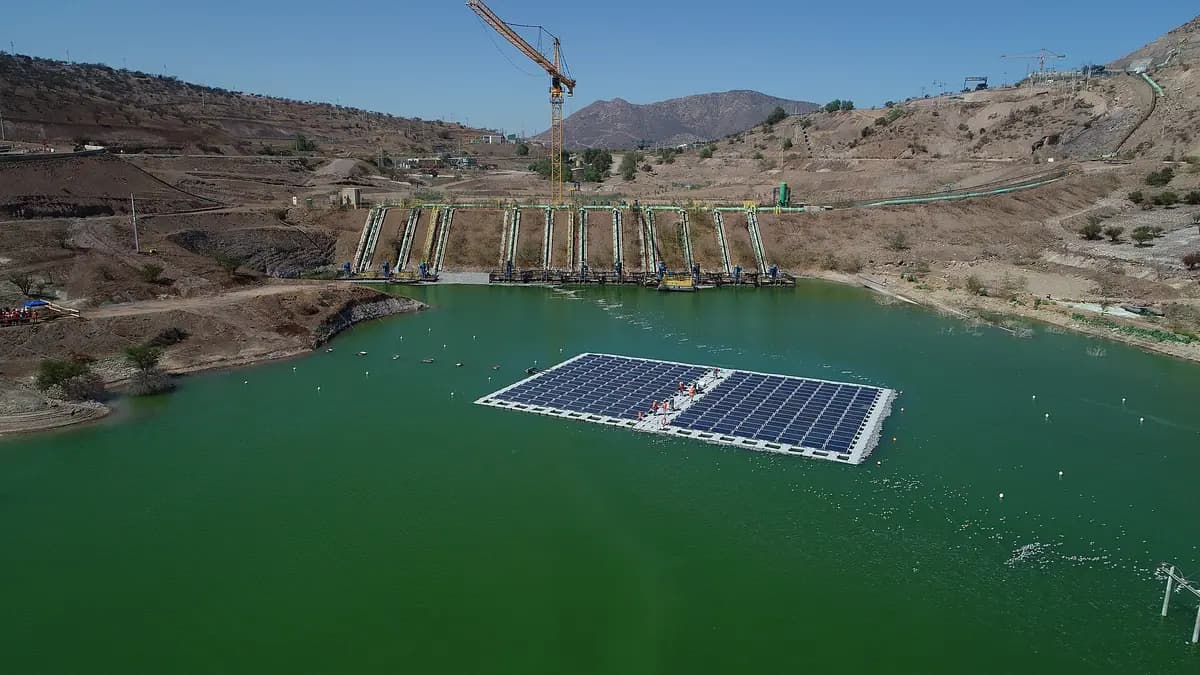
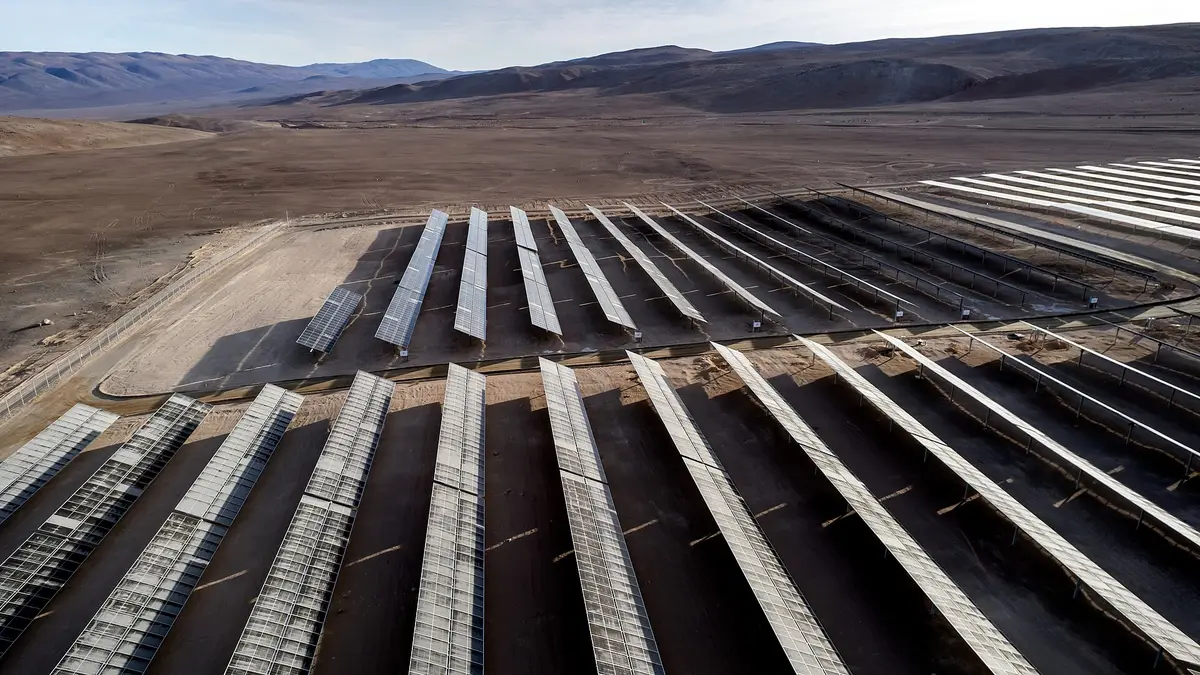
PMGD plants are generators of up to 9 MW connected to distribution networks rather than to transmission. The vast majority are solar plants, many of them in central Chile, close to demand centers. With data to March 2026, the National Energy Commission (CNE) counted 3,627 MW of PMGD and 418 MW of small generators (PMG), about 10% of the system's net installed capacity; by May, the bulletin of the Chilean Renewable Energy and Storage Association (Acera) put PMGD at 3,820 MW, according to Energía Estratégica.
| Indicator | Figure | Source and date |
|---|---|---|
| PMGD capacity | 3,627 MW | CNE, March 2026 |
| PMG capacity | 418 MW | CNE, March 2026 |
| PMGD capacity | 3,820 MW | Acera, May 2026 |
| PMG capacity | 476 MW | Acera, May 2026 |
| PMGD share of net capacity | ~10% | CNE, March 2026 |
| Output lost on November 8 | 520 MW | Coordinator, daily report |
Source: CNE and Acera, via Energía Estratégica (June 30, 2026), and the Coordinator's daily report. Using Acera's figure, the 520 MW equal about 14% of all PMGD capacity in the country (Energía Futura calculation).
The segment is in the middle of a regulatory debate. Supreme Decree 32 of 2026 brought PMGD into the pro-rata curtailment rules when the grid cannot take all available generation, and the CNE set their new stabilized prices, which pay very little for midday energy, as we explained in our story on PMGD stabilized prices.
Does your company develop, operate or maintain PMGD plants? Reach Energía Futura's readers.
See advertising optionsWhat the PMGD cap means for plant owners
For a 9 MW solar plant, the 15% cap means injecting at most 1.35 MW while the measure lasts. In November, with long days and strong sunshine, that means giving up most of the day's sales. The instruction does not say whether there will be compensation; Decree 88 allows the Coordinator to limit a PMGD's operation for system security reasons.
The way out depends on what the requested data show. If the trips were caused by overly sensitive protection settings, the fix can be quick: reprogramming relays and inverters to ride through the voltage dip. If the problem lies in equipment that does not meet the standard, it will take longer. Chávez warned that there is still no certainty about how robust these technologies are when they operate en masse, a challenge that grows with the arrival of batteries and grid-forming inverters.
The event comes as the system breaks records for renewable energy and batteries, and as midday solar curtailment is frequent. PMGD plants in central Chile, near Santiago, help supply demand without using the big northern lines, so their behavior during faults matters for the capital's grid stability. Our tracking of storage is in the story on Chile's storage reaching 11.3 GW.
Frequently asked questions
What is a PMGD?
A small distributed generation plant (Pequeño Medio de Generación Distribuida): a generator of up to 9 MW connected to a distribution network. In Chile most are solar plants.
Why did the Coordinator cap PMGD output?
Because on November 8, during a brief 220 kV fault between Chena and Cerro Navia, 520 MW of PMGD tripped and frequency fell to 48.93 Hz. While it reviews their protections, the Coordinator set a cap of 15% of capacity.
When does it start and end?
It has applied since November 10, 2026. It is temporary and will last until the Coordinator changes or lifts it based on its technical analysis.
Were there power cuts on November 8?
Published reports do not mention widespread customer outages: frequency was controlled and recovered. The concern is that the loss exceeded the 400 MW the primary reserve is sized for.
How much PMGD capacity does Chile have?
Between 3,627 MW (CNE, March 2026) and 3,820 MW (Acera, May 2026), about 10% of the system.