Chile's electricity grid reform now has a date. Energy Minister Ximena Rincón told the Senate that the government will present the conceptual proposal between December and January and that the bill will go to Congress in the first quarter of 2027, Diario Financiero reported on Tuesday 24 November. She asked senators to handle it urgently.
The central question of the reform, according to the minister, is “how we recognise and pay for investments that add resilience”. The target she set is ambitious: the average time without power per customer, which in 2025 was almost 15 hours excluding force majeure events, should fall to 4 hours a year by 2035. Since 2012 that indicator has never dropped below 10 hours a year.
View the data as a table
| Hours without power per customer in 2025 | ~15 h |
| 2035 target | 4 h |
| Customers out at once in August 2024 | 1.2 million |
What the grid reform aims to do
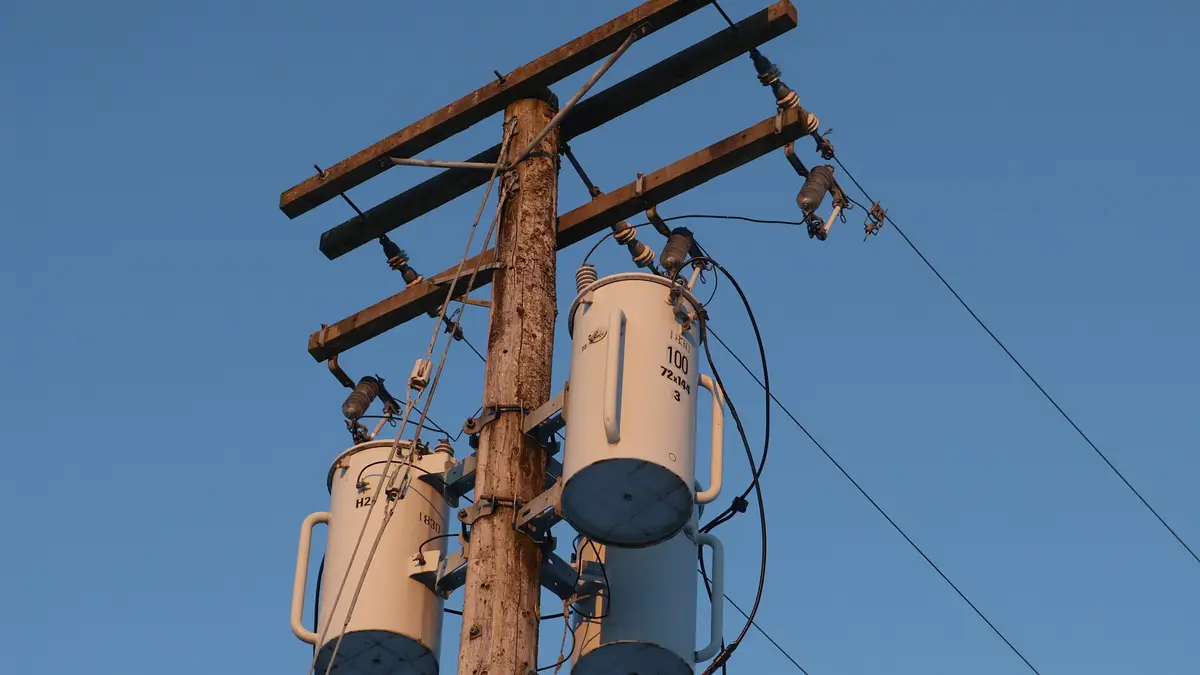
The reform targets distribution networks, the poles and cables that reach every home. Rincón recalled the outages of August 2024, when more than 1,200,000 customers lost power at the same time, and the blackout of 25 February 2025. The idea is for regulation to send clear signals to anticipate risks and add backup, and for companies to be paid for investments that make the network more resilient.
The reform is being discussed in a participatory process run by the Energy Ministry. On Wednesday 25 November the seventh session of the technical working groups took place, with more than 50 people in seven groups, according to Revista Electricidad. Topics included new, highly electrified loads such as data centres, new grid-management technologies, transmission planning and timely execution of works.
That session identified two obstacles to building works that are already planned: tenders that go unawarded and rigidity in managing awarded works. “We have two additional sessions in which we will receive presentations from stakeholders during December,” said Jaime Gallegos, head of the Electricity Markets Division. They will close the cycle of technical working groups. Distribution companies had already set out their priorities, as we reported in our story on the December proposal.
- August 2024Over 1.2 million customers out at once
- 25 February 2025Blackout from Arica to Chiloé
- 25 November 2026Seventh technical working-group sessionData centres, transmission planning and unawarded works.
- December 2026Two more sessions with stakeholders
- 18 December 2026Summit with Argentina, Bolivia and Peru
- December to JanuaryMinistry's conceptual proposal
- Q1 2027Bill goes to Congress
- 2035Target: 4 hours of outages a year
How many hours without power customers face
The indicator for outage hours is called SAIDI (average interruption duration per customer). According to the October 2025 report by the Superintendency of Electricity and Fuels (SEC), cited in an Energy Ministry presentation, cumulative SAIDI including force majeure ended 2023 at 13.6 hours and 2024 at 27.6 hours. The 2024 jump was concentrated in August, when the indicator went from 11.7 to 23.8 hours in a single month because of the windstorm.
In 2025 the cumulative figure reached 17.9 hours by September, with a jump from 1.0 to 9.0 hours in February due to the blackout on the 25th. Chile's 2050 Energy Policy sets an even tougher goal: average unavailability, excluding force majeure, should not exceed one hour a year in any locality.
View the data as a table
| 2023 | 2024 | 2025 | |
|---|---|---|---|
| Jan | 0.9 h | 1.0 h | 1.0 h |
| Feb | 2.0 h | 3.1 h | 9.0 h |
| Mar | 2.8 h | 4.2 h | 10.4 h |
| Apr | 4.2 h | 5.8 h | 11.4 h |
| May | 5.3 h | 8.1 h | 12.5 h |
| Jun | 6.9 h | 10.3 h | 15.2 h |
| Jul | 7.9 h | 11.7 h | 16.0 h |
| Aug | 9.6 h | 23.8 h | 17.0 h |
| Sep | 10.6 h | 24.7 h | 17.9 h |
| Oct | 11.7 h | 25.6 h | No data |
| Nov | 12.6 h | 26.5 h | No data |
| Dec | 13.6 h | 27.6 h | No data |
| Year | Hours without power per customer (cumulative SAIDI, incl. force majeure) | Notable event |
|---|---|---|
| 2023 | 13.6 hours | — |
| 2024 | 27.6 hours | August windstorm: +12.1 hours in one month |
| 2025 (to September) | 17.9 hours | 25 February blackout: +8 hours in one month |
| 2035 target (excl. force majeure) | 4 hours | Announced by Minister Rincón |
| 2050 Energy Policy target | 1 hour | In any locality |
Source: SEC, October 2025 report, in an Energy Ministry presentation; Diario Financiero, 24 November 2026.
A comprehensive law against cable theft
The minister also announced a comprehensive bill against cable theft, building on work already under way in Congress, and proposed classifying electricity infrastructure as critical state infrastructure: “protecting the grid is protecting the country,” she said. The problem is growing. According to Empresas Eléctricas AG, cable thefts rose from 1,823 in 2024 to 3,945 in 2025 (+116%), affected 614,031 customers (+12%) and removed 855 kilometres of line, Emol reported.
| Indicator | 2024 | 2025 | Change |
|---|---|---|---|
| Cable thefts | 1,823 | 3,945 | +116% |
| Lawsuits filed by utilities | 543 | 1,151 | +112% |
| Customers affected | 548,781 | 614,031 | +12% |
| Kilometres of line stolen | — | 855 km | +37% |
Source: Empresas Eléctricas AG, via Emol, 21 March 2026.

A recent case shows the scale of the crime. Arica's criminal analysis prosecutors secured sentences totalling 44 years in prison against two members of a gang that operated in Arica y Parinacota, Tarapacá and Atacama between October 2024 and March 2025. In March 2025 they knocked down 42 concrete poles in Alto Hospicio and took about 4,800 metres of cable, valued at around CLP 100 million, according to Revista Electricidad. Utilities also face electricity theft, another crime that makes the grid more expensive.
| Cable thefts | 1,823 | 3,945 | 116% |
| Lawsuits filed by utilities | 543 | 1,151 | 112% |
| Customers affected | 548,781 | 614,031 | 12% |
Grid reform and integration with neighbouring countries
The agenda for the next 12 months also includes projects to integrate Chile's grid with neighbouring countries. On 18 December, Chile will host the energy ministers of Argentina, Bolivia and Peru to move forward on interconnecting the four systems, a meeting Rincón called a “historic summit”.
System security is also improving on the transmission side. The grid operator, the Coordinador Eléctrico Nacional, told the Senate that frequency reserves have risen from 368 to 3,223 MW since the 2025 blackout, although one in four companies still has technical-standard gaps. The grid reform targets the last link, distribution, where most of the outages households experience occur.
Does your company offer power backup, grid maintenance or infrastructure security? Reach Energía Futura's readers.
See advertising formatsFrequently asked questions
When will the grid reform bill reach Congress?
In the first quarter of 2027, according to the energy minister. The conceptual proposal will be presented between December 2026 and January 2027.
What is the outage target?
To go from almost 15 hours a year per customer (2025, excluding force majeure) to 4 hours by 2035.
What is SAIDI?
It is the average time a customer goes without electricity in a year. The SEC measures it by municipality and sanctions utilities that exceed the limits.
How many cable thefts were there in 2025?
3,945, more than double 2024, with 614,031 customers affected and 855 km of line stolen, according to Empresas Eléctricas AG.