Enel Distribución detected 7,239 cases of electricity theft and illegal connections in 2025 and 2026 in its service area, most of it in the Santiago Metropolitan Region. The company estimates that about 443 GWh a year are stolen from its grid, as much as some 205,000 homes use, according to figures it gave to Revista Electricidad on Tuesday 24 November.
The trend is rising. Between January and October 2026, detected cases rose 23% and the energy involved grew 41%, from 12.3 to 17.3 GWh, compared with the previous period. Those 17.3 GWh alone equal, according to Enel, the annual consumption of about 8,000 homes.
View the data as a table
| Cases detected in 2025-2026 | 7,239 |
| Estimated energy stolen per year | 443 GWh |
| Rise in energy involved | 41% |
| Irregular installations removed | +1,600 |
Where electricity theft is concentrated in Santiago
Enel did not publish figures by district, but it did list those with the most cases: Maipú, Colina, La Florida, Santiago and Quilicura. Pudahuel, Recoleta, La Granja, Peñalolén and Lo Espejo also show a significant presence. In 85 operations carried out in 2026, the company removed more than 1,600 illegal installations. In one of them, in Pudahuel in October, 58 illegal connections were removed with police support and people were arrested.
| Group | Districts |
|---|---|
| Most cases detected | Maipú, Colina, La Florida, Santiago and Quilicura |
| Significant presence | Pudahuel, Recoleta, La Granja, Peñalolén and Lo Espejo |
| Notable operation | Pudahuel, October 2026: 58 connections removed |
Source: Enel Distribución, via Revista Electricidad, 24 November 2026. The company detects cases through consumption monitoring and targeted inspections.
How power is stolen and why it hurts the neighbours
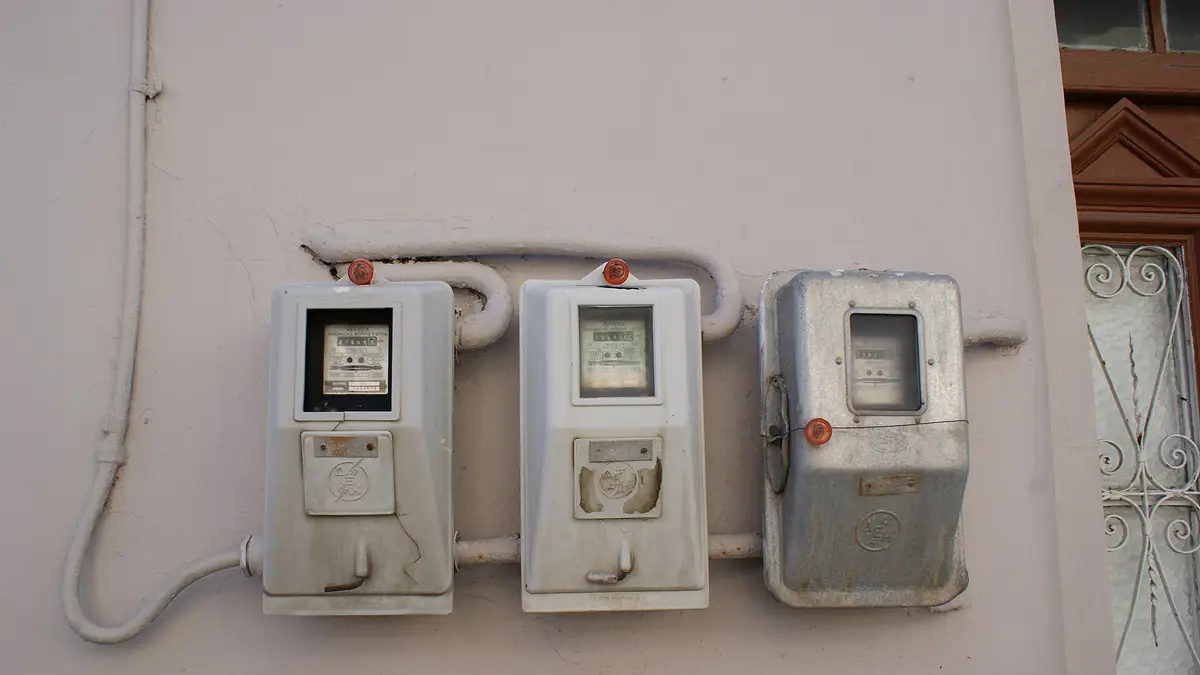
Enel describes four common methods: direct connections to homes or shops that bypass the meter, tampering with metering equipment, hook-ups designed so consumption is not recorded, and cables strung from distribution poles. In practice, whoever taps the line does not pay for the energy, but the grid still delivers it.
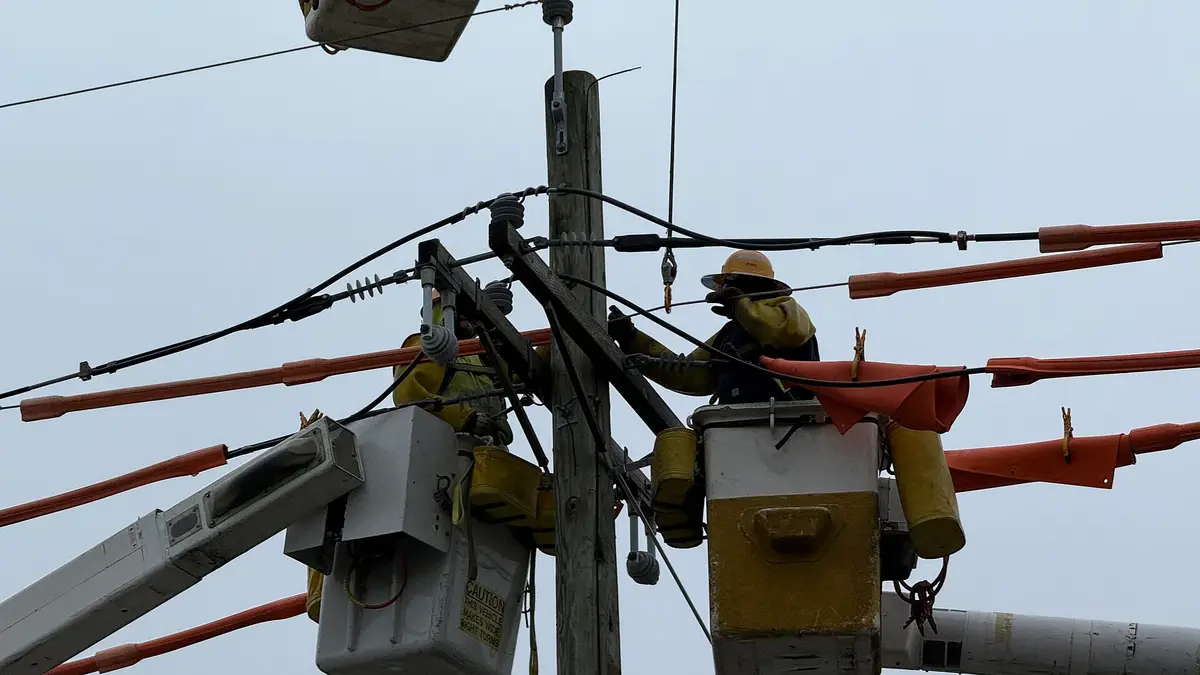
The problem is not only about billing. Illegal connections lack the protections the rules require, so they overload transformers, cause voltage drops and outages that affect paying customers, and raise the risk of fires, electrocution and accidents. In summer, when fans and air conditioners run more, an overloaded transformer is a common cause of outages across whole neighbourhoods.
To put 443 GWh in perspective: an average Chilean home uses roughly 180 to 200 kWh a month, as explained in our guide to how much electricity a house in Chile uses each month. At the residential tariff of around CLP 250 per kWh in central Chile, 443 GWh would be worth more than CLP 110 billion a year if billed at the regulated price. That calculation is Energía Futura's; Enel did not report a loss in pesos.
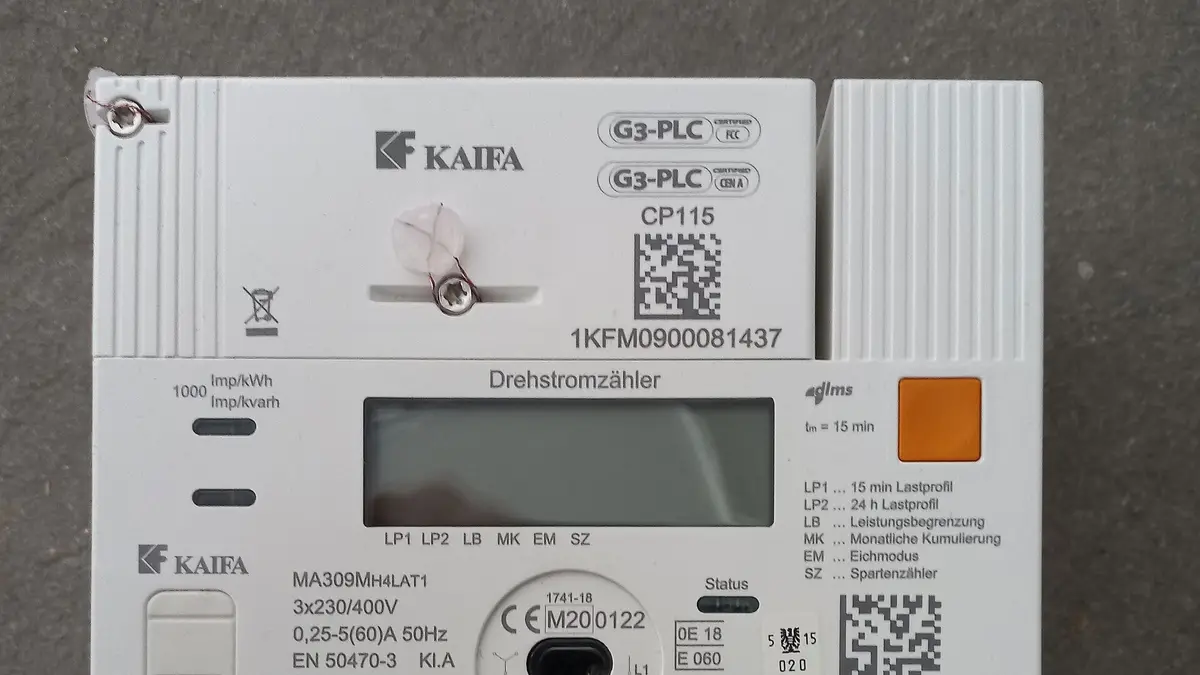
Digital meters and remote reading make these anomalies easier to spot, because the distributor can compare in real time the energy entering an area with what its customers' meters record. When the gap is large, an inspection is sent. That is why Enel talks about detection through consumption monitoring: theft leaves a trace in the grid data, even if it cannot be seen from the street.
Electricity theft: from complaint to conviction
In 2025 and 2026, Enel filed 116 complaints, of which 93 (80.2%) have identified suspects. There are nine formal investigations before guarantee courts and 40 cases with prosecutors awaiting charges. The company reports 10 favourable outcomes, including a sentence of 61 days in prison.
Enel is not the only distributor chasing electricity theft. CGE, which operates from Arica to Los Lagos, reported in August 3,299 cases detected between January 2025 and June 2026, led by Maule (622), O'Higgins (611) and the Metropolitan Region (608). Since 2024, CGE has filed 1,297 criminal complaints, with 161 suspects charged and 46 favourable court outcomes, in a joint strategy with the company ALTO.
View the data as a table
| Maule | 622 |
| O'Higgins | 611 |
| Metropolitana | 608 |
| Biobío | 327 |
| La Araucanía | 272 |
| Coquimbo | 242 |
| Distributor | Cases detected | Period | Legal action |
|---|---|---|---|
| Enel Distribución | 7,239 | 2025-2026 | 116 complaints; 10 favourable outcomes |
| CGE | 3,299 | January 2025 to June 2026 | 1,297 complaints since 2024; 46 favourable outcomes |
Sources: Revista Electricidad and Reporte Minero. Each company's periods and criteria differ, so the figures are not directly comparable.
Cable theft on the Senate's agenda
Enel's figures came out the same day the Senate discussed how to avoid another blackout. There, Energy Minister Ximena Rincón said that after a grid reform her legislative priority will be a comprehensive law against cable theft, because the current rule is 44 years old, according to Revista Electricidad. Cable theft and electricity theft are different offences, but both damage the same distribution network.
For a customer who pays the bill, the best defence is to keep an eye on their own consumption. An electricity usage meter lets you compare what the bill shows with what your appliances actually use, and spot early an outside connection on a shared supply or a fault in the meter.
- Enel website and the Enel Clientes app.
- WhatsApp: +56 9 9444 7606.
- Phone: 600 696 0000 or 800 800 696.
- If there is immediate danger (cut cables or sparks), stay away and call the distributor's emergency line.
Those are the channels Enel has set up to report theft. If the problem is an unjustified charge, the route is different: complain first to the company and then to the SEC. There are precedents, such as the ruling that ordered Enel to cancel a CLP 434,000 charge after it ignored an SEC decision.
Does your company offer smart metering, electrical safety or services for distributors? Reach Energía Futura's readers.
See advertising formatsFrequently asked questions
How much electricity is stolen from Enel's grid?
Enel estimates 443 GWh a year, the consumption of about 205,000 homes. Between January and October 2026, the energy involved in detected cases rose from 12.3 to 17.3 GWh.
Which districts have the most electricity theft?
On Enel's grid, Maipú, Colina, La Florida, Santiago and Quilicura. On CGE's grid, Curicó, Talca, Rancagua, San Bernardo and Coquimbo.
Does electricity theft affect other customers?
Enel does not quantify a bill impact, but it warns of direct effects: overloaded transformers, voltage drops and outages for paying customers, plus fire risk.
How do I report an illegal hook-up?
Through Enel's website or app, by WhatsApp on +56 9 9444 7606 or by phone on 600 696 0000 and 800 800 696. In other areas, contact the local distributor.