The Zaldívar copper mine has taken a key step towards giving up continental water. Chile's National Energy Commission (CNE) declared under construction, through Exempt Resolution No. 674, the Water Pumping System of Compañía Minera Zaldívar, the electrical installation that will power the pumps of the pipeline carrying treated wastewater from Antofagasta to the mine, Electrominería reported on 25 November.
The work is part of the US$1.2 billion “Life extension with water transition” project, which will keep the Antofagasta Minerals operation producing until 2051. The pipeline will be 163 kilometres long, carry about 200 litres per second and lift water from 500 to 3,200 metres above sea level, according to Diario Financiero. From 2028, Zaldívar will stop drawing water from the Negrillar area.
View the data as a table
| Pipeline length | 163 km |
| Treated wastewater flow | 200 l/s |
| Height it is pumped to | 3,200 m a.s.l. |
| Pumping system investment | US$900 million |
What the CNE declared under construction at Zaldívar
A declaration of construction is the process through which the CNE recognises that a project connecting to the National Electricity System already has permits, purchase orders and a committed schedule. In this case it is a load facility of 3 MW net and 6 MW installed capacity, connected to the Zaldívar 66 kV substation in the Antofagasta Region. The company filed the request on 15 October and answered the CNE's comments on 11 November.
Electrical works began on 11 November 2026. The schedule foresees 50% progress by 30 March 2027, with the 66 kV line, roads, poles and grounding complete; commissioning on 23 September 2027; and entry into operation on 20 October 2027. The resolution will be notified to the grid operator, the Coordinador Eléctrico Nacional.
| Item | Value |
|---|---|
| Resolution | CNE, Exempt Res. No. 674 |
| Facility type | Load (water pumping system) |
| Net / installed capacity | 3 MW / 6 MW |
| Connection point | Zaldívar 66 kV substation |
| Electrical works start | 11 November 2026 |
| 50% progress | 30 March 2027 |
| Commissioning | 23 September 2027 |
| Entry into operation | 20 October 2027 |
Source: CNE, via Electrominería, 25 November 2026.
| Facility | Water Pumping System (load) |
| Net / installed capacity | 3 MW / 6 MW |
| Connection point | S/E Zaldívar 66 kV |
| Electrical works start | 11 Nov 2026 |
| 50% progress | 30 Mar 2027 |
| Commissioning | 23 Sep 2027 |
| Commercial operation | 20 Oct 2027 |
How the Zaldívar pipeline will work
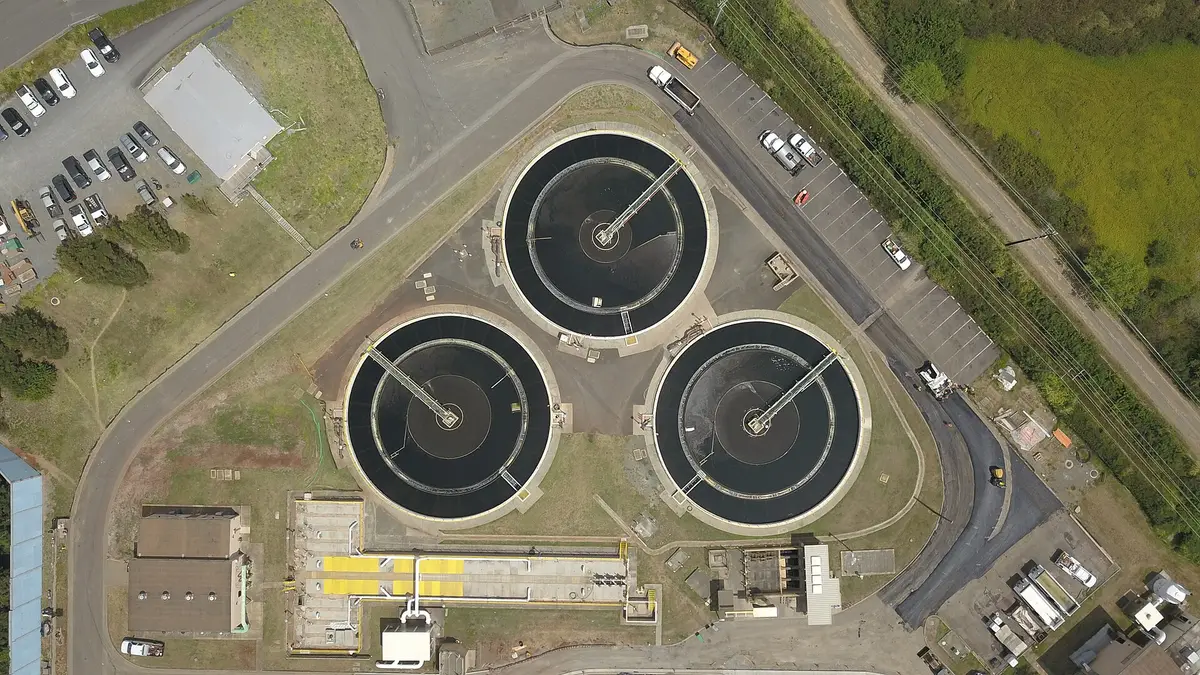
The water will come from the new Treatment and Reuse Plant that Econssa is building in the Salar del Carmen area of Antofagasta, able to recover up to 900 litres per second of the city's wastewater. The plant includes an anaerobic digester to handle sludge and recover biogas, and delivery points for industrial users such as the La Negra district, according to Portal Minero.
From there, the Water Pumping System (SIA) will move the water over more than 160 kilometres with three pumping stations, an 18- to 20-inch pipe and two 30-kilometre power lines. It includes a 5.3-kilometre tunnel dug with a micro-tunnelling machine, a first in Chile, plus remote operation, telemetry and early leak detection. Pipeline construction began in August 2026 and the 2027 peak would reach 5,000 workers.
| Component | Investment | Key data |
|---|---|---|
| Water Pumping System (Zaldívar) | ~US$900 million | 163 km, 200 l/s, from 500 to 3,200 m |
| Treatment and Reuse Plant (Econssa) | ~US$300 million | Up to 900 l/s, biogas from sludge |
| Total water-transition project | US$1.2 billion | Mine life to 2051 |
Source: Diario Financiero (8 June 2026) and Portal Minero (3 September 2026).
Why Zaldívar is leaving Negrillar water
Zaldívar has operated since 1995, produces about 80,000 tonnes of copper a year and supports some 4,000 direct and indirect jobs. Until now it has drawn on wells at Negrillar, part of the Monturaqui-Negrillar-Tilopozo aquifer system near the Salar de Atacama. In May 2025 the mine came within 15 days of running out of mining and water-extraction permits, until Antofagasta's Environmental Assessment Commission unanimously approved the project, which lets it keep drawing at Negrillar until 2028 and then switch to an alternative source.
With the pipeline, all Antofagasta Minerals mines in the Antofagasta Region will produce copper without continental water: Antucoya and Centinela already run on 100% untreated seawater. “Changing the source of the water we use to produce copper” is the goal, said Zaldívar's general manager, María de la Luz Osses. Econssa's chairman, Fernando Rojas, said Antofagasta will be “the first city in the country where the water its residents use goes back into the productive system”. The project also avoids discharging wastewater into the sea.
- 1995Mine starts operating
- 2023Life-extension with water transition enters SEIA
- May 2025Comes within 15 days of closing over permits
- August 2026Pipeline construction starts
- 11 November 2026Power works start; CNE declares them under construction
- October 2027Power connection enters operation
- 2028Stops using Negrillar water, switches to treated wastewater
- 2051End of extended mine life
Chilean mining and the water transition
Zaldívar joins a trend that has already changed the water map of mining in northern Chile. Codelco won environmental approval for Gabriela Mistral to stop using continental water by 2035. Other operations are betting on desalination, which has challenges of its own, as we explain in the 10 environmental challenges of the new desalination law.
What sets Zaldívar apart is the source: rather than desalinating seawater, it reuses a city's wastewater, a solution that won the 2026 AIA Award in the Sustainable Management category from the Antofagasta Industrial Association. The energy cost matters too: lifting 200 litres per second to 3,200 metres requires pumping stations with 6 MW of installed capacity, supplied from the National Electricity System. The use of seawater and alternative sources in mining grows every year, as we detail in our data sheet on seawater use in Chilean mining.
Does your company offer water, energy or efficiency solutions for mining? Reach Energía Futura's readers.
See advertising formatsFrequently asked questions
What did the CNE declare under construction?
Compañía Minera Zaldívar's Water Pumping System, a load facility of 3 MW net and 6 MW installed connected to the Zaldívar 66 kV substation, due to enter operation on 20 October 2027.
Where will Zaldívar get its water?
From Antofagasta's treated wastewater, processed at Econssa's reuse plant in Salar del Carmen.
When will Zaldívar stop using Negrillar water?
In 2028, when the pipeline starts delivering treated water to the mine.
How much does the project cost?
US$1.2 billion in total: about US$900 million for Zaldívar's pumping system and about US$300 million for Econssa's plant.