Chile's Superintendency of Electricity and Fuels (SEC) fined four power companies in La Araucanía a total of more than 586 million pesos. The SEC regional office imposed 2,500 UTM on Frontel, 1,600 UTM on Codiner, 1,000 UTM on Saesa and 3,000 UTM on CGE Transmisión for violations related to the maintenance of their facilities and to the care of electro-dependent customers, as reported on November 6 by Revista Electricidad and Electrominería. The UTM is a Chilean inflation-indexed monetary unit.
The sanctions close part of the proceedings opened after the July 2026 frontal system, which at its worst left 215,806 customers without supply in the region. The SEC had filed charges against Frontel and Codiner on July 28 for failures in network maintenance and in managing vegetation near the lines.
View the data as a table
| Total fines | $586 million CLP |
| Companies fined | 4 |
| Customers without power at the July storm peak | 215,806 |
The SEC fines in La Araucanía, company by company
The SEC split the case into three parallel actions. In the first, it sanctioned Frontel and Codiner for deficiencies in maintaining their distribution networks, which would have lengthened the July outages. In the second, it charged and fined Codiner for failing to comply with the rules on care and protection of electro-dependent customers, people who rely on grid-powered medical equipment. In the third, it closed proceedings against CGE Transmisión, Saesa and Frontel for maintenance deficiencies at critical facilities.
| Company | Fine (UTM) | Reported reason |
|---|---|---|
| CGE Transmisión | 3,000 | Maintenance deficiencies at critical facilities (closed proceedings) |
| Frontel | 2,500 | Poor network maintenance (July outages) and closed proceedings over critical facilities |
| Codiner | 1,600 | Poor network maintenance and non-compliance with electro-dependent customer rules |
| Saesa | 1,000 | Maintenance deficiencies at critical facilities (closed proceedings) |
| Total | 8,100 UTM | Over 586 million pesos |
Source: SEC Araucanía, via Revista Electricidad (November 6, 2026). Electrominería published a different breakdown (1,600 UTM for Frontel and 1,000 UTM for Codiner), but that split adds up to 6,600 UTM and does not match the total of over 586 million pesos reported by the SEC; Revista Electricidad's 8,100 UTM is consistent with that total (around 72,000 pesos per UTM).
The facilities named in the third action are the 66 kV Victoria-Traiguén high-voltage line, the Lican Ray medium-voltage feeder in the municipality of Villarrica, and the Imperial-Puerto Saavedra feeder in the municipality of Saavedra. The public information does not specify which company owns each one.
View the data as a table
| Victoria-Traiguén 66 kV line | |
| Lican Ray feeder (Villarrica) | |
| Imperial-Puerto Saavedra feeder |
*"These actions reflect the SEC's commitment to overseeing the power sector and enforcing current regulations, especially regarding facility maintenance and the protection of electro-dependent customers,"* said Felipe Massardo, the SEC's regional director. The regional Energy secretary, Jorge Rathgeb, added that *"it is clear that citizens' complaints have not fallen on deaf ears."*
The origin: the July 2026 frontal system
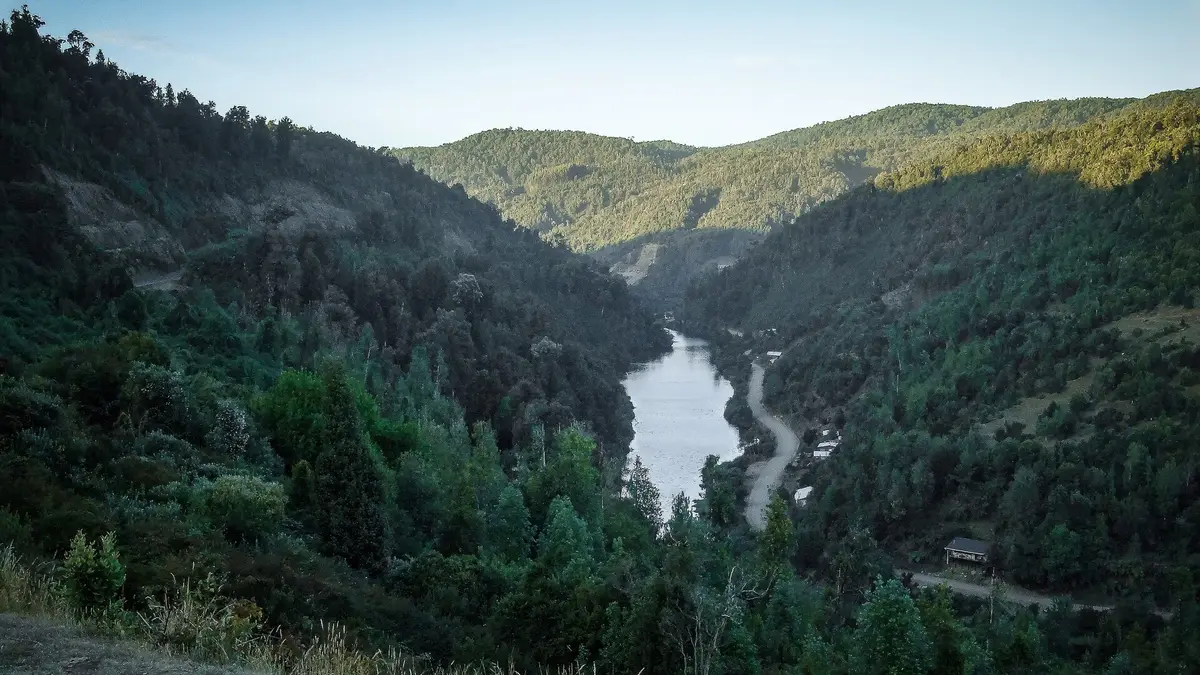
The storm hit La Araucanía on July 15, 2026. At its peak it left 215,806 customers without power. Six days later, at noon on July 21, Frontel still had 9,081 customers without supply and Codiner 3,796, according to figures reported by BioBioChile.
The SEC's inspections during those days reviewed the care of electro-dependent patients, the availability of field crews and the state of the infrastructure. On July 28 it charged Frontel and Codiner over network maintenance and vegetation management, and Energy Minister Ximena Rincón backed the decision: *"Each company will have to answer for the violations,"* she said at the time. Frontel replied that it deployed all its resources and that the scale of the frontal system *"went beyond a normal situation."*
| July storm indicator in La Araucanía | Figure |
|---|---|
| Customers without supply at the peak | 215,806 |
| Frontel customers without power, July 21, 12:00 | 9,081 |
| Codiner customers without power, July 21, 12:00 | 3,796 |
| SEC charges filed | July 28, 2026 |
| Fines imposed | November 6, 2026 |
Sources: SEC, via BioBioChile (July 2026) and Revista Electricidad (November 2026). Customers without power are counted as metered homes and businesses, not people: each customer usually represents a household.
- July 15, 2026Frontal system: up to 215,806 customers without power
- July 21, 2026Frontel still has 9,081 customers without power and Codiner 3,796
- July 28, 2026SEC files charges against Frontel and Codiner
- November 6, 2026Fines of 8,100 UTM for four companies
This year's storms have tested the grids of central and southern Chile. The most recent one, in October, left 127,643 customers without power at its peak, a high figure for spring but far below the July storm.
What electro-dependent customers are and what utilities must do
An electro-dependent customer is a person who needs a continuous electricity supply for medical treatment, such as an oxygen concentrator or a mechanical ventilator. Distributors must keep a register of these customers, prioritize them when restoring supply and give them special attention during outages. Non-compliance with those rules was the reason for the specific sanction on Codiner, an electricity cooperative with a strong presence in the region's rural areas.
- Register with the distributor with a medical certificate proving the condition.
- Priority in restoring supply during emergencies.
- Direct contact and follow-up during prolonged outages.
- File a complaint with the SEC if the company fails to comply, online or at regional offices.
What comes after the SEC fines: summer, wildfires and inspections
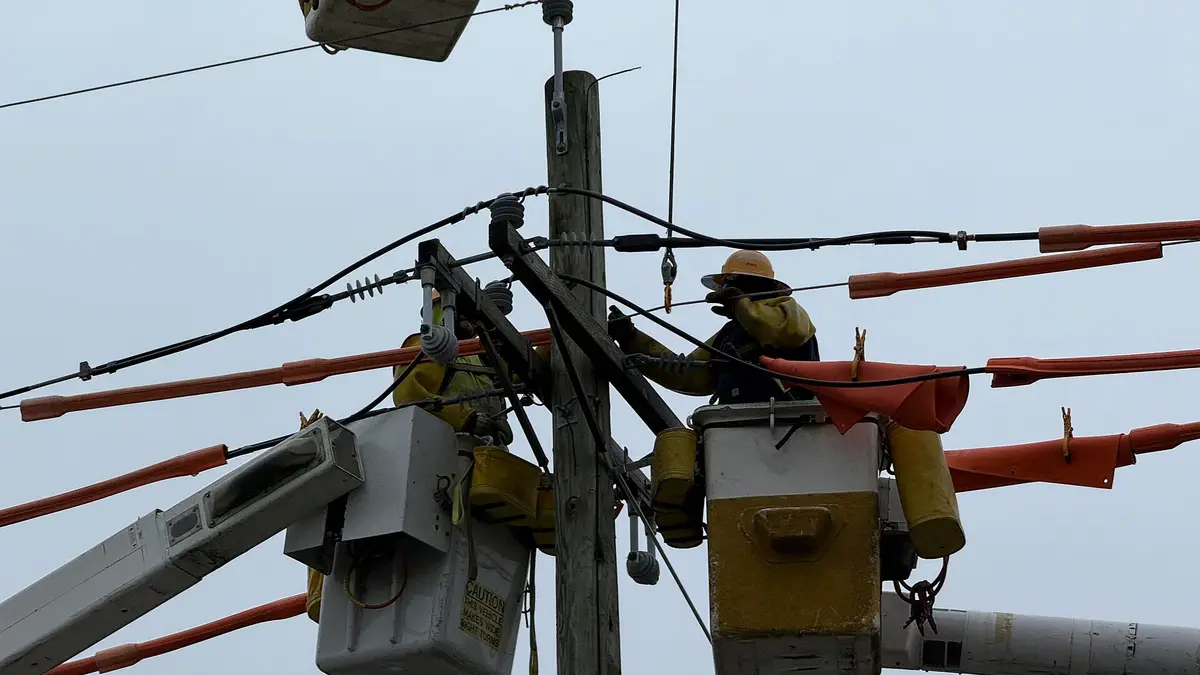
The fines come as utilities prepare their summer plans, the wildfire season that also damages networks. In La Araucanía, the regional Power Distribution Board met in October to coordinate that work. In other regions, distributors have announced preventive programs, such as CGE's Summer Plan, which inspects 87,600 poles and asks for 27,000 risky trees to be pruned.
The companies can challenge the fines: first with an appeal for reconsideration before the SEC itself, then with an illegality claim before the Court of Appeals. The sanctions do not by themselves generate compensation for affected customers; compensation for outages is governed by electricity law and credited on the bill according to the length of the interruption. The guide on power outages, how to file a complaint and what compensation applies explains the procedure.
Does your company work in grids, electrical maintenance or backup power? Reach Energía Futura's readers.
See advertising optionsFrequently asked questions
Which companies did the SEC fine in La Araucanía?
Frontel (2,500 UTM), Codiner (1,600 UTM), Saesa (1,000 UTM) and CGE Transmisión (3,000 UTM), according to Revista Electricidad's breakdown.
How much do the fines add up to?
8,100 UTM, over 586 million pesos, according to the SEC.
Why were they imposed?
For deficiencies in network and facility maintenance and, in Codiner's case, for failing to follow the rules for electro-dependent customers.
Are they related to the July outages?
Partly, yes. The maintenance sanction on Frontel and Codiner is linked to the outages caused by the July 2026 frontal system, which left 215,806 customers without power at its peak.
Do customers receive money from these fines?
Not directly. The fines go to the State. Outage compensation is credited on the bill according to the length of the interruption and can be claimed before the SEC.