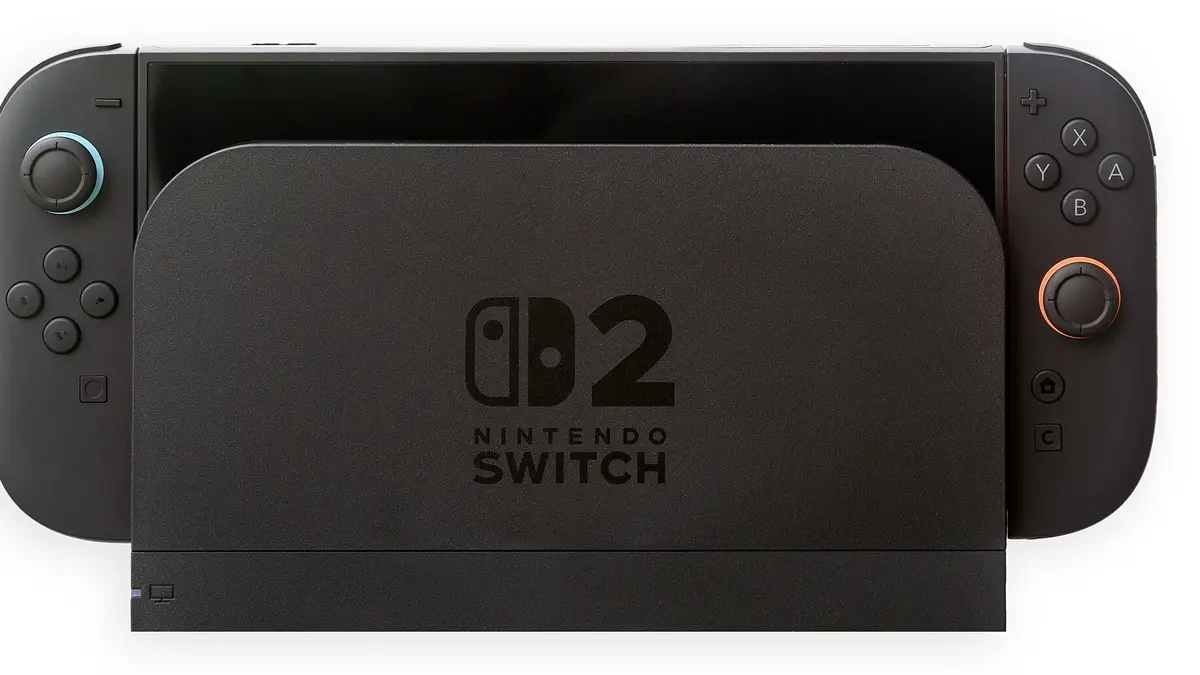
The Nintendo Switch 2 draws 19 W when played docked to a TV, according to Nintendo's official specifications, measured with Mario Kart World. At CLP 255.27 per kWh, an hour of play costs less than CLP 5 and playing two hours a day adds up to about CLP 291 a month. That is eleven times less than a PS5 Slim, which averages 216.8 W, and well below a 55-inch LED TV, which uses 63 to 84 W.
But the console has a detail that can weigh more than gaming: if left in sleep mode with wired LAN kept active, it draws 5 W around the clock, and that costs more per month than two hours of daily play. This guide details consumption in each mode, the cost in pesos and the comparison with the original Switch, the OLED and the PS5.
View the data as a table
| Power draw gaming in TV mode | 19 W |
| One hour of play | $4.85 |
| Per year, 2 hours a day | $3,574 |
| Times more a PS5 Slim uses | 11.4× |
How much electricity the Nintendo Switch 2 uses in each mode
Nintendo publishes five figures for the Switch 2 in TV mode, the most power-hungry. The console uses 19 W while gaming, 8 W on the HOME Menu, 5 W in sleep mode if it keeps the wired LAN connection, 0.5 W in sleep mode with Wi-Fi and 0.5 W when off. The gaming figure is an average measured with Mario Kart World at Full HD and 4K resolution.
| Mode (TV) | Power | Cost per hour | Cost at 22 h a day for 30 days |
|---|---|---|---|
| Gaming | 19 W | CLP 4.85 | — |
| HOME Menu | 8 W | CLP 2.04 | — |
| Sleep with wired LAN kept on | 5 W | CLP 1.28 | CLP 842 |
| Sleep with Wi-Fi | 0.5 W | CLP 0.13 | CLP 84 |
| Off | 0.5 W | CLP 0.13 | CLP 84 |
Source: Nintendo, ecodesign information and Switch 2 specifications. Energía Futura calculations at CLP 255.27 per kWh, CGE's BT1 residential rate (CGE) in force since October 2026. As of 8 November, CGE had not published its November tariff schedule.
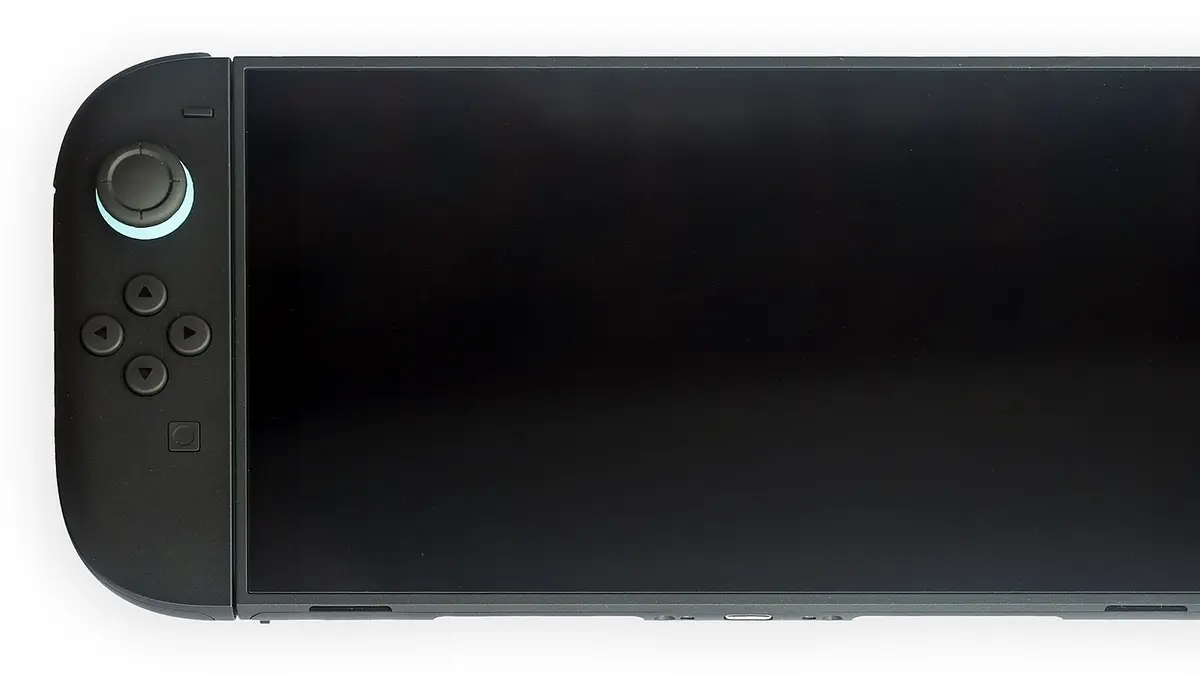
In handheld mode, Nintendo does not publish a consumption figure for the Switch 2. It does state that its battery holds 5,220 mAh (5,172 mAh on the model with a user-replaceable battery), lasts 2 to 6.5 hours depending on the game and recharges in about 3 hours. Since the console runs on its battery, the cost on the electricity bill is only that of recharging it, far below TV mode.
How much the Nintendo Switch 2 costs per month in pesos
Playing one hour a day on the TV uses 0.57 kWh a month and costs about CLP 146. With two hours a day, the cost reaches CLP 291, and with four hours, CLP 582. Nintendo estimates annual consumption of 14 kWh for two hours of daily play, about CLP 3,574 a year. If the console sleeps with wired LAN on, the estimate rises to 50 kWh a year: about CLP 12,764.
| Use (30 days) | Monthly consumption | Monthly cost | Yearly cost |
|---|---|---|---|
| 1 hour a day gaming (TV) | 0.57 kWh | CLP 146 | CLP 1,746 |
| 2 hours a day gaming (TV) | 1.14 kWh | CLP 291 | CLP 3,492 |
| 4 hours a day gaming (TV) | 2.28 kWh | CLP 582 | CLP 6,984 |
| Sleep with LAN on, 22 h a day | 3.3 kWh | CLP 842 | CLP 10,109 |
| Sleep with Wi-Fi, 22 h a day | 0.33 kWh | CLP 84 | CLP 1,011 |
Energía Futura calculations with Nintendo's power figures. The yearly cost of two hours a day comes to CLP 3,492 with this 360-day calculation and CLP 3,574 with Nintendo's 14 kWh estimate; Nintendo's figure also includes Wi-Fi sleep for the rest of the day and its own usage assumptions.
The practical advice is simple: if you do not use the console with a network cable, leave it in Wi-Fi sleep, the default mode. If it is wired, turning off the option to keep the connection during sleep saves more than playing less. The same applies to other devices that are always on, as we explain in how much electricity a Wi-Fi router uses.
Yearly cost by type of player
To turn watts into usage profiles, Energía Futura calculated the yearly cost for three types of players on the TV, adding menu time and Wi-Fi sleep for the rest of the day. Even the heaviest player, at five hours a day, spends about CLP 10,000 a year on electricity for the console: less than a new game.
| Profile | TV gaming | HOME Menu | Wi-Fi sleep | Yearly consumption | Yearly cost |
|---|---|---|---|---|---|
| Occasional | 30 min a day | 10 min a day | Rest of the day | 8.2 kWh | CLP 2,096 |
| Regular | 2 h a day | 15 min a day | Rest of the day | 18.6 kWh | CLP 4,740 |
| Heavy | 5 h a day | 30 min a day | Rest of the day | 39.5 kWh | CLP 10,086 |
Energía Futura calculations with 19 W gaming, 8 W on the menu and 0.5 W in sleep, over 365 days, at CLP 255.27 per kWh. The low sleep figures reflect European Union ecodesign rules, which require devices sold there to use little power on standby; that is why Nintendo publishes these data on its European pages.
Nintendo Switch 2 versus the original Switch and the OLED
The Switch 2 uses more than its predecessors because it has a larger screen (7.9 inches and 1080p resolution), a more powerful processor and 4K output to the TV. According to a Nintendo investor presentation from November 2022, the original 2017 Switch averaged 12 W docked; the 2019 revision, 7 W, and the OLED, 6 W, half the first model. In handheld mode, the OLED uses 4 W while gaming, according to its spec sheet.
| Console | Gaming on the TV | Cost per hour | Monthly cost (2 h a day) | Battery |
|---|---|---|---|---|
| Original Switch (2017) | 12 W | CLP 3.06 | CLP 184 | 4,310 mAh |
| Switch 2019 revision | 7 W | CLP 1.79 | CLP 107 | 4,310 mAh |
| Switch OLED (2021) | 6 W | CLP 1.53 | CLP 92 | 4,310 mAh |
| Switch 2 (2025) | 19 W | CLP 4.85 | CLP 291 | 5,220 mAh |
| PS5 Slim | 216.8 W | CLP 55 | CLP 3,321 | — |
Sources: Nintendo (specifications and investor presentation) and Sony, ecodesign information. Energía Futura calculations at CLP 255.27 per kWh. Figures for earlier Switch models are averages reported by Nintendo and were not measured with the same game as the Switch 2.
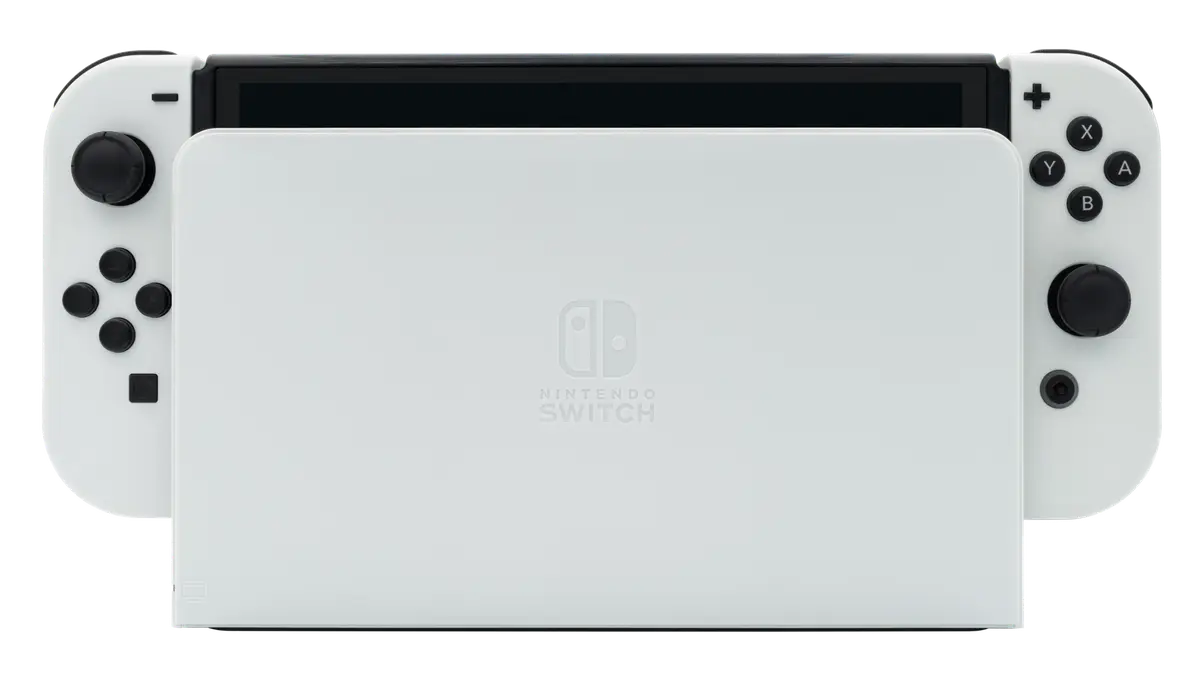
The Switch 2 and the PS5: the difference on the bill
The PS5 Slim averages 216.8 W while gaming, according to Sony, and costs about CLP 55 an hour. Playing two hours a day on it adds up to CLP 3,321 a month; on the Switch 2 docked, CLP 291. The yearly difference is around CLP 36,000. We detail Sony's models and their standby consumption in how much electricity a PlayStation 5 uses.
The cost of electricity is still small next to the console's price. The Switch 2 launched in Chile in June 2025 at CLP 629,990, and since 1 September 2026 its suggested price is CLP 659,990, as reported by Chócale based on an announcement by Nintendo Latin America. With two hours of play a day, a year of electricity is about 0.5% of that price.
- 2017The Switch arrives: 12 W docked
- 2019New revision: 7 WA more efficient chip lowers the draw and extends battery life.
- 2021Switch OLED: 6 WHalf the original model, according to Nintendo.
- June 2025Switch 2: 19 W in TV mode7.9-inch 1080p screen and 4K output to the TV.
- 1 Sep 2026Price rises to CLP 659,990 in ChileUp from CLP 629,990 at launch.
Do you sell consoles, video games or efficient technology? Reach Energía Futura's readers.
See advertising optionsHow to spend less with the console
- Play in handheld mode when you do not need the big screen: the console runs on its battery and recharging costs less.
- Turn off sleep with wired LAN if you do not use it: that is 5 W around the clock.
- Switch off the TV when the console goes to sleep: a 55-inch LED TV uses 63 to 84 W, more than the Switch 2.
- Set auto-off for the screen and the console after a few idle minutes.
- Unplug the dock if you will not use it for days.
For PC gamers, consumption is very different: a mid-range gaming computer draws around 300 W while gaming, as we show in how much electricity a gaming PC and a laptop use. Among today's gaming platforms, the Switch 2 is one of the lightest on the electricity bill.
Frequently asked questions
How many watts does the Nintendo Switch 2 use?
19 W while gaming on the TV, 8 W on the HOME Menu and 0.5 W in sleep with Wi-Fi, according to Nintendo.
How much does an hour on the Switch 2 cost in Chilean pesos?
Less than CLP 5 in TV mode, at CLP 255.27 per kWh.
How much does a Switch 2 add to the electricity bill?
About CLP 291 a month playing two hours a day on the TV. If it sleeps with wired LAN on, add about CLP 842.
Does the Switch 2 use more than the original Switch?
Yes. On the TV, the Switch 2 uses 19 W; the original 2017 model, 12 W, and the OLED, 6 W, according to Nintendo.
How long does the Switch 2 battery last?
Between 2 and 6.5 hours depending on the game, with a 5,220 mAh battery that recharges in about 3 hours.