Copper slag, the waste left by smelters, could go from mining liability to raw material for paving streets and roads. That was the focus of the international conference “Copper slag: an opportunity for Chilean industry. From mining by-product to strategic national asset”, organized by the Alta Ley Corporation and Anglo American, which brought together officials, miners and builders, according to Electrominería on 13 November 2026.
The volume at stake is huge. According to figures from Sernageomin, Chile's mining and geology service, cited by Reporte Minero and by the Ministry of Mining in País Circular, Chile generates almost 5 million tonnes of slag a year and has more than 70 million stockpiled in slag dumps next to its smelters.
View the data as a table
| Annual generation | Almost 5 million t |
| Historical stockpile | Over 70 million t |
| Slag per tonne of copper | 2.2 t |
| Ventanas stockpile | 4.5 million t |
What copper slag is
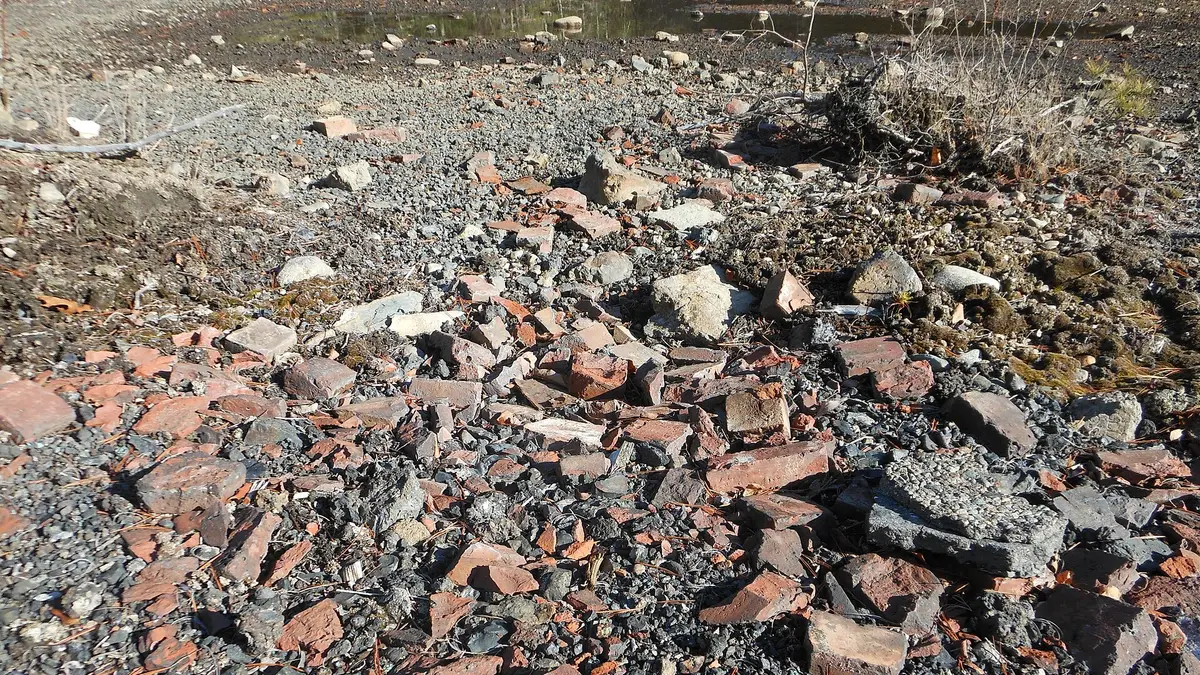
Slag is the material that separates from molten copper when concentrate is processed at high temperature. The Health Ministry's Decree No. 46 defines it as a non-hazardous mining waste made up mainly of iron oxides and silica, which is why it is also called iron silicate, with small amounts of aluminium, titanium, calcium and magnesium. On average, each tonne of smelted copper leaves 2.2 tonnes of slag.
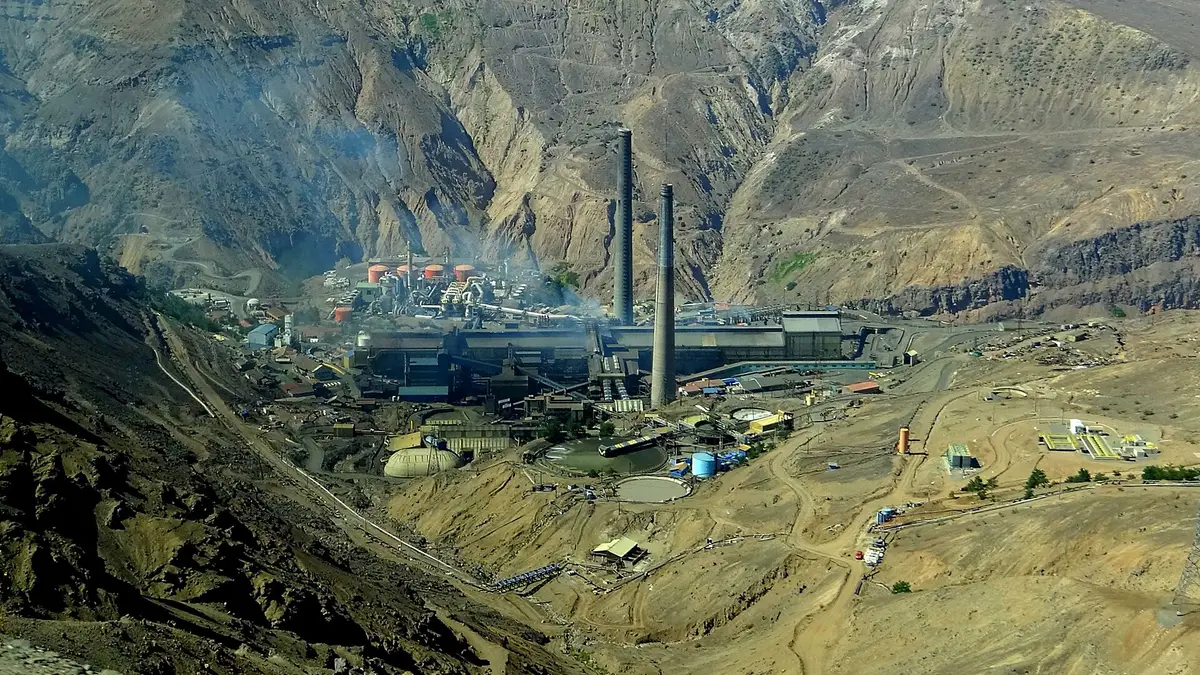
For decades it piled up in large dumps next to the Chuquicamata, Altonorte, Potrerillos, Paipote, Chagres, Ventanas and Caletones smelters. After Codelco's Ventanas smelter in Puchuncaví closed, a stabilized deposit of about 4.5 million tonnes remained, according to Reporte Minero. Putting it to use is part of closing the mining loop, just like recovering metals from tailings, as in the Playa Verde project in Chañaral bay.
View the data as a table
| Chuquicamata | Codelco | Antofagasta Region |
| Altonorte | Glencore | Antofagasta Region |
| Potrerillos | Codelco | Atacama Region |
| Hernán Videla Lira (Paipote) | Enami | Atacama Region |
| Chagres | Anglo American | Catemu, Valparaíso Region |
| Ventanas | Codelco | Puchuncaví; closed in 2023, with 4.5 million t of slag |
| Caletones | Codelco | El Teniente, O'Higgins Region |
| Data point | Figure | Source |
|---|---|---|
| Slag generated each year in Chile | Almost 5 million t | Sernageomin, via Reporte Minero and País Circular |
| Historical slag stockpile | Over 70 million t | Sernageomin, via Reporte Minero and País Circular |
| Slag per tonne of smelted copper | 2.2 t on average | Reporte Minero (2025) |
| Former Ventanas smelter deposit | ~4.5 million t | Codelco, via Reporte Minero (2026) |
| Codelco Ventanas pilots | 6 projects in Quintero and Puchuncaví | Codelco, via Reporte Minero (2026) |
Sources: Sernageomin, cited by Reporte Minero (April 2025) and País Circular (February 2026); Codelco Ventanas Division via Reporte Minero (March 2026). Other sources put the stockpile at 45 to 60 million tonnes.
What the decree that enabled copper slag allows
The key change came with the Health Ministry's Supreme Decree No. 46, published in the Official Gazette on 16 February 2026, which sets the requirements to authorize copper slag as an artificial aggregate in construction, according to Reporte Minero. The rule keeps its classification as non-hazardous waste but allows its use in paving, roads, highways, precast elements and street furniture in open spaces.
Each use requires a permit from the regional health authority (Seremi de Salud) linked to the specific work and volume, with physical and chemical tests showing the material meets the standards, plus traceability and records. Smelters could use slag before, but each case was reviewed separately, which kept projects at pilot scale. The regulation drew on six Codelco Ventanas pilots, including paving a heavy-traffic bus platform and resurfacing roads in the Valparaíso Region.
- Dec 2024NCh163:2024 standardAllows recycled and artificial aggregates in concrete.
- 2025-2026Codelco Ventanas pilotsSix projects in Quintero and Puchuncaví: paving, roads and street furniture.
- 16 Feb 2026Health Ministry Supreme Decree No. 46 takes effectAuthorizes slag as artificial aggregate with a regional health permit.
- 13 Nov 2026Alta Ley and Anglo American conferenceThey call for by-product status and for the State to be the first buyer.
What is still missing to create a market
At the conference, Elena Moreno, acting executive president of Alta Ley, summed up the diagnosis: “Regulatory progress is essential, but on its own it does not create a market.” She outlined three fronts: harmonizing regulation so rules recognize slag as a by-product, building confidence through technical standards on quality and performance, and driving sales, with the State as first buyer in public works, Serviu housing tenders and Public Works Ministry standards.
Kattherine Ferrada, Anglo American's environment manager, spoke of “transforming mining liabilities into a raw material”, and Claudia Garrido, general manager of the Chagres smelter, highlighted public-private collaboration. From the Housing Ministry, Juan Diego Izquierdo pointed to the Participatory Paving Program, now in its 35th call, as a possible outlet; for the Chilean Chamber of Construction, Francisco Costabal called for materials with traceability, availability and competitive costs, and warned that the distance between slag dumps and building sites will be decisive.
| Front | What is being asked | Who raises it |
|---|---|---|
| Regulation | Recognize slag as a by-product, not waste | Alta Ley Corporation |
| Technical confidence | Technical standards on quality and performance (INN) | Alta Ley and CChC |
| Demand | The State as first buyer: Public Works, Serviu, paving programs | Alta Ley and Housing Ministry |
| Logistics | Uses near slag dumps to cut transport costs | Chilean Chamber of Construction |
Source: Alta Ley and Anglo American conference, via Electrominería (13 November 2026).
The slag debate adds to other policies aimed at reducing large-scale mining's footprint. The Ministry of Mining, for instance, began drafting an instrument in November to cut the sector's emissions, as we reported in our story on the Technology Action Plan to decarbonize mining. Mining undersecretary Suina Chahuán, meanwhile, said in March that the industry had been waiting for the slag regulation for more than ten years, according to El Desconcierto.
Does your company work in circular economy, tailings or mining waste recovery? Reach Energía Futura's readers.
See advertising optionsThe environmental benefit is twofold: every tonne of slag used as aggregate avoids extracting gravel and sand from rivers and quarries, and shrinks the dumps that take up land next to smelters. A column in Reporte Minero cites the Aconcagua basin, where Chagres operates, among those most affected by aggregate extraction. For copper mining, which is trying to shrink its environmental footprint on every front, as our piece on the carbon footprint of Chilean copper shows, slag is one of the most visible liabilities.
Frequently asked questions
What is copper slag?
It is the waste that separates from copper during smelting. It is mainly iron silicate and in Chile is classified as non-hazardous mining waste.
How much copper slag is there in Chile?
According to Sernageomin, almost 5 million tonnes a year are generated and the historical stockpile exceeds 70 million. Other sources estimate 45 to 60 million stockpiled.
Can copper slag be used in construction?
Yes. Since 16 February 2026, the Health Ministry's Decree No. 46 allows it as an artificial aggregate in paving, roads and precast elements in open spaces, with a regional health permit.
Why is it not yet used at scale?
Because demand is lacking: builders do not yet include it in their specifications, slag dumps are far from the main consumption centres and the industry wants it recognized as a by-product and bought by the State for public works.