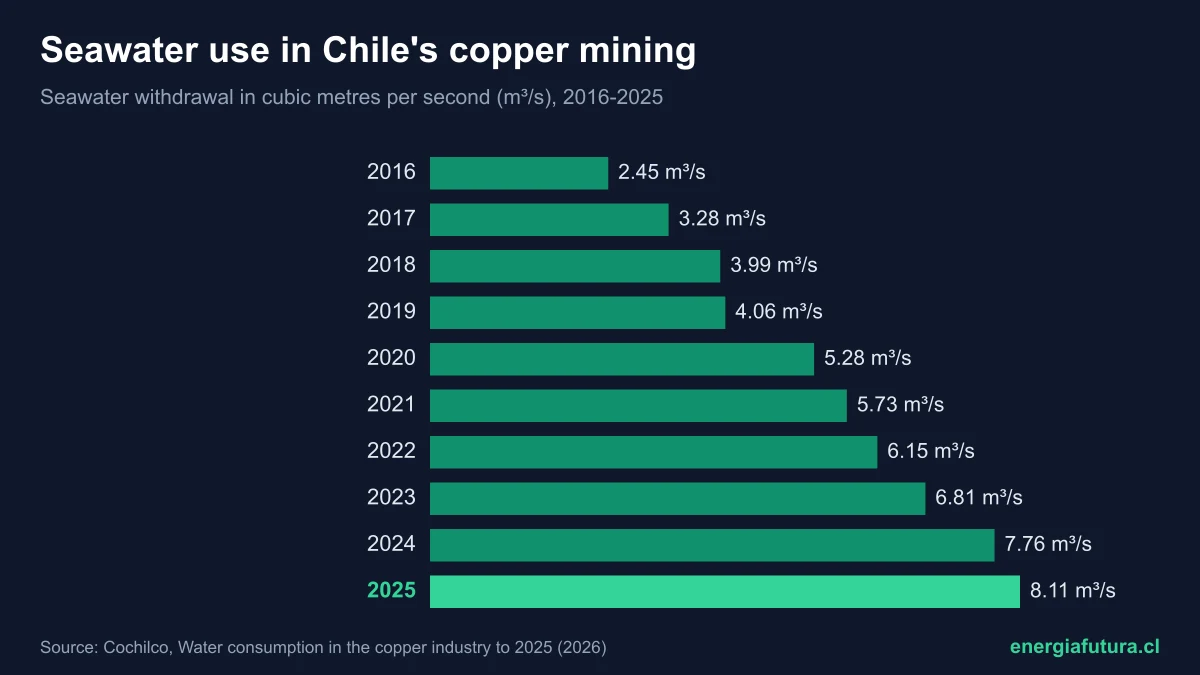
Chile will have its first state-funded scientific study on the effect of desalination brine on the sea. The FIPA 2026-01 project, from the Fisheries and Aquaculture Research Fund, has a budget of CLP 190.5 million and will run from July 2026 to January 2028, REDIMIN magazine reported on 26 October 2026. The issue matters especially to copper mining, which already draws 8.11 m³/s of seawater, 70% of it desalinated, according to Cochilco.
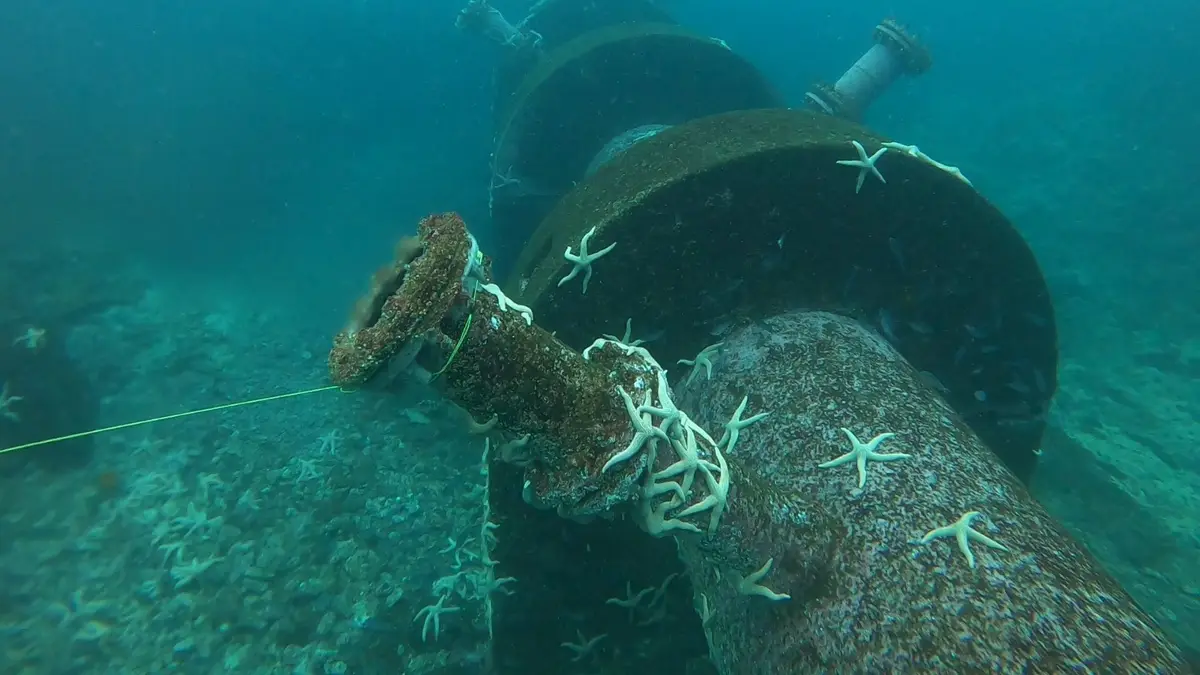
Brine is the concentrated seawater that reverse osmosis plants return to the ocean after separating out fresh water. Because these plants generally recover less than half of the water they take in, the discharge volume is larger than the volume of water produced, and its salinity is higher than that of the receiving sea.
What the desalination brine study will measure
The study is being carried out by a temporary consortium of Sistemas Socioecológicos SpA and Centro de Investigación en Recursos Naturales SpA. Its geographic scope runs from Arica y Parinacota to Valparaíso, the area where desalination plants are concentrated, although REDIMIN notes that the plants to be sampled have not been publicly identified.
- Direct measurements in brine discharge zones.
- Chemical and biological analysis of the water in those areas.
- Standardised bioassays with commercially fished species, to measure organisms' tolerance to different concentrations.
- Review of international evidence and of technologies that reduce the impact of discharges.
- A sector methodological guide so that the Undersecretariat of Fisheries (Subpesca) can assess these projects within the Environmental Impact Assessment System (SEIA).
To gain access to the plants, Subpesca and the Chilean Desalination and Reuse Association (ACADES) signed a collaboration agreement, formalised by Exempt Resolution No. 2099-2026, published on 3 September 2026. According to a Subpesca document dated 31 August, the FIPA 2026-01 terms required that coordination, and the agreement involves no transfer of funds between the parties. REDIMIN highlights a nuance from the study itself: the presence of brine does not necessarily mean there is ecological damage, and that is precisely what it aims to measure.
| Item | FIPA 2026-01 project |
|---|---|
| Funding | Fisheries and Aquaculture Research Fund (state) |
| Budget | CLP 190.5 million |
| Contractor | Temporary consortium of Sistemas Socioecológicos SpA and Centro de Investigación en Recursos Naturales SpA |
| Timeline | July 2026 to January 2028 |
| Area | Arica y Parinacota to Valparaíso |
| Collaboration | Subpesca and ACADES (Exempt Res. No. 2099-2026) |
| Deliverable | Methodological guide for the environmental assessment of discharges |
Sources: REDIMIN (26 October 2026) and Subpesca. The dates are planning dates, not results delivery dates.
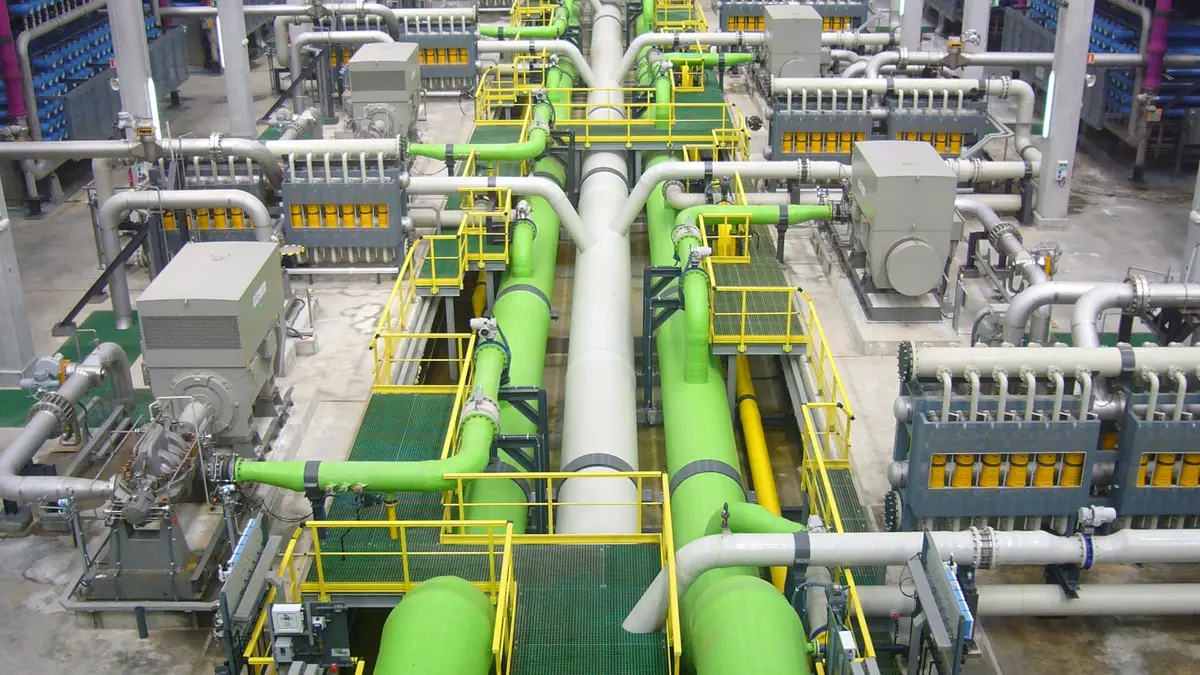
How much seawater mining uses
Copper mining is the main driver of seawater use in the north. According to the report Water consumption in Chile's copper industry to 2025, published by Cochilco in 2026, seawater withdrawal reached 8.11 m³/s, 4.6% more than in 2024 and more than triple the 2016 level. Of that total, 5.71 m³/s (70.4%) was desalinated and 2.40 m³/s was used untreated. Seawater already accounts for 36.8% of all the water the mines withdraw.
| Indicator (2025) | Value |
|---|---|
| Seawater withdrawal | 8.11 m³/s |
| Desalinated seawater | 5.71 m³/s (70.4%) |
| Untreated seawater | 2.40 m³/s (29.6%) |
| Share of total water withdrawal | 36.8% |
| Freshwater withdrawal | 13.94 m³/s (-7.0% vs. 2024) |
| Regions with 99.6% of seawater use | Antofagasta, Tarapacá, Atacama and Coquimbo |
| Operations using seawater | 15, of which 11 desalinate |
Source: Cochilco, water and energy reports on copper mining to 2025. No new mining desalination plant came on stream in 2025, but several are on the way: Collahuasi's C20+ plant (1,050 l/s), the Codelco Northern District plant (840 l/s, expandable to 1,956 l/s) and Aguas Pacífico's Aconcagua project, which would supply 500 l/s to Los Bronces. Cochilco projects seawater use to reach 13.9 m³/s in 2034, 67.6% of the sector's consumption. The breakdown by plant and site is in seawater in Chilean mining in figures.
The debate over desalination brine in Chile
The scientific debate is not settled. In April 2026, a report by El Desconcierto cited a 2024 study by Minera Escondida, Aguas Antofagasta and Minera Candelaria that estimated a salinity increase of less than 5% at 100 metres from the discharge point. Marine biologist Luisa Saavedra, of the University of Concepción, argued in the same report that the result depends on the volume discharged and said there are no studies in Chile proving that dilution. The report put the brine discharged in the country at about 16,000 litres per second and the number of plants in operation at close to forty; these are the article's figures, not an official inventory.
FIPA had already awarded an earlier project, FIPA 2025-09, on desalination systems and brine effects, to the Fisheries Development Institute (IFOP), according to minutes of the fund's council. The new study aims at a more practical result: a guide with technical criteria to assess each project.
What the Desalination Law says
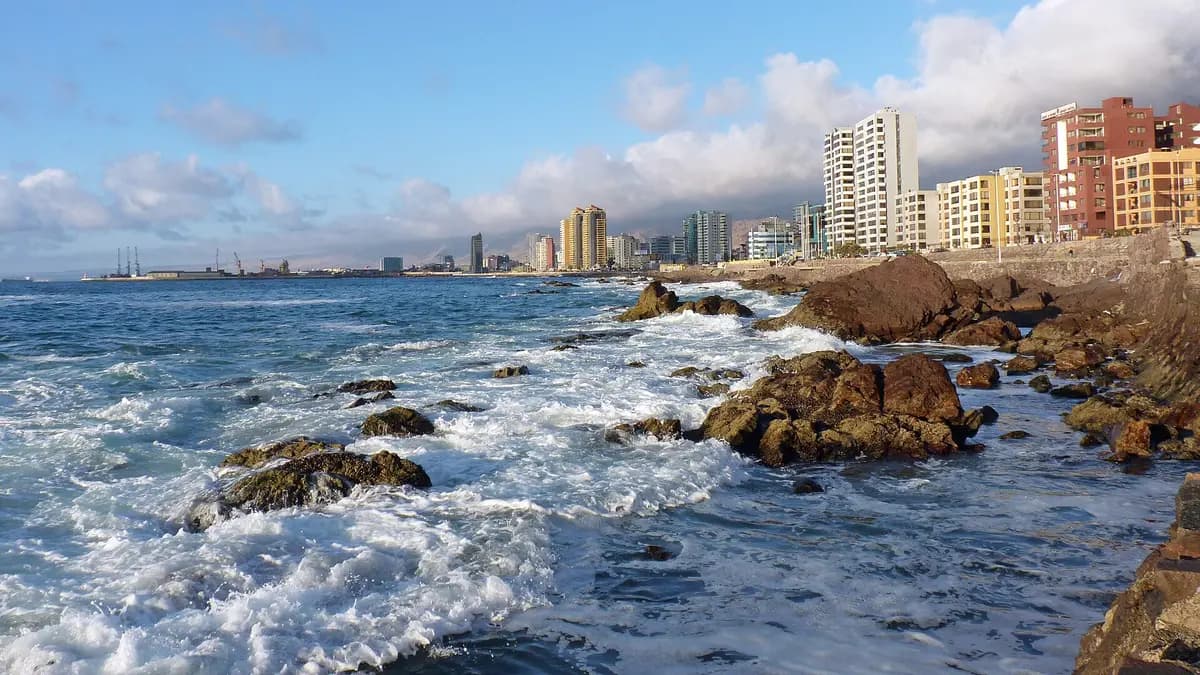
The study comes as the country introduces new rules. Law No. 21,813, on the use of seawater for desalination, was published on 12 May 2026, after eight years in Congress (Bill 11,608-09). According to an analysis by law firm Cuatrecasas, the law creates a National Desalination Strategy that must identify areas where brine discharges should be avoided, and empowers the Ministry of the Environment to issue a specific emission standard for these discharges.
| Law 21,813 | What it establishes |
|---|---|
| Desalination concessions | Up to 30 years, renewable once |
| National Strategy | Proposed by the DGA, approved by Public Works Ministry decree and reviewed every 6 years |
| Brine | The Strategy identifies areas where discharges should be avoided; the Ministry of the Environment may issue an emission standard |
| Human consumption | The DGA may require up to 5% of capacity for human consumption and sanitation |
| Environmental assessment | Industrial plants and intensive seawater extraction enter the SEIA |
| Entry into force | 18 months after publication |
Sources: Cuatrecasas and Reporte Minero (May 2026). With the law in force from late 2027 and the study due to end in January 2028, the results of FIPA 2026-01 could serve as the technical basis for the future brine standard.
What it means for sustainable mining
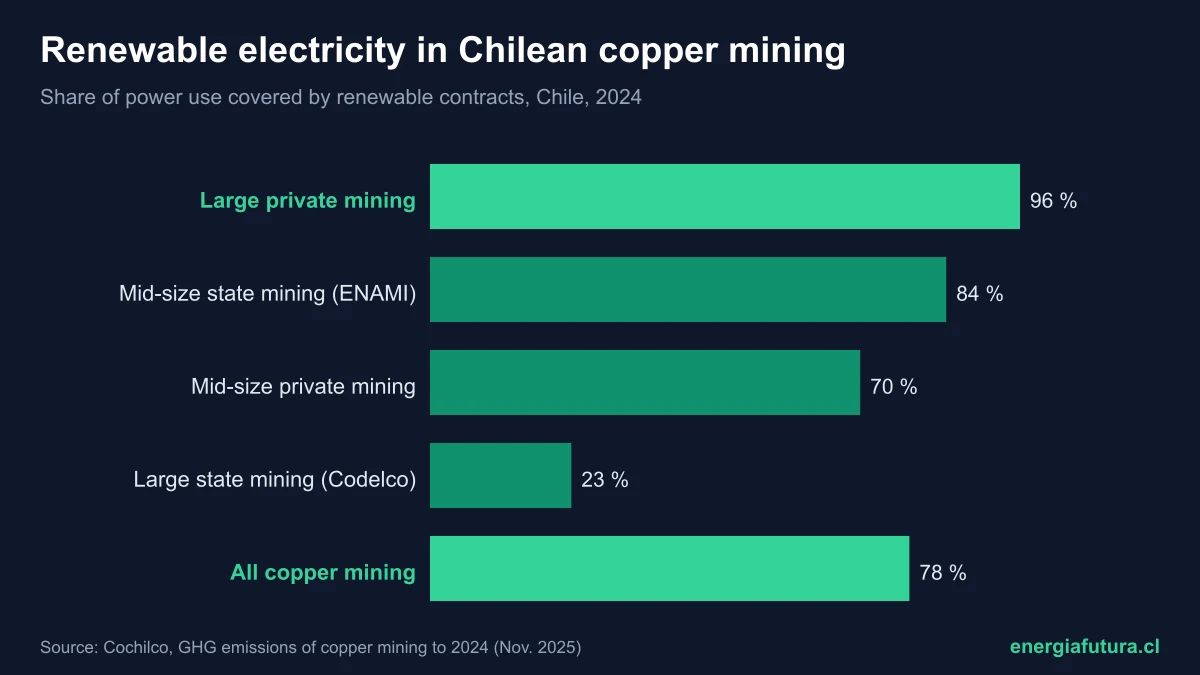
For miners, seawater solved one problem and created two others. The first is energy: pumping water from the coast to sites more than 3,000 or 4,000 metres above sea level is expensive, and the energy linked to seawater use rose 5.6-fold in a decade, according to Cochilco. That is why it matters that this electricity is renewable, a subject covered in the renewable energy certified by mining. The second is environmental, on the coast: brine, whose effect the new study will try to measure with Chilean data.
Projects such as Pucobre and Codelco's Tovaku, approved on 23 October, show a third way: using untreated seawater in leaching processes, which avoids producing brine, although it is only possible in some processes.
Does your company work in desalination, water treatment or mining? Reach Energía Futura's readers.
See advertising optionsFrequently asked questions
What is desalination brine?
It is the highly salty seawater left after fresh water is separated by reverse osmosis, which is returned to the ocean through an outfall.
Who is funding the study?
The state, through the Fisheries and Aquaculture Research Fund (FIPA), with a budget of CLP 190.5 million.
When will there be results?
The study is scheduled from July 2026 to January 2028; no date has been announced for publishing results.
How much seawater does copper mining use?
8.11 m³/s in 2025, of which 5.71 m³/s was desalinated, according to Cochilco.
Is there a standard for brine discharges?
Not yet. Law 21,813 of 2026 empowers the Ministry of the Environment to issue one; today each discharge is assessed case by case in the SEIA.