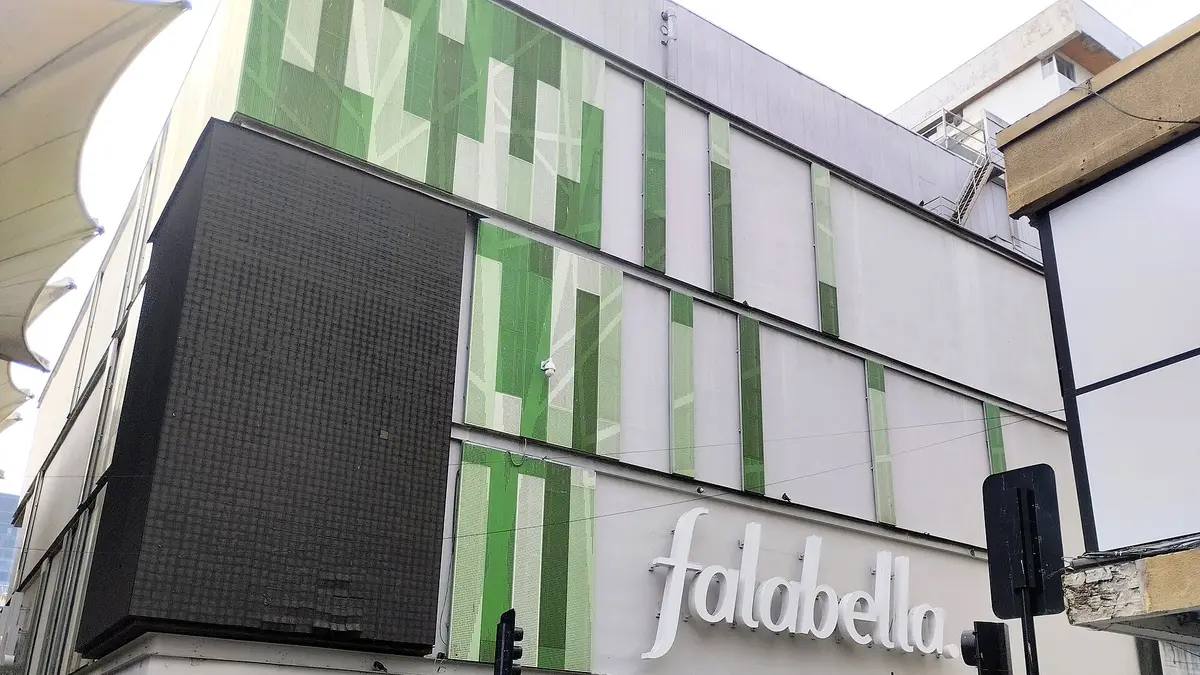
Colbún has signed contracts to supply certified renewable energy to retailer Grupo Falabella and mall operator Mallplaza for ten years, from 2027 to 2036. The two deals add up to 586 GWh a year for more than 200 sites across Chile, Revista Electricidad reported on 23 November. All the energy will carry I-REC certificates proving its renewable origin.
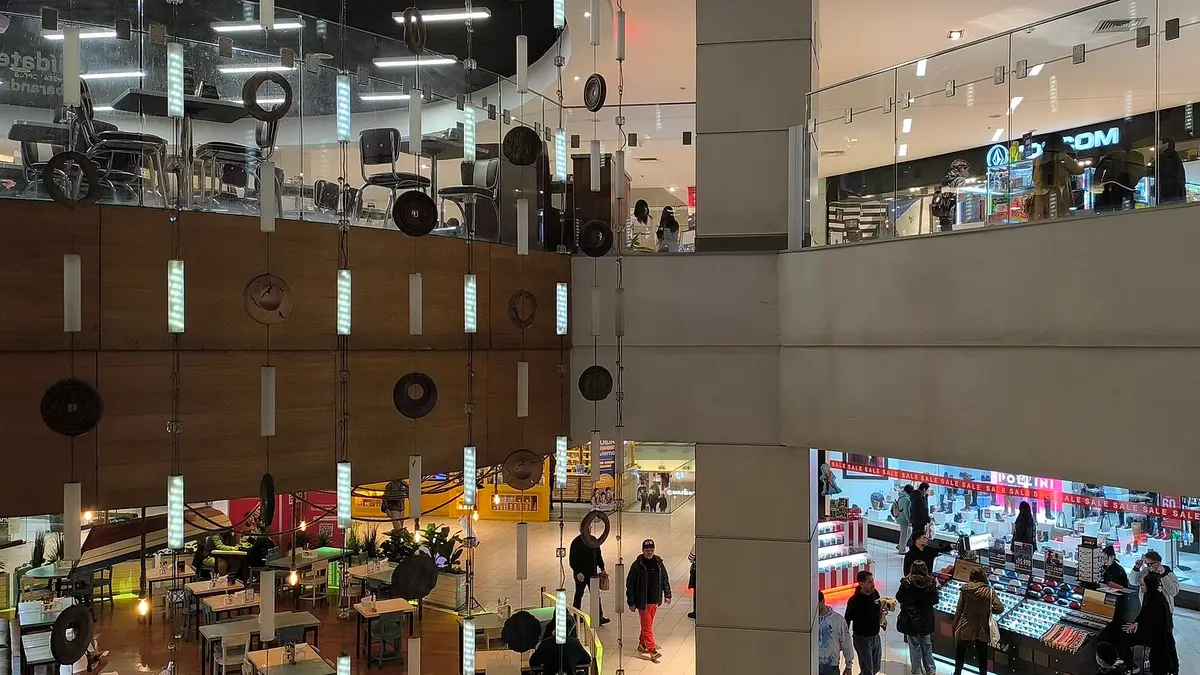
Grupo Falabella initially contracted 285 GWh a year for its Chilean businesses: Falabella Retail, Sodimac, Tottus, Imperial, IKEA and Falabella Inmobiliario. Mallplaza signed its own deal for more than 300 GWh a year for its shopping centres. The companies estimate the emissions associated with that consumption at about 146,000 tonnes of CO₂ equivalent a year.
View the data as a table
| Renewable energy per year | 586 GWh |
| Sites supplied | +200 |
| Years of supply | 10 |
| Associated emissions per year | 146,000 tCO₂e |
What the renewable energy contracts include
These are supply contracts with free customers: companies large enough to negotiate the price and terms of their electricity directly with a generator instead of paying the distributor's regulated tariff. It is the same model as corporate power purchase agreements, or PPAs, increasingly used by companies that want to lock in their power costs and certify their consumption. No prices or specific plants backing the supply were disclosed.
| Customer | Energy per year | Businesses included | Period |
|---|---|---|---|
| Grupo Falabella | 285 GWh (initial) | Falabella Retail, Sodimac, Tottus, Imperial, IKEA and Falabella Inmobiliario | 2027-2036 |
| Mallplaza | More than 300 GWh | Shopping centres in Chile | 2027-2036 |
| Total | 586 GWh | More than 200 sites | 10 years |
Source: Revista Electricidad, 23 November 2026. Certification will use I-REC, the international standard for renewable energy attributes.
“This agreement shows how renewable energy can become a concrete tool” for more competitive and resilient businesses, said Colbún's commercial manager, Heinz Müller. For Grupo Falabella, corporate affairs and sustainability manager Renato Fernández said the contract secures “supply for our entire operation in Chile with certifiable and traceable renewable energy”. And Patricia Provoste, Mallplaza's corporate affairs and sustainability manager, said it will guarantee a 100% renewable electricity supply for its operations in Chile.
How much renewable energy is 586 GWh
To put it in perspective: 586 GWh a year equals the consumption of about 250,000 homes using 195 kWh a month, an Energía Futura calculation based on the average residential consumption used in our guides.
The companies translated the 146,000 tonnes of CO₂e into equivalents: the annual emissions of 39,067 vehicles or the capture of 1,395,238 trees. Those figures were reported by Falabella, Mallplaza and Colbún, not measured independently. With I-REC certificates, the companies can report that consumption as renewable in their Scope 2 emissions disclosures.
Colbún's portfolio of free customers
With these contracts, Falabella and Mallplaza rank among Colbún's largest renewable energy customers outside mining. In recent years the generator has signed similar deals with Codelco (up to 1,100 GWh a year from 2026, for 15 years), water utility Aguas Andinas (311 GWh a year for 87 sites from 2026) and Parque Arauco (150 GWh a year for 21 shopping centres, for six years), all with renewable certification.
| Codelco | 1,100 | 2026 | Up to 1,100 GWh, 15 years |
| Aguas Andinas | 311 | 2026 | 87 sites, I-REC |
| Mallplaza | 301 | 2027 | Until 2036, I-REC |
| Falabella Group | 285 | 2027 | Falabella, Sodimac, Tottus, Imperial, IKEA and real estate; until 2036 |
| Parque Arauco | 150 | 2026 | 21 malls, 6 years, I-REC |
Sources: Revista Electricidad, Codelco, pv magazine and Diario Sustentable. Mallplaza's volume (301 GWh) is the difference between the reported total and Falabella's.

Colbún reaches these deals after a strong year: it nearly tripled its third-quarter profit on higher hydro output. The company is also looking to grow outside Chile, with acquisitions in Peru and interest in a third country.
How a free-customer contract works
Chilean law classifies customers by their connected capacity. Those above 5,000 kW must be free customers; those between 500 and 5,000 kW can choose between the regulated tariff and negotiating with a generator, but if they switch they must stay in that regime for at least four years. A mall or large distribution centre is often in that range, and a retail chain can bundle many sites in one contract with a single supplier.
| Customer type | Connected capacity | How the price is set |
|---|---|---|
| Regulated | Up to 500 kW | Tariff set by the authority through supply tenders |
| Can choose | 500 to 5,000 kW | Regulated or free; minimum stay of 4 years after switching |
| Free | Above 5,000 kW | Contract negotiated directly with a generator |
Source: Chile's General Electricity Services Law and its regulations, with the thresholds in force at the National Energy Commission. Under a free contract the generator takes on the risk of producing or buying energy on the wholesale market to deliver what was agreed, and the customer gets a stable price for several years. For the generator, decade-long deals with large customers bring predictable cash flows that help finance new solar, wind and battery plants. Free customers are also an active voice in regulatory debate: in the Ministry of Energy's generation agenda they asked that system costs be paid by whoever causes them.
Why retailers buy renewable energy
For chains with hundreds of outlets, electricity is one of the biggest operating costs and the main source of their indirect emissions. Contracting as a free customer lets them fix prices for a decade while meeting climate targets with verifiable backing. Renewable energy certificates have spread fast: in 2025 certified renewable energy in Chile reached 23,033 GWh, with mining accounting for 83%.
In Chile, 83.6% of generation in September 2026 was renewable, according to the grid operator, so the value of a contract like this lies not only in the origin of the energy but in traceability: every MWh consumed will have a certificate showing which plant produced it. That is what investors and customers increasingly ask for in sustainability reports.
Does your company sell renewable energy, I-REC certificates or efficiency solutions for retail? Reach Energía Futura's readers.
See advertising formatsFrequently asked questions
How much energy will Falabella and Mallplaza buy from Colbún?
586 GWh a year combined: 285 GWh for Grupo Falabella (initial volume) and more than 300 GWh for Mallplaza, from 2027 to 2036.
What is an I-REC certificate?
An international certificate proving that 1 MWh was generated from renewable sources. It lets a company report its consumption as renewable in a traceable way.
Which Falabella businesses are covered?
Falabella Retail, Sodimac, Tottus, Imperial, IKEA and Falabella Inmobiliario, in their Chilean operations.
Will prices fall for shoppers?
Neither the contract price nor any effect on retail prices was disclosed. It is a business-to-business power supply agreement.