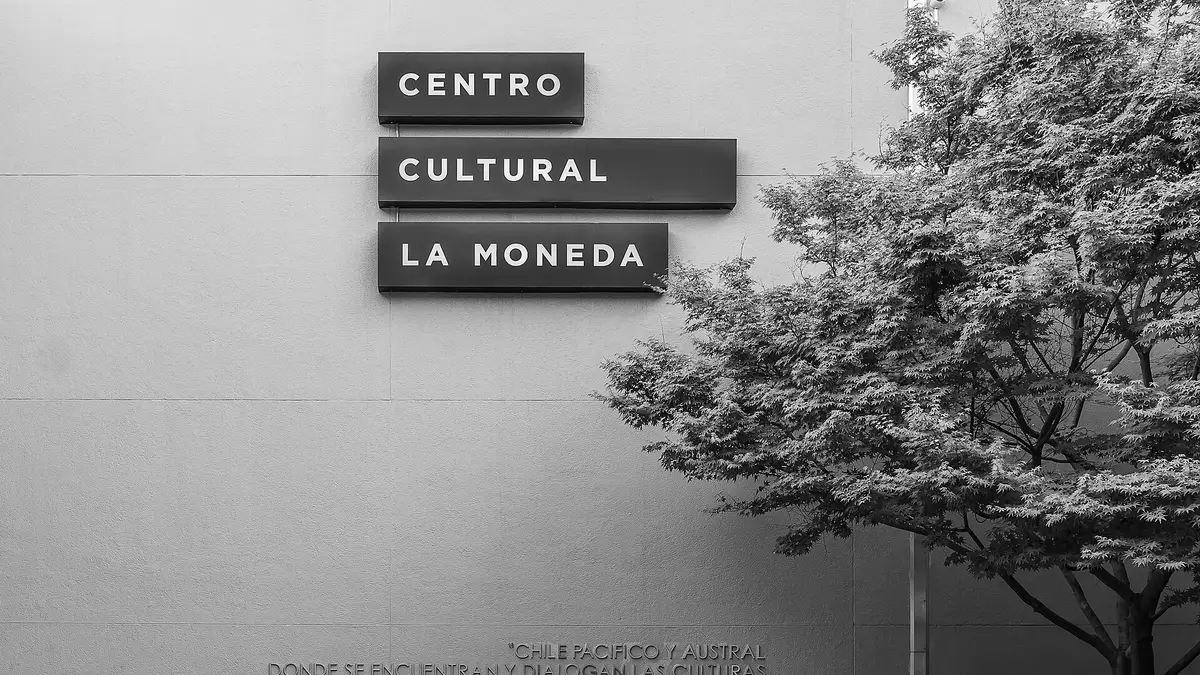
Chile's Ministry of Energy has begun work to change the rules of the power generation segment, the plants that produce electricity. Minister Ximena Rincón and Undersecretary Hugo Briones led the seminar "Generating a diagnosis: context and challenges" at the Centro Cultural La Moneda, which launched the so-called generation agenda, as reported by Revista Electricidad and Reporte Minero on 9 November.
"We clearly have to resolve a series of challenges," Rincón said, noting that energy is now produced differently and by different players. The work will be organized around six pillars, each with working groups, and runs in parallel with the grid reform bill, which focuses on transmission and distribution.
View the data as a table
| Installed capacity in operation | 39,217 MW |
| Renewable share | 70% |
| Batteries under construction | 3,702 MW |
| Plants in environmental review | 11,197 MW |
The six pillars of the generation agenda
According to the ministry, the agenda seeks to turn the initial diagnosis into shared priorities and a roadmap for decisions in the coming years. To do so, it will gather the studies, diagnoses and proposals that already exist in public institutions, technical bodies, companies, trade associations, consumers and academia, in order to identify consensus and the issues that need more discussion.
| Pillar | What it includes, according to the ministry |
|---|---|
| Energy transition | Integration of new technologies and plant retirements |
| Security of supply | System backup and grid stability |
| Demand and electrification | Growth in electricity consumption |
| Market design | Rules for prices, capacity and services |
| Project development | Conditions to build new plants |
| System operation | How the grid is dispatched and operated |
Source: Ministry of Energy, according to Revista Electricidad. The ministry did not report deadlines or the list of participants in each group.
Undersecretary Briones said the ministry will lead the process and systematize the results, and that the quality of the roadmap will depend on the participants' commitment. The agenda adds to the government's decision to select 20 strategic energy projects to shorten their permitting, announced in early November.
Acenor: whoever causes the costs should pay
At the same seminar, Juan Ignacio Gómez, executive director of the Association of Non-Regulated Electricity Customers (Acenor), which groups large industrial and mining consumers, proposed that each system cost be paid by whoever causes it, under a "causer pays" principle. According to Gómez, the price of energy in Chile, excluding transmission, is 49% higher than in Brazil and 52% higher than in Peru.
Gómez gave three examples. The system's security costs are currently split pro rata among customers according to their withdrawals and contracts, regardless of which generators cause the shortfall in the attributes the grid needs. Payment for security depends on the marginal cost at each moment, so sometimes the market bears it and sometimes consumers do: "They are real roulettes, and you need predictability to invest," he said. And in transmission, projects are built wherever suits each developer, but customers pay for the new lines.
| Acenor's request to the Ministry of Energy | Purpose |
|---|---|
| Review the signals of the capacity market | Pay for the capacity that truly provides security |
| Require economic assessments for regulatory decisions | Measure the cost of each rule before applying it |
| Protect stability when key plants retire | Avoid risks when closing thermal plants |
| More availability of natural gas generation, especially in winter | Backup in the months with less sun and water |
| Extend the shorter peak-hour control period to April and September 2027 | Let industries manage demand and add shifts |
Source: Acenor, according to Reporte Minero and Electrominería. According to Gómez, the shorter peak period applied in September allowed companies to add shifts and increase output.
The starting point of the generation agenda: 70% renewable capacity
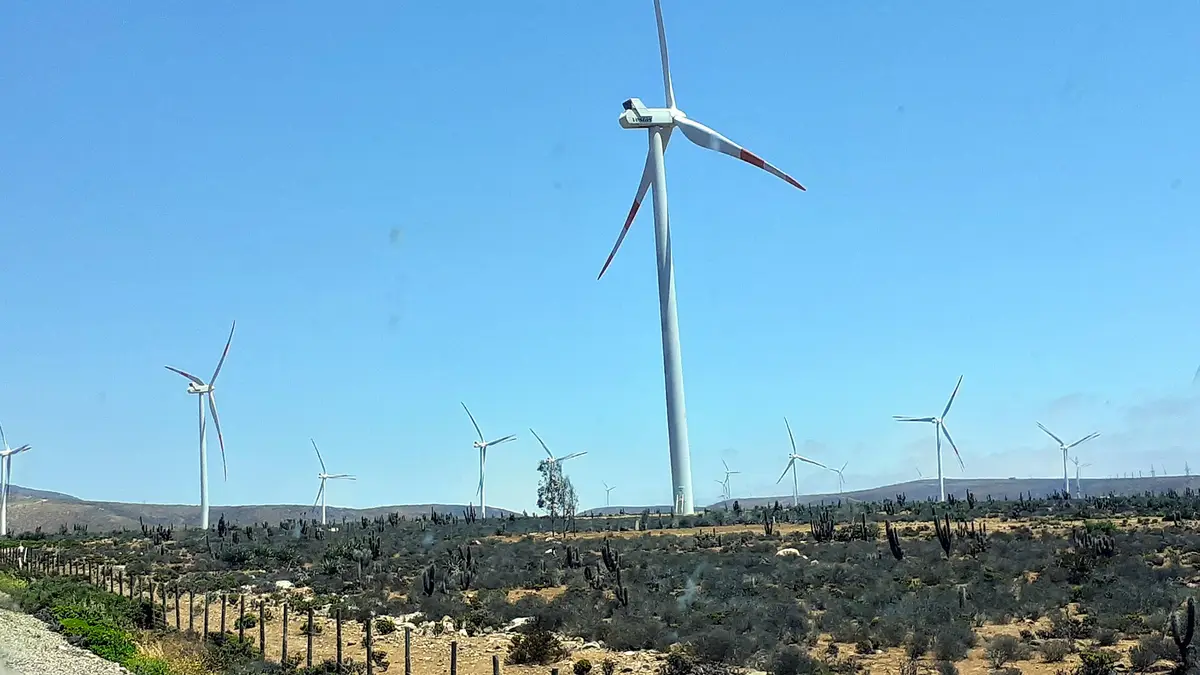
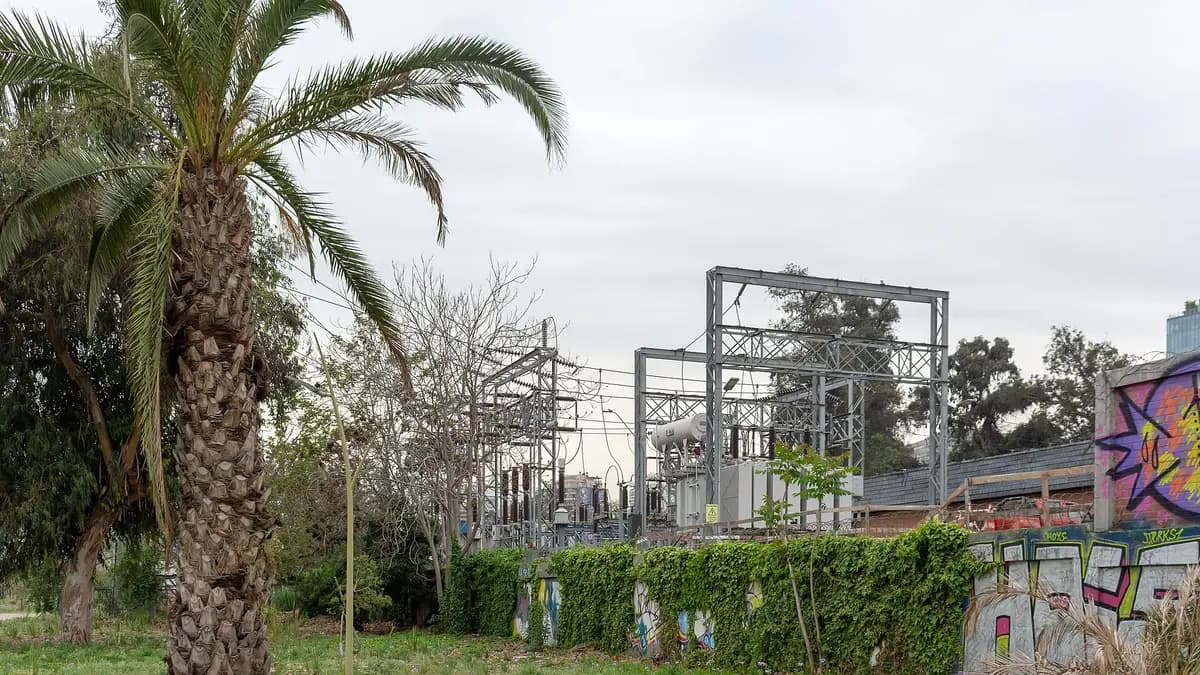
The agenda starts from a system very different from a decade ago. According to the Ministry of Energy's September 2026 project report, installed capacity in operation reached 39,217 MW, with 70% renewable and 53% from non-conventional renewables, and it is expected to rise to 40,392 MW by December, with 71% renewable.
| Indicator (September 2026) | Value |
|---|---|
| Installed capacity in operation | 39,217 MW |
| Renewable share | 70% (53% non-conventional renewables) |
| Projection for December 2026 | 40,392 MW (71% renewable) |
| Plants under construction | 40 plants, 1,892 MW, US$2,840 million |
| Batteries under construction | 32 systems, 3,702 MW and 15,398 MWh, US$3,172 million |
| Plants in testing | 34 plants, 2,195 MW |
| Batteries in testing | 26 systems, 3,459 MW and 15,500 MWh |
| Plants in environmental review | 11,197 MW |
Source: Ministry of Energy, September 2026 project report, with data from the National Electricity Coordinator and the CNE. Batteries already exceed all plants under construction combined in capacity; details are in our story on the 32 battery projects under construction.
That shift explains several of the agenda's issues. With so much solar power, the marginal cost falls to almost zero during sunny hours, and at night the grid relies on batteries, gas and stored water; we explained it in our story on marginal costs below US$5 and batteries' contribution to the evening peak. On the same day as the seminar, the Association of Independent Power Generators announced it was joining the Sofofa industry federation, according to Electrominería.
Does your company generate, store or consume a lot of energy? Reach Energía Futura's readers.
See advertising formatsFrequently asked questions
What is the Ministry of Energy's generation agenda?
A diagnosis process with working groups to propose changes to the rules of the power generation segment, on six pillars, running in parallel with the grid reform.
What are the six pillars?
Energy transition, security of supply, demand and electrification, market design, project development and system operation.
What does Acenor propose?
That each system cost be paid by whoever causes it, a review of the capacity market, more natural gas in winter and extending the shorter peak hours to April and September 2027.
How much more expensive is energy in Chile than in Brazil and Peru?
According to Acenor, excluding transmission it is 49% more expensive than in Brazil and 52% more than in Peru.
How much power capacity does Chile have?
39,217 MW in operation as of September 2026, 70% renewable, according to the Ministry of Energy.