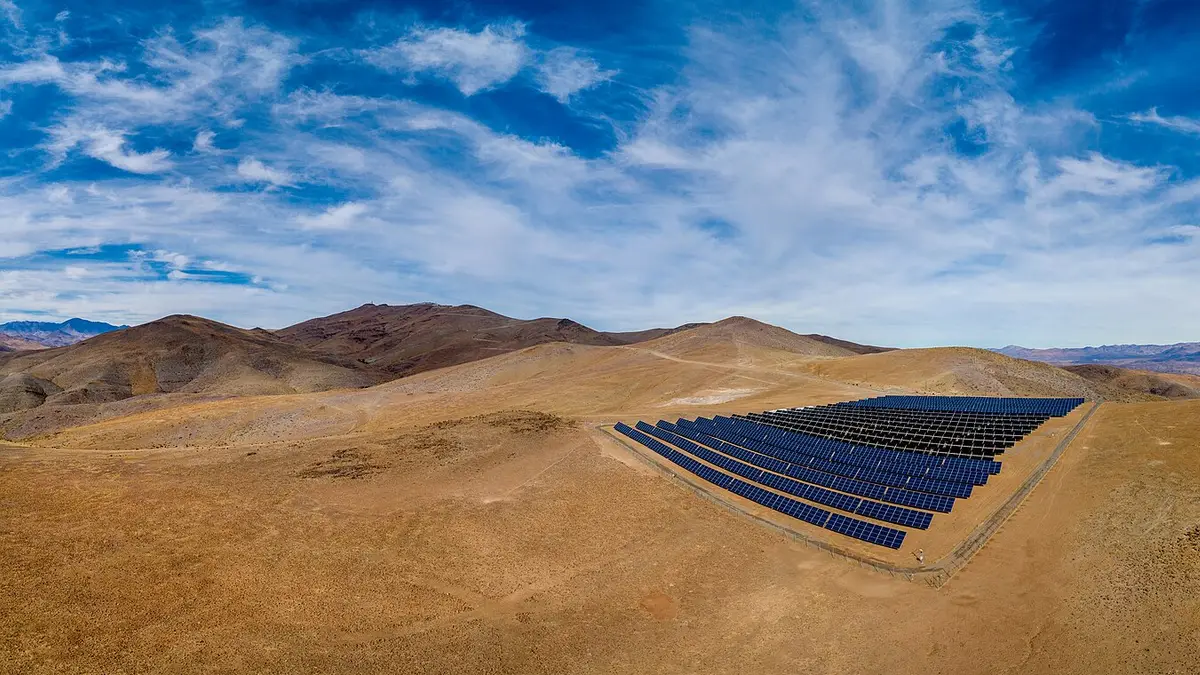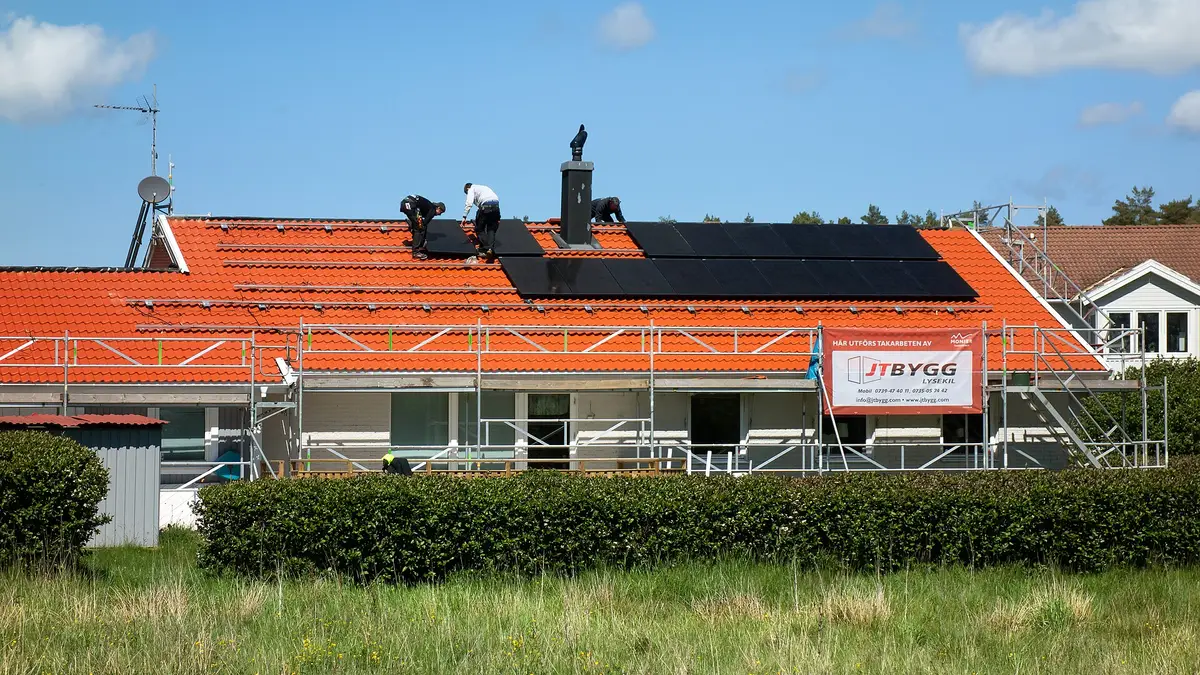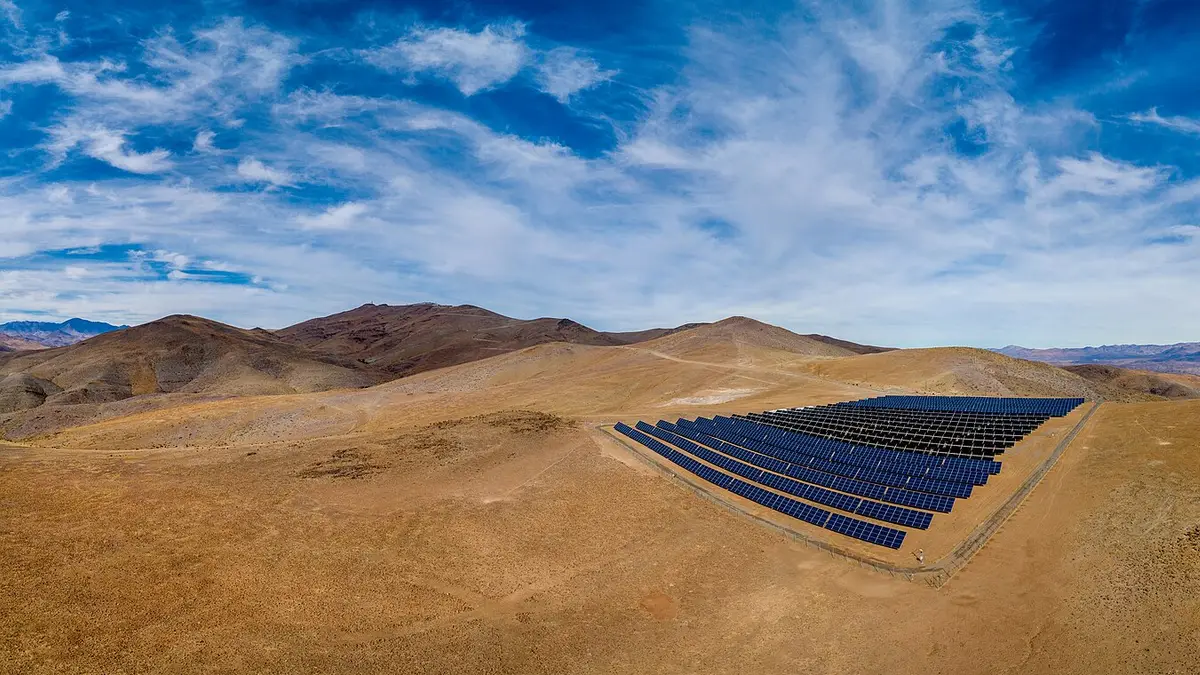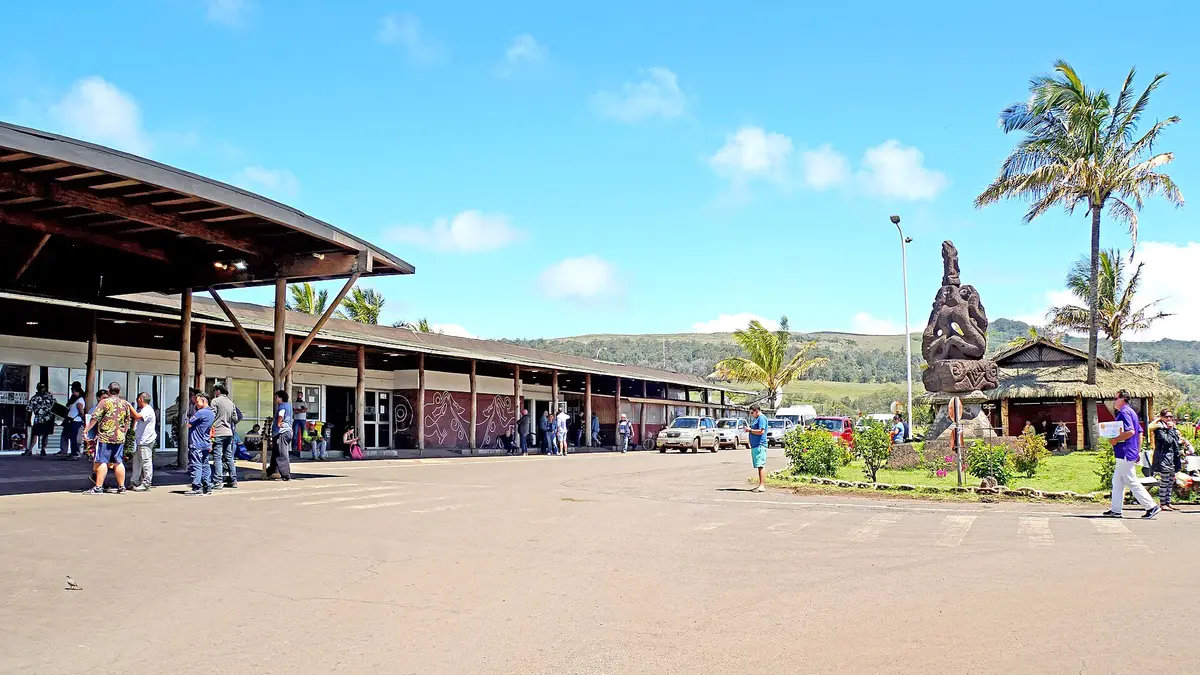
Sociedad Agrícola y Servicios Isla de Pascua (SASIPA), the Corfo subsidiary that generates and distributes electricity on Rapa Nui (Easter Island), has awarded Spain's Solartía the design, construction, monitoring and maintenance of the Mataveri photovoltaic plant with storage for US$9,594,656. The award notice sets a term of 1,030 days from payment of the advance.
The plant will have between 2.9 and 2.99 MWp of panels and a battery system of at least 2 MWh, according to the tender terms. Its goal is to reduce reliance on diesel, which until 2024 generated 99% of the island's electricity, according to pv magazine, which reported the award on 19 November 2026.
View the data as a table
| Contract awarded | US$9.59 million |
| Maximum solar capacity | 2.99 MWp |
| Execution period | 1,030 days |
| Island generation in 2024 | 16,768 MWh |
Who won the tender for Rapa Nui's solar plant
Three bidders took part in the process, which is funded by a loan from the Inter-American Development Bank (IDB). SASIPA used the most advantageous bid methodology, which combines price with other technical attributes. That is why Solartía won even though it did not submit the cheapest bid: that of China's Sino Soar Hybrid was about US$479,000 lower.
| Bidder | Bid (US$) | Result |
|---|---|---|
| Gestión de Recursos y Soluciones Empresariales SLU (Solartía) | 9,594,656 | Awarded |
| Sino Soar Hybrid (Beijing Technology Co.) | 9,115,409 | Not awarded |
| Distribuidora Cummins Chile S.A. | 9,973,223 | Not awarded |
| Reference budget | About 10.7 million | — |
Source: SASIPA, contract award notice (IDB process CH-L1182-P00001), and pv magazine for the reference budget. There were no rejected bids and no negotiation process.
What the Mataveri plant will be like
According to SASIPA's technical specifications, the plant will be built on about 6 hectares of land south of Mataveri International Airport, next to the thermal plant that currently supplies the whole island. Capacity cannot exceed 2.994 MWp because of the airport's protection zones and the ruling on its environmental review.
- Fixed-tilt panels, all of the same power rating, at least 60 cm above the ground.
- Inverters of at least 250 kW each, totalling no more than 2.994 MWac.
- A battery system of at least 2 MWh, with grid-forming inverters able to hold the grid's frequency and voltage.
- A hybrid solar-battery-diesel control system so the island can run some hours a day without thermal generation.
- Design for high salinity and humidity, plus 22 months of monitoring and maintenance after commissioning.
The island's grid is small and isolated: it has nowhere to draw power from if something fails. That is why the terms require the batteries to help keep frequency and voltage stable and to offset drops in output when clouds pass, which is frequent in the island's humid climate.
The grid-forming requirement is key. The current 100 kW solar plant operates as grid-following: it needs the diesel engines to set the frequency in order to run. A grid-forming inverter, by contrast, can form the grid by itself, which allows the generators to be switched off during sunny hours. It is the same technology Chile's National Electricity Coordinator wants to add to batteries on the mainland grid.
How much diesel Rapa Nui burns today
The Mataveri plant has 7,980 kW of installed diesel capacity, of which 6,160 kW were in service as of September 2024. The only renewable source is a 100 kW solar plant, Tama Te Ra'a, operating since 2018. According to SASIPA, the island generated 16,768 MWh in 2024.
On the mainland, diesel plants mainly work as backup during the tightest hours, as we explain in our guide to thermal power plants in Chile. On Rapa Nui, by contrast, they are the backbone of the system all year round, and the oldest units date from 2009.
| GED 1 | Diesel | 800 | 2009 |
| GED 2 | Diesel | 800 | 2025 |
| GED 3 | Diesel | 800 | 2025 |
| GED 4 | Diesel | 1,360 | 2016 |
| GED 6 | Diesel | 800 | 2015 |
| GED 7 | Diesel | 800 | 2017 |
| GED 8 | Diesel | 800 | 2017 |
| Tama Te Ra'a | Solar | 100 | 2018 |
Generating with diesel on an island 3,700 kilometres from the mainland is expensive: fuel has to be shipped in. How much diesel costs in Chile compared with the rest of the region is shown in our Latin American diesel price ranking. Every solar kilowatt-hour that replaces diesel cuts that cost and emissions.
Does your company sell solar solutions, batteries or microgrids for isolated areas? Reach Energía Futura's readers.
See advertising optionsHow much energy the solar plant could supply
SASIPA estimates the plant will cover about 20% of the island's demand. To put it in perspective, Energía Futura calculated the output of a 2.99 MWp plant at Mataveri with PVGIS, the European Commission's tool: the result is about 4,836 MWh a year, equivalent to about 29% of what the island generated in 2024.
The gap with the official figure has an explanation: the calculation is theoretical and does not include energy that would have to be curtailed when sunshine exceeds demand, nor the losses from charging and discharging the batteries. Output also varies a lot through the year: in January it would be around 480 MWh and in June around 285 MWh.
| Indicator | Value |
|---|---|
| Rapa Nui generation in 2024 | 16,768 MWh |
| Estimated solar output (PVGIS) | 4,836 MWh/year |
| Equivalent share of 2024 generation | 29% |
| Coverage estimated by SASIPA | About 20% |
| Month with highest estimated output | January, 480 MWh |
| Month with lowest estimated output | June, 285 MWh |
Sources: SASIPA via pv magazine (2024 generation and coverage) and Energía Futura calculation with PVGIS 5.3 (2,990 kWp, 25° tilt facing north, 14% losses). Home solar kits work on the same logic on a smaller scale, as we explain in our home solar kit guide.

A five-year wait for Rapa Nui's solar plant
SASIPA had already tendered a 2.9 to 2.999 MWp hybrid solar-diesel plant at Mataveri in 2021. In February 2025 the IDB approved a US$15 million loan for the Rapa Nui Water and Electricity Services Sustainability Programme, which funds this tender. The new tender document, now with batteries, was issued on 30 November 2025, and the award was notified on 30 October 2026.
- 2018100 kW solar plantTama Te Ra'a, the grid's only renewable source.
- 2021First hybrid tenderSASIPA calls for a 2.9-2,999 MWp solar-diesel plant.
- Feb 2025IDB loanUS$15 million for water and electricity on the island.
- Nov 2025New tender with batteries2.9-2.99 MWp plant and a BESS of at least 2 MWh.
- 30 Oct 2026Award to SolartíaUS$9.59 million and a 1,030-day term.
With a 1,030-day term from the advance, the plant would be ready towards the end of 2029 if the contract starts in the coming weeks. Neither SASIPA nor Solartía has announced a start date for construction.
Frequently asked questions
Who will build Rapa Nui's solar plant?
Spain's Solartía (Gestión de Recursos y Soluciones Empresariales SLU), which won the contract for US$9,594,656.
How big will the plant be?
Between 2.9 and 2.99 MWp of panels, with batteries of at least 2 MWh.
How is electricity generated on Rapa Nui today?
Almost all from diesel, at the Mataveri plant, which has 7,980 kW installed. There is only one 100 kW solar plant.
When will it be ready?
The contract allows 1,030 days from payment of the advance. There is no official commissioning date.