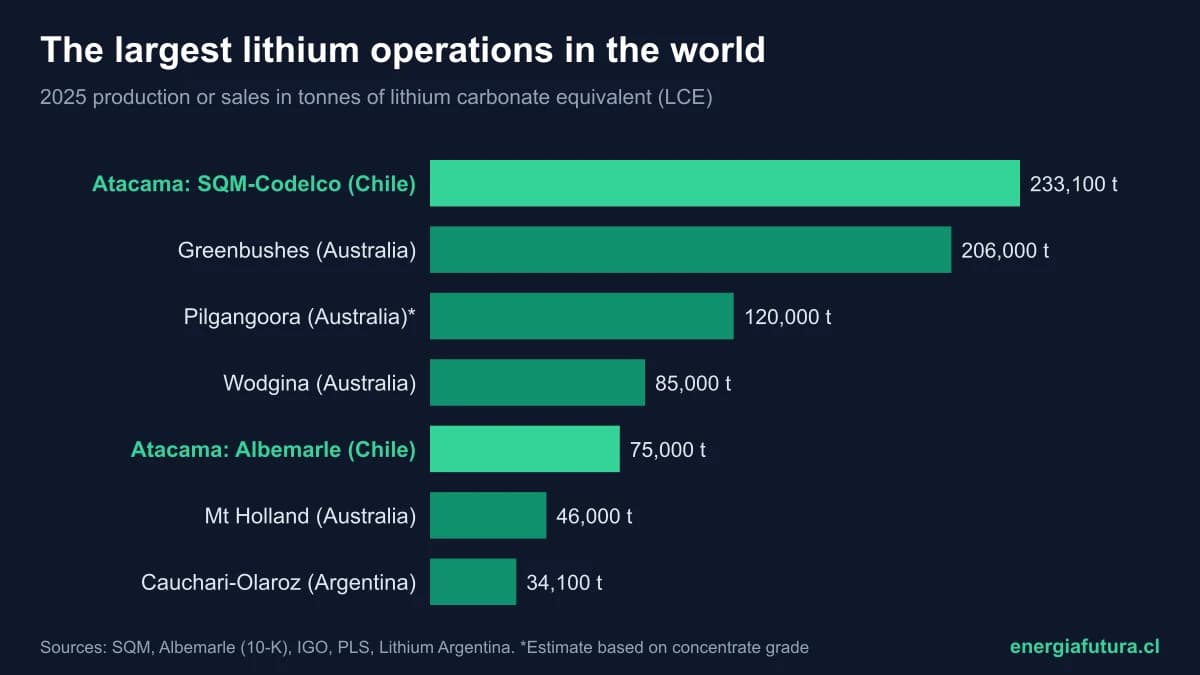
Updated on 28 October 2026. The world's largest lithium operation is in Chile: that of Nova Andino Litio, the Codelco-SQM venture in the Salar de Atacama, which sold 233,100 tonnes of lithium products in 2025, according to SQM's fourth-quarter 2025 earnings release. The largest hard-rock lithium mine in the world is Greenbushes, in Western Australia, with about 206,000 tonnes of lithium carbonate equivalent (LCE) in 2025, according to an Energía Futura calculation based on Albemarle's 10-K annual report.
The difference is one of method. Greenbushes is an open-pit mine that extracts rock (spodumene), while at the salt flat brine is pumped up and the lithium is concentrated by the sun in evaporation ponds. Adding SQM-Codelco and Albemarle, the Salar de Atacama produced about 308,000 tonnes of LCE in 2025, more than any other deposit on the planet.
Ranking of the largest lithium mines in the world in 2025
The table ranks operations by 2025 production or sales in tonnes of LCE, the unit that allows brines and hard-rock mines to be compared. Where a company reports in lithium metal or concentrate, the conversion is Energía Futura's and is explained at the end. Figures are for 100% of each operation, not each partner's share.
| Rank | Operation | Country | Type | 2025 (t LCE) | Owners |
|---|---|---|---|---|---|
| 1 | Salar de Atacama: Nova Andino Litio | Chile | Brine | 233,100 (sales) | Codelco and SQM |
| 2 | Greenbushes | Australia | Rock (spodumene) | ~206,000 | Tianqi/IGO (51%) and Albemarle (49%) |
| 3 | Pilgangoora | Australia | Rock | ~113,000 to 131,000 (fiscal year to June 2026) | PLS |
| 4 | Wodgina | Australia | Rock | ~85,000 | Mineral Resources and Albemarle |
| 5 | Salar de Atacama: Albemarle | Chile | Brine | ~74,500 | Albemarle |
| 6 | Mt Holland | Australia | Rock | ~46,000 | SQM and Wesfarmers |
| 7 | Cauchari-Olaroz | Argentina | Brine | 34,100 | Ganfeng, Lithium Argentina and JEMSE |
Table sources: SQM (Nova Andino and Mt Holland, report of 27 February 2026), Albemarle 2025 10-K (Greenbushes, Wodgina and Atacama), PLS 2026 annual report (Pilgangoora) and Lithium Argentina (Cauchari-Olaroz, 6 January 2026). China has large lepidolite and brine operations, but its companies do not publish output by mine in the same detail, so they are not included.
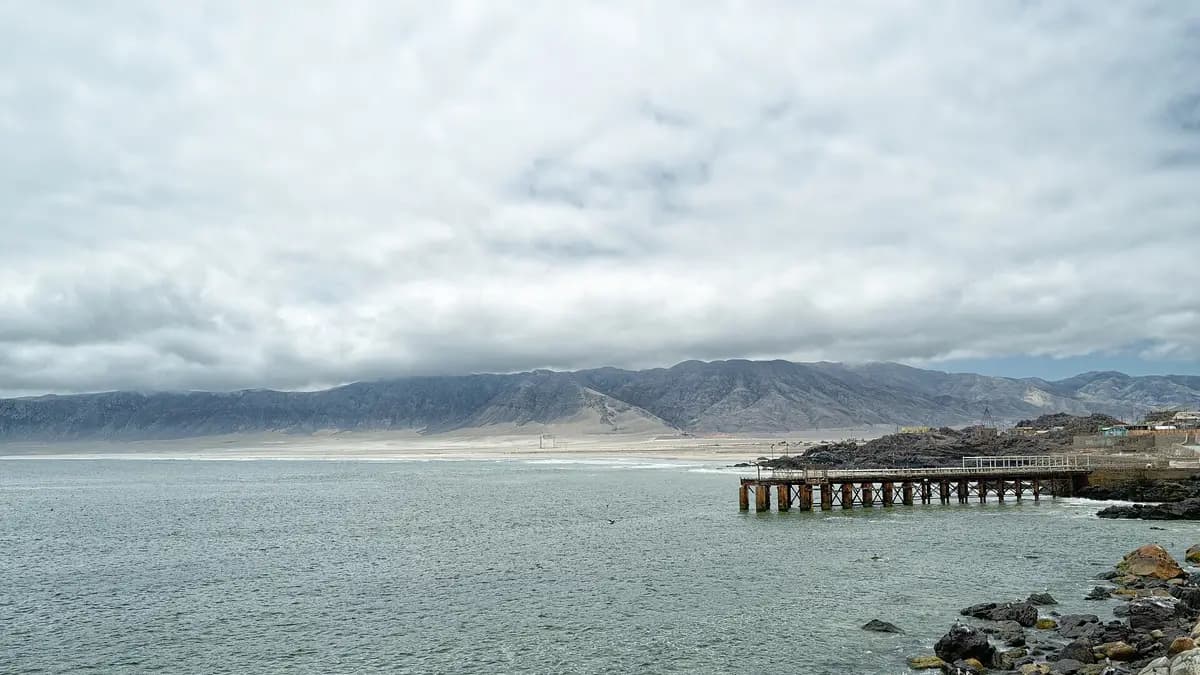
Salar de Atacama, the largest lithium operation in the world
Nova Andino Litio was born on 27 December 2025, when the partnership between Codelco and SQM signed in May 2024 was completed. Codelco controls 50% plus one share and the company will operate the salt flat until 2060, according to Ex-Ante. In 2025 it sold 233,100 tonnes, 14% more than the 204,900 of 2024, and hit a record 66,200 tonnes in the fourth quarter. For 2026, SQM projected sales growth of more than 10%.
Albemarle, which operates in the same salt flat with its carbonate plant in La Negra (Antofagasta), extracted 14,000 tonnes of lithium metal in 2025, up from 13,000 in 2024 and 10,000 in 2023, according to its 10-K. Using the company's own conversion (0.1878 tonnes of lithium per tonne of LCE), that equals about 74,500 tonnes of LCE.
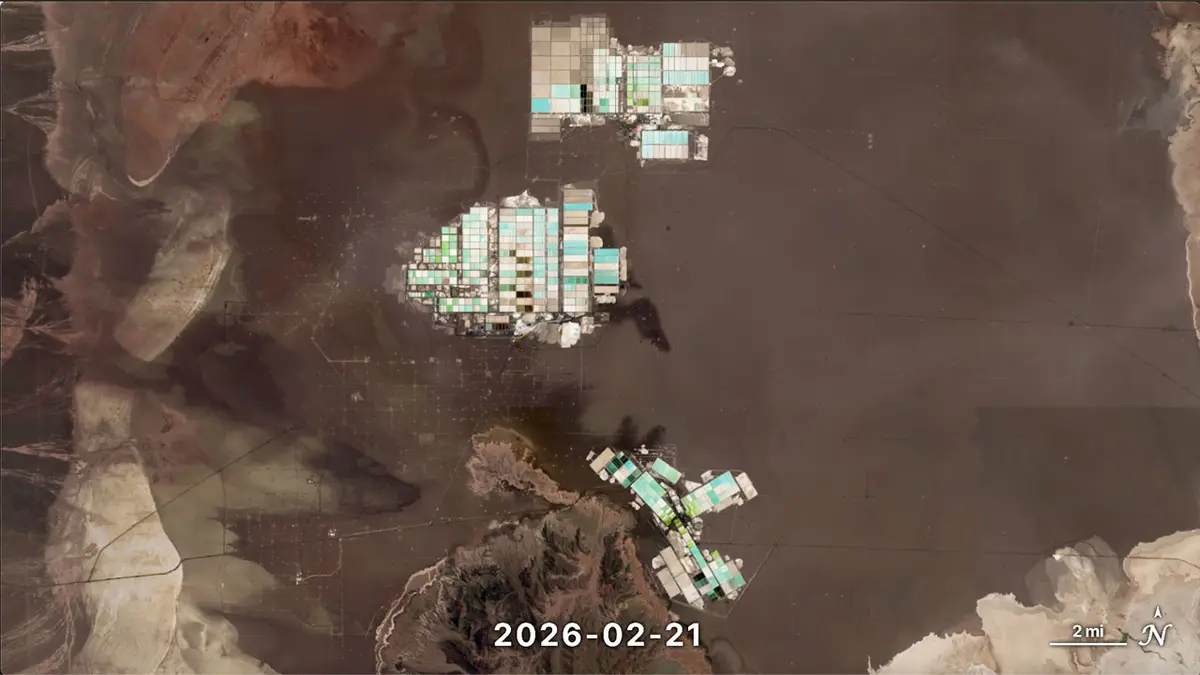
This ranking measures output per operation. By country, Chile is the third-largest producer behind Australia and China, as detailed in our ranking of the largest lithium producers in the world, based on USGS data.
Greenbushes, the largest hard-rock lithium mine in the world
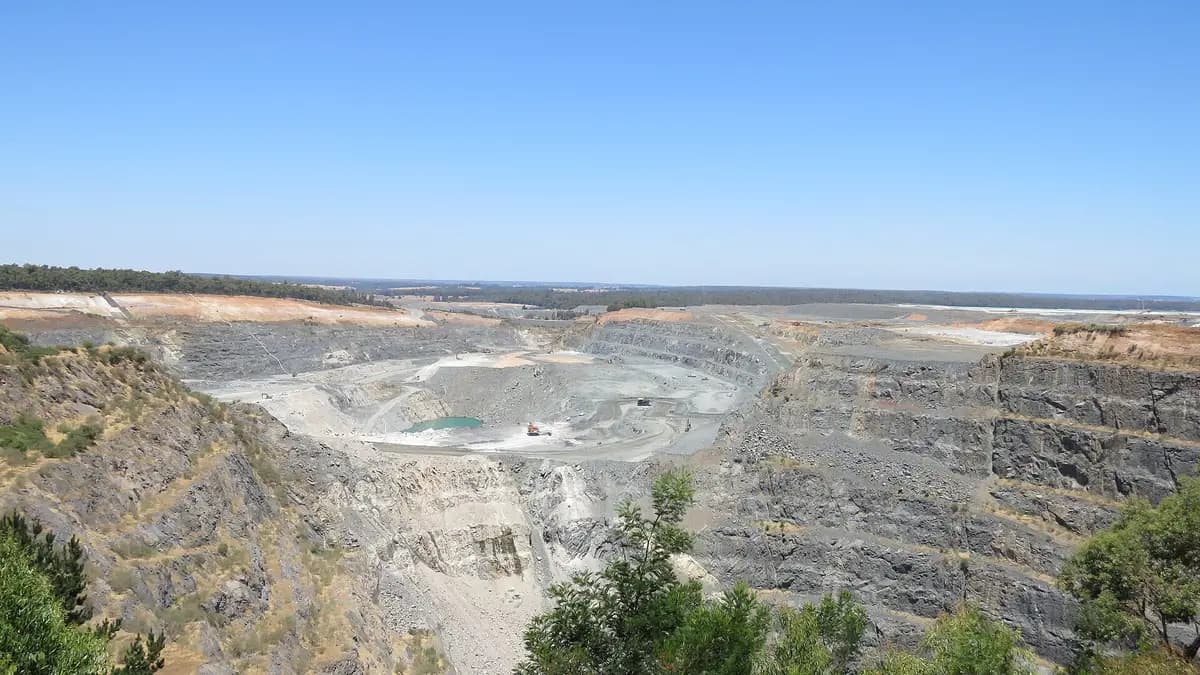
Greenbushes lies about 250 kilometers south of Perth and is the world's largest and highest-grade hard-rock lithium mine. It is operated by Talison Lithium, owned by Tianqi and IGO (51%) and Albemarle (49%). Albemarle reported 19,000 tonnes of lithium as its share in 2025, equivalent to about 38,800 tonnes of lithium for the whole mine, or 206,000 tonnes of LCE.
Measured in concentrate, Greenbushes produced 1.41 million tonnes of spodumene in the fiscal year ended June 2026, 5% less than the previous year, due to lower throughput and recovery, according to IGO's 2026 annual report. A fire at the CGP3 plant in June 2026 halted that line for about seven weeks.
Pilgangoora and Wodgina, in the Pilbara region
Pilgangoora, owned by PLS (formerly Pilbara Minerals), produced a record 879,543 tonnes of concentrate in the fiscal year to June 2026, up 17% on the previous year. The company approved the P2000 expansion, worth US$1.9 billion, which will lift capacity to about 2 million tonnes of concentrate a year, with first production in 2029, according to PLS. Wodgina, operated by Mineral Resources, produced about 16,000 tonnes of lithium in 2025 (85,000 of LCE), according to Albemarle's 10-K.
| Hard-rock mine | Spodumene concentrate | Period | Source |
|---|---|---|---|
| Greenbushes | 1,410,000 t | Fiscal year to June 2026 | IGO |
| Pilgangoora | 879,543 t | Fiscal year to June 2026 | PLS |
| Wodgina | ~634,000 t (SC6) | Fiscal year to June 2026 | Mineral Resources (317,000 t attributable at 50%) |
| Mt Holland | ~312,800 t (SC6) | Year 2025 | SQM (156,400 t attributable at 50%) |
Brine or rock: the environmental cost of each lithium mine
The two routes have different impacts. At the salt flat, the main one is water: brine is pumped from underground and evaporated in ponds, which worries Atacameño communities because of the water balance of lagoons and wetlands. In hard rock, the impact resembles that of a copper mine: open pit, tailings and much higher energy use, because the concentrate travels to China to be refined with heat.
In 2020, SQM committed to halving brine extraction from the Salar de Atacama, from about 1,600 to 822 liters per second, and to cutting its continental water use by 40% by 2030, according to Reporte Minero. In 2022 the company submitted a plan for environmental review to reach those 822 liters per second in 2028, with an investment of about US$1.5 billion, according to Forbes Chile. The industry is also studying direct lithium extraction (DLE), which separates lithium without evaporating the brine and allows it to be reinjected into the salt flat.
| Aspect | Brine (Atacama, Cauchari-Olaroz) | Rock (Greenbushes, Pilgangoora) |
|---|---|---|
| How it is extracted | Pumping and solar evaporation | Open pit and concentration |
| Main impact | Water and salt-flat balance | Tailings, dust and energy |
| Processing time | Months of solar evaporation | Days or weeks at the plant |
| Where it is refined | Chile and Argentina (carbonate) | Mostly in China |
| Improvement under way | Direct extraction (DLE) and reinjection | Local refining (Kwinana, Kemerton) |
How much lithium remains under the salt flat can be seen in our ranking of lithium reserves in the world, where Chile ranks first.
Water is also the big issue in copper mining, which increasingly relies on desalination, as we showed in seawater in Chilean mining.
Does your company work in mining, lithium or sustainable technologies? Reach Energía Futura's readers.
See advertising optionsHow this ranking was built
For Greenbushes and Wodgina, the attributable output that Albemarle reports in lithium metal was scaled up to 100% according to its stake (49% and 50%), using the 10-K's own conversion: 0.1878 tonnes of lithium per tonne of LCE. For Pilgangoora and Mt Holland, which report in concentrate, a grade of 5.2% to 6% lithium oxide was assumed: each tonne of 6% concentrate contains about 27.9 kilos of lithium. The Nova Andino figure corresponds to sales of lithium products, including carbonate refined under contract in China from the salt flat's lithium sulfate. Australian fiscal years end in June.
Frequently asked questions
What is the largest lithium mine in the world?
In hard rock, Greenbushes (Australia), with about 206,000 tonnes of LCE in 2025. If salt flats are counted, the largest operation is Nova Andino Litio (Codelco-SQM) in the Salar de Atacama, with 233,100 tonnes sold.
Where is the largest lithium mine in Chile?
In the Salar de Atacama, Antofagasta Region. Nova Andino Litio and Albemarle, the country's only two lithium producers, operate there.
What is the largest lithium mine in Latin America?
Nova Andino Litio's operation in the Salar de Atacama. In Argentina, the largest is Cauchari-Olaroz, in Jujuy, with 34,100 tonnes of carbonate in 2025.
What is lithium carbonate equivalent (LCE)?
It is a unit for comparing different lithium products. One tonne of LCE contains about 188 kilos of lithium metal.
How to cite this data
Energía Futura (2026). The largest lithium mine in the world 2026: ranking of the biggest mines and salt flats. With data from SQM, Albemarle (2025 10-K), IGO, PLS, Mineral Resources and Lithium Argentina, accessed on 28 October 2026. Available at https://energiafutura.cl/en/news/the-largest-lithium-mine-in-the-world-2026-ranking-of-the-biggest-mines-and-salt-flats. The cover chart may be reproduced with credit to Energía Futura and a link to this page.