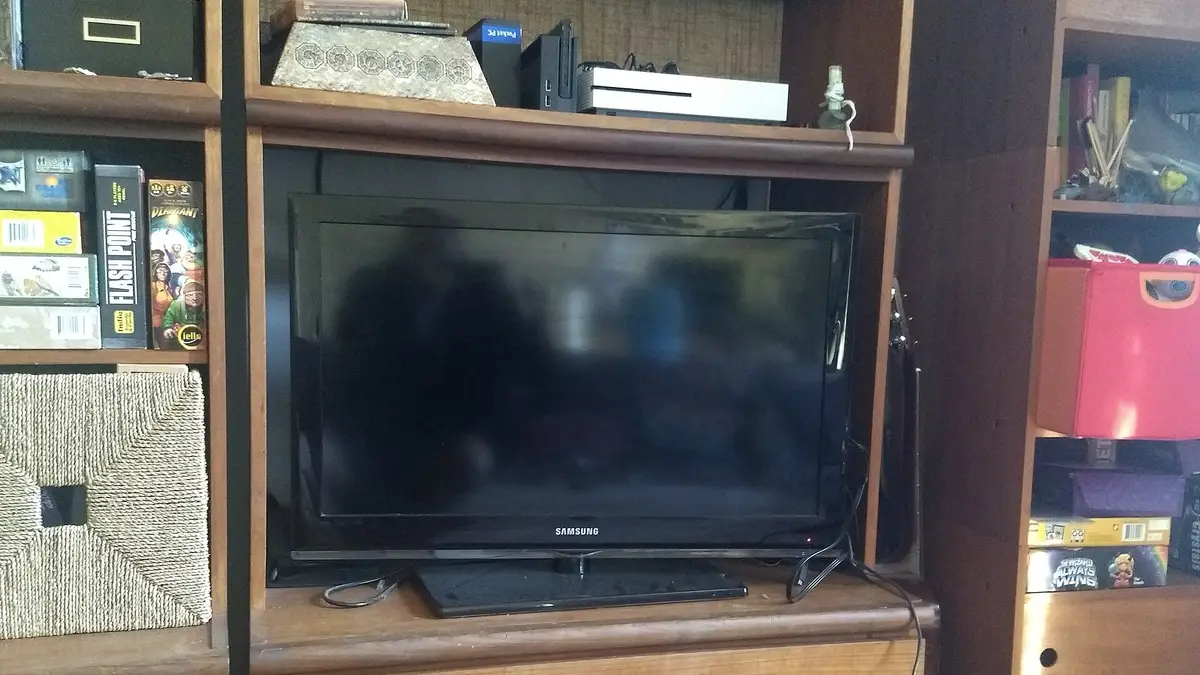
A modern TV uses much less electricity than people think. A 55-inch LED draws between 63 and 84 W with a normal picture and costs between CLP 1,930 and 2,570 a month if watched 4 hours a day, with electricity at CLP 255.27 per kWh (CGE's BT1 residential rate in Chile since October 2026). What can double that cost is HDR: a 55-inch OLED goes from 77 W to 191 W with high dynamic range content, according to the official product sheets compiled by the Spanish consultancy Selectra on 20 October 2026.
In this guide we calculate how much a TV uses by size and technology, how much it costs per month in Chilean pesos and how much standby adds, with data from the product sheets in the European energy labelling database (EPREL).
How much electricity a TV uses by screen size
A TV's power depends mainly on screen size, technology (LED or OLED) and brightness. The table shows 2025 and 2026 models with their power in normal mode (SDR) and in HDR, according to their EPREL sheets:
| Model | Size and technology | SDR power | HDR power |
|---|---|---|---|
| Finlux 32FHA500 | 32 inches, LED | 26 W | — |
| Hisense 55E7S | 55 inches, LED | 63 W | 100 W |
| TCL 55P8KX2 | 55 inches, LED | 70 W | 125 W |
| LG OLED55C52LA | 55 inches, OLED | 77.4 W | 191 W |
| Philips 55PUS8359/12 | 55 inches, LED | 84 W | 138 W |
| EKLYPS EK65UX200W | 65 inches, LED | 100 W | 100 W |
| Hisense 75UR9S | 75 inches, LED | 71 W | — |
Source: EPREL sheets for each model, compiled by Selectra (20 October 2026). On the European label, consumption is expressed in kWh per 1,000 hours: a 63 on the label equals 63 W when on.
Size is not everything: the 75-inch Hisense uses less than several 55-inch sets, because its panel is more efficient. That is why it pays to look at the model's power rating rather than assume that a bigger TV always uses more.
How much a TV costs per month in Chilean pesos
With those power ratings and electricity at CLP 255.27 per kWh, this is the monthly cost of each TV depending on the hours watched per day:
| TV | Power | 4 hours a day | 8 hours a day |
|---|---|---|---|
| 32-inch LED | 26 W | CLP 796 a month (3.1 kWh) | CLP 1,592 a month |
| Efficient 55-inch LED | 63 W | CLP 1,930 a month (7.6 kWh) | CLP 3,860 a month |
| 55-inch LED | 84 W | CLP 2,573 a month (10.1 kWh) | CLP 5,146 a month |
| 55-inch OLED, normal picture | 77.4 W | CLP 2,371 a month (9.3 kWh) | CLP 4,742 a month |
| 55-inch OLED, everything in HDR | 191 W | CLP 5,851 a month (22.9 kWh) | CLP 11,702 a month |
| 65-inch LED | 100 W | CLP 3,063 a month (12 kWh) | CLP 6,126 a month |
| 75-inch LED | 71 W | CLP 2,175 a month (8.5 kWh) | CLP 4,350 a month |
Energía Futura calculations with 30-day months and electricity at CLP 255.27 per kWh. The all-HDR case is a ceiling: in practice, only part of the content is HDR.
For a household that watches 4 hours a day, the TV accounts for between CLP 800 and 3,000 a month, less than a refrigerator. The consumption of the refrigerator, which runs 24 hours a day, is in the guide to how much electricity a refrigerator uses. Over a year, a 55-inch LED watched 4 hours a day adds up to about 92 kWh, about CLP 23,500.
HDR and brightness: what raises consumption most
HDR (high dynamic range) shows more brightness and contrast, and the TV turns it on only when the content comes in that format, such as many series and films on streaming platforms and some video games. To reach those brightness peaks, the screen uses more power: in the LG OLED in the example, almost 2.5 times more.
Overall brightness also matters. The “vivid” or “dynamic” picture modes, which usually come switched on in shops so the screen stands out, use considerably more than the “standard”, “cinema” or “eco” modes. Turning on automatic brightness, which adjusts the screen to the light in the room, cuts consumption without a noticeable effect on the picture.
- Eco or energy-saving mode: lowers the maximum brightness and turns the screen off if no signal is detected.
- Automatic brightness: uses an ambient light sensor; in a dark room, the TV lowers its brightness.
- HDR only when it is worth it: some TVs let you cap HDR peak brightness.
- Turn off the screen for music or radio: many models can switch off just the picture when playing audio.

How much a TV uses when switched off: standby
A TV “switched off” with the remote keeps drawing power, in standby, so it can be turned on with the remote. The European rule limits that consumption to 0.5 W in normal standby, 2 W in networked standby (to be turned on from a phone or a voice assistant) and 0.3 W when off, according to Selectra. TVs must also switch themselves off after 4 hours without use of the remote, after a warning.
| Mode | Maximum power | Consumption per month (20 hours a day) | Cost per month |
|---|---|---|---|
| Normal standby | 0.5 W | 0.3 kWh | about CLP 77 |
| Networked standby | 2 W | 1.2 kWh | about CLP 306 |
| Old TV not covered by the rule | Several watts | Variable | Can exceed CLP 500 |
Energía Futura calculations with electricity at CLP 255.27 per kWh. The limits are those of the European Union's ecodesign rule for displays.
A TV's standby is small, but it usually comes with company: the cable decoder, the console, the soundbar and the router also stay on. A power strip with a switch lets you cut everything at once at night. Note that some decoders need to stay connected to update or record programmes.
Which model to buy to spend less
When choosing a TV, consumption is one more criterion alongside price, size and picture quality. Some recommendations:
- Check the power on the spec sheet or label: the figure in W or in kWh per 1,000 hours lets you compare models of the same size.
- Also look at HDR power, if you watch a lot of films and series in that format.
- Choose the size according to the distance from the sofa and no bigger than needed: more inches usually means more consumption.
- Between LED and OLED, OLEDs offer deeper blacks, but some use more power with very bright content.
- A new TV versus an old one: replacing a 15-year-old plasma or LCD with a current LED can cut consumption by half or more.
In Chile, most TVs on sale are the same models sold in Europe or very similar versions. If the shop does not state the consumption, you can look up the model code in the European EPREL database, which publishes the sheet with power in SDR, in HDR and on standby. To see how much the TV weighs compared with the rest of the appliances, typical household consumption figures are in the guide to how much electricity a home in Chile uses.
The TV during a power cut
Because of its low consumption, the TV is one of the easiest appliances to keep running during a power cut. A 500 Wh portable power station can run a 63 W 55-inch LED for about 6 to 7 hours, allowing for inverter losses. A 32-inch TV lasts much longer. Backup options are in the emergency solar kit guide.
In short: the TV is not among the appliances that weigh most on the bill. What changes its cost most are HDR, brightness and hours of use. With an efficient LED, eco mode and the power strip switched off at night, the household TV can cost less than CLP 2,000 a month.
Do you sell TVs or energy-efficient appliances? Reach Energía Futura's readers.
See advertising optionsFrequently asked questions
How many watts does a TV use?
A 32-inch LED, about 26 W; a 55-inch, between 63 and 84 W; a 65-inch, about 100 W. In HDR it can use double or more.
How much does a TV cost per month?
Watching 4 hours a day, between CLP 800 and 3,000 a month depending on size, with electricity at CLP 255.27 per kWh.
Does a TV use electricity when switched off?
Yes, on standby: up to 0.5 W, or 2 W if it stays connected to the network. That is about CLP 77 to 306 a month.
Does an OLED use more than an LED?
It depends on the model and the content. With a normal picture they are similar, but some OLEDs use much more with very bright HDR.