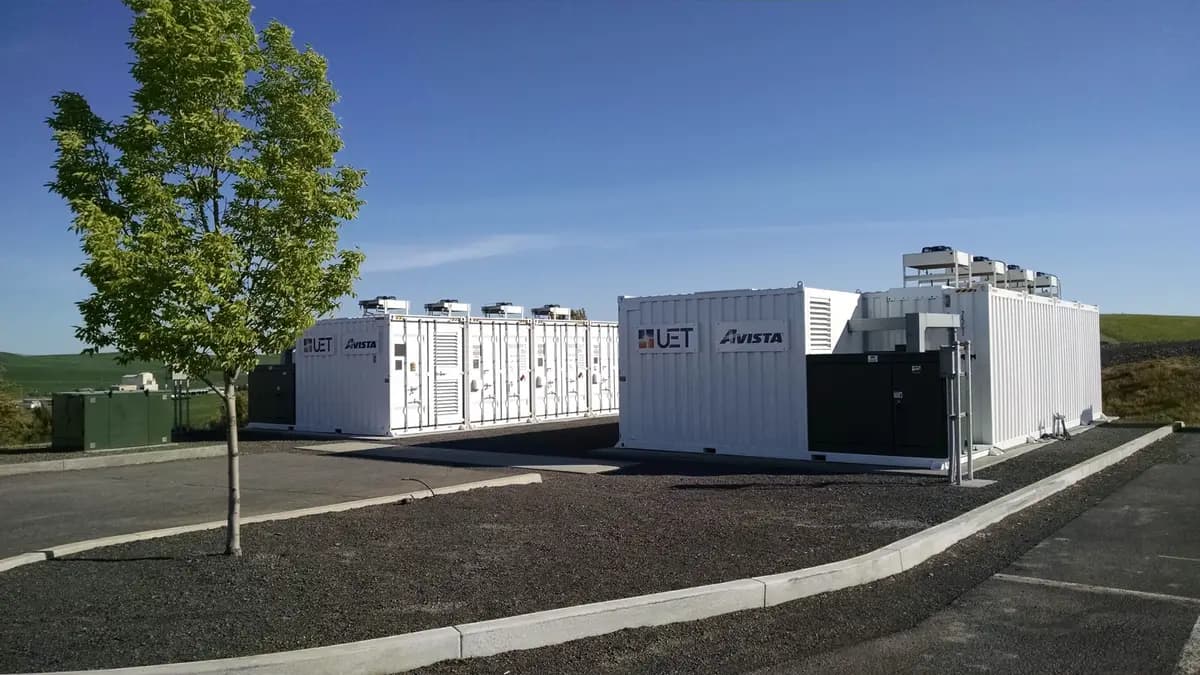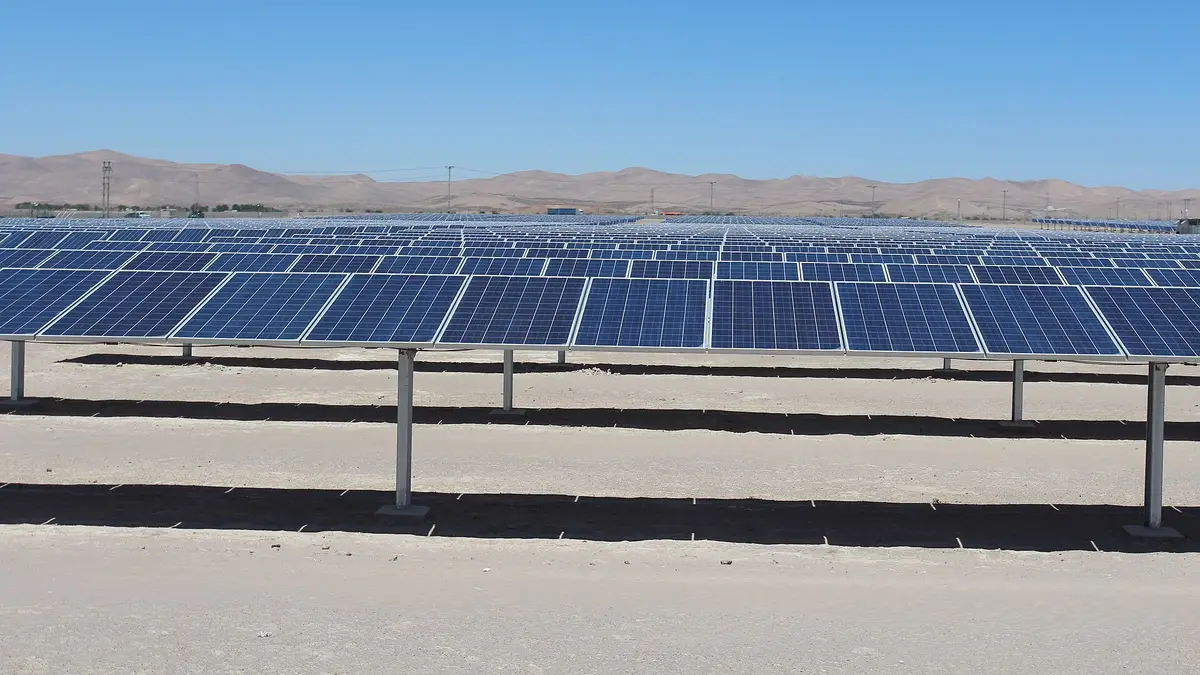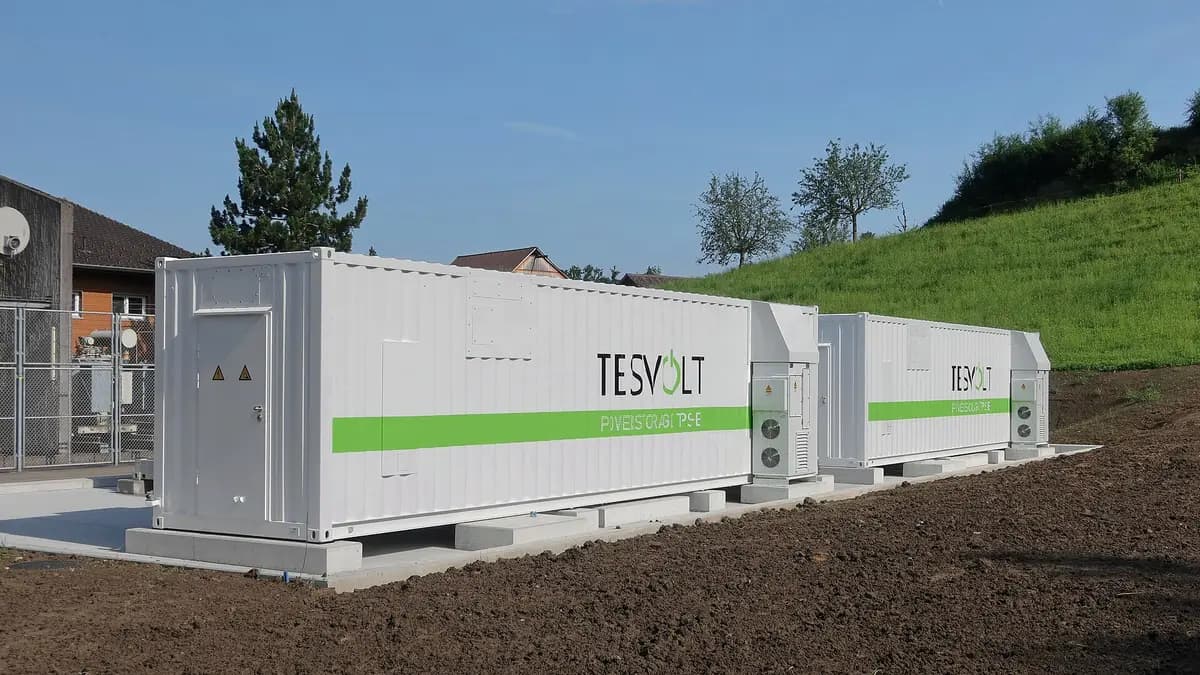
Chilean developer Verano Energy secured US$187 million in senior secured loans to build Observatorio, a solar plant with battery storage in the municipality of Marchigüe, in Chile's O'Higgins Region. All of the financing was classified as a green loan. Japanese bank MUFG acted as lead coordinator and Scotiabank provided support as local bank, according to REDIMIN on October 22 and SMM on October 26.
Observatorio will combine 123 MWp of photovoltaic panels with a battery system of about 600 MWh, able to deliver its maximum output for five hours. It is Verano Energy's second large-scale project in Chile pairing solar power and storage, after Domeyko, in Atacama.
Inside Observatorio, Verano Energy's solar-plus-storage plant
The project's technical figures have varied between announcements, which is common for plants that adjust their design before construction. This is the latest configuration, with the source of each figure:
| Item | Figure | Source |
|---|---|---|
| Financing | US$187 million in green loans | Verano Energy, via REDIMIN and SMM (Oct-2026) |
| Solar capacity | 123 MWp | REDIMIN and SMM (Oct-2026) |
| Storage | 606 MWh (about 600 MWh) | Sungrow (Aug-2026) and REDIMIN |
| Battery duration | 5 hours at full power | SMM (Oct-2026) |
| Location | Marchigüe, Cardenal Caro province, O'Higgins | REDIMIN |
| Power buyer | Copec Emoac, under a PPA signed in late 2025 | REDIMIN |
| Environmental permit | Favorable Environmental Qualification Resolution from 2023 | REDIMIN |
| Expected commercial operation | First half of 2028 | REDIMIN and IndexBox |
Sources: REDIMIN (10-22-2026), SMM (10-26-2026) and IndexBox (08-12-2026). Battery power appears as 120 MW in some sources and 152 MW in others; storage capacity, between 600 and 606 MWh. When the Copec Emoac contract was announced in late 2025, the figure given was 660 MWh.
Committed financing is not money already spent: these are credit lines disbursed as construction progresses. Verano Energy reported that construction began in 2026, and the financial close moves the project into execution.
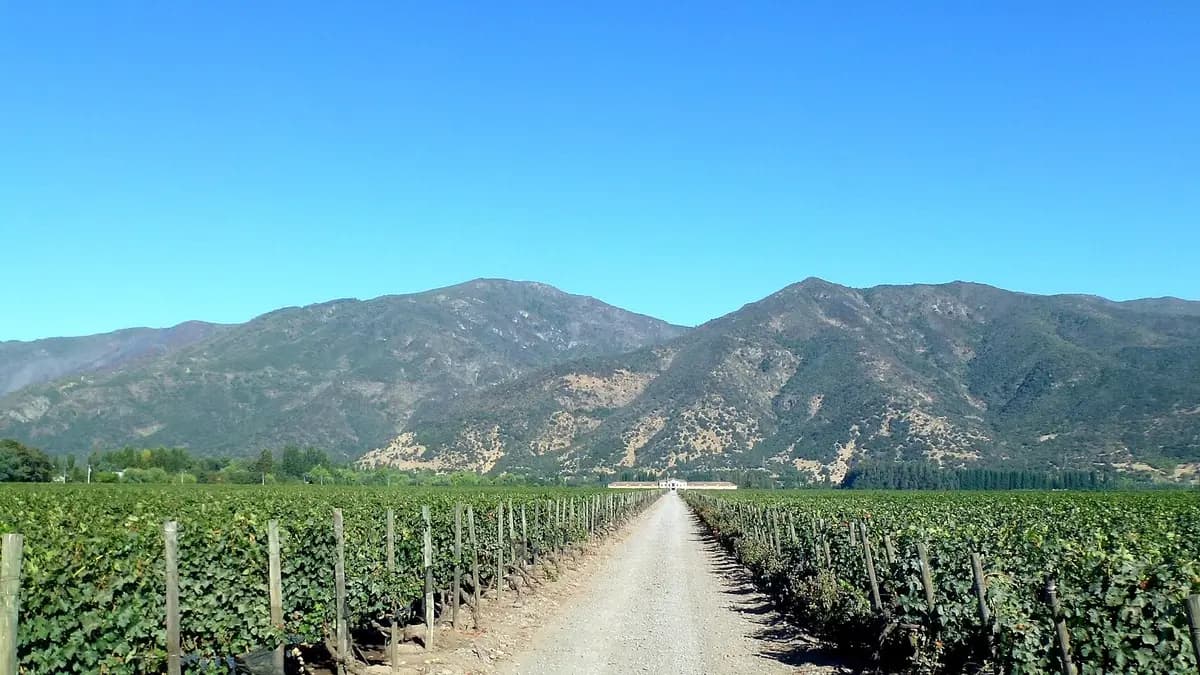
The figures are consistent: a 600 MWh battery discharging at full power for 5 hours delivers 120 MW, which is precisely the power most sources report. MWp (megawatt peak) is the maximum output of the panels under laboratory conditions; the power a plant injects into the grid is usually lower, limited by inverters and the connection. That is why a plant's solar capacity and its battery capacity are not simply added together.
The fact that the whole loan is green means the banks classified it under sustainable finance criteria, which requires the funds to go to an asset with environmental benefits, in this case renewable generation and storage.
Sungrow supplies the battery and the inverters
In August 2026, Verano Energy chose China's Sungrow for storage: its PowerTitan 2.0 battery platform and SG350HX-20 solar inverters. The deal includes a long-term 25-year service agreement covering availability, performance and reliability, according to IndexBox.
Five hours of storage can cover a good part of the evening peak-demand block. The logic is the same one repeated across Chile's north and center: store midday solar power, when it is abundant and cheap, to sell it at dusk, when demand rises. That business already moves the system, as we showed in the story on how batteries supply 5.1% of Chile's electricity.
Verano Energy and its second solar-plus-storage project
The company's first hybrid project is Domeyko, near Vallenar in the Atacama Region: an 83 MW solar plant with 660 MWh of batteries. In August 2025 it closed US$204 million in financing: US$176 million of project debt with SMBC, Société Générale and Scotiabank, plus US$12 million for VAT with Scotiabank, according to Electrominería. Domeyko's total investment is US$247 million and its commercial operation was scheduled for the end of 2026.
| Project | Region | Solar | Batteries | Financing | Expected operation |
|---|---|---|---|---|---|
| Domeyko | Atacama | 83 MW | 660 MWh | US$204 million (2025) | End of 2026 |
| Observatorio | O'Higgins | 123 MWp | ~600 MWh | US$187 million (2026) | First half of 2028 |
| Total | ~206 MW | ~1,260 MWh | US$391 million |
Source: Electrominería (08-28-2025), REDIMIN (10-22-2026) and SMM (10-26-2026). Domeyko was reported in MW and Observatorio in MWp (panel peak power), so the solar total is approximate.
Chile's battery wave
Observatorio joins a long list of storage-backed plants that secured financing in 2026. In October, Spain's Grenergy closed US$457 million for its Algarrobal and Palmas projects, with 446 MW of solar and 1.8 GWh of batteries, as we detailed in the story on Grenergy's financing. MUFG also took part in that loan.
As of June 2026, Chile's National Energy Commission counted 74 BESS projects declared under construction, with 6,358 MW of power and close to 30,000 MWh of storage, according to Actualidad Jurídica DOE (June 5). In that context, a 600 MWh battery like Observatorio's is mid-sized: the country's largest projects exceed 1,000 MWh, and worldwide there are already batteries of several GWh, as shown in the ranking of the largest battery in the world.
Placing the battery in O'Higgins rather than the desert makes sense for the grid. Most batteries have been installed in the north, near solar parks, while the big consumption centers are in the center of the country. A hybrid plant in central Chile delivers energy close to demand and depends less on the congested transmission lines that today force solar energy to be wasted.
Does your company develop, finance or supply energy storage projects? Reach Energía Futura's readers.
See advertising optionsFrequently asked questions
What is Verano Energy's Observatorio?
A solar plant with storage in Marchigüe, O'Higgins Region, with 123 MWp of panels and a battery of about 600 MWh that can deliver power for five hours.
Who is financing the project?
A US$187 million loan coordinated by MUFG, with local support from Scotiabank. The entire amount was classified as green financing.
When will it start operating?
The stated target is the first half of 2028, subject to construction, testing and grid connection.
What does MWp mean?
Megawatt peak: the maximum output of solar panels under standard test conditions. The power a plant delivers to the grid is usually lower.
Who will buy the power?
Copec Emoac, Copec's energy trading company, with which Verano Energy signed a long-term supply contract in late 2025.