An Xbox Series X draws an average of 154 W during gameplay and an Xbox Series S 74 W, according to the lab measurements Microsoft publishes for developers in its gaming sustainability guide, with more than 200 titles tested at the wall socket. With electricity at CLP 255.27 per kWh, the BT1 residential rate of CGE for October 2026, an hour of play costs about CLP 39 on the Series X and CLP 19 on the Series S.
Playing two hours a day, the Series X costs about CLP 2,359 a month and the Series S CLP 1,133. The figure that weighs most on the bill, however, is often another one: sleep mode (instant-on) can add close to CLP 2,000 a month on its own, while energy-saving shutdown costs less than CLP 70. This guide covers consumption by mode, the comparison with the PlayStation 5 and Nintendo Switch 2, and how to spend less.
View the data as a table
| Series X while gaming | 154 W |
| Series S while gaming | 74 W |
| Sleep mode | 12 W |
| Energy-saving shutdown | 0.4 W |
How much power an Xbox Series X and Series S use
Microsoft measures each game's consumption with its PIX tool on both consoles and publishes averages by game area: main menu, loading screens, cutscenes, active gameplay and multiplayer. The gap between the two is large because the Series X has a much more powerful GPU, designed for 4K, while the Series S targets 1440p and 1080p.
| Game area | Xbox Series X (W) | Xbox Series S (W) |
|---|---|---|
| Active gameplay | 154 | 74 |
| Active multiplayer | 150 | 72 |
| In-engine cutscene | 150 | 71 |
| Pause menu | 140 | 70 |
| Constrained state (Xbox button) | 133 | 65 |
| Multiplayer lobby | 131 | 70 |
| Main menu | 123 | 63 |
| Loading screen | 105 | 60 |
Source: Microsoft, Gaming Sustainability Lab Platform Baselines, averages of more than 200 games tested since October 2022, measured at the wall. These are averages: a demanding game can exceed 170 W on the Series X.
Resolution matters little on the Series X and somewhat more on the Series S. On the Series X, active gameplay averages 154 W at 4K and 60 frames per second and 150 W at 4K and 30 frames. On the Series S it averages 77 W at 1440p and 71 W at 1080p. In independent measurements by Xataka with a plug meter, the Series X ranged between 155 and 158 W playing FIFA 22 and Forza Horizon 5, with peaks just above 170 W.
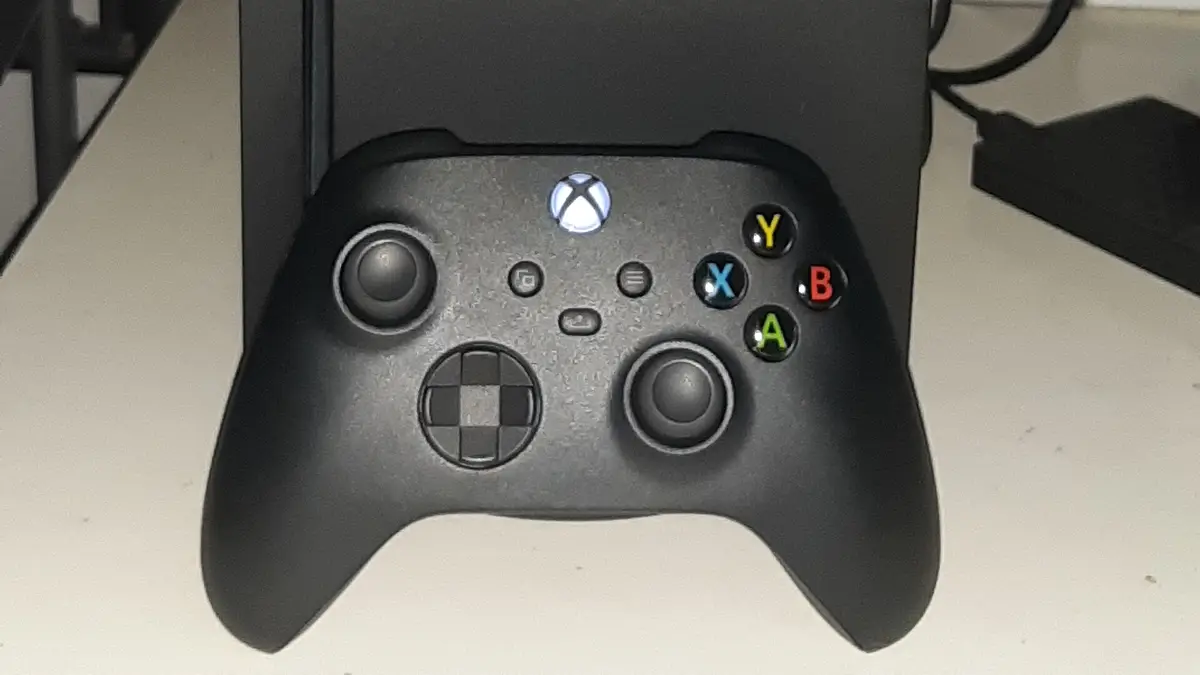
How much an Xbox costs in pesos
To calculate the cost, multiply the watts by the hours of use and by the price per kWh. At CLP 255.27 per kWh, these are the amounts with Microsoft's active gameplay averages:
| Use | Xbox Series X (154 W) | Xbox Series S (74 W) |
|---|---|---|
| 1 hour of play | CLP 39 | CLP 19 |
| 1 hour a day, per month | CLP 1,179 | CLP 567 |
| 2 hours a day, per month | CLP 2,359 | CLP 1,133 |
| 4 hours a day, per month | CLP 4,717 | CLP 2,267 |
| 2 hours a day, per year | CLP 28,698 | CLP 13,790 |
Energía Futura calculations with Microsoft's average consumption and CGE's October 2026 kWh price (CLP 255.27). 30-day months. Does not include the TV, which can use as much as the console or more; details in our guide to how much a TV uses by screen size.
Sleep mode: the hidden cost
The Xbox has two ways of "turning off". In sleep mode (formerly instant-on), the console stays ready to start in seconds and download updates; Microsoft gives it an average consumption of 12 W, according to Xataka, which measured between 8.4 and 11 W with occasional peaks. In shutdown (energy saving), the console really turns off and uses between 0.36 and 0.43 W, according to the same measurement.
| Mode | Consumption | Cost per month (22 h a day) | Cost per year |
|---|---|---|---|
| Sleep (instant-on) | ~12 W | CLP 2,022 | CLP 24,598 |
| Energy-saving shutdown | ~0.4 W | CLP 67 | CLP 820 |
| Difference | CLP 1,955 | CLP 23,778 |
Energía Futura calculations with 22 hours a day not gaming and the kWh at CLP 255.27. Consumption: Microsoft (sleep, 12 W average) and measurement by Xataka Smart Home (shutdown, 0.36-0.43 W).
The numbers are surprising: with two hours of daily play, a Series X in sleep mode spends almost as much "asleep" (CLP 2,022) as playing (CLP 2,359). On a Series S, sleep mode costs even more than gaming. Changing it takes a minute: under Settings, General, Power options, choose "Shutdown (energy saving)". What you lose is instant start and some automatic downloads, which the console still performs at night if scheduled.
Comparison with the PS5 and Nintendo Switch 2
The Series X uses less than a PlayStation 5, which according to Sony draws about 217 W while gaming, and much more than a Nintendo Switch 2, which uses about 19 W when docked to a TV. The Series S sits in the middle: half the Series X and about a third of the PS5.
| Console | Power while gaming | Cost per hour | 2 hours a day, per month |
|---|---|---|---|
| PlayStation 5 | ~217 W | CLP 55 | CLP 3,321 |
| Xbox Series X | 154 W | CLP 39 | CLP 2,359 |
| Xbox Series S | 74 W | CLP 19 | CLP 1,133 |
| Nintendo Switch 2 (docked) | ~19 W | CLP 5 | CLP 291 |
Sources: Microsoft (Xbox), Sony and Nintendo, according to our guides to the PlayStation 5 and the Nintendo Switch 2. All costs with the kWh at CLP 255.27.
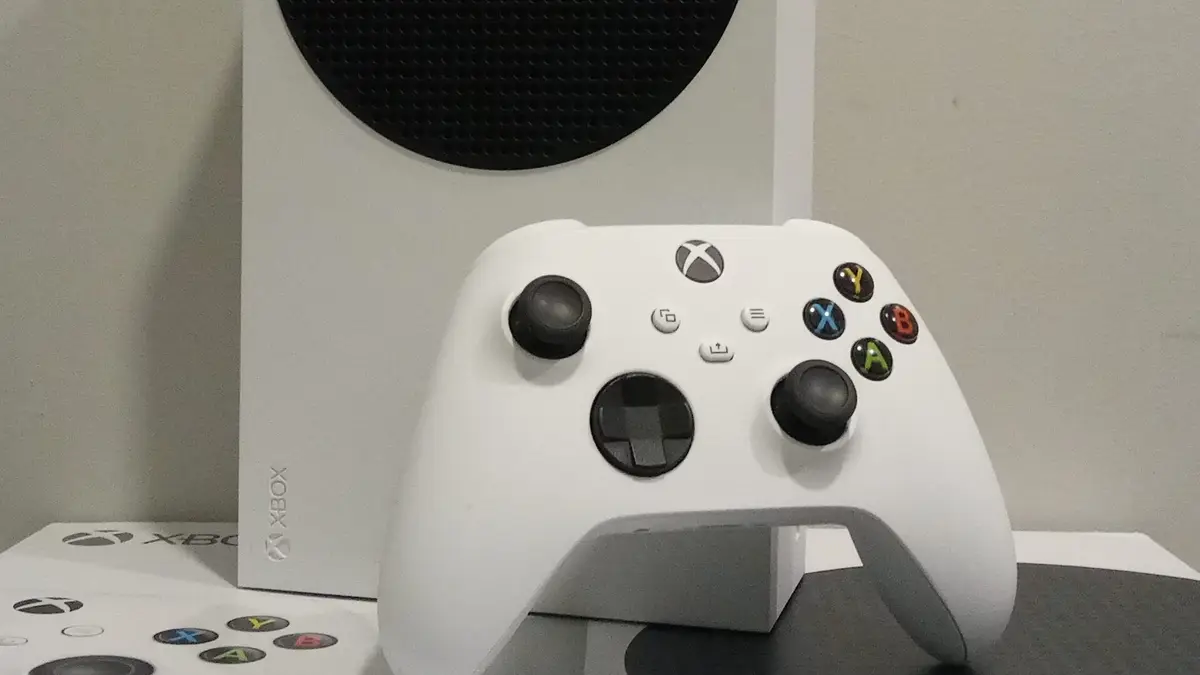
If you add a 55-inch TV, which uses about 63 to 84 W, a two-hour daily session with the Series X comes to about CLP 3,300 to 3,600 a month for console and screen. With a small gaming monitor, the total drops. With the Series S, the combination stays below CLP 2,500 a month.
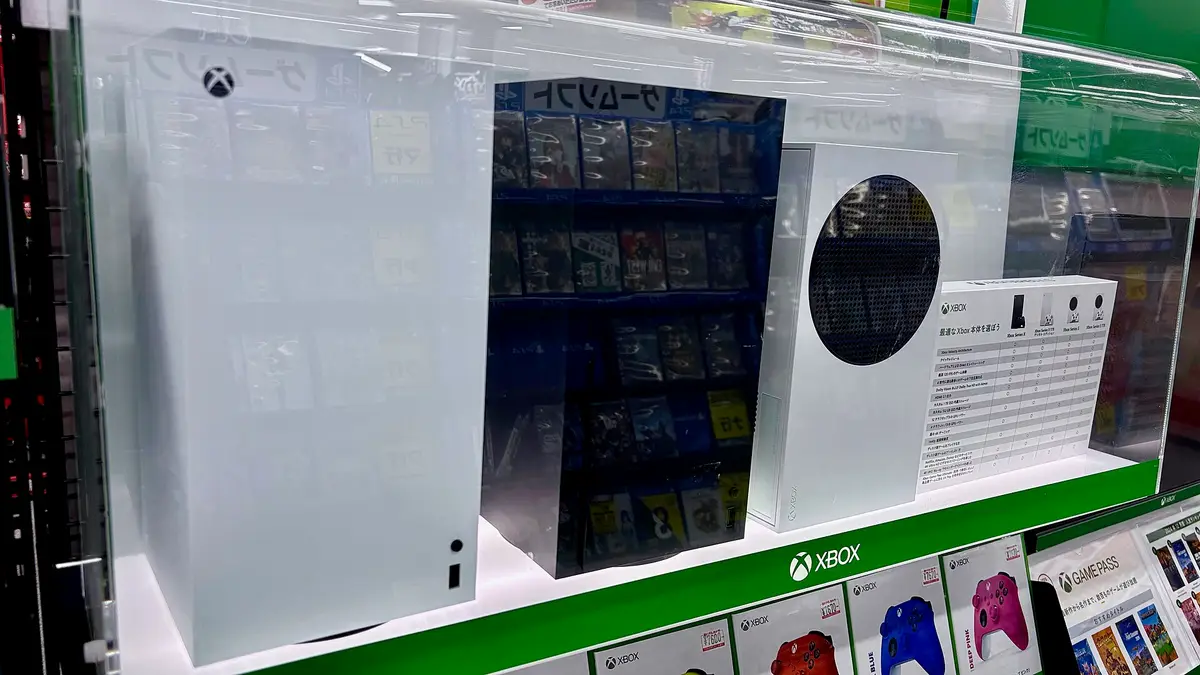
Which to choose: Xbox Series X or Series S
In electricity, the difference between the two is about CLP 1,226 a month playing two hours a day, around CLP 14,900 a year. That is small compared with the price gap between the consoles, so the choice depends more on the TV and the type of game than on the power bill:
- Series X: for 4K TVs, games with more graphic detail and a disc drive (except the Digital edition). Uses about 154 W while gaming.
- Series S: for Full HD or 1440p TVs, people who play mostly via subscription and downloads, and small spaces. Uses about 74 W, half as much.
- For both: the biggest saving is not in the model but in using energy-saving shutdown, which avoids about CLP 24,000 a year.
On price, Microsoft raised US prices for the second time in 2025: since 3 October 2025 the Series X costs US$649.99, the Series X Digital US$599.99, the 512 GB Series S US$399.99 and the 1 TB model US$449.99, according to Pure Xbox. In Chile, the price comparison site Solotodo did not list Xbox Series X or Series S consoles in stock as of 10 November 2026; it did show the ROG Xbox Ally handheld from CLP 629,990 and the 1 TB Xbox One S at CLP 429,990.
How to use less electricity when gaming
- Use energy-saving shutdown instead of sleep: saves about CLP 1,955 a month.
- Turn off the TV and soundbar: they often use as much as the console.
- Don't leave the game minimized with the Xbox button: the Series X still draws about 133 W.
- Enable automatic shutdown after one or two hours of inactivity, in the power options.
- Watch series and films directly on the TV or on a streaming device, which uses far less than a console.
- Schedule updates for the night if you use energy-saving shutdown.
If you also play on a PC, the comparison is in our guide to how much a gaming PC uses, where a machine with a high-end graphics card can exceed 400 W.
Does your brand sell consoles, TVs or gaming accessories? Reach Energía Futura's readers.
See advertising formatsFrequently asked questions
How many watts does an Xbox Series X use?
About 154 W on average during gameplay, according to Microsoft. On the main menu it is around 123 W and on loading screens 105 W.
How many watts does an Xbox Series S use?
About 74 W on average while gaming, half as much as the Series X, and about 63 W on the main menu.
How much does an Xbox cost to run per month?
Playing two hours a day, about CLP 2,359 for the Series X and CLP 1,133 for the Series S, with the kWh at CLP 255.27. Sleep mode can add about CLP 2,000 more.
Should I leave the Xbox in sleep mode?
Cost-wise, no: it uses about 12 W all day. Energy-saving shutdown uses less than 0.5 W and saves about CLP 24,000 a year.
Does an Xbox or a PS5 use more power?
The PS5, at about 217 W while gaming according to Sony, versus 154 W for the Series X and 74 W for the Series S.