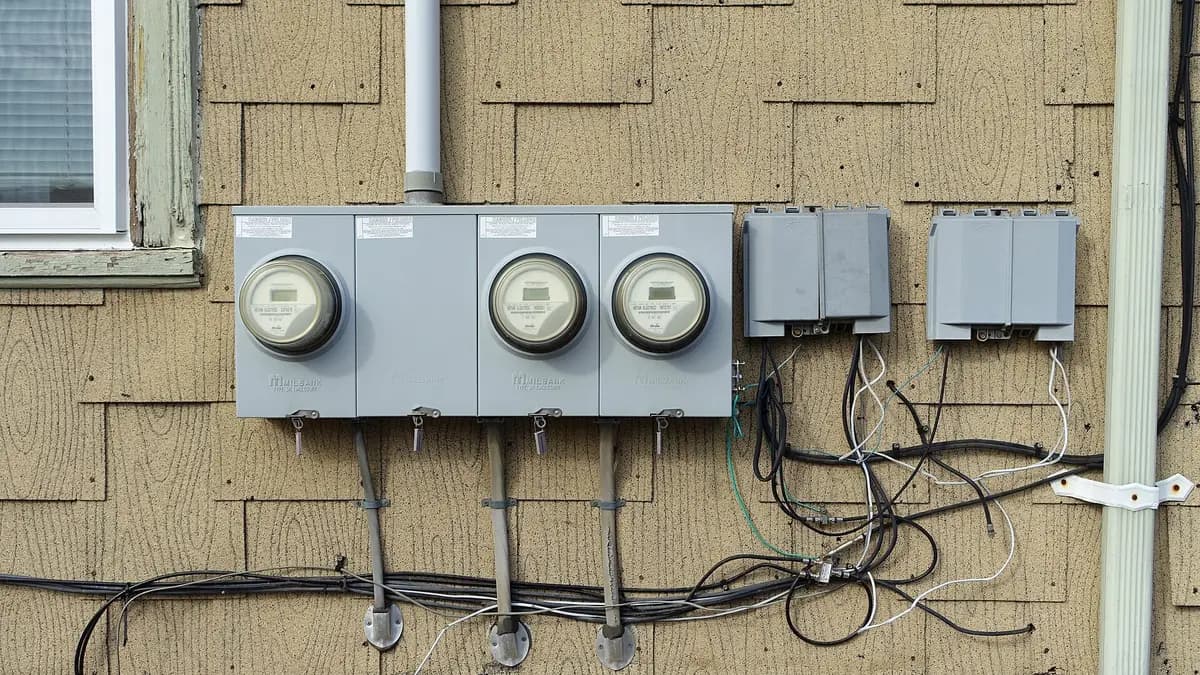
Chile's National Energy Commission (CNE) has opened a public consultation to amend the technical standard on service quality for distribution systems, known as the NTD. The draft changes Chapter 5, on commercial quality, focusing on the connection procedure: the steps, deadlines and requirements utilities must follow when a home, shop or building asks to connect to the grid or upgrade its service connection, Revista Electricidad reported on Tuesday, October 20.
Any individual or company can submit comments within 20 calendar days of the notice's publication in the Official Gazette, through the CNE's regulatory portal. According to the commission, the changes seek to clarify the current procedures, detail their stages and give more regulatory certainty to those involved.
What changes in the distribution technical standard
The NTD sets the quality of service that distribution companies such as Enel, CGE, Chilquinta and Saesa must deliver. It has chapters on supply continuity (how many outage hours are allowed), product quality (voltage and frequency) and commercial quality, which governs customer service: complaints, billing, response times and connections.
The process now under review began in January. In Exempt Resolution No. 5 of January 9, 2026, the CNE set as its main goal reviewing Chapter 5 “particularly regarding the connection procedure”, and as minimum topics the specific tasks of the procedure for connecting or upgrading services, according to the text of the resolution. The commission did not plan to commission external studies.
| Milestone in the NTD amendment | Date planned in January | What happened |
|---|---|---|
| Start resolution (Exempt Res. No. 5) | January 9, 2026 | Published January 15 |
| Deadline to apply to the advisory committee | January 30, 2026 | Met |
| Committee appointment (Exempt Res. No. 120) | March 2026 | March 6, with CGE, Enel, Chilquinta and Colbún, among others |
| Committee sessions | March to July 2026 | At least four sessions with published materials, in May |
| Public consultation | August to September 2026 | Opened in October, for 20 calendar days |
| Report answering the comments | October to December 2026 | Pending |
| Publication of the standard in the Official Gazette | December 2026 | Pending |
The consultation comes about two months later than the original schedule. If the CNE keeps the end date, the amended standard would be published in December, leaving little time to analyse the comments.
Why connection to the distribution grid is under debate
The January resolution noted a key fact: a non-contentious proceeding is under way before Chile's Competition Tribunal (TDLC), Case NC No. 551-2025, brought by the Chilean Chamber of Construction and the Real Estate Developers Association, on the connection procedure for multiple supplies, meaning apartment buildings and housing developments.
In that case, Chile's National Economic Prosecutor (FNE) recommended last week identifying the connection-related services that utilities provide, making information public so prices can be compared, strengthening safeguards on installers related to the utilities and reinforcing the electronic file of each connection. We explained it in the FNE's proposal on connecting real estate projects.
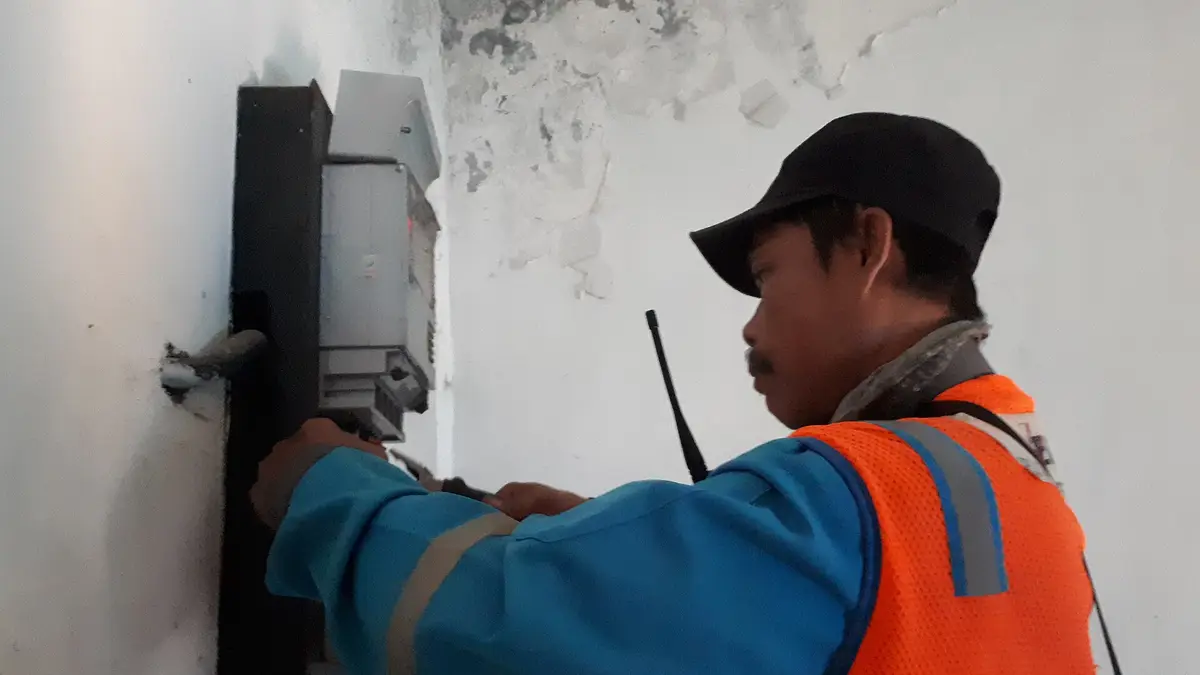
The underlying issue is that the utility has a monopoly over the grid in its area. For a developer, connection times and costs affect when homes can be handed over; for a family installing solar panels or an electric car charger, how long it takes to upgrade the service connection. The clearer the stages and deadlines, the easier it is for the SEC to police delays.
Who took part in reviewing the technical standard
The special advisory committee that worked on the draft was appointed by the CNE in Exempt Resolution No. 120 of March 6, amended by No. 143. According to the materials published in the CNE's regulatory proceedings file, its May sessions heard from, among others:
- Utilities: Chilquinta, CGE, Enel and Saesa.
- Electric cooperatives: Fenacopel, their federation.
- Generators: Colbún.
- Regulator: the Superintendency of Electricity and Fuels (SEC).
- Technical experts: Andrés Vicent and José Luis Lima.
- The first session also included a regulatory report on exceptional events, prepared by consultancy SCE for the utilities' association.
The review is part of the tariff process for the Distribution Added Value (VAD) 2028-2032. Article 1-22 of the NTD itself requires it to be updated before each VAD setting, to improve its requirements, application and enforcement. The VAD is the tariff that pays the utilities and shows up in electricity bills.
How to take part in the CNE's public consultation
Comments are submitted using the CNE's forms in the Regulatory Portal, under Public Consultation, where the draft and background documents are also available. Individuals and companies can take part: utilities, developers, electrical installers, solar companies, consumer associations and private citizens.
- Read the draft of Chapter 5 and compare it with the current text, set in CNE Exempt Resolution No. 210 of 2024.
- Download the comment form from the Regulatory Portal.
- Propose specific wording: the CNE answers article by article in a consolidated report.
- Submit on time, within 20 calendar days of the notice in the Official Gazette.
The CNE must then publish a report answering each comment, and only then does it set the final standard.
What the technical standard means for households and businesses
The consultation coincides with other changes in distribution. The government is preparing a grid reform proposal for December, and utilities are asking to change the model used to calculate their tariffs, as we reported in the electricity grid reform. Meanwhile, October's cold fronts have put service quality back at the centre of the debate.
For a family, the change to Chapter 5 will not show up on next month's bill, but in concrete procedures: how long the utility takes to quote an upgrade of the service connection, which documents it can require and what happens if it misses deadlines. For anyone planning a new connection, knowing the energy price in their area helps size the project; see electricity prices in Chile by municipality and utility.
What the FNE asked for on grid connection
The recommendations the National Economic Prosecutor submitted to the TDLC in the developers' case are the most concrete guide to what could change in the connection procedure. There were five, according to Electrominería:
| FNE recommendation | Goal |
|---|---|
| Identify the services associated with connection | Distinguish which have regulated tariffs and which do not |
| Disclose information on services and processes | Let customers compare and choose |
| Strengthen safeguards on installers related to utilities | Prevent the use of commercially sensitive information |
| Reinforce the electronic file of each connection | Let the SEC check milestones, stages and deadlines in time |
| Align the standard with tariff regulation | Make milestones, requirements, deadlines and tariffs consistent |
The CNE consultation and the TDLC case are running in parallel. If the tribunal accepts the FNE's recommendations, the CNE would have to reflect them in the standard, so the draft now under consultation may change again before its final version.
Does your company work in electrical installations, connections or distributed energy? Reach Energía Futura's readers.
See advertising optionsFrequently asked questions
What is the NTD?
The technical standard on service quality for distribution systems, set by the CNE and enforced by the SEC. It governs supply continuity, voltage quality and utilities' customer service.
Which part of the standard is being amended?
Chapter 5, on commercial quality, especially the procedure for connecting or upgrading services.
How long is the comment period?
20 calendar days from the notice in the Official Gazette, through the CNE's Regulatory Portal.
When would it take effect?
The CNE's schedule plans to publish the amended standard in the Official Gazette in December 2026, after answering the comments.