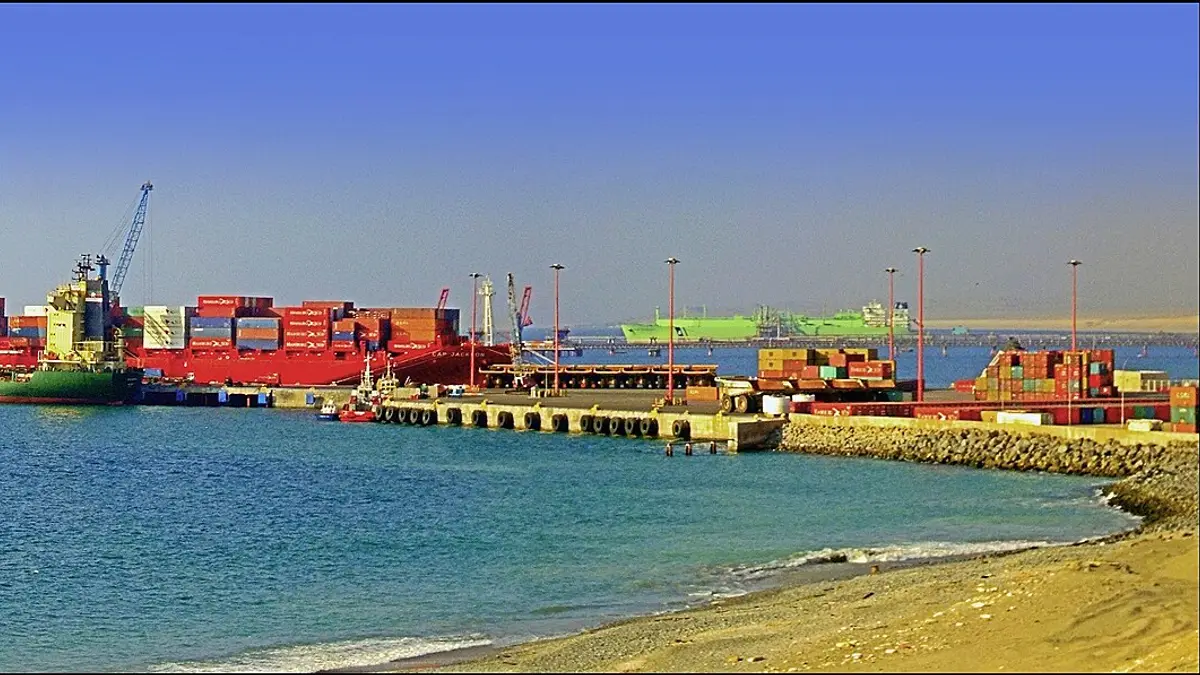
Terquim, the Chilean subsidiary of Norway's Odfjell Terminals, plans to invest US$50 million to expand its liquid bulk terminal in Mejillones, in the Antofagasta Region, and add the transfer of green ammonia, the product made with hydrogen from renewable electricity that Chile hopes to export. The "Modificación Terminal Mejillones Terquim" project was on the agenda of the Antofagasta Environmental Evaluation Commission on 6 November, and the Environmental Impact Assessment System (SEIA) registry shows it as approved, according to Redimin on 10 November.
The company describes it as "a strategic initiative to expand and complement the operations" of its terminal, according to Reporte Minero. Besides ammonia, it expands the handling of liquid fuels and sulfuric acid, a key input for copper mining, and enables loading and unloading of rail cars.
View the data as a table
| Investment | US$50 million |
| New land | 4.4 ha |
| Workers at construction peak | 163 |
| Service life | 45 years |
What Terquim's expansion in Mejillones includes
The project adds an adjoining 4.4-hectare plot, the so-called "L-shaped land", where most of the new structures will go, to the current site of about 6 hectares. It includes onshore and marine works, a connection to transfer sulfuric acid with neighboring Interacid, and adjustments to the administrative infrastructure linked to liquefied petroleum gas. Its customers are mining, oil and chemical companies.
| Component | Detail |
|---|---|
| Investment | US$50 million |
| Type of assessment | Environmental Impact Statement (DIA) |
| New land | 4.4 hectares (L-shaped plot), next to the current 6 ha site |
| Products | Liquid fuels, sulfuric acid and green ammonia |
| Rail | Loading and unloading of acid and fuels in rail cars |
| Construction | 1 April 2027 to 31 October 2031 |
| Construction workers | 53 on average, with a peak of 163 per shift |
| Service life | 45 years; closure from 1 November 2076 |
Source: the project's DIA, according to Diario Financiero (23 January 2026) and Redimin (10 November 2026).
The current terminal has nine tanks, seven multipurpose and two for sulfuric acid, and an 857-meter pier with a 42-foot draft that can receive post-Panamax ships, according to Diario Financiero. Its environmental history starts with Exempt Resolution No. 114 of 2009 from the Antofagasta Corema, amended in 2009, 2010 and 2019.
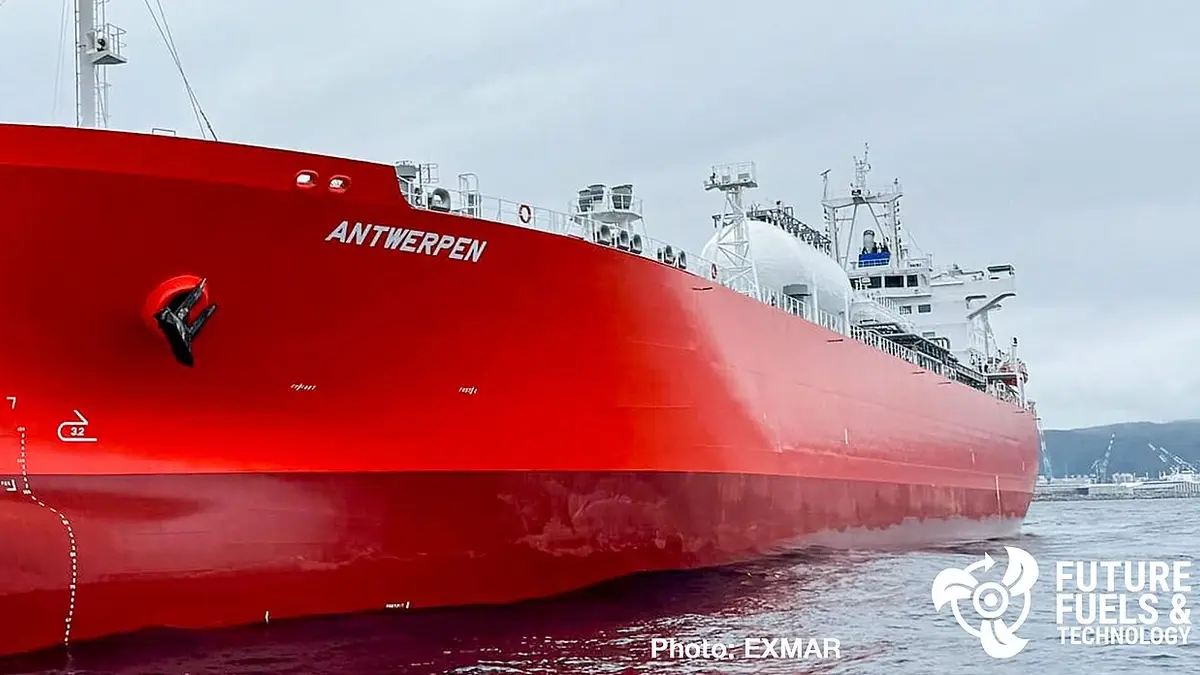
Green ammonia at Terquim's terminal, still without a date
The expansion makes the infrastructure ready to receive, store and dispatch green ammonia, but that does not mean the terminal will start handling it right away. According to Redimin, actual use will depend on the product being available, on commercial conditions and on operational requirements. The DIA does not report volumes or tank capacity for ammonia.
Ammonia is the most common way to ship hydrogen by sea, because it liquefies at far more manageable temperatures. Chile has large-scale projects under review or approved: in August, the Magallanes Evaluation Commission approved HNH Energy's project to produce and export green ammonia, an investment of US$11 billion, according to Redimin. We explained the size of these plants in our ranking of the world's largest green hydrogen plant.
- 2009Original terminal approvalExempt Resolution No. 114 of the Antofagasta Corema.
- 6 Jan 2026DIA filed with the SEIAAdmitted for processing on 22 January.
- Apr 2026Public participationRequested by Mejillones organizations.
- 6 Nov 2026On the Evaluation Commission agendaThe SEIA registry shows it approved, according to Redimin.
- Apr 2027Planned start of works
- Oct 2031Planned end of works
For mining, sulfuric acid matters as much as ammonia. It is used to leach oxide copper ores, the process that ends in cathodes. Enabling it to be loaded onto trains makes it possible to move it to inland mines without adding trucks to the region's roads.
Mejillones, from coal port to hub for new fuels
Mejillones concentrates thermal plants, ports and chemical plants, and its bay is changing with decarbonization. Engie has already converted its IEM coal plant to gas and obtained approval to do the same with Andina and Hornitos, as we reported in our story on the conversion of those plants in Mejillones. A terminal able to receive ammonia adds a logistics piece to that transition.
| Terquim project milestone | Date |
|---|---|
| Terminal's original environmental approval | 2009 |
| Latest approved amendment | 2019 (Exempt Res. No. 113) |
| DIA filed with the SEIA | 6 January 2026 |
| Admitted for processing | 22 January 2026 |
| Public participation | April 2026 |
| Antofagasta Evaluation Commission agenda | 6 November 2026 |
| Planned start of works | 1 April 2027 |
| Planned end of works | 31 October 2031 |
Source: Redimin and Diario Financiero, with SEIA data. Public participation was opened at the request of Mejillones community organizations.
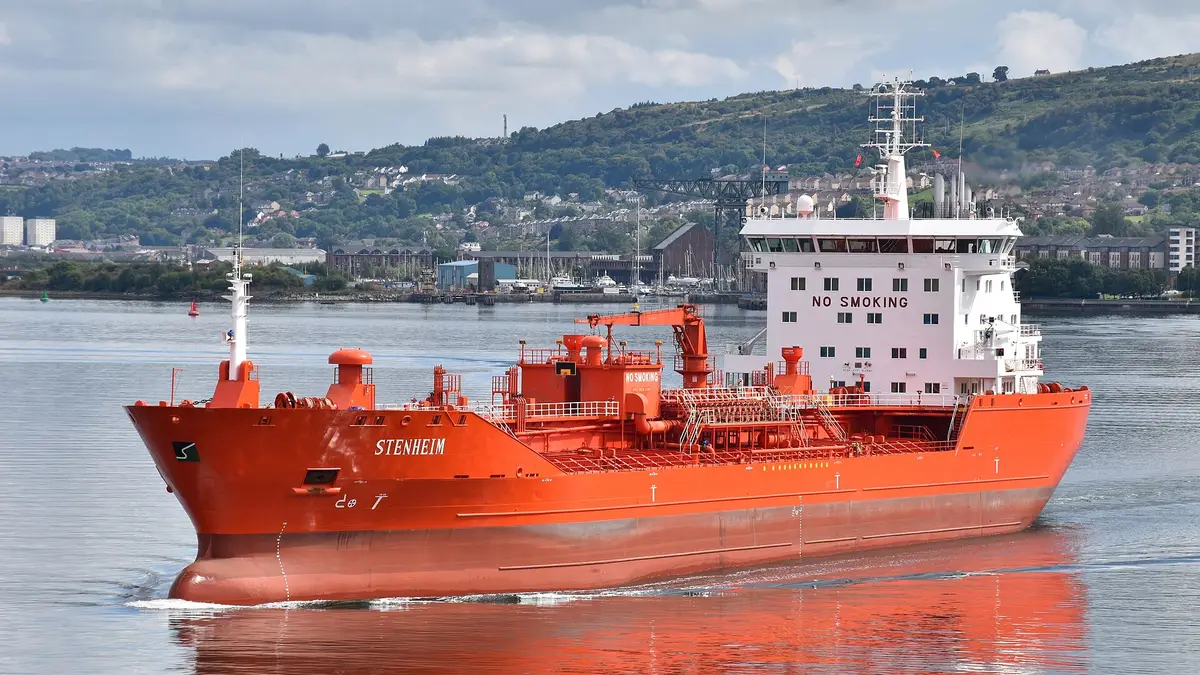
The project coexists with other debates in the bay: in Mejillones, fishers' groups and residents have challenged industrial projects before environmental courts. Electricity demand in the north, meanwhile, will keep growing with mining and hydrogen, as shown by the projection of Chile's electricity demand to 2046.
The project was filed as an Environmental Impact Statement rather than a full Study because, according to Redimin, it changes operating conditions of the original project without changing its nature. Public participation opened in April 2026 at the request of Mejillones community organizations, and the Evaluation Commission placed it on its 6 November agenda.
Does your company work in green hydrogen, ports or energy logistics? Reach Energía Futura's readers.
See advertising formatsFrequently asked questions
What is Terquim?
The Chilean subsidiary of Odfjell Terminals, which operates a liquid bulk terminal in Mejillones for mining, oil and chemical customers.
How much will Terquim invest in Mejillones?
US$50 million, according to the project's Environmental Impact Statement.
Will Terquim export green ammonia?
The project enables its transfer, but there is no date: it will depend on production being available and on commercial conditions.
When would it be built?
Between 1 April 2027 and 31 October 2031, with an average of 53 workers and a peak of 163.
What is the sulfuric acid handled by the terminal used for?
For leaching copper ores, the process that produces cathodes at many mines in northern Chile.