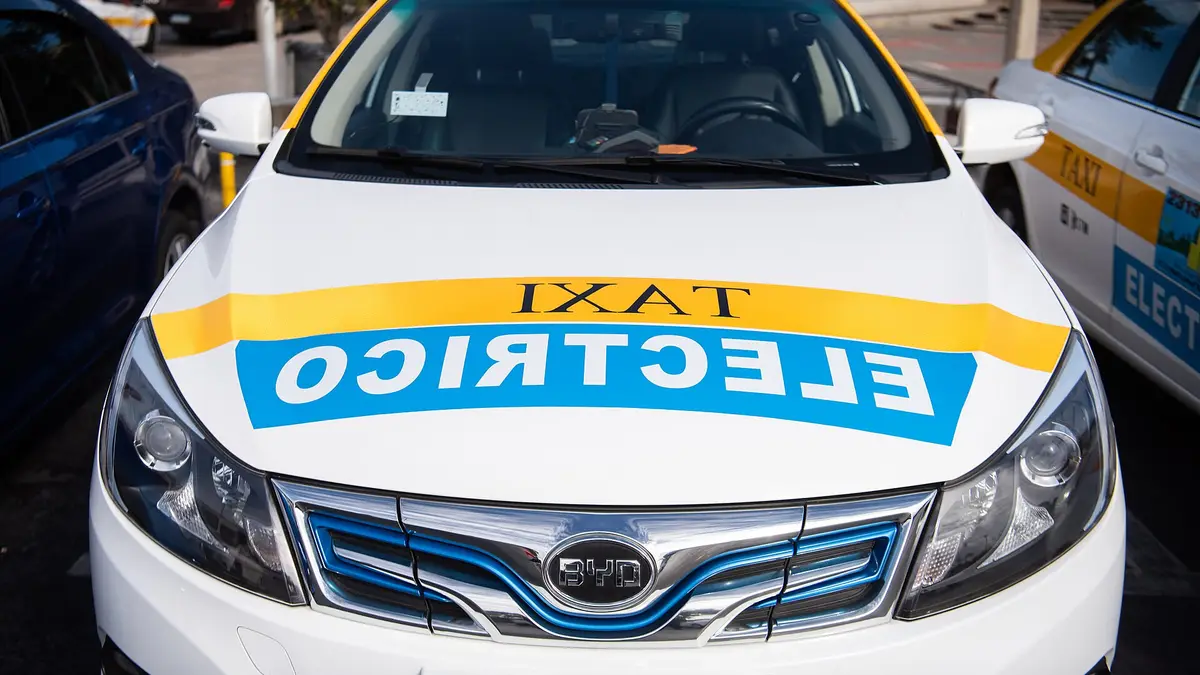
The Collahuasi Foundation and Chile's Energy Sustainability Agency (ASE) have signed a CLP 500 million agreement to fund 18 electric taxis in Iquique and Alto Hospicio, along with 18 home chargers and co-funding for a fast charger of at least 50 kW. The funds will reach taxi drivers through the Mi Taxi Eléctrico programme, and implementation will begin in January 2027, Chile's Ministry of Energy reported on October 20.
Deputy Energy Minister Hugo Briones said the agreement “is the first of its kind and will fund the addition of 18 electric taxis”. It is the first time a mining foundation has contributed money to this replacement programme, which until now relied on public funds.
What the electric taxi agreement in Tarapacá funds
| Tarapacá electromobility agreement | Details |
|---|---|
| Amount | CLP 500 million |
| Parties | Collahuasi Foundation and the Energy Sustainability Agency, backed by the Ministry of Energy |
| Vehicles | 18 electric taxis for public transport |
| Charging | 18 home chargers and co-funding for a fast charger of at least 50 kW |
| Municipalities | Iquique and Alto Hospicio |
| Programme | Mi Taxi Eléctrico |
| Start of implementation | January 2027 |
| Applications | Open window; start date to be announced |
A survey in August 2025 identified about 100 taxi drivers interested in switching to an electric vehicle in the region, so the 18 places will cover less than a fifth of the interest detected. The ASE also submitted another project to the Regional Government to add more electric taxis, according to the statement.
Collahuasi Foundation executive director César Gavilán said they aim to promote “the use of public transport in a region with a high concentration of private vehicles”. ASE executive director Diego Torres said the energy transition requires commitment and collaboration between the public and private sectors.
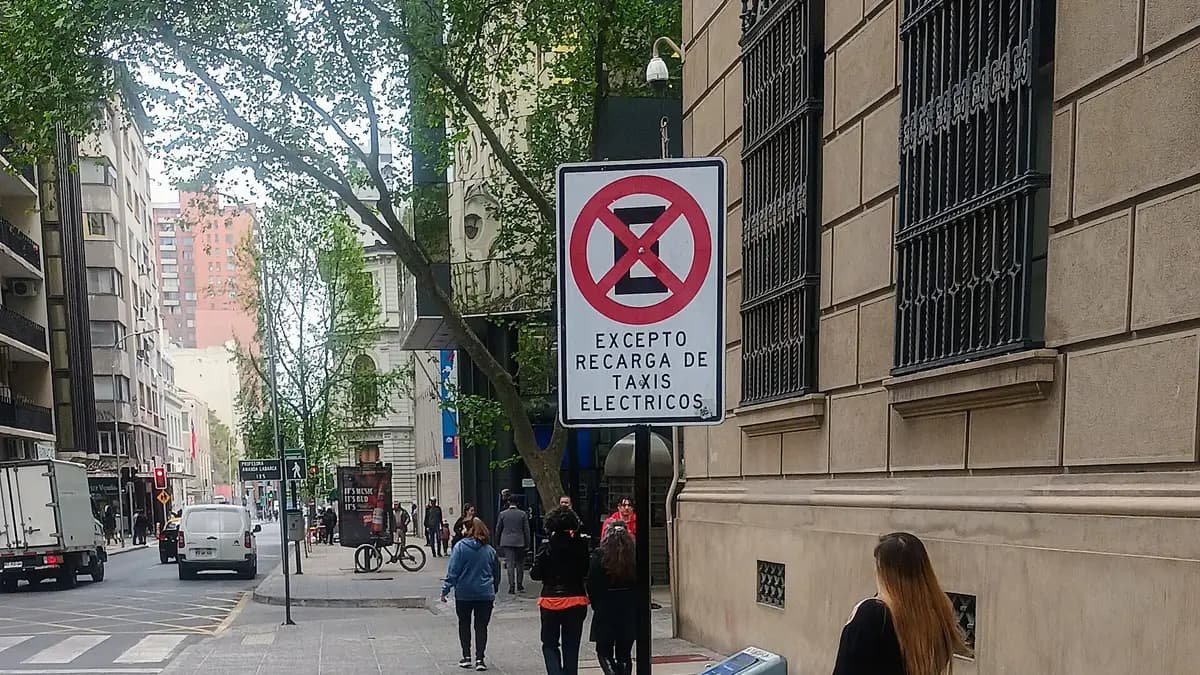
How the Mi Taxi Eléctrico programme works
Mi Taxi Eléctrico is the ASE and Ministry of Energy programme that provides co-funding to replace a combustion taxi with an electric one, along with a charger for the driver's home. This is how it worked in previous rounds:
- What the first round offered: co-funding of up to CLP 8 million to replace a regular taxi with an electric one, with a home charger and one year of vehicle monitoring, for 50 taxi drivers in Santiago province, Puente Alto and San Bernardo, according to the Ministry of Energy.
- Later rounds: extended to regular taxis and urban shared taxis (colectivos), according to the Energy Sustainability Agency.
- Additional financing: the government has pointed drivers to a BancoEstado electromobility loan to cover the difference.
- How to apply: on the programme's website, once the window for Tarapacá opens.
The exact requirements and the amount per taxi in Tarapacá will be known when the rules are published. What electric cars cost in Chile, model by model, is in the price of electric cars in Chile in 2026.
Why an electric taxi makes sense in Iquique
A taxi covers many more kilometres a year than a private car, so fuel savings are larger. In Iquique and Alto Hospicio, trips are also relatively short and urban, where electric cars are most efficient. Diesel and petrol prices have risen sharply since July, as we reported in the diesel price increase.
Cost per kilometre is the figure that matters most. This reference calculation uses simple assumptions: an electric car using 15 kWh per 100 km, charged overnight at home with electricity at CLP 255.27 per kWh, against a petrol saloon doing 14 km per litre:
| Item (reference calculation) | Electric taxi | Petrol taxi |
|---|---|---|
| Consumption | 15 kWh per 100 km | 14 km per litre |
| Energy price | CLP 255.27 per kWh | Pump price per litre |
| Energy cost per 100 km | CLP 3,829 | 100 ÷ 14 = 7.1 litres × price per litre |
| Cost per 60,000 km a year | CLP 2.3 million | 7.1 litres × 600 × price per litre |
With 93-octane petrol at about CLP 1,500 per litre, the figure we use in other guides this month, the combustion taxi would spend about CLP 6.4 million a year over the same 60,000 kilometres, almost three times what the electric one spends. Fuel prices change every Thursday with Enap's report, and the price per kWh depends on the utility and the customer's tariff.
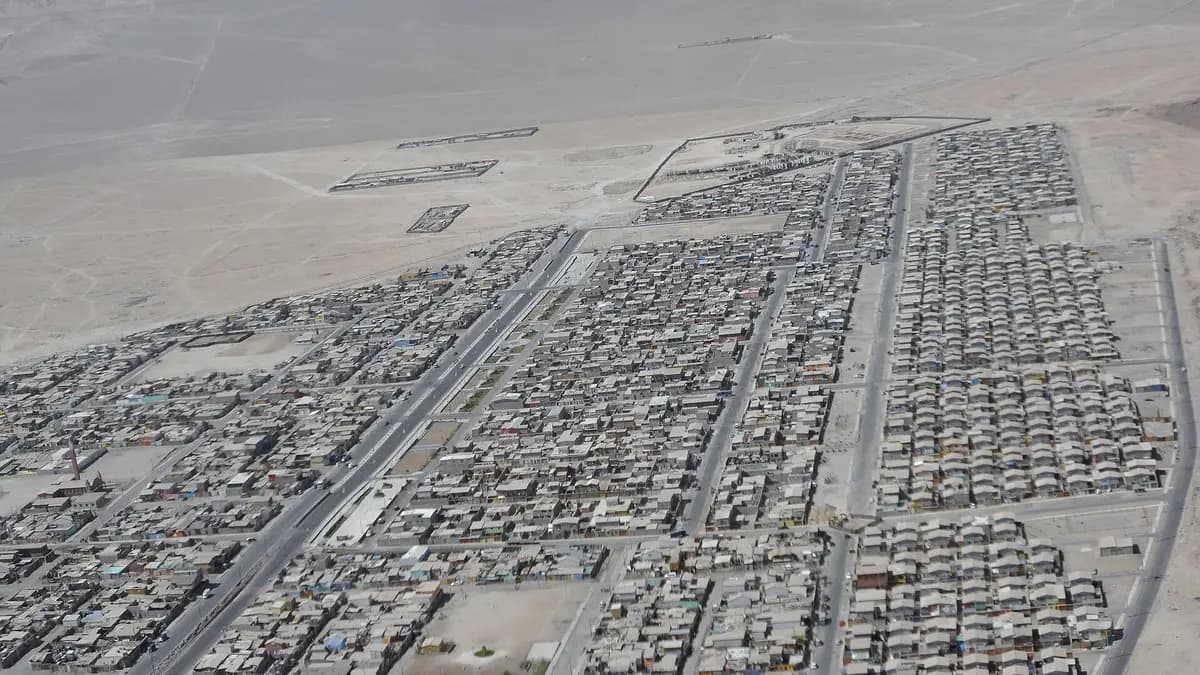
Electric taxis elsewhere in Chile and charging in the north
The Tarapacá agreement joins other initiatives to electrify public transport in the regions. In Ovalle, for example, 41 electric buses began operating in October, according to Revista Electricidad. The Collahuasi Foundation had earlier given 14 electric bicycles to Correos de Chile postal workers in Iquique, though that is not part of this agreement.
The fast charger of at least 50 kW is key for taxi drivers: it can restore a large part of the battery in under an hour during a shift, something a home charger cannot do. The best-selling electric models in Chile and their prices are in the ranking of best-selling electric cars according to ANAC.
Tarapacá's regional energy secretary, Juan Ignacio Boudon, said the agreement helps build the region's charging infrastructure, and regional presidential delegate Adriana Tapia highlighted that the public-private partnership delivers investments that directly benefit people.
Electricity prices in Tarapacá also help. The Ministry of Energy estimates that the region's electricity bills would fall 7.4% from January 2027, just as the agreement's implementation begins. With a home charger, drivers charge overnight, when the car is not working, and use the fast charger to top up during their shift.
Does your company sell electric cars, chargers or fleet services? Reach Energía Futura's readers.
See advertising optionsFrequently asked questions
How many electric taxis does the agreement fund?
18 electric taxis, with 18 home chargers, in Iquique and Alto Hospicio.
When can drivers apply?
Applications will be through an open window whose start date has not been announced. Implementation begins in January 2027.
Who is funding the taxis?
The Collahuasi Foundation, through a CLP 500 million agreement with the Energy Sustainability Agency, backed by the Ministry of Energy.
Will there be a fast charger?
Yes. The agreement co-funds a fast charger of at least 50 kW for the region.